
Bulgaria: High Mountains, Black Sea Beaches

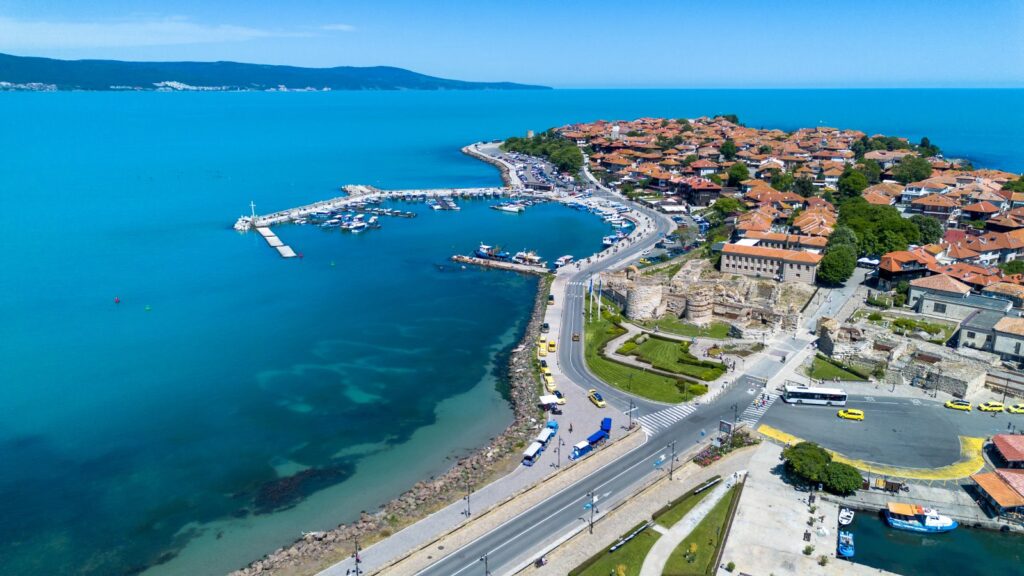
Aerial view of Nessebar’s old town and harbour on Bulgaria’s Black Sea coast

Bulgaria can take you from a Roman theatre to a mountain monastery, then east to historic towns overlooking the Black Sea. These experiences belong to different regions, so choosing a manageable route matters more than trying to fit everything into one holiday. For travellers who enjoy discovering how landscapes, food and everyday life connect with history, the country offers plenty of reasons to linger beyond its beach resorts.

Cities and Historic Places in Bulgaria

Sofia makes a useful starting point for exploring the west of the country. Around Serdika, Roman remains sit within the modern city, while Alexander Nevsky Cathedral provides a very different introduction to Bulgaria’s architectural heritage. Combine the principal sights with time in neighbourhood cafés rather than treating the capital solely as an arrival point.

Plovdiv rewards a longer stay. Its Roman theatre, hillside Old Town and Bulgarian National Revival houses reveal different chapters of the city’s history. Below the historic streets, Kapana adds a contemporary layer of cafés, galleries and creative businesses. The district’s surviving street names recall its earlier workshops, connecting today’s cultural activity with its craft heritage.

Veliko Tarnovo, a former capital of medieval Bulgaria, offers another perspective. Tsarevets Fortress and the town’s hillside setting make it particularly appealing to visitors interested in history and viewpoints. Allow time for its changes in elevation: a short distance on the map does not necessarily mean an easy walk.

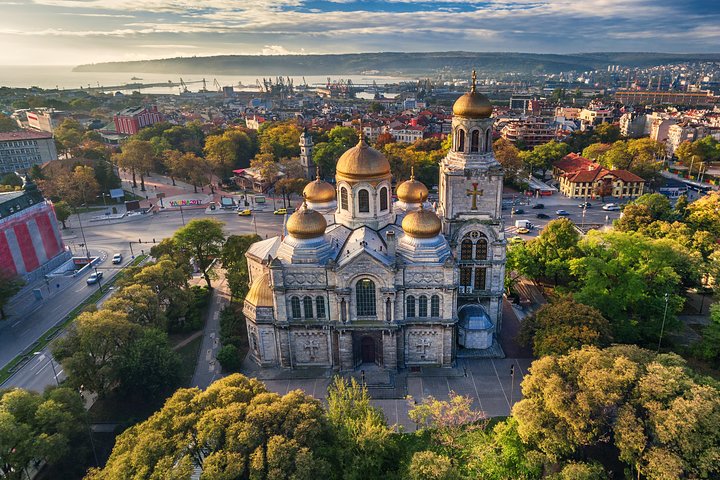
Aerial view of the Dormition of the Mother of God Cathedral with golden domes in Varna, Bulgaria

On the coast, Nessebar combines a compact historic peninsula with churches and layers of settlement recognised by UNESCO. Varna offers a broader city experience, including the Sea Garden and an archaeological museum whose prehistoric gold collection gives a compelling reason to step away from the beach. For more destinations where historical context enriches a visit, explore our World Heritage collection.

Mountains, Monasteries and the Black Sea Coast

The Rila and Pirin mountains are central to Bulgaria’s appeal, but mountain sightseeing and mountain hiking require different kinds of preparation. Rila Monastery, a UNESCO World Heritage Site, can be visited without committing to a high-altitude trek. Founded in the tenth century, it remains an important religious place, so dress respectfully and follow the rules for worship spaces and photography.

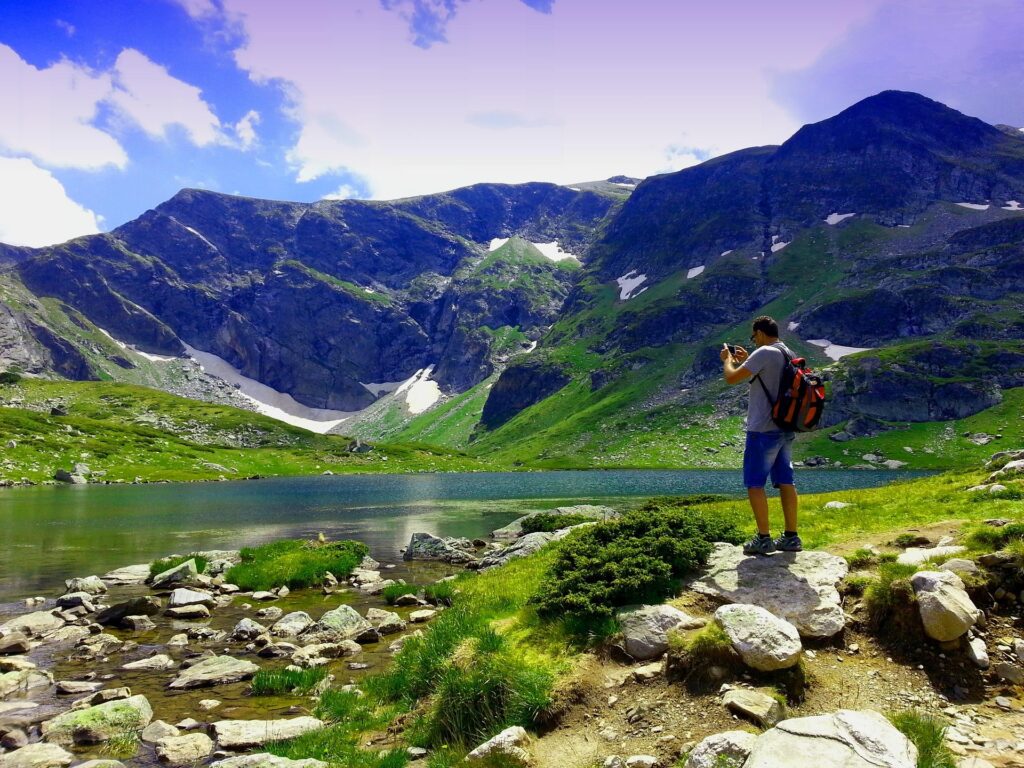
The Seven Rila Lakes offer a more physically demanding outing. Reaching the higher viewpoints involves mountain paths, uneven ground and sustained walking; transport towards the trail does not remove those challenges. Choose a route that suits your fitness, check the forecast and current access arrangements, and carry suitable footwear, water and an extra layer.

Pirin National Park, also UNESCO-listed, is known for its mountain landscapes and glacial lakes. Bansko provides a base for exploring the surrounding region, with winter sports and summer walking attracting different visitors. Mountain routes vary considerably in difficulty, so select a specific trail rather than assuming that every advertised excursion is a gentle scenic walk.

Along the Black Sea coast, the choice of base shapes the holiday. Varna and Burgas combine urban facilities with access to the seaside, while Nessebar adds a strong historical focus. Large resorts suit travellers seeking entertainment and extensive services, but anyone who values quiet should check the immediate surroundings of their accommodation, especially proximity to nightlife and busy roads.

Hiker photographing a mountain lake surrounded by rocky peaks in Bulgaria

Bulgarian Culture, Food and Everyday Life

Bulgaria’s cultural heritage brings together ancient Thracian history, Slavic traditions, Orthodox Christianity and centuries of Ottoman influence. Folk music and communal dances remain distinctive expressions of local identity. In the Strandzha region, the Nestinarstvo fire-dancing tradition forms part of a religious and community ritual recognised by UNESCO as intangible cultural heritage.

Food provides an easier everyday introduction. Banitsa, a pastry commonly filled with white brined cheese, is a familiar breakfast choice, while shopska salad combines tomatoes, cucumbers, peppers and grated cheese. Other dishes worth trying include tarator, a cold yoghurt-and-cucumber soup, and kavarma, a slow-cooked dish whose ingredients vary.

Bulgarian yoghurt, regional wines and rakia, a fruit spirit, also feature prominently in local food culture. Markets and small restaurants can make a useful counterpoint to organised sightseeing. Ask about seasonal dishes and house specialities, allowing meals to become part of the trip rather than simply a break between attractions.

Basic Facts at a Glance

  • Capital: Sofia
  • Region: Southeastern Europe, in the Balkans
  • Population: About 6.4 million, according to the end-of-2025 official figures
  • Official language: Bulgarian
  • Currency: Euro (EUR), introduced on 1 January 2026
  • Time zone: Eastern European Time, UTC+2; UTC+3 during daylight saving time

Bulgarian uses the Cyrillic alphabet, although tourist information and signs in major destinations often include Latin lettering. Saving your accommodation address in Bulgarian can help when asking for directions or taking a taxi. Keep some cash available for smaller businesses and rural stops rather than relying entirely on card payments.

Climate and Best Time to Visit

Bulgaria’s climate varies between the continental interior, the Black Sea coast and the mountains, with Mediterranean influences in parts of the south. A warm afternoon in a city does not indicate the conditions on a high mountain trail. Pack for the regions you will actually visit, especially if combining coast and mountains.

For city sightseeing and cultural travel, spring and early autumn can offer a comfortable alternative to the hottest summer weeks. For a beach holiday, June to September is the usual planning window, with July and August bringing the main summer crowds. Conditions become less predictable towards either end of the season.

For high mountain walking, summer generally offers the most practical opportunities, but snow, storms and local trail conditions still matter. Winter trips to ski destinations such as Bansko or Borovets need separate planning. Check forecasts and operating information close to departure rather than relying on a general seasonal description.

Getting Around Bulgaria

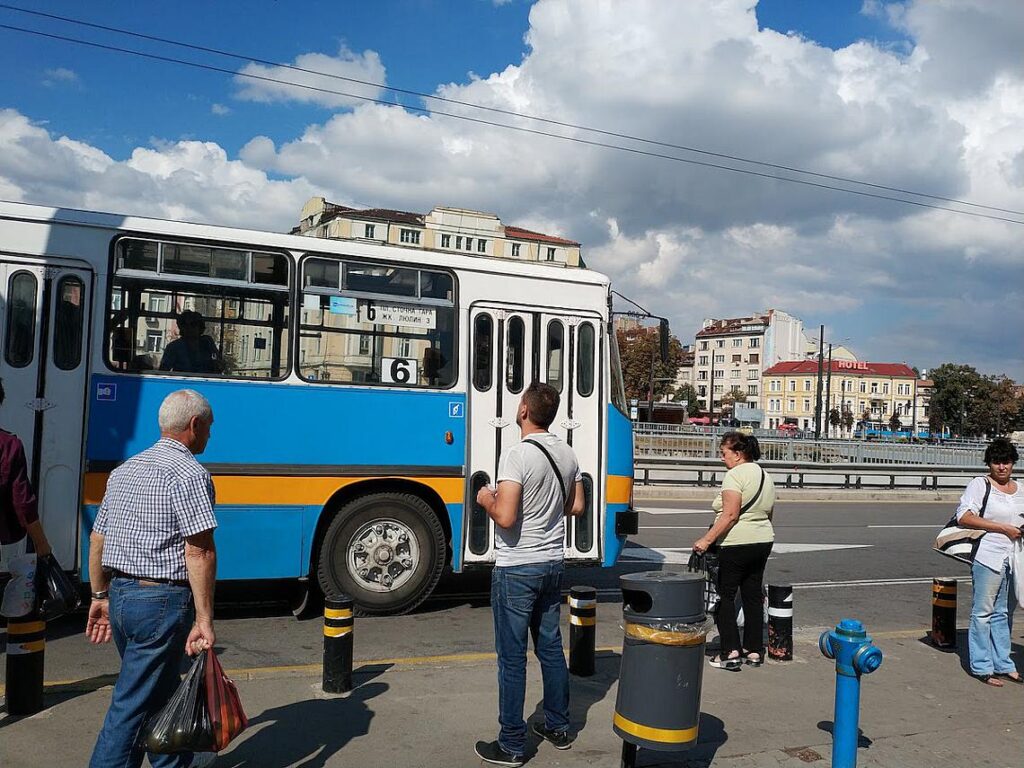
In Sofia, the metro is useful for crossing the city, alongside buses and trams. Elsewhere, local transport networks differ, so check how your accommodation connects with the sights you intend to visit. Staying near a useful transport route can save more effort than choosing a hotel that merely appears central on a map.

For journeys between cities, compare coaches and trains by actual departure time, journey length and arrival location. Coaches can be practical on many routes, while rail travel offers another way to cross the country. Use the Bulgarian State Railways website to check current services rather than assuming a direct or frequent connection.

Passengers boarding a blue and white trolleybus in Bulgaria

A rental car offers flexibility for monasteries, villages and rural accommodation. Confirm whether the required electronic vignette for the paid road network is included, and allow additional time for mountain roads. If you prefer not to drive, an organised excursion or prearranged transfer may simplify a destination with limited public transport. The official Bulgarian tourism portal can help with regional research.

A river cruise offers another way to discover northern Bulgaria as part of a wider European journey. Some Lower Danube itineraries call at Ruse or Vidin, with shore excursions introducing nearby historic places. Our Danube River Cruise guide explains the main route choices and what to consider when planning time ashore. Check the individual itinerary carefully, as Bulgarian stops are not included on every Danube sailing.

Accessibility and Travel with Limited Mobility

Accessibility needs to be checked for each part of the journey. Plovdiv’s hillside Old Town has cobbled streets, and destinations such as Veliko Tarnovo involve slopes and changes in level. For travellers using a wheelchair or managing knee problems, these features can determine which routes are realistic and how much assistance is needed.

Do not assume that a historic building, monastery or beach is accessible throughout because its main entrance can be reached. Ask about steps, surface conditions, accessible toilets and the distance from the drop-off point. At coastal accommodation, distinguish between access to a promenade, access onto the sand and assistance with entering the sea.

Before booking a train, consult BDZ’s information for passengers with reduced mobility and confirm the arrangements for your chosen service directly. For accommodation, request details of entrance steps, lift dimensions and bathroom layout, ideally supported by photographs. Mountain trails require particularly careful assessment; vehicle or lift access to a starting point does not make the onward route wheelchair-accessible.

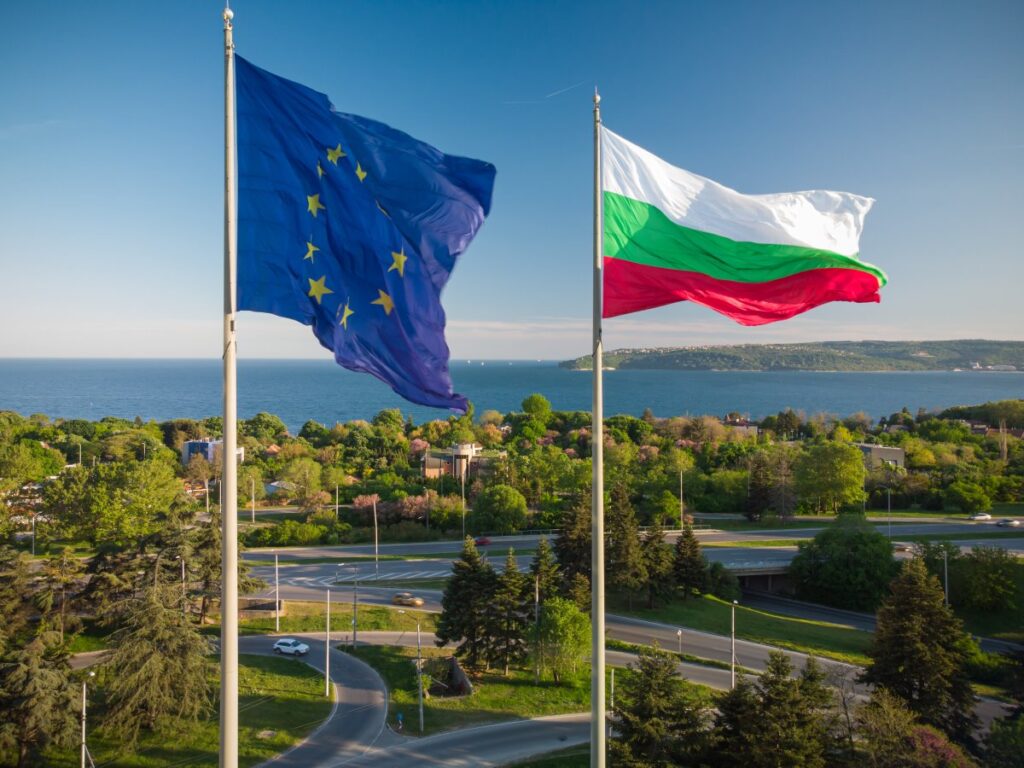
European Union and Bulgarian flags flying above a coastal landscape in Bulgaria

Final Verdict: Is Bulgaria Worth Visiting?

Bulgaria is worth considering if you enjoy choosing a region and exploring it in depth. A western itinerary can combine Sofia, Plovdiv and Rila Monastery, while a coastal holiday can pair seaside time with Varna’s archaeology or Nessebar’s historic streets. These focused combinations leave room for meals, rest and discoveries between the principal sights.

The main planning challenge is matching the route to your time and mobility. Rural connections, steep historic areas and demanding mountain paths can require extra preparation. Choose your bases carefully, confirm the practical details that matter to you, and Bulgaria can offer a rewarding holiday with enough variety to justify a return visit.

Related posts

United Arab Emirates Travel Guide

The United Arab Emirates is more than futuristic skylines and luxury hotels. This UAE travel guide explores Dubai, Abu Dhabi and Sharjah alongside desert landscapes, mountain roads, traditional neighbourhoods and local food, helping travellers discover a more varied side of the country and plan a trip beyond its headline attractions.
Read More »
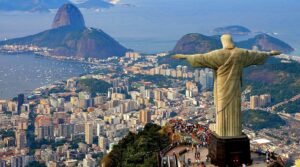
Brazil travel guide: Christ the Redeemer overlooking Rio de Janeiro and Sugarloaf Mountain

Brazil: Beyond Carnival

Brazil offers far more than one famous festival or beach. Explore the different experiences of Rio de Janeiro, Salvador, São Paulo, the Pantanal, the Amazon and Iguaçu Falls, with practical guidance on regional seasons, transport, accessibility and planning a first trip that fits your interests.

Read More »
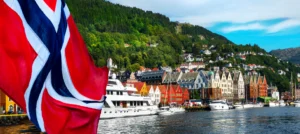
Norwegian flag overlooking Bergen harbour and Bryggen

Norway – Land of Fjords

Discover Norway’s dramatic fjords, Arctic landscapes and distinctive cities. Explore the best fjords to visit, where to go, when to travel, how to get around and what to know about accessibility, food and everyday culture when planning a journey through the Land of Fjords.

Read More »
Florence Cathedral dome and Giotto’s Bell Tower viewed through a historic window

Italy – Art, Landscapes and La Dolce Vita

Italy rewards travellers with extraordinary history, regional cuisine and remarkably varied landscapes. From Rome, Florence and Venice to the Alps and southern Italy, this Italy travel guide covers where to go, when to visit, transport and accessibility – and why the country is worth exploring more than once.

Read More »

Land of Stunning Coastlines

Explore Croatia’s historic towns, Adriatic islands and inland landscapes. From Dubrovnik’s city walls and Split’s Roman heritage to Zagreb and Plitvice Lakes, this guide brings together cultural highlights, regional food and practical advice on transport, seasons and accessibility to help you plan a varied journey at your own comfortable pace.

Read More »

Singapore: Gardens, Food & Neighbourhoods

Explore Singapore beyond its famous skyline: the Supertrees and conservatories of Gardens by the Bay, orchids with a place in the city-state’s culture, lively neighbourhoods and communal dining. This guide combines practical arrival and transport tips with a few memorable discoveries from our visit.

Read More »
Scroll to Top