Singapore Travel Guide: Gardens, Neighbourhoods and Everyday Life

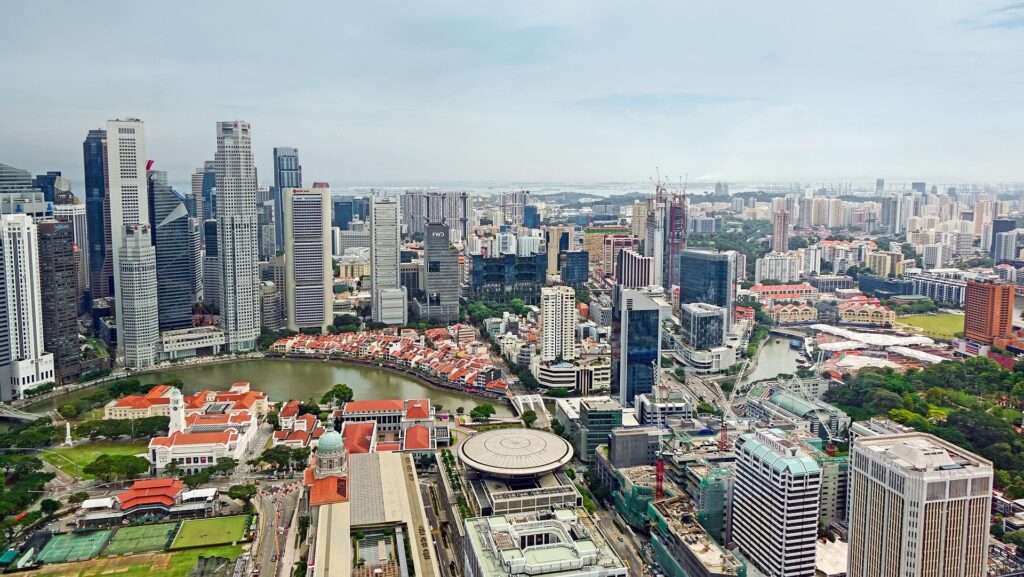
Aerial view of Singapore’s skyline and river, with red-roofed historic buildings among modern high-rises.

Singapore is a city-state where dramatic architecture, tropical greenery and long-established cultural traditions sit close together. Marina Bay may be its most recognisable image, but the city becomes more interesting when there is time for its neighbourhoods, public gardens and everyday eating places. It was our first destination in Asia, and we are already planning to return.


Arriving and Getting Around

Changi Airport is well connected to the city, and the MRT and buses make it possible to explore without a car. Stations are clearly signed, while contactless bank cards can be used to pay for public transport. Travellers using a card issued overseas should check SimplyGo’s current guidance for any additional fee.

Before departure, submit the SG Arrival Card through Singapore’s official immigration service. It is free and can be submitted within three days of arrival, including the arrival day. The card is separate from a visa, so check the entry rules for your nationality as well.

Public transport was punctual and the vehicles we used were clean. We also noticed reminders to give up seats when needed and let passengers leave before boarding. On our journeys, people did step aside and make room for one another—one of several small ways in which Singapore felt welcoming.

Marina Bay and Gardens by the Bay

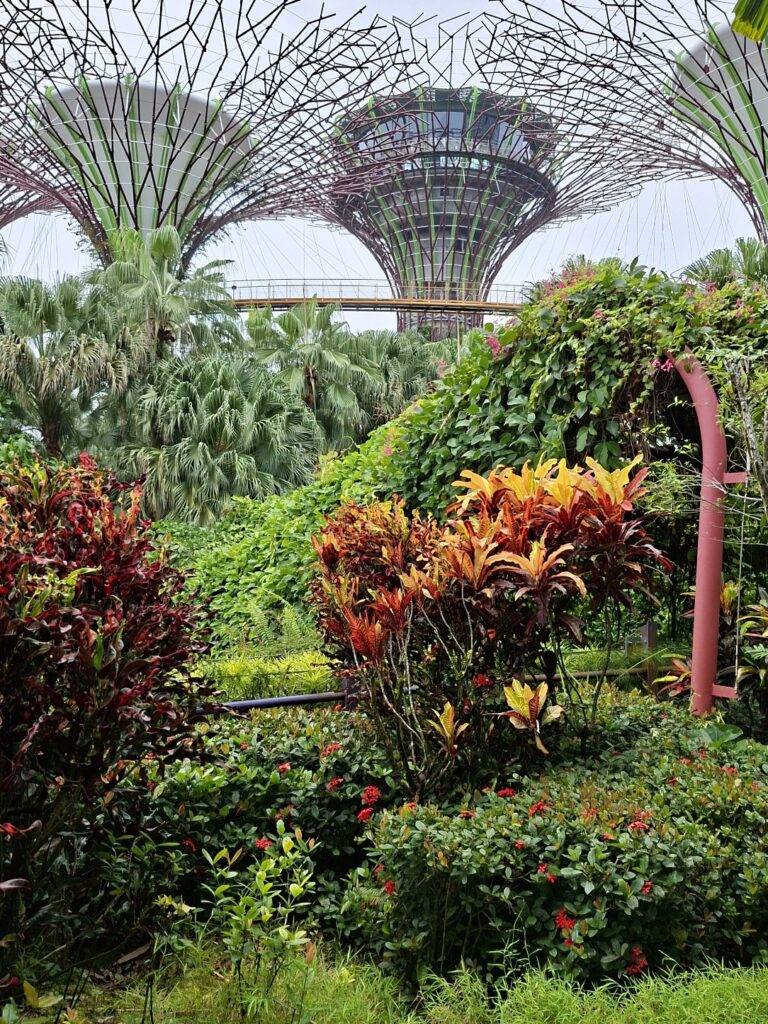
Marina Bay brings together many of the city’s most familiar sights. The three towers of Marina Bay Sands dominate the waterfront, with the SkyPark above them. The infinity pool is reserved for hotel guests, while the observation deck can be visited with a separate ticket. Nearby, Gardens by the Bay combines outdoor landscapes with two cooled conservatories. Its Supertrees are worth seeing in daylight and again during the evening Garden Rhapsody light and sound show.

Leave enough time to explore the gardens rather than treating them only as a photo stop. If you are deciding what deserves a place in a short itinerary, our guide to choosing must-see attractions can help you make that choice.

Flower Dome presents plants from regions including Australia, South Africa, South America and the Mediterranean. Its floral exhibitions change throughout the year; during our visit, an orchid display was among the highlights. Sculptures give some of the regional gardens another layer of interest. In the Australian Garden, for example, Pukumani tutini poles introduce visitors to the art and heritage of the Tiwi Islands.

Cloud Forest has a different atmosphere, built around a 35-metre indoor waterfall, mist and elevated walkways. It also hosted Jurassic World: The Experience during our visit. We encountered one of its baby dinosaurs and even got to pet it. These encounters are surprise appearances rather than a guaranteed part of the visit. Check the current Cloud Forest programme before booking, especially if loud effects or flashing lights would affect your visit.

Near the exit, the Secret Garden rewards much closer attention. Its miniature orchids can be examined through magnifying glasses; some of the flowers are remarkably easy to overlook without them. For us, they were as memorable as the much larger attractions around them.

The orchid is more than a popular garden flower here. Papilionanthe Miss Joaquim, also widely known as Vanda Miss Joaquim, is Singapore’s national flower. The country also has a tradition of naming newly bred orchid hybrids after visiting dignitaries.

The UNESCO-listed Singapore Botanic Gardens are a good place to explore that history. Within them, the National Orchid Garden displays the breadth of Singapore’s orchid collection and its VIP orchid tradition. It is a separate garden from Cloud Forest’s magnifying-glass display, so visitors interested in both should plan for two different stops.

Supertrees rising above lush tropical plants at Gardens by the Bay, Singapore.

Neighbourhoods and Street Life

Chinatown, Little India and Kampong Glam each offer a different introduction to Singapore’s communities, architecture, places of worship and food. They deserve time on foot, with room to turn into a side street or pause at a market rather than rushing between landmarks. What impressed us most was how naturally different traditions appeared in daily life. We also found a church, a synagogue, and a mosque while exploring the city. At temples, we saw people stop on their way home from work to leave a food offering or light incense. The visits were brief and ordinary, yet the spaces retained a sense of ceremony.

Singapore’s architectural variety extends beyond its historic streets and waterfront towers. From the train towards the airport, we saw large residential neighbourhoods that appeared to have distinct characters of their own. Parks and planting were part of the picture too: we came across people of different ages exercising, a tai chi class near a station, and greenery reaching up the terraces of buildings. During our stay, we also encountered outdoor presentations by students, including dance, robotics and visual art. It was an unplanned glimpse of the city’s energy, rather than an attraction we had set out to find.

Eating Together

Hawker centres are among the best places to encounter Singapore’s food traditions. Their shared tables bring different stalls and dishes into one space, and Singapore’s hawker culture is recognised on UNESCO’s Intangible Cultural Heritage list. Chicken rice and satay are approachable starting points; laksa was a little spicier than we expected.

An ordinary errand showed us another side of communal dining. While doing laundry at a shopping centre outside the main tourist areas, we saw its affordable eating places fill at lunchtime. People were there to eat, but also to meet and talk. That everyday scene explained the social value of shared dining more clearly than any list of recommended dishes could.

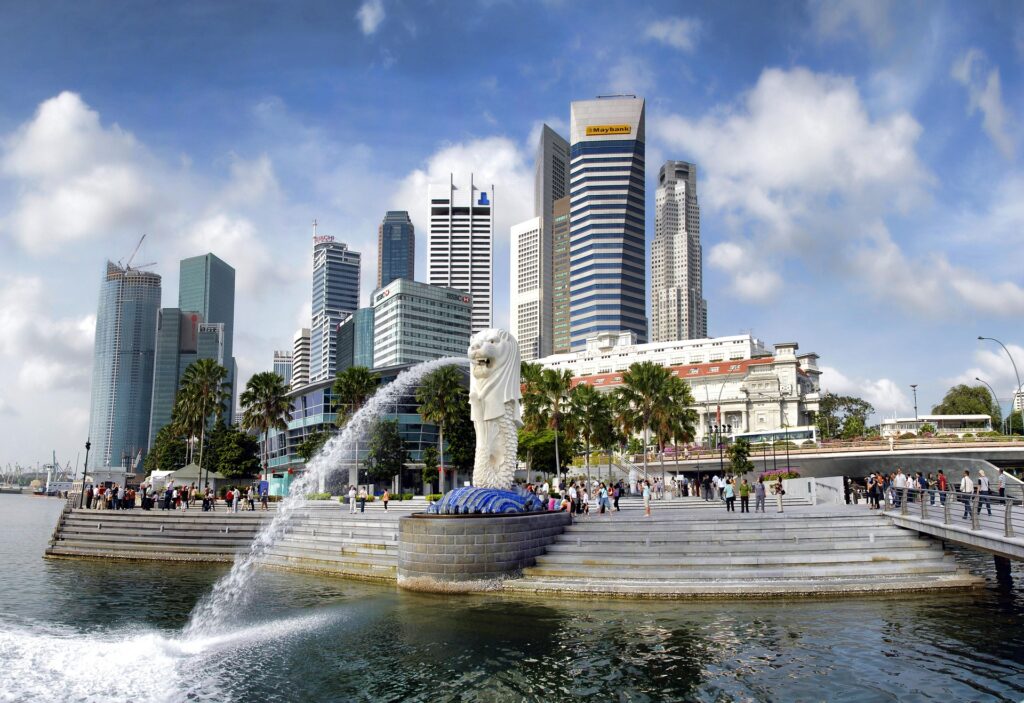
The Merlion spraying water into Marina Bay, with Singapore’s downtown skyline behind it.

Planning More Than a Stopover

Singapore is hot and humid throughout the year, with rain possible in any season. Light clothing, comfortable walking shoes and a flexible schedule make it easier to enjoy both outdoor neighbourhoods and indoor attractions. Check conservatory closure dates and changing exhibitions before fixing your Gardens by the Bay day.

If time allows, look beyond the centre. Sentosa offers beaches and major attractions; Pulau Ubin offers a quieter outing with a very different pace. We have more of Singapore left to explore ourselves. That is why we are planning to return in 2027.

Related posts

Israel: Resilience and Innovation

Traveling in Israel in 2026 offers a unique blend of ancient spirituality and high-tech urban life. Visitors can explore Jerusalem’s sacred sites, float in the Dead Sea, and enjoy Tel Aviv’s vibrant beaches. With an efficient, cashless public transport system and world-class culinary experiences, it remains a top-tier Mediterranean destination.
Read More »

Denmark: Land of Fairy Tales, Hygge, and Coastal Charm

Explore Denmark through Copenhagen’s waterfront, Odense’s literary heritage and Aarhus’s contemporary art. Beyond the cities, discover sandy coastlines, island towns and tidal landscapes. This Denmark travel guide introduces local food and hygge, alongside practical advice on transport, accessibility, safety and choosing destinations that fit your interests and preferred travel pace.

Read More »

Portugal – Historic Cities and Timeless Traditions

Explore Portugal’s historic cities, Atlantic coast and island landscapes, from Lisbon and Porto to the Douro Valley, Algarve, Madeira and Azores. This Portugal travel guide brings together regional food, traditions and contemporary culture, with practical advice on seasons, transport, safety and accessibility to help you plan a journey at your own pace.

Read More »
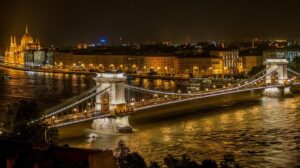
Széchenyi Chain Bridge illuminated at night over the Danube in Budapest

Hungary – Thermal Baths, Castles & the Danube

Hungary is a captivating blend of history, culture, and natural beauty. From the dramatic Danube River and historic castles to vibrant cities and wine regions, it offers something for every traveler. Budapest, the “Paris of the East,” provides stunning architecture and river views, making it a premier European destination.

Read More »

From Fairytale Castles to Modern Marvels

Explore Germany through historic cities, fairytale castles, river valleys and contemporary culture. From Berlin’s complex history to Bavaria’s traditions and the country’s engineering heritage, this guide combines distinctive regional cultural highlights with practical advice on transport, seasons, food and accessibility, helping you plan a varied journey at your own pace.

Read More »

Land of Stunning Coastlines

Explore Croatia’s historic towns, Adriatic islands and inland landscapes. From Dubrovnik’s city walls and Split’s Roman heritage to Zagreb and Plitvice Lakes, this guide brings together cultural highlights, regional food and practical advice on transport, seasons and accessibility to help you plan a varied journey at your own comfortable pace.

Read More »
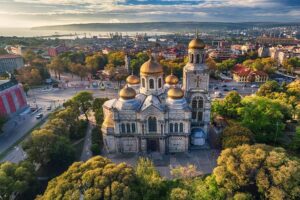
Aerial view of the Dormition of the Mother of God Cathedral with golden domes in Varna, Bulgaria

High Mountains, Black Sea Beaches

Explore Bulgaria through historic cities, mountain landscapes and the Black Sea coast. From Plovdiv’s Roman theatre and Rila Monastery to Nessebar and Danube ports, this guide helps you plan a rewarding journey, with practical advice on seasons, transport, Bulgarian food and accessibility for travellers with limited mobility and varied interests.

Read More »
Brazil travel guide: Christ the Redeemer overlooking Rio de Janeiro and Sugarloaf Mountain

Brazil: Beyond Carnival

Brazil offers far more than one famous festival or beach. Explore the different experiences of Rio de Janeiro, Salvador, São Paulo, the Pantanal, the Amazon and Iguaçu Falls, with practical guidance on regional seasons, transport, accessibility and planning a first trip that fits your interests.

Read More »
Norwegian flag overlooking Bergen harbour and Bryggen

Norway – Land of Fjords

Discover Norway’s dramatic fjords, Arctic landscapes and distinctive cities. Explore the best fjords to visit, where to go, when to travel, how to get around and what to know about accessibility, food and everyday culture when planning a journey through the Land of Fjords.

Read More »
Scroll to Top