



The Evolution of Travel: From Budget to Comfort

For many, the early days of travel are defined by the “budget” badge of honor. We bragged about $15 hostel beds, eighteen-hour bus rides to save fifty bucks, and surviving on street-corner slices. It was an era of endurance. But as time passes, the novelty of “roughing it” fades, replaced by a profound realization: time, energy, and peace of mind are far more valuable than the few dollars saved by sacrificing comfort. Transitioning from a budget traveler to a comfort-oriented traveler isn’t about becoming “snobby”; it’s about efficiency and wellness. After years on the road, here is what we’ve learned about the art of traveling comfortably—and why it’s worth every extra penny.

The Power of “Home Base” Luxury

In our younger years, a hotel was just a place to crash. Now, we understand that your accommodation is your operational headquarters. If you sleep poorly due to a thin mattress or a noisy street, your entire next day is compromised. Traveling comfortably means prioritizing location and climate control. Paying more to stay in a central, walkable neighborhood saves you the stress of long commutes. A room with high-quality linens and a quiet environment isn’t a luxury—it’s an investment in your ability to actually enjoy the destination.

Direct Flights and Lounge Access: The Stress Killers

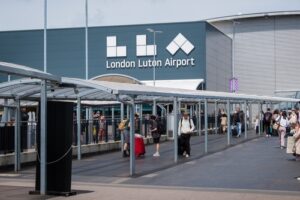
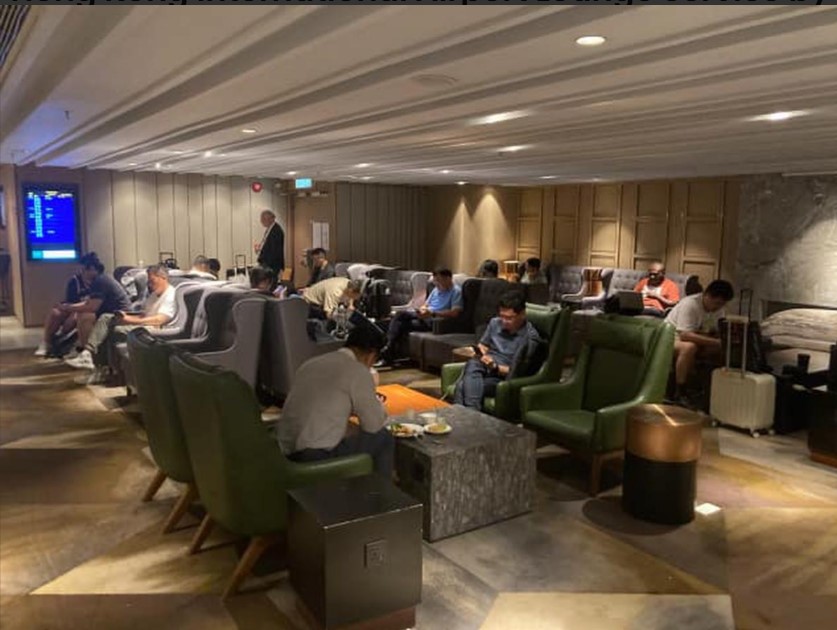
There was a time when a three-layover flight felt like an adventure. Now, we know it’s a recipe for burnout. We’ve learned that direct flights are the ultimate travel hack. Eliminating the anxiety of tight connections is worth the price jump. Furthermore, airport lounges are the great equalizers. Instead of sitting on a cold floor near a crowded gate, spending for lounge access provides a sanctuary with showers, quiet workspaces, and decent food, ensuring you land feeling like a human being.

Safety Net: Investing in Comprehensive Travel Insurance

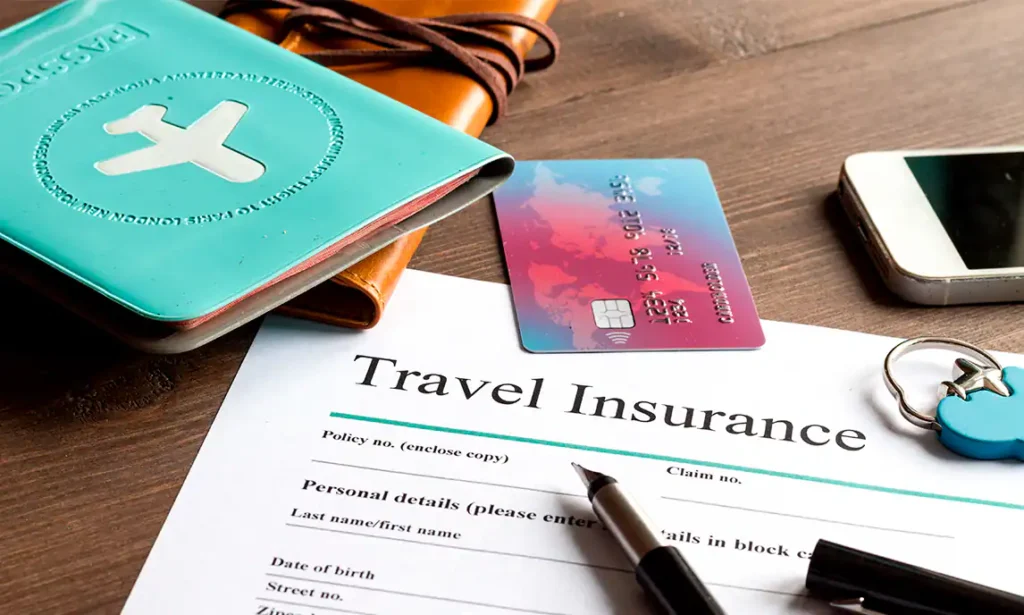
One of the most expensive mistakes a traveler can make is “saving” money on cheap, basic insurance—or skipping it entirely. We’ve learned that premium travel insurance is the ultimate comfort.

When you travel comfortably, you don’t want to argue with a call center in the middle of a medical emergency. High-end insurance provides “cancel for any reason” clauses, 24/7 concierge support, and high coverage limits for private hospitals. Knowing that a delayed flight or a lost suitcase is merely an inconvenience rather than a financial disaster allows you to remain calm when things go wrong. It’s the price of “sleeping well,” knowing you are fully protected.

Seamless Connectivity: The End of Wi-Fi Hunting

Whether it’s an international roaming plan from your provider or a pre-installed eSIM (like Airalo or Holafly), having high-speed data the moment your plane touches the tarmac is a game-changer. It means you can call a Bolt or Uber immediately, use Google Maps without stress, and translate menus in real-time. Comfort is never having to ask for a Wi-Fi password again; it’s the freedom of being connected whenever and wherever you need it.


Investing in a “Uniform” of High-End Gear

Comfortable travel starts before you leave. We’ve learned to stop buying cheap, disposable gear and start investing in technical fabrics. A pair of high-quality Merino wool shirts can be worn for days without smelling, and professionally fitted walking shoes prevent the blisters that ruin trips. We’ve also learned the value of premium luggage.  your back and your mood.

The “Slow Travel” Philosophy

The biggest enemy of comfort is a bloated itinerary. Trying to see five cities in ten days isn’t traveling; it’s logistics management. We’ve learned that traveling comfortably means doing less, but experiencing more. By staying in one city for a full week, you reduce “packing fatigue.” Comfort is the ability to spend an entire afternoon reading in a park without feeling the “guilt” of a missed tourist attraction.


The Importance of “Buffer Days”

Perhaps the most vital lesson is the necessity of the Buffer Day. We no longer schedule a high-intensity tour for the morning after arrival. Instead, we build in a day to nap and wander aimlessly. Similarly, we leave the day after we return home free. Going straight back to work erases the mental benefits of the vacation. True comfort is knowing you have time to decompress at both ends.

Prioritizing Private Logistics

While public transport is great, sometimes a private transfer is the kindest thing you can do for yourself. Arriving in a foreign city at midnight is not the time to figure out the subway. We’ve learned that pre-booking a car to meet you at the gate removes the “first-hour friction” of a trip. It sets a tone of ease and safety that carries through the rest of the journey.


 Conclusion: Reframing the Cost

Traveling comfortably is about recognizing that you are the most important piece of equipment you take on a trip. If you are tired, stressed, or digitally disconnected, the most beautiful sunset won’t move you.

When we choose comfort over cost, we aren’t being lazy; we are being protective of our experience. We’ve learned that the “best deal” isn’t the one that costs the least—it’s the one that leaves us feeling refreshed, inspired, and ready to explore the world again.

Related posts

Land of Fjords

Norway offers a breathtaking escape into nature, from majestic fjords and dramatic mountains to the enchanting Northern Lights. It’s a paradise for hikers and photographers seeking serenity. Beyond the scenery, you’ll experience high-quality living, safe cities, and a unique culture that perfectly balances modern innovation with ancient Viking history.

Read More »

From Kigumi to Modern Design

Explore the timeless art of Japanese woodworking, from the nail-free precision of kigumi to the intricate patterns of yosegi-zaiku. This guide features three premier workshops—Suikoushya, Hakone, and Takumi Woodwork—where enthusiasts can master traditional hand tools and connect with the spiritual philosophy of Monozukuri through immersive, hands-on craft experiences.

Read More »

High Mountains, Black Sea Beaches

Bulgaria is a captivating blend of ancient history and diverse landscapes. From Sofia’s vibrant streets to the sun-soaked Black Sea coast and rugged Balkan peaks, it offers an authentic European experience. With affordable public transport and rich traditions, it’s a hidden gem perfect for travelers seeking both adventure and value.

Read More »

Unlocking the Red Bull Ring Spielberg

A visit to the Red Bull Ring in Spielberg offers a breathtaking mix of high-speed motorsport and Alpine scenery. Beyond the F1 Grand Prix, fans can enjoy behind-the-scenes tours, driving experiences in supercars, and modern facilities. It is a premier destination for adrenaline seekers and families exploring Styria’s racing heritage.

Read More »

The Beating Heart of Gotham

Grand Central Terminal is a world-famous landmark in Midtown Manhattan. Beyond its role as a transportation hub, it features a breathtaking celestial ceiling and the iconic Whisper Gallery. This architectural masterpiece serves as a bustling cultural center, welcoming millions of visitors who admire its historic charm and grand Beaux-Arts design.

Read More »

Why Smaller is Often Better in Aviation?

Secondary airports are typically located on the outskirts of major metropolitan areas or serve as the primary gateway for smaller, nearby cities. By choosing to land at airports with lower landing fees, these airlines can pass the savings onto the passenger. But cost is just the tip of the iceberg.

Read More »
Scroll to Top