


The Road Less Traveled: Why Secondary Airports Might Be Your Best Travel Hack

In the golden age of aviation, most travelers instinctively head toward the glittering lights of major international hubs like London Heathrow, Paris Charles de Gaulle, or JFK in New York. However, a growing trend among savvy globetrotters and budget-conscious travelers is the strategic use of secondary or alternative airports. While these smaller hubs might lack the prestige of their “big brothers,” they offer a suite of advantages—and a few specific challenges—that can fundamentally change your travel experience.

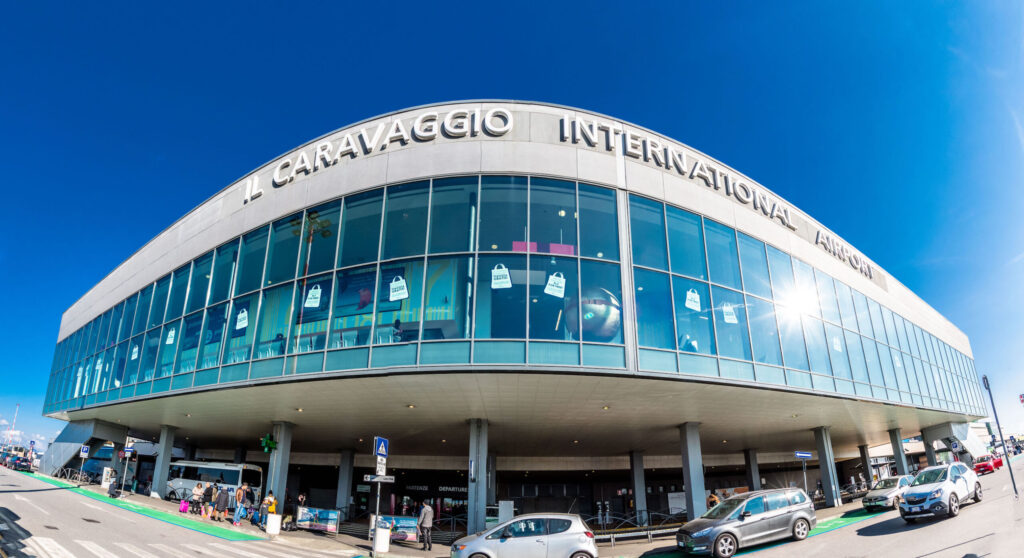
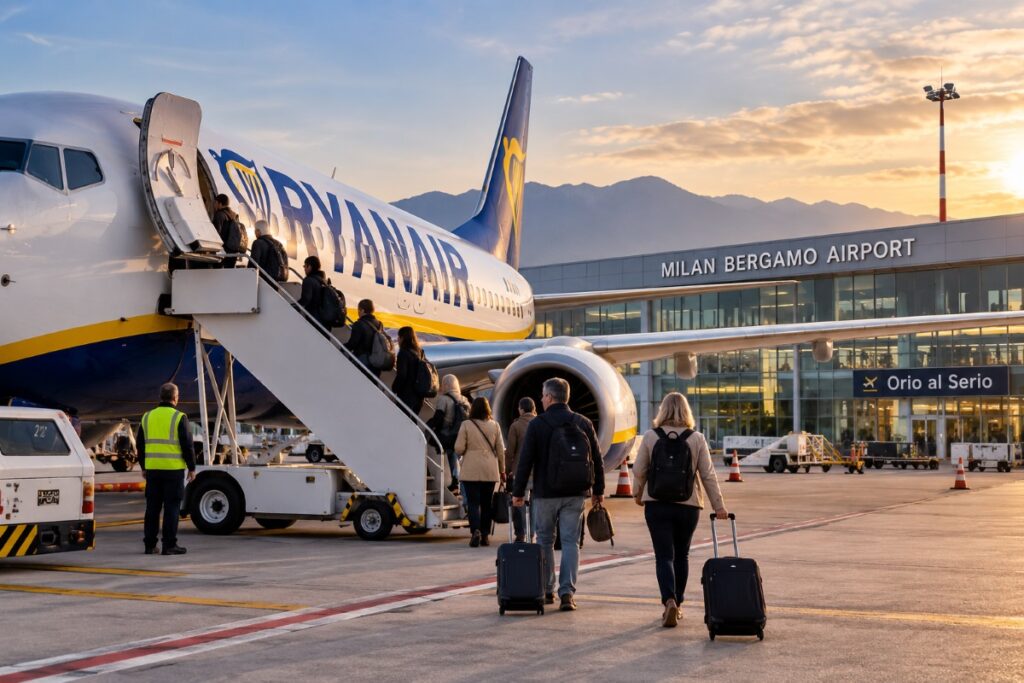
Secondary airports are typically located on the outskirts of major metropolitan areas or serve as the primary gateway for smaller, nearby cities. Their rise to prominence is inextricably linked with the explosion of low-cost carriers (LCCs) like Ryanair, Wizz Air, and Southwest Airlines. By choosing to land at airports with lower landing fees, these airlines can pass the savings onto the passenger. But cost is just the tip of the iceberg.

The Advantages: Beyond the Price Tag
  1. Financial Savings

The most immediate benefit is the hit to your wallet—or lack thereof. Because secondary airports charge airlines significantly less for gate access and ground handling, ticket prices are often a fraction of those at primary hubs. Even when you factor in the cost of a shuttle or train to the city center, the total expenditure is frequently lower.


  1. Efficiency and Speed

Major hubs are victims of their own success. Navigating the sprawling terminals of O’Hare or Frankfurt can involve miles of walking and confusing shuttle trains. In contrast, alternative airports are generally more compact. Security lines are shorter, the walk to the gate is quicker, and baggage reclaim is often a breeze. 


  1. Less Congestion and Fewer Delays

Large airports operate at near-maximum capacity. One minor technical glitch or a bout of heavy rain can cause a domino effect of delays. Secondary airports have less air traffic, meaning planes are less likely to sit on the tarmac waiting for a takeoff slot.

The Disadvantages: The Trade-offs
  1. Distance and Transportation Costs

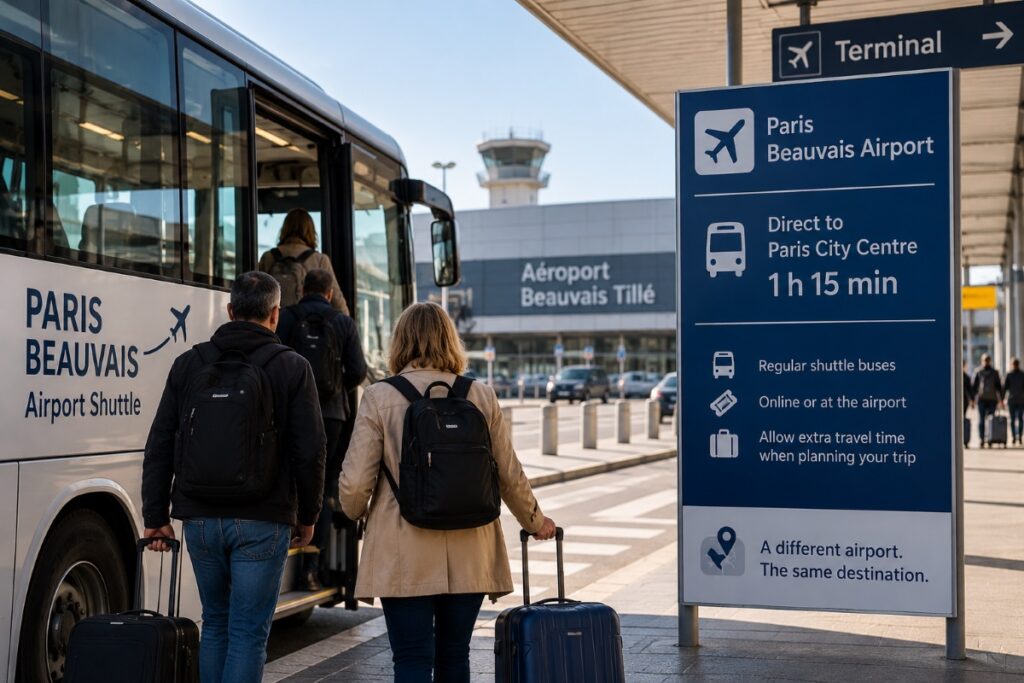
The biggest “catch” is location. Some secondary airports are notoriously far from the cities they claim to serve. For instance, Paris Beauvais is nearly 85 kilometers (53 miles) from the Eiffel Tower. A taxi from such a distance can cost more than the flight itself, and the bus ride can take over 90 minutes.


  1. Limited Amenities

If you enjoy high-end duty-free shopping or luxury lounges, you might find alternative airports disappointing. You are more likely to find a small newsstand and a basic cafeteria than a Gucci boutique or a Michelin-starred bistro.


  1. Fewer Flight Frequencies and Connections

Primary hubs offer “hub-and-spoke” connectivity. If you miss a flight at Heathrow, there’s likely another one in two hours. At a secondary airport, a cancelled flight might mean waiting until the next day—or even several days—if the airline only operates that route three times a week.

The Strategic Value in Times of Crisis

Beyond convenience and cost, knowing alternative airports is a critical survival skill in an increasingly volatile world. When political instability, military conflict, or extreme weather events strike, primary hubs are often the first to be paralyzed.

In regions like the Middle East, we have seen how quickly aviation landscapes can shift. When major hubs like Dubai (DXB), Doha (DOH), or Tel Aviv (TLV) face disruptions due to regional conflicts or airspace closures, the entire global “crossroads” can stall. In such cases, knowing the regional alternatives in neighboring countries is vital.

For instance, during periods of heightened tension or airport closures in the Levant, airports like Amman (AMM) in Jordan, Larnaca (LCA) or Paphos (PFO) in Cyprus, or even Cairo (CAI) in Egypt become essential safety valves. Travelers who are aware of these “Plan B” gateways can often reroute themselves via land borders or short-haul ferries to reach a functioning airfield while thousands of others remain stranded at a shut-down major terminal.

Furthermore, extreme weather—such as the massive sandstorms or flash floods occasionally seen in the Gulf—can ground all flights at a single city’s mega-hub. Having the flexibility to fly into a nearby regional airport in Saudi Arabia (like Dammam) and completing the journey by road can be the difference between reaching home and spending three days on a terminal floor.

Final Thoughts

Using secondary airports is a strategic choice. They are the perfect tool for the flexible traveler, the budget-seeker, and those looking to maintain mobility during geopolitical or environmental “havaria” situations. While they require more research regarding ground transportation and cross-border logistics, the rewards—lower costs, shorter lines, and a vital “escape hatch” in times of crisis—often outweigh the extra miles on the road. Next time you book a trip, don’t just type in the city name; look for the “hidden” airports nearby. Your bank account—and your safety—might just thank you.

Related posts

Land of Fjords

Norway offers a breathtaking escape into nature, from majestic fjords and dramatic mountains to the enchanting Northern Lights. It’s a paradise for hikers and photographers seeking serenity. Beyond the scenery, you’ll experience high-quality living, safe cities, and a unique culture that perfectly balances modern innovation with ancient Viking history.

Read More »

From Kigumi to Modern Design

Explore the timeless art of Japanese woodworking, from the nail-free precision of kigumi to the intricate patterns of yosegi-zaiku. This guide features three premier workshops—Suikoushya, Hakone, and Takumi Woodwork—where enthusiasts can master traditional hand tools and connect with the spiritual philosophy of Monozukuri through immersive, hands-on craft experiences.

Read More »

High Mountains, Black Sea Beaches

Bulgaria is a captivating blend of ancient history and diverse landscapes. From Sofia’s vibrant streets to the sun-soaked Black Sea coast and rugged Balkan peaks, it offers an authentic European experience. With affordable public transport and rich traditions, it’s a hidden gem perfect for travelers seeking both adventure and value.

Read More »

Unlocking the Red Bull Ring Spielberg

A visit to the Red Bull Ring in Spielberg offers a breathtaking mix of high-speed motorsport and Alpine scenery. Beyond the F1 Grand Prix, fans can enjoy behind-the-scenes tours, driving experiences in supercars, and modern facilities. It is a premier destination for adrenaline seekers and families exploring Styria’s racing heritage.

Read More »

The Beating Heart of Gotham

Grand Central Terminal is a world-famous landmark in Midtown Manhattan. Beyond its role as a transportation hub, it features a breathtaking celestial ceiling and the iconic Whisper Gallery. This architectural masterpiece serves as a bustling cultural center, welcoming millions of visitors who admire its historic charm and grand Beaux-Arts design.

Read More »

The Shift from Budget to Quality

Comfortable travel requires recognizing that your personal well-being is the most crucial piece of equipment. If you are stressed or exhausted, even the most beautiful destinations cannot be fully appreciated. Prioritizing comfort over cost is a strategic decision to protect your experience, ensuring that journeys remain meaningful, vibrant, and enjoyable.

Read More »
Scroll to Top