
Blue and yellow Boca Juniors mural featuring Diego Maradona inside the club museum

The La Bombonera Stadium Tour


The Chocolate Box That Trembles: The La Bombonera Stadium Tour

In the colourful La Boca neighbourhood of Buenos Aires stands one of the world’s most recognisable football stadiums: Estadio Alberto J. Armando, better known as La Bombonera — “The Chocolate Box”. Home to Boca Juniors, the stadium is famous for its unusually steep stands, intense atmosphere and close connection to Argentine football culture.

You don’t have to be a Boca Juniors supporter to find La Bombonera interesting. The stadium tour offers a glimpse into the history of the club, the passion surrounding Argentine football and the extraordinary relationship between this stadium and the neighbourhood around it.

The Tour Experience: Museo de la Pasión Boquense

The tour introduces visitors to the history of Boca Juniors and the distinctive blue-and-gold culture surrounding the club. Allow around 60 to 90 minutes for the museum and stadium experience, depending on the tour option available.

Even if you are not a devoted football fan, the museum helps explain why Boca Juniors and La Bombonera play such an important role in the identity of the La Boca neighbourhood and in Argentine football culture.


Key highlights include:

  • The 360-degree Cinema: An audiovisual introduction to Boca Juniors and the atmosphere surrounding match days at La Bombonera.
  • The Museum Collection: Trophies, historic photographs, shirts and memorabilia trace the club’s history and some of its most memorable moments.
  • Inside the Stadium: Depending on the tour available, visitors can see parts of La Bombonera from inside and get a much better sense of its unusual, compact design and famously steep stands.
  • Maradona’s Legacy: Displays recall Diego Maradona’s connection with Boca Juniors and his lasting place in the club’s history.

Costs and Booking

La Bombonera can be visited through the Museo de la Pasión Boquense, with different options depending on the access available at the time. The museum itself is self-guided, while stadium access may be offered as part of a separate stadium tour. The museum is currently open daily from 10:00 to 18:00, with the ticket office closing at 17:30. Opening hours and stadium access can change on match days or for special events, so it is worth checking the latest information before travelling to La Boca.

Ticket prices can change, particularly in Argentina, so rather than relying on prices quoted in older travel guides, we recommend checking the current options when planning your visit.

Our tip: If seeing the inside of La Bombonera is important to you, check specifically that your chosen ticket includes stadium access, rather than admission to the museum only.

Recommended Time to Visit

If we were planning our own visit, we would probably choose a weekday morning. Starting at La Bombonera earlier in the day would leave plenty of time to explore the surrounding La Boca neighbourhood afterwards without turning the visit into a rushed stop between other attractions.

The stadium is close to Caminito, so the two make a natural combination. Rather than visiting La Bombonera simply to take a photograph and leave, we would allow at least half a day for this part of Buenos Aires. That gives you time for the museum and stadium experience, a walk through the colourful streets around Caminito and perhaps a relaxed lunch or coffee along the way.

If photography matters to you, daylight is another reason not to leave the area until late in the day. La Boca’s brightly painted buildings, street art and distinctive architecture are part of the experience, not just the backdrop to the stadium.

How to Get There

La Bombonera is located at Brandsen 805 in the La Boca neighbourhood, not far from Caminito. There is no subway station immediately beside the stadium, so most visitors will need to complete the journey by bus, taxi or a ride-hailing service.

For a first visit, a taxi or ride-hailing service is probably the simplest option, especially if you are travelling directly from the centre of Buenos Aires. Public buses also serve La Boca, but rather than listing individual routes that may change, we recommend checking a current journey planner on the day of your visit.

If you are also visiting Caminito, it makes sense to plan the two together rather than making separate journeys to La Boca. The distances within the main visitor area are manageable on foot, allowing the stadium to become part of a wider exploration of the neighbourhood.

Our tip: As in any large city, keep valuables secure and stay aware of your surroundings. If you are unsure about walking a particular route, especially later in the day, taking a taxi or ride-hailing service is an easy alternative.

Blue and yellow Boca Juniors mural featuring Diego Maradona inside the club museum

Fun Facts & Star Insights

  • The Story Behind the Colours: Boca Juniors’ famous blue and yellow colours are linked to one of the club’s best-known stories. According to club tradition, the founders decided to adopt the colours of the flag of the next ship to enter the port of La Boca. That ship was Swedish — giving Boca the blue and yellow combination that has since become recognised around the world.
  • A Stadium Shaped by Its Surroundings: La Bombonera’s unusual form wasn’t created simply to look dramatic. The club had to build on a relatively small urban site, which helped produce the stadium’s distinctive steep stands and compact layout. One side is noticeably different from the others, with stacked boxes rather than a conventional large stand — a feature that gives the stadium its instantly recognisable shape.
  • The Stadium That “Moves”: La Bombonera is famous for the way its stands seem to vibrate when supporters jump and celebrate together. This phenomenon inspired the well-known saying, “La Bombonera doesn’t tremble, its heart beats.” Whether the sensation lives up to the legend is something we’d very much like to experience for ourselves one day.
  • Maradona and Boca Juniors: Diego Maradona’s association with Boca remains an important part of the club’s identity. He first joined Boca in 1981 and helped the team win the Argentine league title that year. He later returned to the club for the final stage of his playing career, making La Bombonera an important place in the story of one of Argentina’s most celebrated footballers.

Why La Bombonera Is on Our List

La Bombonera is one of those places we would like to experience not simply because it is famous, but because it seems impossible to separate the stadium from the neighbourhood and the culture around it. We haven’t visited yet, so we can’t tell you what it feels like to walk into the stands or whether the famous atmosphere lives up to its reputation. That’s something we hope to discover for ourselves one day.

What makes the stadium particularly interesting to us is that a visit isn’t only about football. La Bombonera tells part of the story of Buenos Aires, of La Boca and of the extraordinary place football occupies in Argentine life. Even without attending a match, the museum and stadium tour seem to offer a way of understanding why Boca Juniors means so much to its supporters.

We also like destinations where the attraction doesn’t end at the exit. A visit to La Bombonera can be combined with time exploring the colourful streets of La Boca, making the stadium part of a wider Buenos Aires experience rather than an isolated stop on an itinerary.

Would we include it in our own trip to Buenos Aires? Absolutely. And when we finally make it there, we’ll come back to this article and tell you how the real experience compared with our expectations.

Related posts

Blue and yellow Boca Juniors mural featuring Diego Maradona inside the club museum

The La Bombonera Stadium Tour

Discover one of South America’s most distinctive football stadiums in the heart of Buenos Aires. A visit to La Bombonera introduces you to Boca Juniors, the club’s history and the intense football culture of the La Boca neighborhood. The stadium’s steep stands and compact design make it an experience unlike almost any other ground.

Read More »
névtelen terv (1)

Argentina: The Latin Powerhouse

Argentina is a land of dramatic contrasts, stretching from the bustling tango halls of Buenos Aires to the thundering Iguazu Falls. Travelers can explore the rugged peaks of Patagonia, tour the high-altitude vineyards of Mendoza, or visit the “End of the World” in Ushuaia for an unforgettable South American adventure.

Read More »

The La Bombonera Stadium Tour Read More »
Old Trafford and the Red Devils

Manchester United Stadium Tour – Old Trafford and the Red Devils Museum Experience

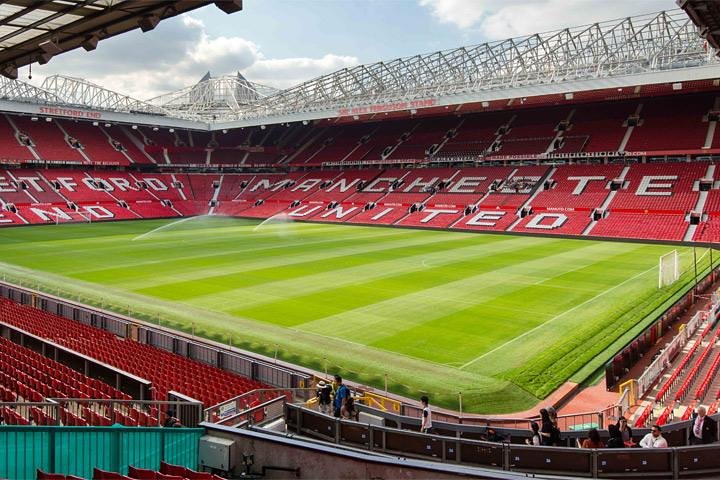
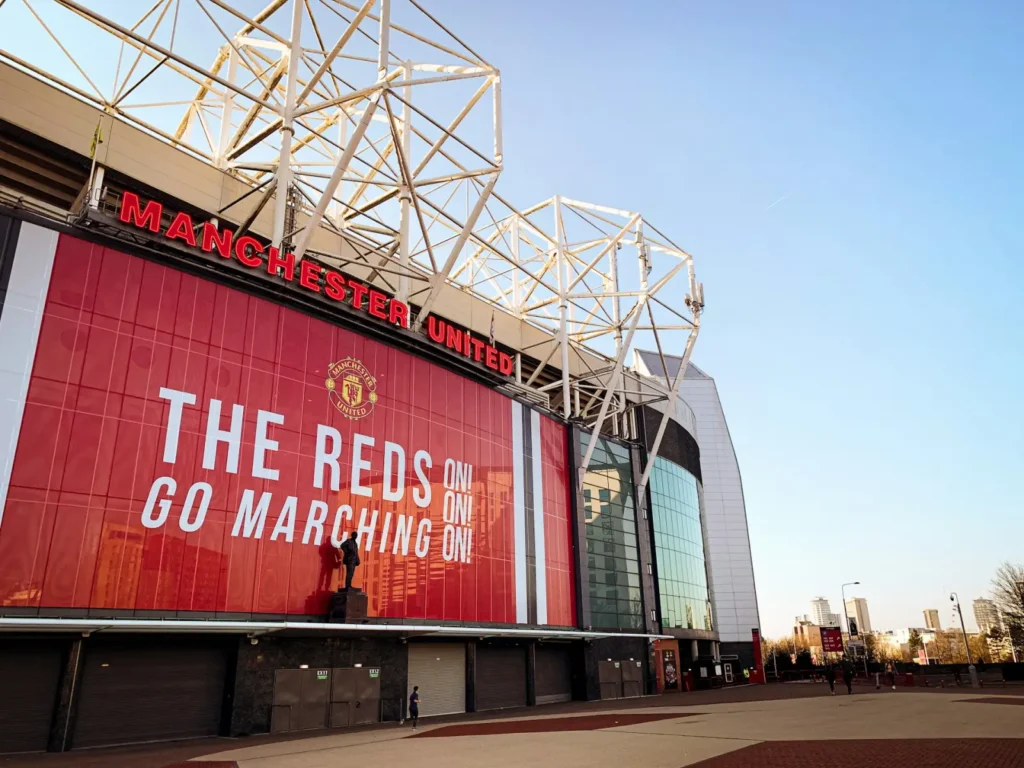
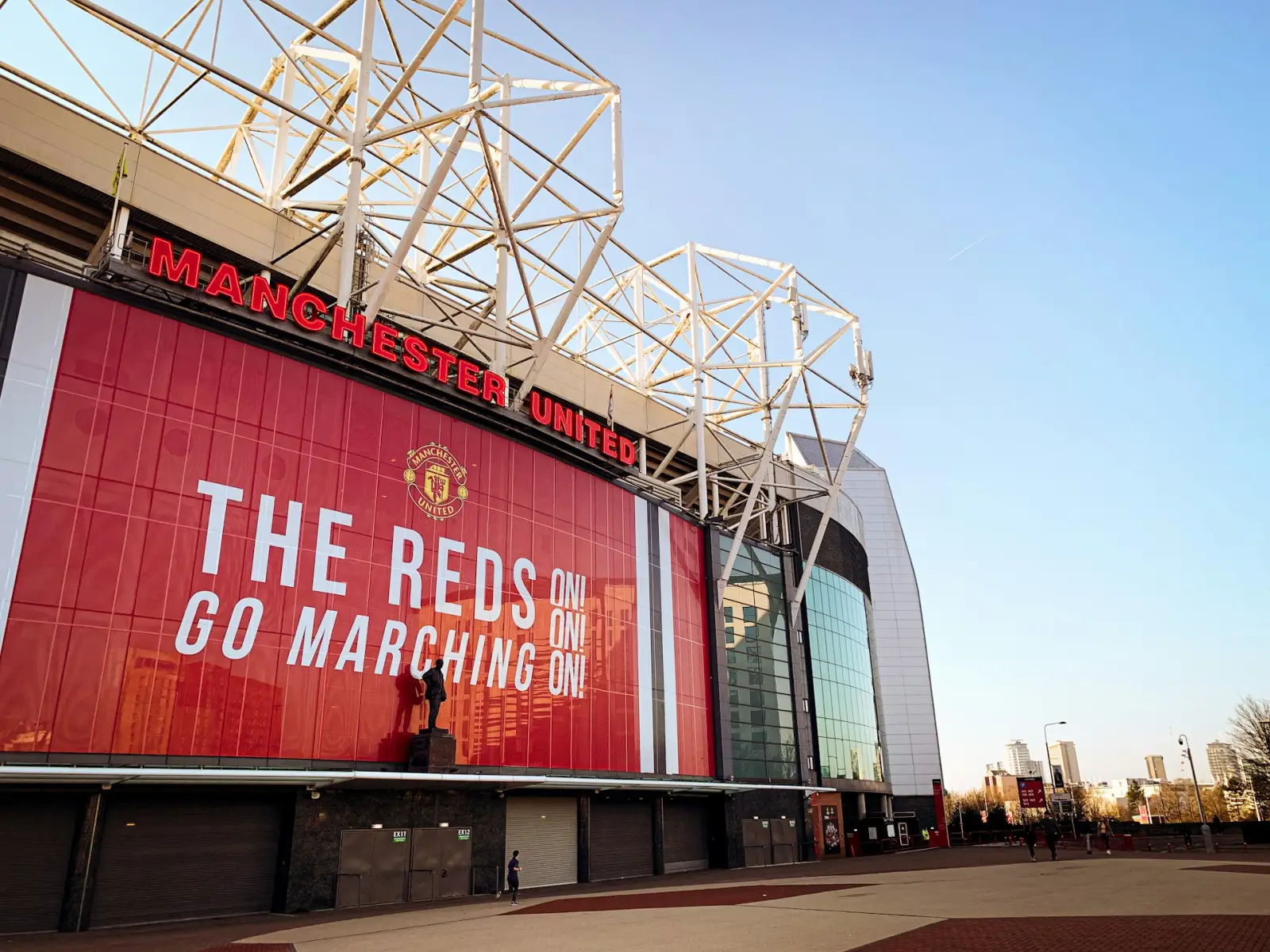
The Manchester United Stadium Tour at Old Trafford is one of the most popular football tourism experiences in the world. Known as the “Theatre of Dreams,” Old Trafford is more than just a stadium – it is a global football landmark. Located in Greater Manchester, this tour attracts fans and travelers from every continent, offering a behind-the-scenes look at one of the most successful football clubs in history.

Opened in 1910, Old Trafford has been the home of Manchester United for over a century and has a seating capacity of approximately 74,000, making it the largest club football stadium in England. The stadium has hosted countless iconic matches, legendary players, and historic moments in domestic and international football.

The Tour Experience: Behind the Scenes

During the Manchester United Stadium Tour, visitors gain exclusive access to areas usually reserved for players and officials, including:

  • the players’ tunnel
  • the home dressing room
  • the pitch-side dugout
  • the press conference room
  • the managers’ bench
  • panoramic views from the stands

Tours are typically guided by expert staff who share fascinating stories about legendary figures such as Sir Alex Ferguson, George Best, Bobby Charlton, and Cristiano Ronaldo.

Manchester United Museum – Football History at Its Best

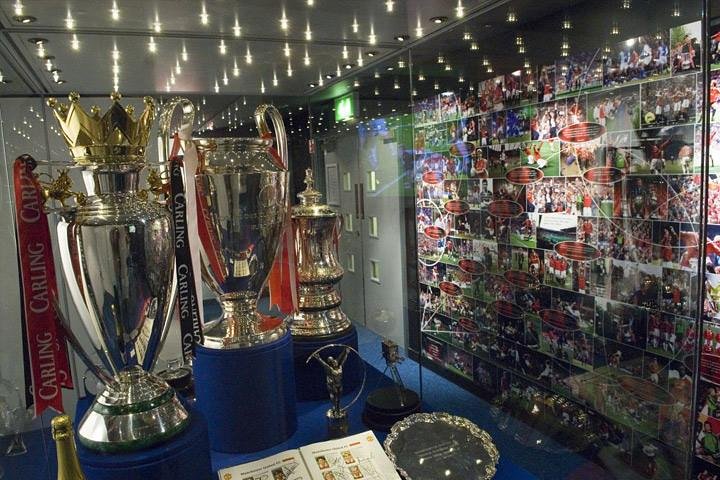
The Manchester United Museum is a major highlight of the visit and is included with most stadium tour tickets. Widely regarded as one of the best football museums in the world, it showcases the club’s extraordinary history and global influence.

Key exhibits include:

  • Premier League, FA Cup, and European trophies
  • memorabilia from the 1968, 1999, and 2008 Champions League triumphs
  • historic shirts worn by club legends
  • interactive displays and immersive multimedia zones
  • tributes to the Busby Babes and the Munich Air Disaster

The museum provides emotional depth and historical context, making it engaging even for visitors who are not die-hard Manchester United supporters.

Extra Attractions Around Old Trafford

Outside the stadium, visitors can explore the Sir Alex Ferguson Stand, the Holy Trinity statue (Best, Law, Charlton), and the Sir Matt Busby statue, all of which are popular photo spots. The surrounding area has been developed into a modern sports and entertainment district.

The official Manchester United Megastore is located next to the stadium and is one of the largest football club shops in the world, offering exclusive merchandise and souvenirs.


Practical Information for Visitors
The Old Trafford Tour & Museum is open daily throughout 2026, though it closes on home matchdays and sometimes the day before European games.
  • Sunday – Thursday: 09:30 – 16:00
  • Friday – Saturday: 09:30 – 17:00
Tours typically last around 70–80 minutes, but you should allow an extra hour to explore the three-story museum.
 
Ticket Prices
It is highly recommended to book online as walk-up prices are higher.
  • Adults: £28.00
  • Concessions (Seniors/Students): £15.00
  • Junior (Under 16): £15.00
  • Official Members: Can receive up to a 50% discount.
Getting There
Located in Stretford, the stadium is easily accessible via Manchester’s public transport:
  • Metrolink (Tram): The most popular route. Take the Altrincham line to the Old Trafford stop or the Trafford Park line to the Wharfside stop, which is just a short walk from the Sir Alex Ferguson Stand.
  • Bus: Multiple Bee Network services run from Piccadilly Gardens directly to the stadium area.
  • Car: For non-matchdays, visitors should use Car Park E2 off Wharfside Way, where parking is typically free.

Nearby attractions include the Imperial War Museum North and MediaCityUK, making it easy to combine the stadium tour with other sightseeing activities in Manchester.

Why Visit the Manchester United Stadium Tour?

The Manchester United Stadium Tour and Museum offer a world-class sports tourism experience. Old Trafford combines history, atmosphere, and global football culture in a way few stadiums can match.

For football fans, it is a once-in-a-lifetime opportunity to walk through the same tunnel as legends. For travelers, it is one of Manchester’s top attractions and an essential stop on any UK itinerary.

If you want to experience the heart of English football and explore one of the most iconic stadiums in the world, the Manchester United Stadium Tour at Old Trafford is an unforgettable experience.

Related posts

The Accessible UK

Traveling by wheelchair in the UK is highly manageable with preparation. Equality laws ensure public buildings, modern hotels, and museums offer ramp or elevator access. London’s iconic black cabs feature built-in ramps, and most urban buses are fully accessible. National rail services provide dedicated boarding assistance if booked in advance.

Read More »

Old Trafford and the Red Devils

Explore Old Trafford, the historic home of Manchester United and one of the best-known football stadiums in the world. The stadium tour takes visitors behind the scenes, with stops that may include the players’ tunnel, dressing rooms and pitchside areas. The club museum adds more than a century of Manchester United history to the experience.

Read More »

A Legacy on Screen and Stone

By weaving together these diverse locations, the creators of House of Guinness have crafted a world that feels both authentic and larger than life. While the Guinness name will forever be synonymous with Dublin, this production serves as a tribute to the shared Victorian heritage of the British Isles.

Read More »

Old Trafford and the Red Devils Read More »

The Heart of the Werkself

Discover the Heart of the Werkself: A Guide to the BayArena Stadium Tour

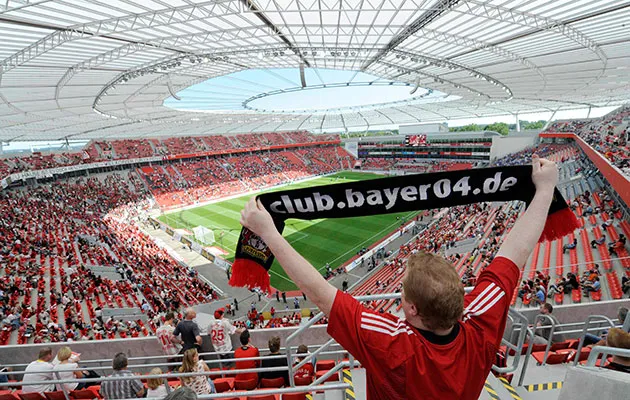
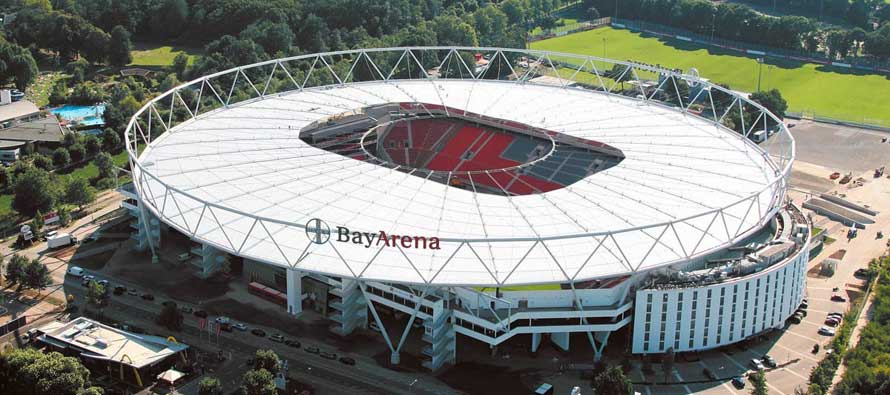
For football enthusiasts and architecture lovers alike, a visit to Leverkusen remains incomplete without stepping into the BayArena. As the home of Bayer 04 Leverkusen, this stadium is not just a sports venue; it is a symbol of a club deeply rooted in industrial history and modern excellence. Whether you are a die-hard fan of the “Werkself” or a curious traveler, the guided stadium tour offers an intimate look at one of Germany’s most modern and atmospheric football grounds.

The Architecture: A Circular Masterpiece

The first thing you notice about the BayArena is its striking design. Reconstructed in 2009, the stadium is famous for its unique circular roof, which spans 217 meters in diameter. This translucent structure ensures that the pitch receives maximum sunlight while keeping spectators dry. The compact design creates an “arena” feeling where every seat offers a fantastic view, making it one of the most intimate stadiums in the Bundesliga.

The Tour Experience: Behind the Scenes
The BayArena Tour is a multi-sensory journey that takes you far beyond the spectator stands. During the roughly 90-minute walk, you will explore areas usually strictly off-limits to the public:
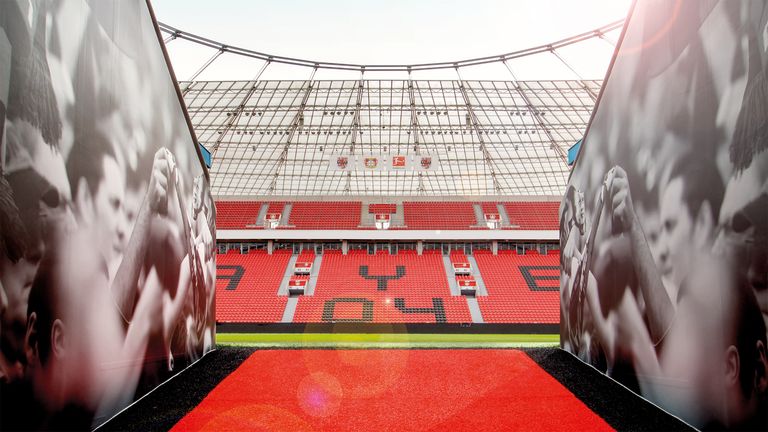
  1. The Mixed Zone & Players’ Tunnel: Feel the adrenaline as you walk through the tunnel where stars like Florian Wirtz and Granit Xhaka prepare for battle. The sound of your footsteps echoing in the tunnel is a highlight for many.
  2. The Dressing Rooms: See where the tactics are discussed. The tour often includes a visit to the home dressing room, offering a glimpse into the professional environment of a top-tier European club.
  3. The Pitch-Side Experience: You will get to stand right at the edge of the hallowed turf. Sitting on the original Recaro coaching benches gives you the exact perspective of the manager during a high-stakes match.
  4. Press Conference Room: Step into the shoes of the media and the coaches. This is where the post-match drama unfolds and where you can snap a photo behind the official microphones.
  5. Historical Exhibits: Throughout the walk, you will encounter various displays showcasing the club’s prestigious trophies and most iconic moments from its rich history.
  6. Professional Guides: Knowledgeable experts lead the way, sharing fascinating anecdotes and insider stories that you won’t find in any record book.
Getting There: Connectivity at its Best

Located in the heart of the Rhine-Ruhr metropolitan region, the BayArena is exceptionally easy to reach:

  • By Train: The stadium is a short 10-15 minute walk from the Leverkusen Mitte station. This station is well-connected via the S-Bahn (S6) and Regional Express trains (RE1, RE5) from both Cologne and Düsseldorf.
  • By Car: If you are driving via the A1 or A3 motorways, look for the “Leverkusen-Zentrum” exit. While parking is limited on match days, during tour days, you can usually find spots at the nearby “P-Bus” parking area or under the Stelzenautobahn (the elevated motorway).
  • Pro Tip: If you have a match ticket or a confirmed tour booking, public transport within the VRR/VRS network is often included or highly subsidized.
Ticketing and Practical Information

Bayer Leverkusen offers various tour formats to suit different schedules. As of 2026, the pricing is structured as follows:


  • Public Tours: These are the standard guided walks. Prices are approximately €15 for adults, with discounts for club members, students, and seniors (€13). Children and teenagers can enter for €6 to €10.
  • Matchday Tours: For those who want to feel the pre-game tension, these tours run on the day of a home game. They cost slightly more (around €18 for adults) but offer a unique “calm before the storm” atmosphere.
  • Language: While the majority of tours are in German, the club offers dedicated English-language tours on specific dates (check the official Bayer 04 ticket shop for the “EN” tag).

Related posts

From Fairytale Castles to Modern Marvels

Germany offers a perfect mix of historic charm and modern efficiency. You can explore fairytale castles, world-class museums, and vibrant beer gardens while enjoying a highly reliable transport system. Whether you seek the scenic beauty of the Bavarian Alps or the creative energy of Berlin, Germany delivers a truly diverse European experience.

Read More »

The Heart of the Werkself

Discover the BayArena, home of Bayer Leverkusen and one of Germany’s most modern football stadiums. A stadium tour offers a closer look at the club’s distinctive history, its connection to the city of Leverkusen, and the facilities behind the matchday experience. Its compact design makes the BayArena feel very different from Europe’s huge football arenas.

Read More »

Beyond the Spires

Discover the architectural wonders of the Rhineland! From the awe-inspiring Cologne Cathedral, a Gothic masterpiece dominating the skyline, to the nearby Rococo elegance of Augustusburg and Falkenlust Palaces, this region offers a journey through history. Explore these UNESCO World Heritage sites and witness centuries of artistic brilliance firsthand.

Read More »

The Heart of the Werkself Read More »

Exterior of Wembley Stadium with its iconic arch

The Arch of Dreams

The Arch of Dreams & English Football's Holy Ground: The Wembley Stadium Tour

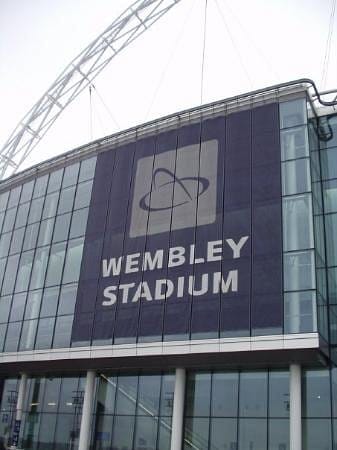
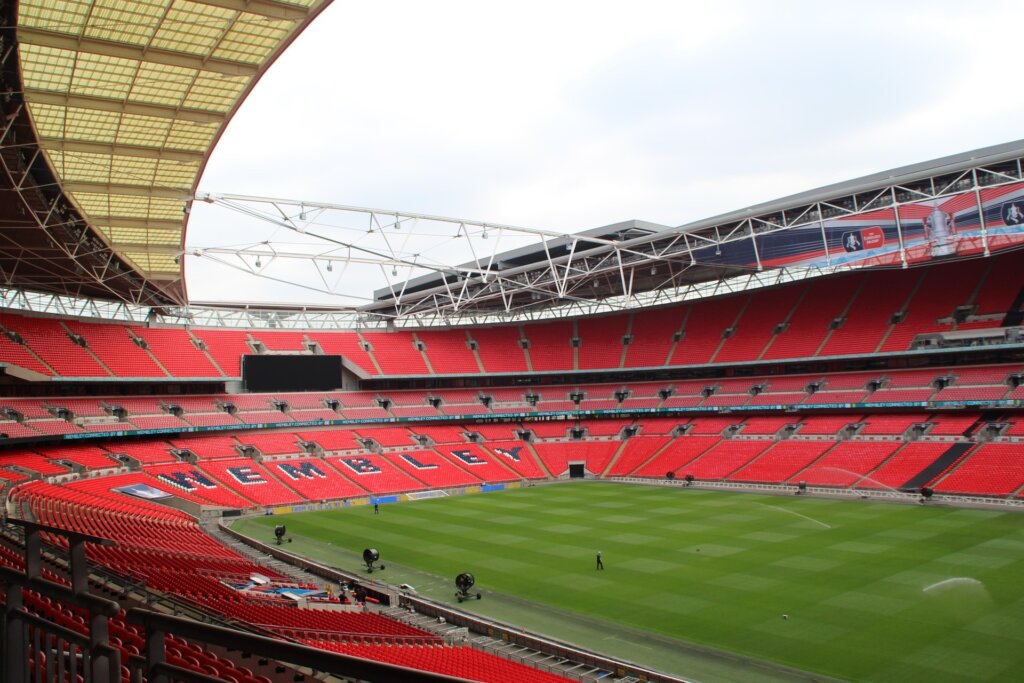
There are stadiums, and then there is Wembley. Known globally as “The Home of Football,” this iconic London landmark is a place of pilgrimage for fans worldwide. The original stadium, known as the Empire Stadium, was built for the British Empire Exhibition and opened in 1923. It became globally recognized by its iconic Twin Towers. Its legacy began with the famous “White Horse Final”—the 1923 FA Cup Final—where an estimated 200,000 fans squeezed into the stands. Over the decades, it became the “Mecca of Football,” hosting the 1948 Olympics, the 1966 World Cup Final (England’s greatest victory), and numerous European Cup finals. The legendary structure was closed in 2000 and demolished in 2003. The “New Wembley” opened its doors in 2007. Designed by Foster + Partners, the Twin Towers were replaced by a spectacular 133-meter-tall steel arch, which supports the weight of the retractable roof and has become a landmark of the London skyline. With 90,000 seats, it remains the largest stadium in the UK. Since its reopening, it has continued its historic tradition by hosting the UEFA Champions League Finals, the 2012 Olympics, and the UEFA Euro 2020 Final. It stands today as a ultra-modern monument to sporting history. A tour of Wembley Stadium is a journey into the heart of English football history and a chance to experience the magic of one of the world’s most modern and revered stadiums.
The highlights of the tour include:
  • The Royal Box & Trophy Presentation Area: Ascend the famous 107 steps and get a photo with a replica of the FA Cup, experiencing the ultimate moment of victory.
  • The Press Conference Room: Sit in the manager’s chair where world-class coaches like Gareth Southgate and Pep Guardiola address the media.
  • The England Changing Rooms: Step inside the changing rooms, see the three lions badge, and imagine where your favorite England players prepare for a major international match.
  • The Players’ Tunnel: This is the iconic moment—walking down the legendary tunnel, hearing the crowd roar from the sound system, and emerging onto the hallowed turf.
  • Exhibition of Champions: Explore the rich history of the stadium and see memorabilia from major historical events.
Costs and Booking

Booking tickets in advance via the official Wembley Stadium website or authorized partners like Ticketmaster is essential, as tours often sell out.

  • Adults: Approximately £25–£30 (pounds sterling).
  • Children (Ages 5-15): Around £16–£20.
  • Seniors/Students: Discounted rates available (around £20-£24).
  • Infants (Under 5): Free admission.
  • VIP/Legends Tours: Special, more expensive packages offering enhanced access or guided by former players are often available.
Recommended Time to Visit

The museum and tours run seven days a week, with time slots generally available every hour from 10:00 AM to 4:00 PM.

  • Best Time: The stadium is a working venue, so a non-event day tour ensures you get full access to all areas. Check the stadium’s event calendar to avoid potential closures or restrictions related to football matches, concerts, or NFL games.
  • Timing: Arrive 15 minutes before your scheduled slot. The mid-morning tours tend to be busy, so booking a slightly later afternoon slot might offer a more relaxed pace.
  • Booking: Tours operate year-round, except on Christmas Day and specific event days.
How to Get There

Wembley Stadium is very well-connected to Central London via public transport. The address is Wembley Stadium, London HA9 0WS.

  • By London Underground: The most recommended way.
    • Wembley Park Station: (Jubilee and Metropolitan lines) is about a 10-minute walk. This is the primary station.
    • Wembley Central Station: (Bakerloo line and National Rail) is slightly further, about a 15-minute walk.
  • By Train: Wembley Stadium station is just one stop from London Marylebone on Chiltern Railways, with a 5-minute walk to the entrance.
  • By Bus: Numerous bus routes serve the stadium and Wembley Park area (83, 182, 224, etc.).
  • By Car: Parking is available via the official Wembley Official Parking (book in advance), but public transport is strongly advised due to event day congestion and limited space.

Fun Facts (To impress your friends)

  • The 107 Steps: The walk up to the Royal Box to lift the trophy is exactly 107 steps. The architect designed it that way so that the trophy presentation area is visible from every single seat in the stadium.
  • A Cauldron of Noise: The new Wembley was specifically designed to funnel crowd noise back onto the pitch, creating an intimidating atmosphere for visiting teams.
The Wembley Stadium Tour remains a premier bucket-list experience for sports fans in 2026. Beyond its massive scale, the tour successfully connects visitors to the deep roots of British football history. Highlights include the rare opportunity to sit in the Royal Box, walk through the players’ tunnel, and explore the dressing rooms where legends have prepared for historic matches.
 
Verdict: 
Whether you are a die-hard football fan or an architecture enthusiast, the tour offers excellent value. It provides a unique perspective on the Wembley Arch and the sheer magnitude of hosting the world’s biggest events. It is a world-class tour that truly captures the “magic of Wembley.”

Related posts

The Accessible UK

Traveling by wheelchair in the UK is highly manageable with preparation. Equality laws ensure public buildings, modern hotels, and museums offer ramp or elevator access. London’s iconic black cabs feature built-in ramps, and most urban buses are fully accessible. National rail services provide dedicated boarding assistance if booked in advance.

Read More »

Old Trafford and the Red Devils

Explore Old Trafford, the historic home of Manchester United and one of the best-known football stadiums in the world. The stadium tour takes visitors behind the scenes, with stops that may include the players’ tunnel, dressing rooms and pitchside areas. The club museum adds more than a century of Manchester United history to the experience.

Read More »

A Legacy on Screen and Stone

By weaving together these diverse locations, the creators of House of Guinness have crafted a world that feels both authentic and larger than life. While the Guinness name will forever be synonymous with Dublin, this production serves as a tribute to the shared Victorian heritage of the British Isles.

Read More »

The Arch of Dreams Read More »

Liverpool’s Legendary Stadium

"This Is Anfield" & The Hungarian Magician: Liverpool FC Stadium Tour

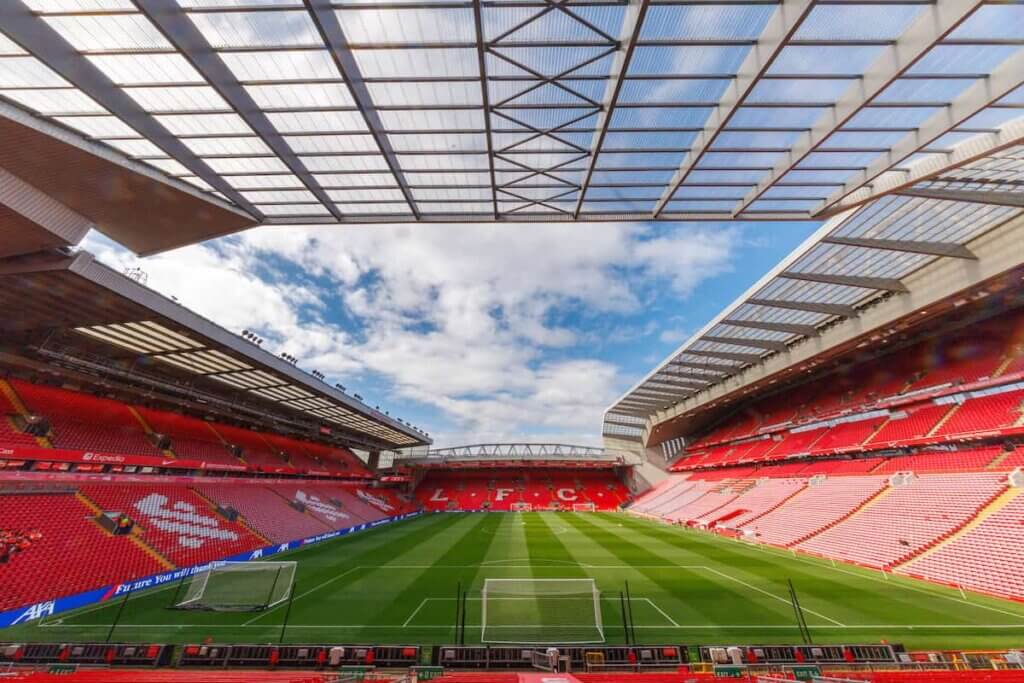
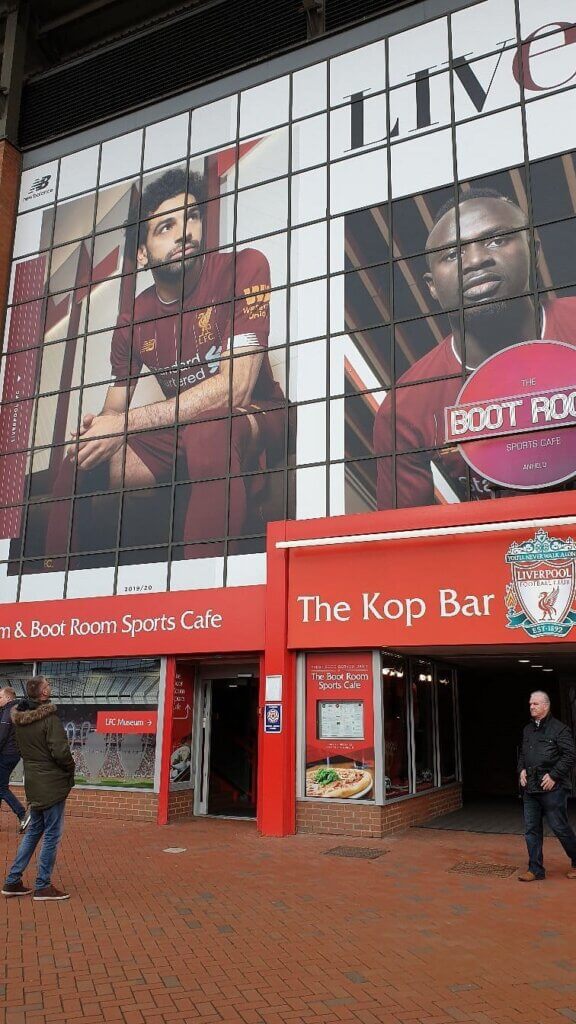
Anfield is more than a stadium; it’s a living monument to football heritage, passion, and the unwavering belief in the “Liverpool Way.” Home to Liverpool Football Club since 1892, this hallowed ground is synonymous with the anthem “You’ll Never Walk Alone” and the electric atmosphere generated by the world-famous Kop stand.
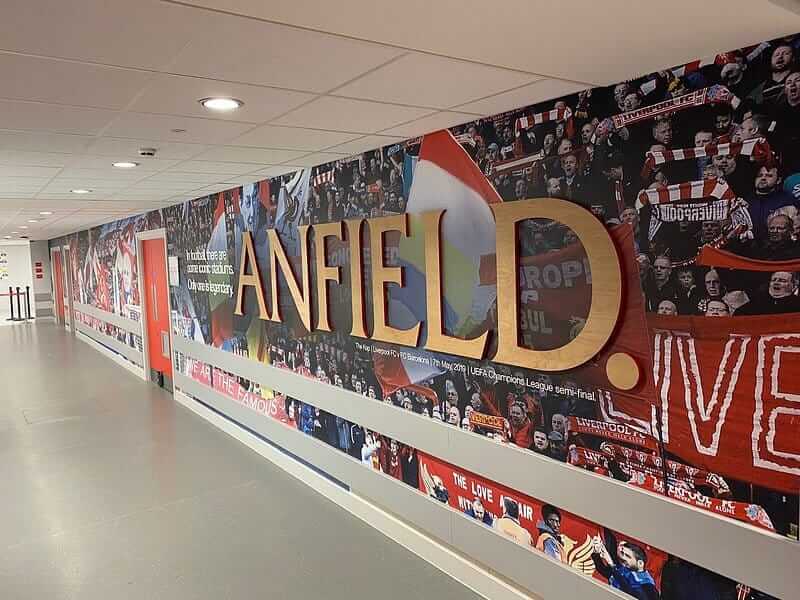
A tour of Anfield is an emotional journey for any football fan, offering a glimpse into one of the most successful and storied clubs in global football history. Visiting the home dressing room, walking the hallowed Players’ Tunnel, and touching the iconic “This Is Anfield” sign connects supporters to legendary players who have graced the pitch.
In recent times, Hungarian sensation Dominik Szoboszlai has infused new energy into this historic arena. Since his arrival from RB Leipzig, Szoboszlai has quickly become a fan favorite, captivating the Anfield crowd with his technical prowess, dynamic midfield play, and spectacular long-range goals. His seamless integration into the team symbolizes the club’s ongoing blend of rich tradition and modern footballing brilliance, ensuring the spirit of Anfield continues to thrive with a new generation of talent.
The Tour Experience: 

The award-winning Anfield Stadium Tour and Museum experience is a multimedia, immersive journey. You can choose a standard self-guided tour or a fully guided option, which typically lasts around 90 minutes.

Highlights of the tour include:

  • The World-Famous Kop: Stand on the iconic terrace that has housed generations of devoted fans and hear the stories behind its legendary atmosphere.
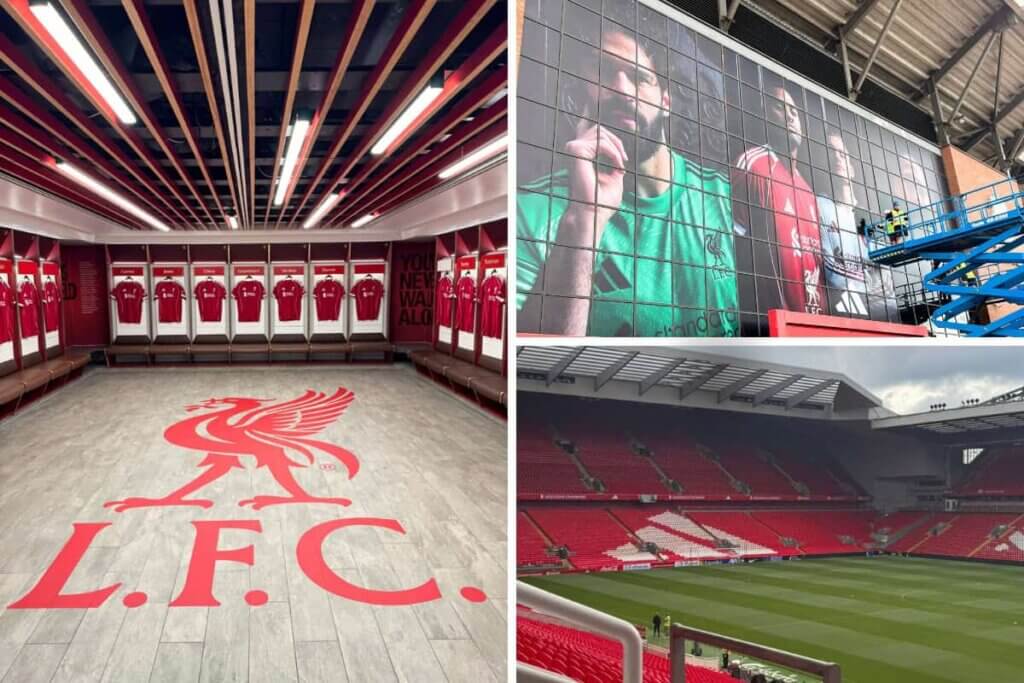
  • The Home Team Dressing Room: See the jerseys of current stars like Virgil van Dijk, Mohamed Salah, and Dominik Szoboszlai, and observe where the team prepares for crucial matches.
  • “This Is Anfield” Sign: The iconic moment every visitor waits for—touching the famous sign above the tunnel before walking down to the pitch.
  • The Press Room: Sit at the desk where legendary managers, from Bill Shankly to Jürgen Klopp, have addressed the media.
  • The Dugout & Pitchside: Take a seat in the technical area and soak in the view of the meticulously maintained pitch.
  • The Liverpool FC Story Museum: Explore the club’s vast history, philosophy, and incredible trophy haul, including all six European Cups.
Costs and Booking

Booking online in advance is essential, as the stadium tour is a very popular attraction in Liverpool. Tickets are available via the official Liverpool FC Tours website or authorized partners like GetYourGuide.

  • Adults (Standard Tour & Museum): Approximately £23–£28 (pounds sterling).
  • Children (Under 16): Around £14–£18.
  • Infants (Under 4): Free admission.
  • Legend Tours: Premium tours guided by former Liverpool players (e.g., Ian Callaghan, Phil Neal) are also available for a higher price (around £45-£50).
Recommended Time to Visit

Tours usually operate seven days a week, typically running from 10:00 AM to 3:00 PM (last entry), though times can be extended during peak season.

  • Best Time: Visiting on a non-match day is crucial for a full experience. Check the Premier League and UEFA schedules to ensure your desired date is clear of any fixtures.
  • Timing: Mid-week morning slots tend to be quieter. Plan to spend at least two to three hours for the full museum and tour experience.
How to Get There

Anfield Stadium is located at Anfield Rd, Liverpool L4 0TH. It is about two miles (3 km) from Liverpool city center.


  • By Bus: This is the most common and efficient way. Services like the 19 from Queen Square bus station run regularly to the stadium area.
  • By Train: The nearest train station is Kirkdale, about a 25-minute walk away.
  • By Taxi/Ride-Share: Taxis are readily available from the city center and generally affordable.
  • By Car: Parking near the stadium is limited and usually requires pre-booking, particularly on match days. Public transport is highly recommended.

Fun Facts:

  • Klopp’s Influence: Legendary manager Jürgen Klopp often instructed his players not to touch the “This Is Anfield” sign until they had won a major trophy with the club.
  • The Kop’s Slope: The Kop stand is incredibly steep, designed to create a wall of noise and intimidation that pushes the home team forward. It creates a towering atmosphere that fuels every Liverpool attack.
Final Verdict:
The Anfield Stadium tour is an essential pilgrimage for any football enthusiast. It transcends a typical stadium visit; it is an emotional and immersive journey into the heart of Liverpool Football Club’s legendary history. 
The addition of the LFC Story Museum and the extensive trophy cabinet elevates the experience from mere sightseeing to a comprehensive understanding of the club’s global dominance. Whether you are a lifelong Red or simply a sports fan, the tour provides unmatched insight into one of the world’s most atmospheric and celebrated sporting cathedrals. It’s a highly recommended, memorable experience that captures the true essence of the club’s motto, “You’ll Never Walk Alone.”

Related posts

The Accessible UK

Traveling by wheelchair in the UK is highly manageable with preparation. Equality laws ensure public buildings, modern hotels, and museums offer ramp or elevator access. London’s iconic black cabs feature built-in ramps, and most urban buses are fully accessible. National rail services provide dedicated boarding assistance if booked in advance.

Read More »

Old Trafford and the Red Devils

Explore Old Trafford, the historic home of Manchester United and one of the best-known football stadiums in the world. The stadium tour takes visitors behind the scenes, with stops that may include the players’ tunnel, dressing rooms and pitchside areas. The club museum adds more than a century of Manchester United history to the experience.

Read More »

A Legacy on Screen and Stone

By weaving together these diverse locations, the creators of House of Guinness have crafted a world that feels both authentic and larger than life. While the Guinness name will forever be synonymous with Dublin, this production serves as a tribute to the shared Victorian heritage of the British Isles.

Read More »

Liverpool’s Legendary Stadium Read More »

The Ultimate Al Nassr Stadium Tour

Yellow, Blue, and a Hint of GOAT: The Ultimate Al Nassr Stadium Tour

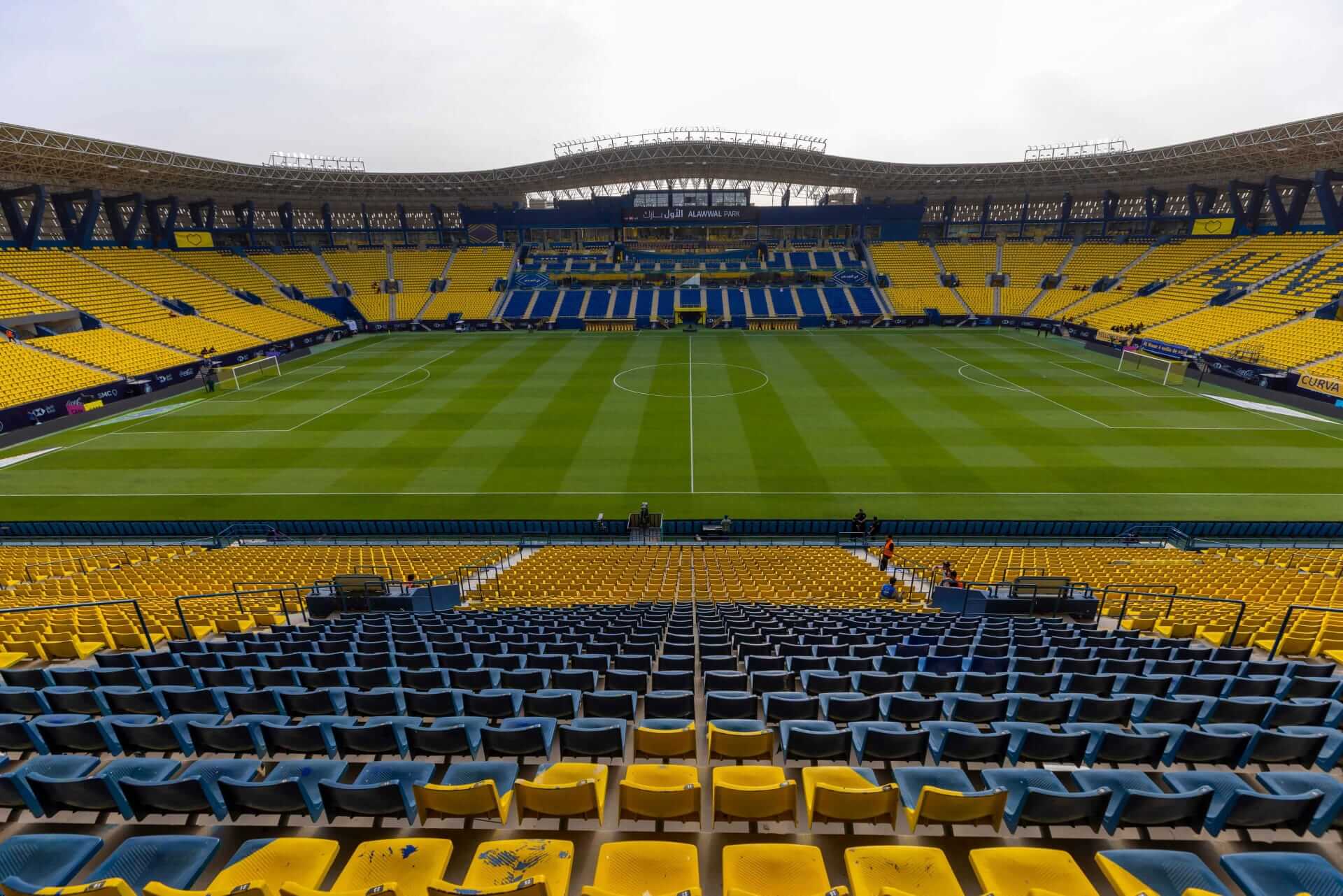
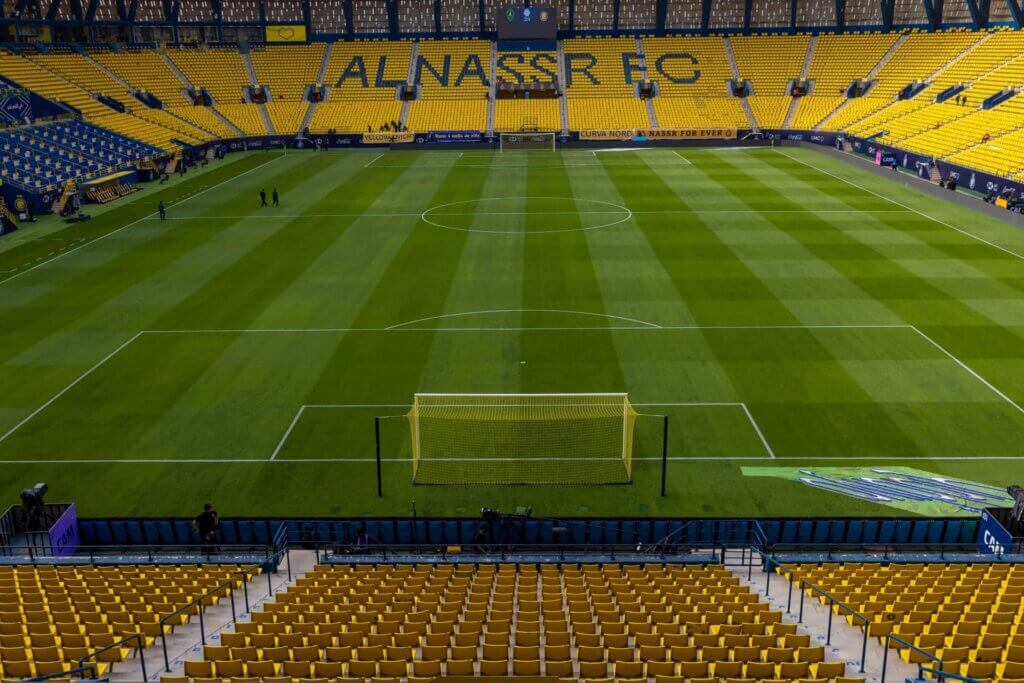
Al-Nassr Football Club plays its home matches at the modern Al-Awwal Park stadium (formerly Mrsool Park) in Riyadh, Saudi Arabia. With a current capacity of 25,000 spectators, the venue has become a global focal point since the arrival of international superstar Cristiano Ronaldo in early 2023. An interesting fact is that while he appreciates the vibrant atmosphere created by the Al Nassr fans, when previously asked about his absolute favorite stadium from his entire career, Ronaldo cited the Santiago Bernabéu in Madrid, the home of his former club Real Madrid, due to the unforgettable moments he experienced there. However, he has also mentioned that the Celtic Park in Glasgow has the best atmosphere he has ever played in. Despite these past preferences, Ronaldo has embraced his time at Alawwal Park, where he aims to “make people happy” and enjoy every moment.

The atmosphere during home games is electric, driven by passionate fans eager to watch one of football’s greatest players in action in the team’s signature yellow and blue colors. Ronaldo’s presence has significantly raised the stadium’s profile, making it a must-visit destination for football enthusiasts.

The venue is scheduled for major upgrades as it prepares to host matches for the 2027 AFC Asian Cup and has been selected as a host stadium for the 2034 FIFA World Cup. These refurbishments will expand the capacity to over 46,000 seats, cementing Al-Awwal Park’s status as a premier football arena in the Middle East.

If you find yourself in Riyadh, there is one place where the pulse of Saudi football beats the loudest: Alawwal Park. Whether you are a lifelong supporter of the “Knights of Najd” or a global football fan curious about the “Ronaldo effect,” the Al Nassr Stadium Tour is an absolute bucket-list experience. This is not just a walk around a pitch; it’s a journey into the heart of a club that is currently rewriting football history.

The Tour Experience

The tour is a sleek, 100-minute guided journey that takes you far beyond the spectator stands. You’ll begin by walking through the Players’ Tunnel, where the echoes of “Siuuu!” almost seem to linger in the air.

You will get exclusive access to:

  • The Home Dressing Room: See where the world’s biggest stars prepare for battle. (Yes, you can take a photo next to Ronaldo’s locker!)
  • The VIP & Royal Box: Experience the luxury where dignitaries watch the matches.
  • The Press Room: Sit at the head table and imagine yourself fielding tough questions from the media.
  • The Pitchside & Dugouts: Feel the pristine grass under your feet and sit in the manager’s seat to plan your next winning tactic.
  • The Al Nassr Museum: A brand-new addition where you can admire the club’s trophies and learn about its rich history since 1955.
Costs and Booking  

Since Cristiano Ronaldo joined in 2023, the stadium tour has become the most visited sports attraction in Saudi Arabia. 

To ensure your spot, you must book online via the Alawwal Park official site.


  • Adults: Approximately 80–100 SAR (roughly $22–$27 USD).
  • Children (under 12): Around 50 SAR (~$13 USD).
  • Infants: Usually free, but a ticket registration is still required.
  • VIP Packages: For a higher fee (approx. 250 SAR), you can get a “Full Access” experience with a private guide and complimentary refreshments.
When to Visit?
  • Best Time: Aim for the winter months (November to March) when the Riyadh weather is pleasant.
  • Timing: Tours usually run from 4:00 PM to 10:00 PM. I recommend the 5:30 PM slot—you get to see the stadium in the golden hour light and watch the floodlights kick in!
  • Pro Tip: Avoid match days! The tour is closed for 24 hours before and after a game. Check the Saudi Pro League schedule before booking.
How to Get There

Alawwal Park is located on the campus of King Saud University in Northwest Riyadh.

  • By Car/Uber: This is the easiest way. Just search for “Alawwal Park” on Google Maps. There is ample parking in the “General Parking” zones.
  • By Public Transport (Metro/Bus): Riyadh’s public transport network connects to the stadium area.
    • Metro: The closest Metro station is near the College of Architecture and Planning, about a 25-minute walk from the stadium.
    • Bus: Riyadh’s comprehensive bus network has routes (e.g., Route 94) that stop near Alawwal Park, offering a cost-effective way to reach the venue.

Fun Facts (To impress your friends)

  • A Global Stage: It didn’t just host Al Nassr; this stadium has hosted the Italian Super Cup and the Spanish Super Cup, featuring giants like Real Madrid and Barcelona.
  • Modern Makeover: Since 2023, the stadium has undergone a massive digital renovation, making it one of the most high-tech “boutique” stadiums in the Middle East.
Final Verdict

The Al Nassr Stadium tour is an essential pilgrimage for football fans, offering a chance to literally walk in the footsteps of the legend, Cristiano Ronaldo. For the price of a few cups of coffee, you gain exclusive access to one of the few professional stadiums in the world owned by a university (King Saud University), which Al Nassr currently leases as its home ground.

In the tour you can see the VIP areas, the press room, and the very dressing room where the global icon prepares for matches. It’s a unique, behind-the-scenes look at the epicenter of Saudi Arabian football’s new golden age. Don’t forget to wear your yellow and blue!

Related posts

The Ultimate Al Nassr Stadium Tour

Explore Al-Awwal Park in Riyadh, home of Al Nassr and one of Saudi Arabia’s best-known football venues. The stadium tour offers a behind-the-scenes look at areas such as the players’ tunnel, dressing room and press conference facilities. It also provides an interesting glimpse into the rapidly developing football culture of Saudi Arabia.

Read More »

The Ultimate Al Nassr Stadium Tour Read More »

La Scala del Calcio

"La Scala del Calcio": The San Siro Stadium Tour

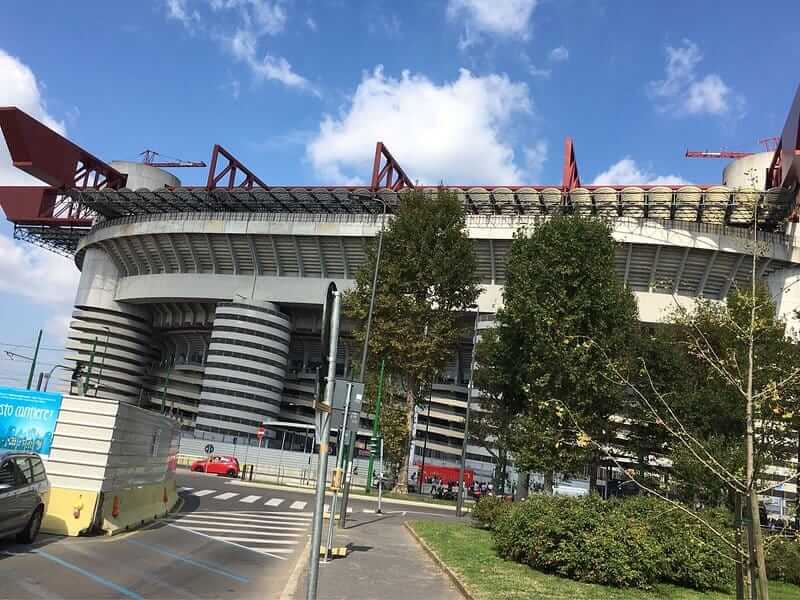
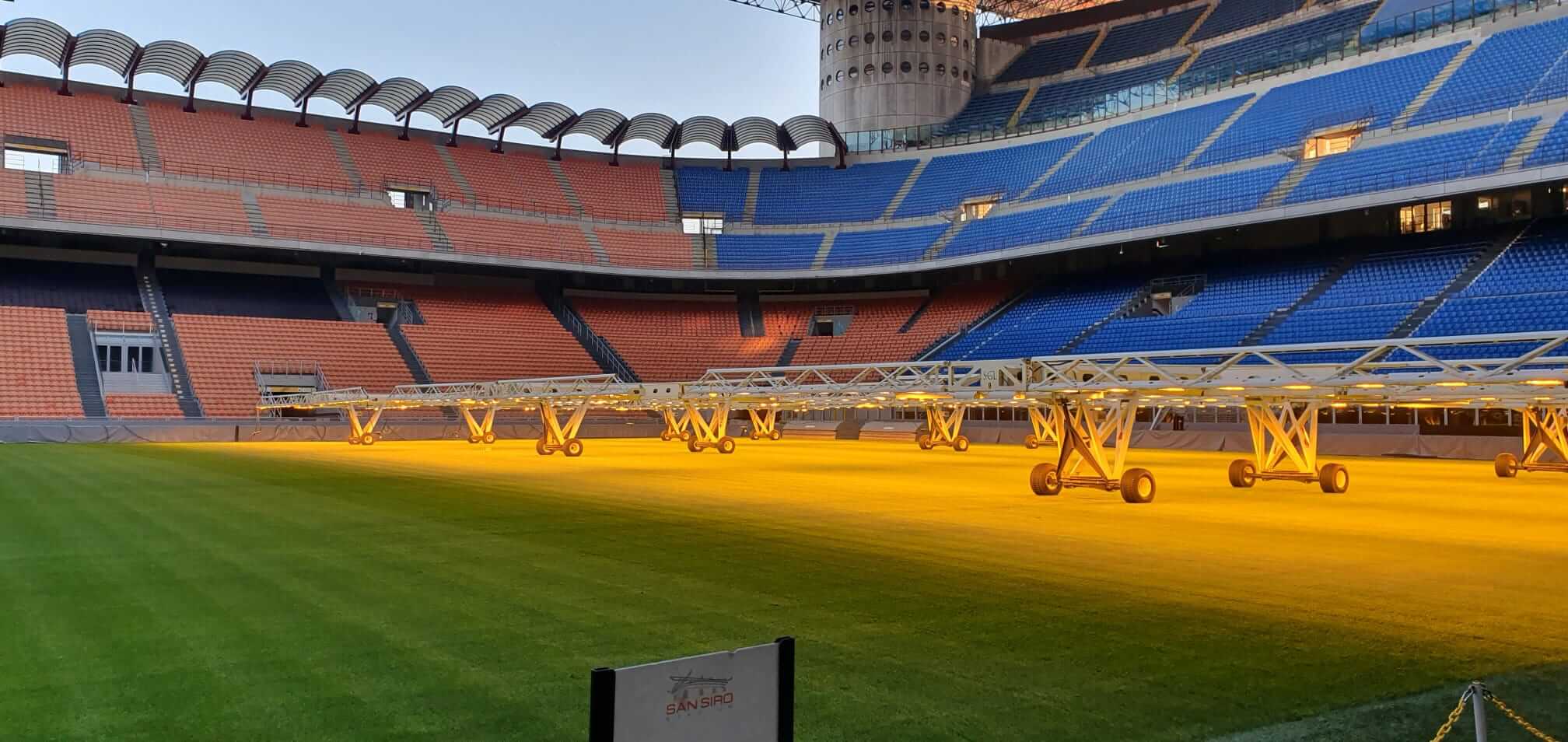
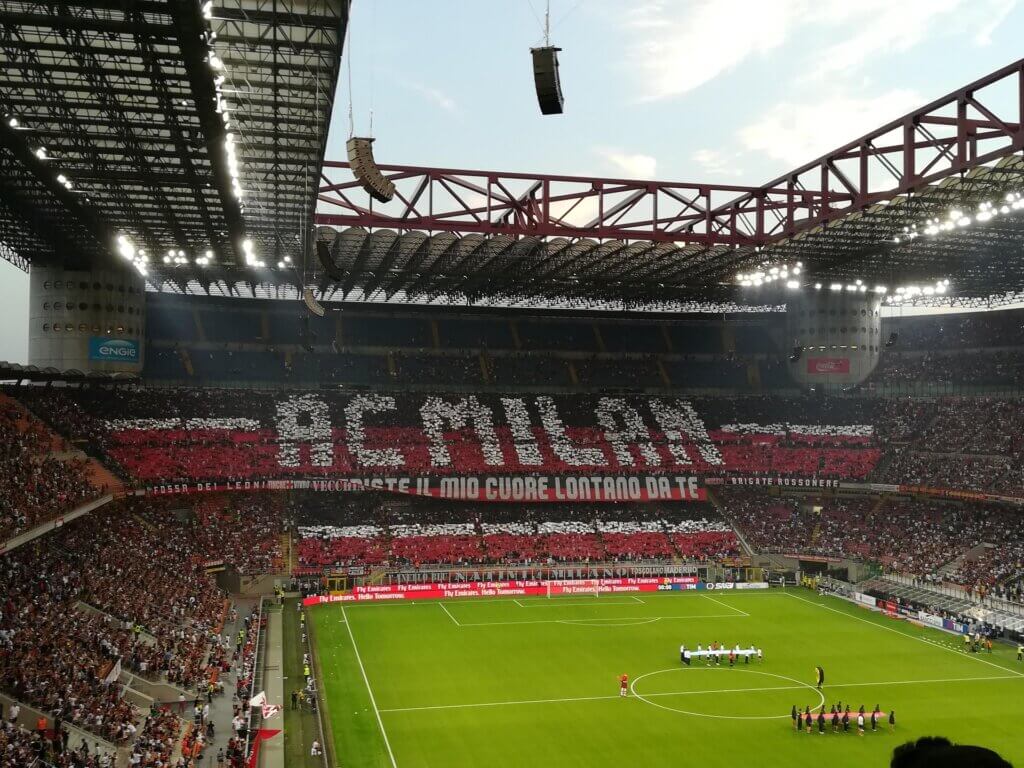
San Siro Stadium, officially known as Stadio Giuseppe Meazza, is an iconic cathedral of world football and a must-visit landmark in Milan. Since its inauguration in 1926, it has served as the shared home for two of Italy’s most successful clubs, AC Milan and Inter Milan. Renowned for its distinctive brutalist architecture and eleven massive cylindrical towers supporting the red-girdered roof, the stadium offers an electric atmosphere that is unparalleled in Europe. 

For visitors in 2026, San Siro remains a focal point as it prepares to host the Opening Ceremony of the Milano Cortina 2026 Winter Olympics. Beyond match days, the stadium offers comprehensive guided tours that provide access to the dressing rooms, the mixed zone, and the tunnel leading to the pitch. The onsite San Siro Museum is equally fascinating, showcasing a legendary collection of original jerseys, trophies, and memorabilia that tell the story of Italian football’s golden eras. 

This guide provides all the necessary details for your visit, including costs, the best time to go, how to get there, and some unique fun facts, including highlights about the legendary Zlatan Ibrahimović.

The Tour Experience: 

The tour offers behind-the-scenes access to areas usually reserved for the players. It typically takes around an hour, but you can linger longer in the museum.

The experience allows you to:

Walk the Tunnel of Champions: Follow in the footsteps of legends from both Milan clubs as you emerge onto the famous pitch.

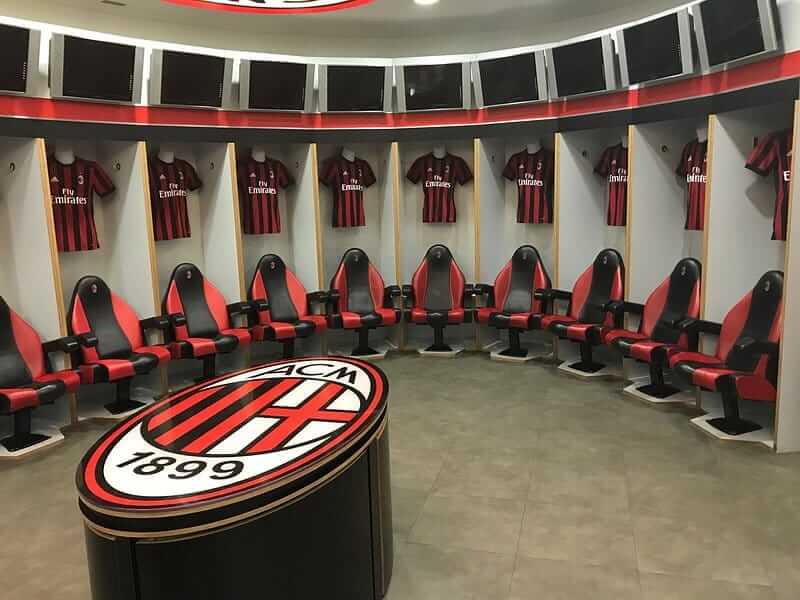
Explore the Dressing Rooms: Visit the locker rooms for both Inter and AC Milan, distinct in their design and atmosphere.

See the Press Room: Sit where managers conduct post-match interviews.

Visit the Inter & AC Milan Museum: The first museum set up inside a stadium, featuring historical jerseys, trophies, and memorabilia from both clubs.

Panoramic Views: Take in the massive scale of the stadium from the stands, which can seat over 75,000 spectators.

Costs and Booking

Booking online in advance is highly recommended to secure your spot and potentially skip the line. Tickets can be purchased through the San Siro official website.


Adults: Approximately €20–€35.

Youth (Ages 6-16): Around €12–€26.

Children (Ages 5 and under): Free admission.


Recommended Time to Visit

The museum and tour are open every day, generally from 9:30 AM to 6:00 PM (check the official San Siro Stadium calendar for specific timings).


Best Time: Visiting on a non-match day is crucial. On game days or days before Champions League events, opening times and access are heavily restricted, and the pitch may not be visible.


Timing: Tours depart regularly every 30 minutes, so your booked day is flexible.


Booking: Tours can be guided or self-guided depending on visitor numbers. Arriving earlier in the day may offer a more intimate experience.

Fun Facts (To impress your friends)

The stadium’s official name honors Giuseppe Meazza, a legendary player who played for both Inter and Milan. It is commonly called “San Siro” after the district it is in.

Zlatan’s Kingdom: Zlatan Ibrahimović has called San Siro home for both Milan clubs (Inter from 2006-2009 and AC Milan from 2010-2012, returning in 2020 until his retirement in 2023). Zlatan famously referred to the stadium as his “garden” during his time there, a testament to his dominance on the pitch. His iconic moments, including spectacular goals and the emotional farewell ceremony in 2023, are a core part of the stadium’s recent history and featured heavily in the museum exhibits.


Getting there

The stadium is located in the San Siro district of Milan. Public transport is the easiest way to reach it. The address is Piazzale Angelo Moratti, 20151 Milano MI.

By Metro: The most efficient option is to take the M5 (Purple) line and get off at the San Siro Stadio stop, which is right by the stadium entrance (Gate 8). Alternatively, the M1 (Red) line to Lotto station, followed by a walk or a switch to the M5 line, also works.

By Tram: The Line 16 tram also stops at San Siro Stadio M5.

By Bus: Bus 49 stops near the stadium.

By Car: Parking is available, but it can be busy. The stadium is about 7 kilometers from the city center, and traffic can vary.

Final Verdict

The San Siro is a living piece of football history.

San Siro holds a UEFA Category 4 rating, the highest classification, and has hosted four European Cup/Champions League finals.

With plans for its demolition moving forward, a tour of this magnificent stadium is more poignant than ever. It is an essential stop for any football fan or history buff visiting Milan.

Ready to walk the pitch of “The Scala of Football”? Book your tour today at the San Siro official site!

Related posts

The Art of Living Well

Italy is a timeless destination that rewards travellers with unforgettable experiences, rich culture, and exceptional cuisine. Whether visiting for the first time or returning again, it remains one of the most satisfying countries to explore in the world. From high-speed rail to coastal drives, every journey reveals breathtaking, historic wonders.

Read More »

The Heart of Venetian Glass Art

Murano’s 700-year glassmaking tradition is a pinnacle of European craftsmanship. More than a tourist hub, the island hosts active furnaces where masters use ancestral techniques to transform molten glass into intricate sculptures and vessels. This living heritage preserves a legacy of artistic excellence passed down through centuries of Venetian history.

Read More »

Swiss Mountain Tracks

While the Orient Express emphasizes opulence and formal elegance, the Bernina Express prioritizes natural splendor and engineering marvels. Trading fine dining for panoramic views, it offers a premier “slow travel” experience. It is perfect for adventurers valuing immersive Alpine landscapes and historic viadcuts over traditional onboard luxury.

Read More »
La Scala del Calcio Read More »
Scroll to Top