The Accessible UK

Rolling Deep in the UK: A Wheelchair User’s Guide to British Adventures

Welcome to the United Kingdom! The UK has made significant strides in accessibility, guided by strong anti-discrimination laws, ensuring that most major attractions, transport systems, and public spaces are equipped to welcome wheelchair users. While planning ahead is key, you’ll find a wealth of resources and infrastructure designed to make your journey comfortable and memorable.

Preparation is the cornerstone of an stress-free accessible holiday. Start by utilizing dedicated accessibility resources and services. Websites and apps like AccessAble and Euan’s Guide provide detailed access guides and user reviews for tens of thousands of venues across the UK, including shops, restaurants, cinemas, and train stations, helping you “Know More, Go More”.

When booking accommodation, be specific about your needs. Don’t just ask for an “accessible room”; instead, confirm details such as the availability of roll-in showers, grab-bars, room dimensions, and lift access to main areas like restaurants and pools. Specialist travel agencies like Enable Holidays and Disabled Holidays can also help audit hotels and arrange suitable adapted transfers.

Crucial items for your packing list include:

  • Disability documents and ID
  • Medications
  • Wheelchair charger and a UK converter
  • A shower chair or footrest (if not confirmed by the hotel)
  • Travel insurance that covers your wheelchair and specific medical needs.
Top Accessible Experiences

Major places of interest across the UK, including museums, galleries, and stately homes, typically offer excellent accessibility.

Cities & Culture

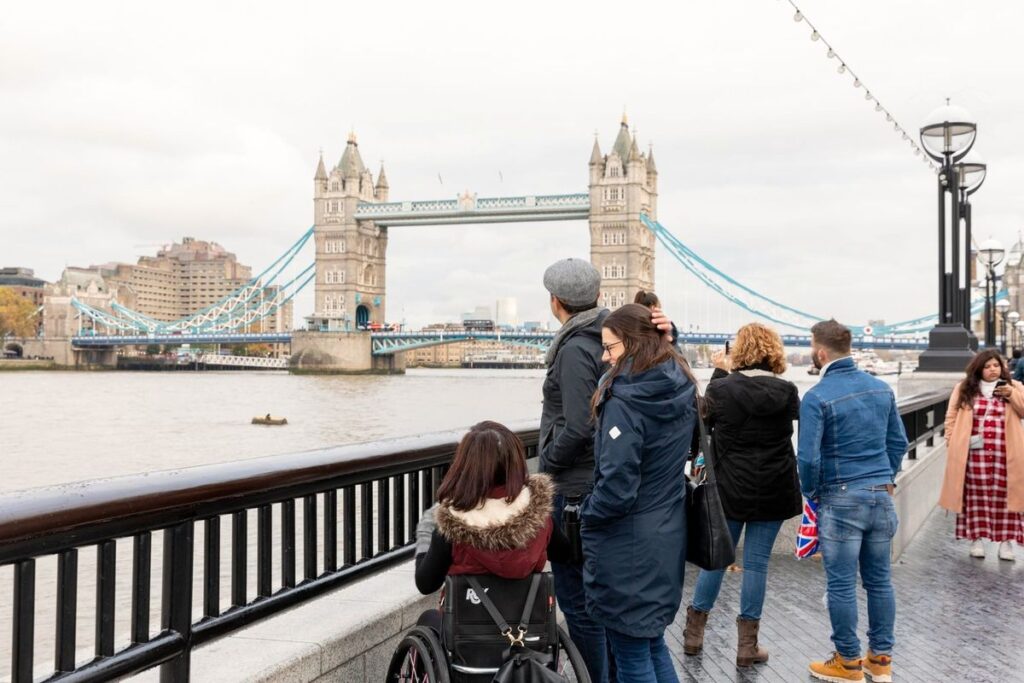
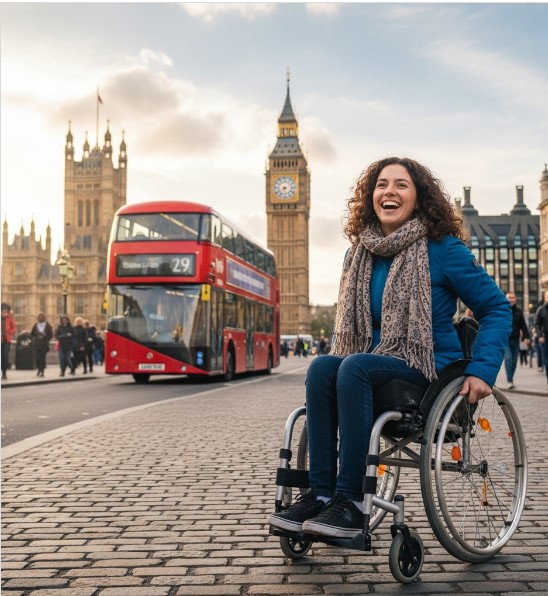
London: Explore iconic sights like the London Eye, Buckingham Palace, and the numerous world-class museums such as the National Gallery, most of which offer great access. The West End theatres also provide accessible shows.

York: The National Railway Museum in York is a delight, offering free use of wheelchairs, disabled parking, and large print maps.

Glasgow & Belfast: In Glasgow, visit the highly accessible Science Centre and Kelvingrove Art Gallery. Belfast boasts the state-of-the-art, accessible Titanic Belfast museum and the Ulster Museum in the Botanic Gardens, both with lifts and ramps.

Nature & Activities

The UK countryside is also accessible. Organizations like the Disabled Ramblers facilitate countryside walks, while the Wheelyboats scheme offers independent powerboating for wheelchair users. In the south of England, CanalAbility provides specially adapted boats with lifts for exploring the waterways.

For coastal fun, Blackpool offers several accessible attractions, including The Blackpool Tower and Sandcastle Waterpark, which has won accessibility awards and provides dedicated “Water Ambassadors” and wet rooms.

Specialized private black cab tours are available for day trips to destinations like the Cotswolds, Stonehenge, Bath, and Windsor, offering a comfortable and fully accessible way to see the countryside.

Getting Around: Transport in the UK

The UK’s transport network is largely accessible, but planning your route in advance is highly recommended, especially in older cities with complex infrastructure.


Air Travel

UK airports offer free assistance services for passengers with reduced mobility (PRMs) from the moment you land. It is crucial to inform your airline or tour operator of your requirements at least 48 hours in advance. Your personal wheelchair will likely be stored in the hold, so you will be transferred to an airport wheelchair for boarding and disembarking.

London Transport

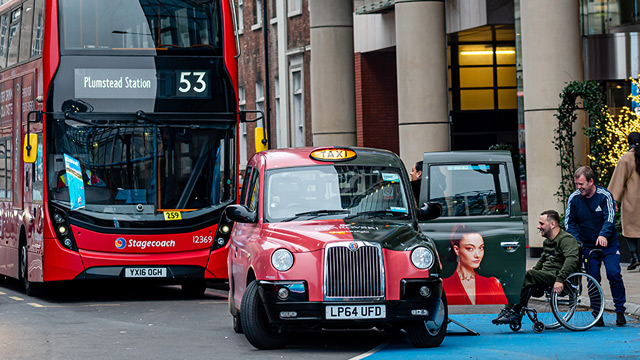
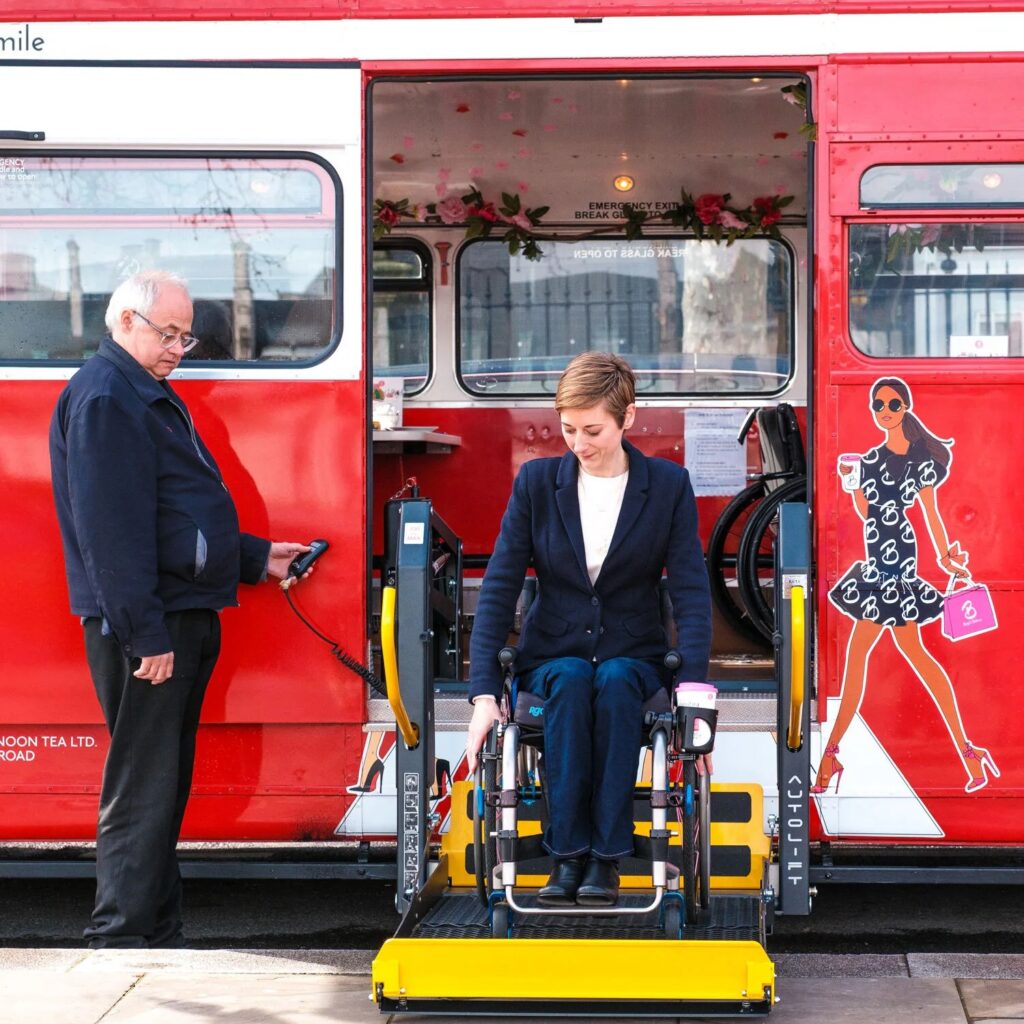
Buses: All London buses are low-floor vehicles, equipped with a dedicated wheelchair space and an access ramp.

Trains & Tube: Many Tube stations have step-free access, but not all. Use the Transport for London (TfL) Journey Planner or the Citymapper app to filter routes by accessibility and find detailed maps of accessible stations. Black cabs (taxis) are fully wheelchair accessible and most have steps, grab handles, and swivel seats.

National Rail

Most mainline trains accommodate wheelchairs within standard dimensions (700mm wide x 1200mm long), although some older trains may have width limitations. It is advisable to book a space in advance, as dedicated wheelchair areas are limited. Passenger Assist is a valuable free service available at all National Rail stations; book assistance ahead of time, and staff will help with boarding, alighting, and navigating stations. Disabled travellers can also apply for a Disabled Person’s Railcard for one-third off fares across Britain.

Final Thoughts

The United Kingdom is a welcoming destination for wheelchair users. While spontaneity is possible in many modern venues, a little advance planning will ensure a seamless and enjoyable holiday. With excellent resources like AccessAble and the legal backing of equality laws, you can explore the rich history, vibrant cities, and beautiful landscapes the UK has to offer with confidence. Enjoy your trip! Beyond accessible venues, the UK’s legendary London black cabs offer built-in ramp access, while major rail networks provide dedicated assistance to bridge your travel segments smoothly. Local tourism boards increasingly prioritize inclusive dining and hotel accommodations, proving that accessibility is truly woven into modern British hospitality. From historic cobblestones to scenic coastal pathways, your destination is fully ready to welcome you with open arms.

Related posts

The Accessible UK

Traveling by wheelchair in the UK is highly manageable with preparation. Equality laws ensure public buildings, modern hotels, and museums offer ramp or elevator access. London’s iconic black cabs feature built-in ramps, and most urban buses are fully accessible. National rail services provide dedicated boarding assistance if booked in advance.

Read More »

Old Trafford and the Red Devils

Explore Old Trafford, the historic home of Manchester United and one of the best-known football stadiums in the world. The stadium tour takes visitors behind the scenes, with stops that may include the players’ tunnel, dressing rooms and pitchside areas. The club museum adds more than a century of Manchester United history to the experience.

Read More »

A Legacy on Screen and Stone

By weaving together these diverse locations, the creators of House of Guinness have crafted a world that feels both authentic and larger than life. While the Guinness name will forever be synonymous with Dublin, this production serves as a tribute to the shared Victorian heritage of the British Isles.

Read More »

The Accessible UK Read More »

Exploring France by Wheelchair

Joie de Vivre Without Barriers: Exploring France by Wheelchair

Welcome to France, a country synonymous with romance, world-class cuisine, stunning landscapes, and rich history. While France, like many European nations, features a blend of modern accessibility and historical infrastructure challenges (such as narrow streets and ancient buildings), significant efforts are continuously being made to ensure disabled visitors can experience its charm. Planning ahead is crucial, but a memorable and comfortable journey is entirely within reach. A new unified free number, 0 800 10 20 20, was launched in January 2026 to simplify all transport-related inquiries for the Île-de-France region, directing users to the appropriate accessibility services. 

Effective preparation is the key to a seamless trip. France has robust disability discrimination laws, and most modern facilities are well-equipped.

In 2026 several organizations and specialized services assist disabled tourists in France by ensuring accessibility, providing specialized transport, and offering personalized travel planning.
  • Tourisme & Handicap: This is the official French state label for accessible tourism. You can search their database for over 4,000 sites—including hotels, restaurants, and museums—that have been certified for specific accessibility needs (motor, visual, auditory, or mental).
  • Paris je t’aime (Paris Tourist Office): They provide a dedicated guide for disabled visitors and list specialized travel agencies that organize tailor-made, accessible tours in the Paris region. 
Key Planning Resources:
  • Accessible Travel Agencies: Consider using specialist tour operators like Finding France or Access Tourisme Service
    , who can arrange adapted transfers, audit hotel rooms for specific needs (like roll-in showers), and plan accessible itineraries.
  • Documentation: Bring along proof of your disability (a doctor’s note or government ID). This often grants you and a companion free or significantly reduced entry to most museums and attractions.
  • Packing Essentials: Don’t forget your medication, a UK-to-EU plug adapter (France uses Type E sockets), a spare charger for your wheelchair, and comprehensive travel insurance.
  • Accommodation specifics: When booking, always verify the specifics of “accessible” rooms. Request photos of the bathroom and shower to ensure it meets your requirements (e.g., grab bars, shower seat, ample turning space). Many hotels, especially chains like B&B HOTELS, offer dedicated rooms with appropriate facilities. ANAÉ (Association Nationale d’Appui à l’Émancipation) maintains dedicated vacation centers in France, such as those in Hyères and Pralognan-la-Vanoise, which are fully adapted for tourists with motor, visual, or auditory disabilities. These 2026-ready accommodations offer not only accessible rooms but also specialized recreational activities, including adaptive skiing and water-accessible equipment, to ensure an inclusive travel experience.
Navigating France: Transport Tips

France’s public transport is a mix of highly accessible modern systems and older, more challenging infrastructure.

Air Travel and Airports

All French airports provide free assistance for passengers with reduced mobility (PRMs). It is mandatory to book this service through your airline at least 48 hours in advance. You are entitled to bring up to two pieces of mobility equipment free of charge, though you will likely use an airport wheelchair for boarding.

 National Rail (SNCF)

The high-speed TGV and Intercités trains are an excellent way to travel between cities. They offer dedicated wheelchair spaces and a free service called Accès Plus. This service provides staff assistance for boarding, navigating stations, and disembarking. You must book Accès Plus at least 24 hours before your journey.

The national rail network is the most efficient way to travel between regions.
  • Assist’enGare: Since late 2025, this is the single point of contact for all station assistance in France. Staff assist you from the station entrance to your seat and with one piece of luggage (up to 15kg).
    • Booking: Request assistance at least 24 hours before departure (48 hours for international or complex regional trips) via the website or by calling 32 12 in France or +33 9 72 72 00 92 from abroad.
  • Fares & Seating: Wheelchair users on TGV INOUI trains are systematically placed in First Class while paying a Second Class fare. Companions (up to 3 people) may also receive significant discounts, ranging from 30% to 100% depending on the traveler’s disability card.
Intercity Buses
While older buses may have limitations, major long-distance carriers have modernized their fleets:
  • FlixBus: Offers hydraulic lifts and designated spaces for two wheelchairs per bus. You must notify them at least 36 hours in advance.
  • BlaBlaCar Bus: Provides priority boarding and accessible seating. Booking 36 hours in advance is required to ensure equipment availability. 
Accessible Car Rentals & Private Transport
  • Handynamic: Specializes in renting Wheelchair Accessible Vehicles (WAVs), including minivans with ramps and cars with hand controls, across France.
  • Wheeliz: A peer-to-peer rental platform specifically for adapted vehicles, allowing you to rent directly from owners at lower rates (starting around €45/day).
  • G7 Access: A dedicated taxi fleet in Paris and surrounding areas with over 600 adapted vehicles for non-folding wheelchairs. 
  • Getting Around Paris

    Buses and Trams: The bus network is the most accessible option in Paris. All buses are low-floor and equipped with ramps. Tram lines are also fully accessible and easy to use independently.

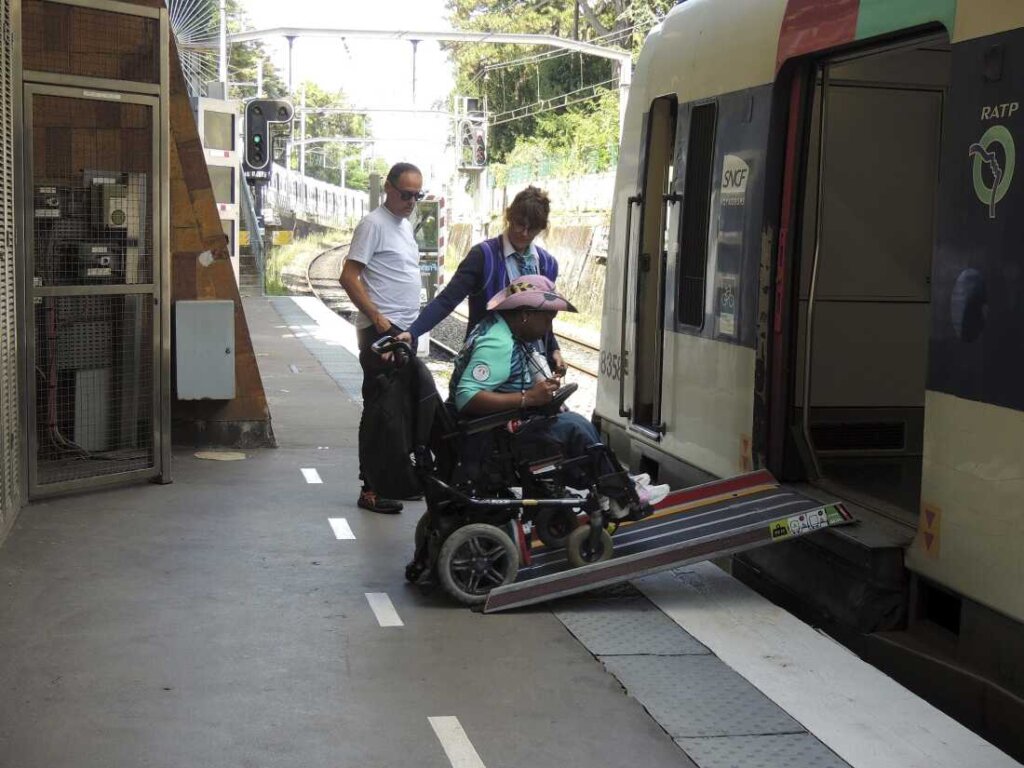
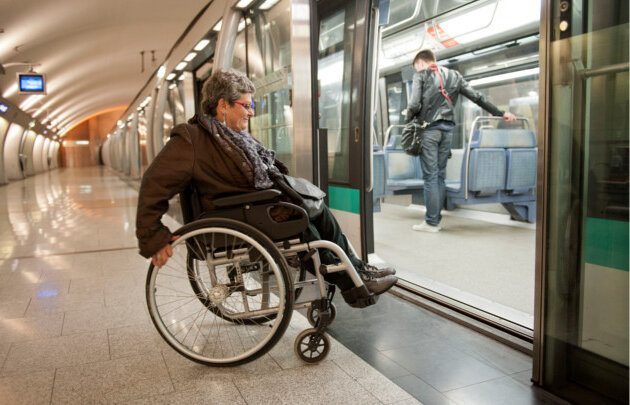
    Metro and RER: The historic Parisian Metro network is largely inaccessible due to stairs and a lack of elevators. However, Metro Line 14 is fully automated and entirely accessible with elevators at every station. The RER suburban trains are more accessible, with elevators to platforms, but staff assistance (via Accès Plus) is required to deploy a manual ramp for boarding the train itself.

    Taxis: Traditional Parisian taxis are not typically accessible. You’ll need to book an accessible van through a specialist service in advance.

Exploring Accessible France

France’s major tourist sites are generally well-adapted for wheelchair users.

Paris

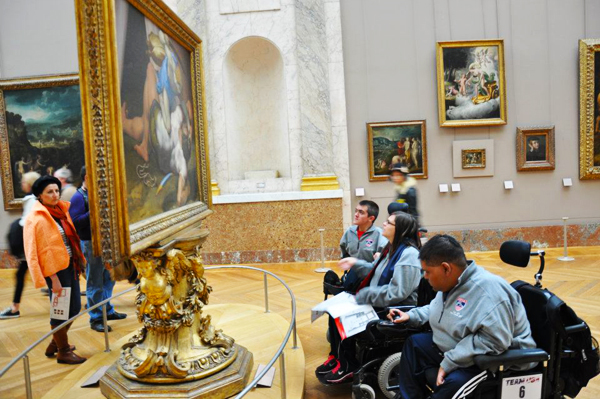
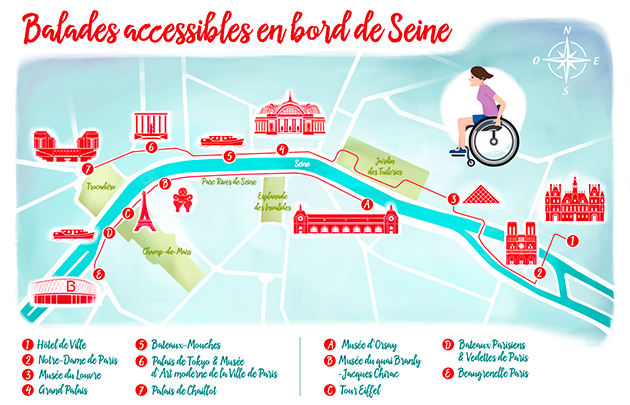
    • The Louvre Museum: A surprisingly accessible experience. Enter via the elevator at the Pyramid entrance to reach the main lobby and access different wings via lifts.
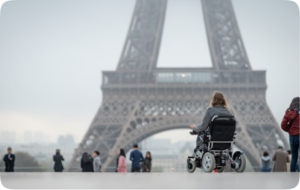
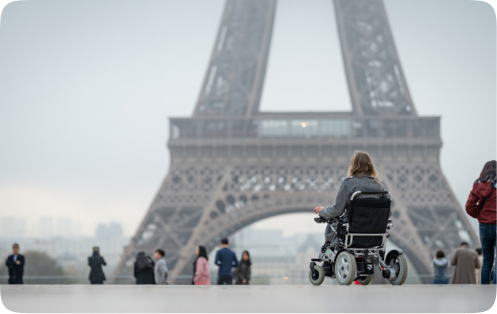
    • The Eiffel Tower: The first and second floors are accessible via lift. The summit is also accessible to wheelchair users via an elevator from the north pillar.
    • Musée d’Orsay: Housed in a former train station, this museum is highly accessible, with a dedicated entrance and lifts to explore the impressive Impressionist collection.
    • Arc de Triomphe: Lifts can take you to the top for panoramic views of the Champs-Élysées. The challenge here is reaching the Arc itself; you’ll need a drop-off directly at the monument, as the pedestrian underpass has stairs.

Beyond Paris

  • The Palace of Versailles: Just outside Paris, much of the main palace and ground-floor gardens are accessible, with lifts available. Check the official website for specific access routes.
  • The French Riviera: Cities in the South like Nice, Cannes, and Marseille offer accessible guided tours and beautiful seaside promenades.
  • The Loire Valley: Some châteaux, like the Château de Chambord, are making efforts toward better accessibility.
  • For people with limited mobility PRMs, numerous sports are possible, including off-road wheelchair descents, gentle or competitive hiking, paragliding, sleigh rides or electric Joëlette rides, canyoning, rafting, skiing and more.

Related posts

The Cradle of Civilization

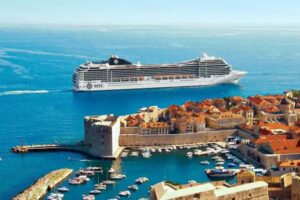
A Mediterranean cruise is a celebration of life (La Dolce Vita). It is the perfect symphony of culture, history, and world-class cuisine. Whether you are sipping wine in a Spanish vineyard or watching the sunset over the Acropolis, this journey is guaranteed to nourish both your soul and your palate.

Read More »

The World’s Most Legendary Luxury Train

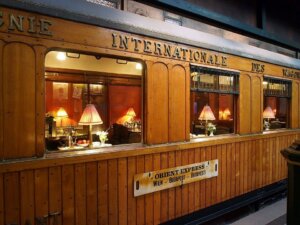
Orient Express offers a once-in-a-lifetime experience where the romance of pre-war Europe truly comes to life. The unparalleled gastronomy, private steward service, and breathtaking landscapes transform the journey into an unforgettable adventure that goes far beyond mere transportation.

Read More »

Exploring France by Wheelchair

In 2026, Israel offers impressive accessibility for travelers. Tel Aviv features flat promenades and accessible beaches, while Jerusalem provides ramps throughout the Old City to the Western Wall. Public transport, including trains and buses, is fully equipped, making the country a top-tier, inclusive destination for mobility-challenged visitors

Read More »

Touching the Sky

The Airbus Factory Tour in Toulouse provides a breathtaking look at aerospace engineering. From panoramic galleries, visitors witness the assembly of the A350 XWB, seeing massive components join into flight-ready jets. It is a unique opportunity to experience the scale and precision of global aviation production firsthand.

Read More »

Exploring France by Wheelchair Read More »

Holy Land: Accessible Travel Guide

Bridging Antiquity and Accessibility: A Wheelchair User’s Guide to Israel

In 2026, Israel continues to be a leading destination for accessible travel, combining ancient history with modern infrastructure. Accessibility is mandated by strict national laws, ensuring that public transportation, including the Jerusalem Light Rail and most bus lines, is wheelchair-friendly. 
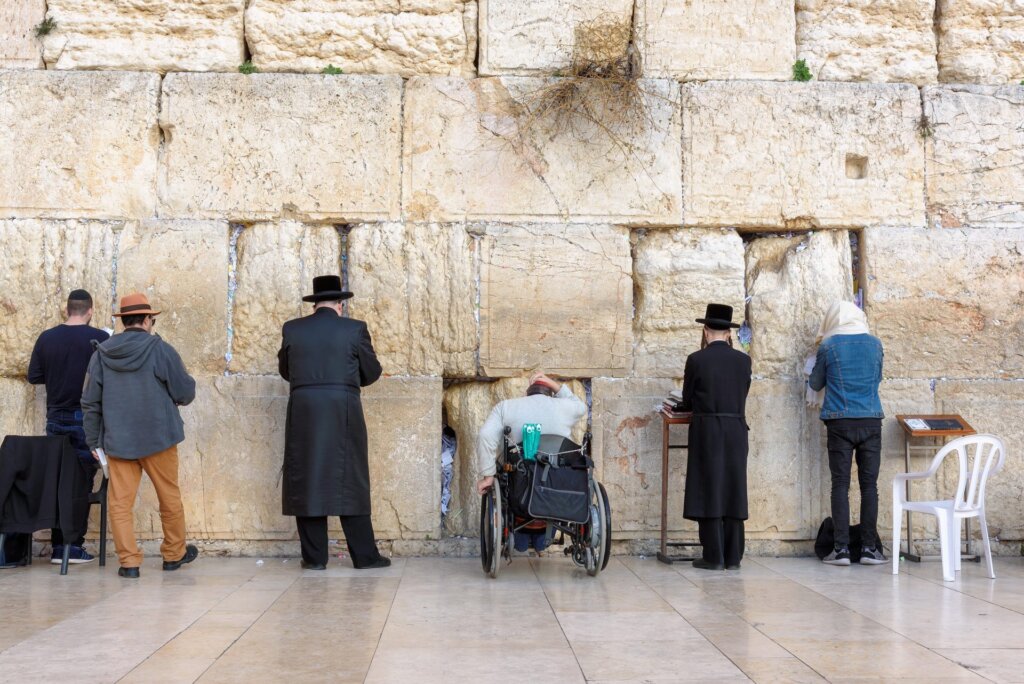
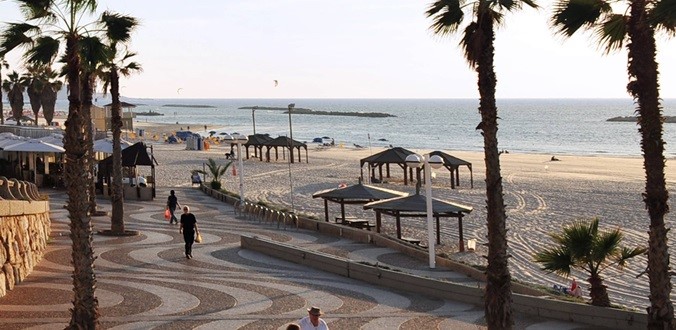
In Tel Aviv, the flat coastal terrain and extensive Mediterranean boardwalk provide seamless movement for wheelchair users, with many beaches offering specialized amphibious chairs and wooden ramps leading to the water. Jerusalem, despite its challenging hilly topography and ancient cobblestones, has undergone significant upgrades. The Ramp Up project has installed kilometers of handrails and ramps throughout the Old City’s alleys, making sites like the Western Wall and the Church of the Holy Sepulchre increasingly accessible. 
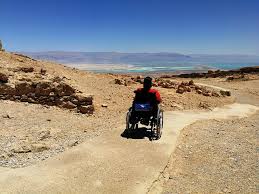
Nature lovers can explore the Israel Nature and Parks Authority sites, many of which, like Masada (via a specialized cable car) and En Gedi, offer paved paths and accessible facilities. While some historical ruins remain difficult to access, the combination of high-tech accessibility apps and a strong cultural commitment to inclusion makes navigating Israel a rewarding experience for those with mobility challenges. 
Planning Your Journey to the Holy Land

Planning is essential when visiting a country with such diverse terrain and ancient architecture. Israel’s accessibility regulations are among the most advanced in the Middle East, ensuring that all new public buildings and major renovations are fully barrier-free.

Key Resources:

  • Access Israel: This leading non-profit organization provides comprehensive information on accessible sites, restaurants, and events throughout the country. Their website is an invaluable tool for real-time accessibility updates.
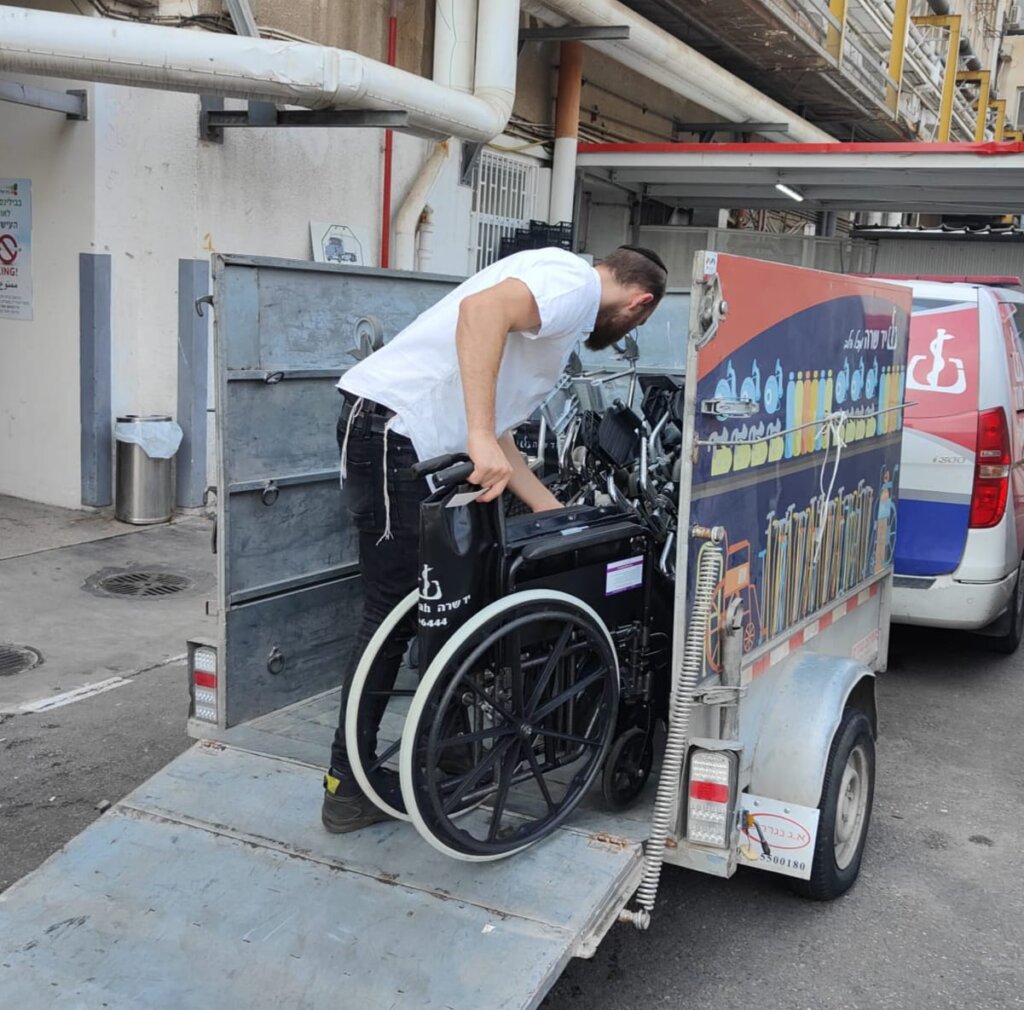
  • Yad Sarah: A unique Israeli volunteer organization that lends medical equipment, including wheelchairs and hoists, to tourists for free (though a small deposit is usually required). This can save you the hassle of transporting heavy equipment across borders.
Transport: Moving Through the Land of Milk and Honey

Arrival and Rail Travel

Ben Gurion Airport is world-class in terms of accessibility, offering seamless assistance for passengers with reduced mobility. Once you land, the Israel Railways network is the most efficient way to travel between major cities like Tel Aviv, Haifa, and Jerusalem. All trains feature dedicated wheelchair spaces, and most stations are equipped with elevators and ramps. In 2026, the high-speed link to Jerusalem is fully optimized for accessible travel.

City Transport

  • Tel Aviv: The city is largely flat and very wheelchair-friendly. Most buses have ramps, and the newer Light Rail (Red Line) is 100% accessible with level boarding.
  • Jerusalem: While the terrain is hilly, the Jerusalem Light Rail is a lifesaver, connecting the modern city center with the gates of the Old City. All stations and trains are fully accessible.
  • Taxis: Accessible “large” taxis with ramps are available in all major cities, though it is highly recommended to book them in advance through apps like Gett.
  • Specialized Tours: Companies like Israel Tours specialize in tailor-made accessible tours, providing lift-equipped vans.
Top Accessible Experiences in Israel

Northern Israel: Ancient History and Coastal Accessibility

Northern Israel draws travelers not only for its striking scenery but also for its dense concentration of historical landmarks.

  • Near Herzliya, the Roman seaside villa in Apollonia National Park offers excellent wheelchair access, wide paths, and spectacular Mediterranean views.
  • In the historic port city of Akko (Acre), visitors can explore the Crusader tunnels, which are largely wheelchair accessible, with the exception of the narrow escape tunnel.
  • Haifa is generally accessible throughout the city. While the Bahá’í Gardens themselves are not wheelchair friendly due to stairs, the panoramic views from both the upper and lower terraces remain breathtaking and fully accessible.

Galilee and the Sea of Galilee (Lake Kinneret):

Spiritual Heritage in a Natural Setting


The Sea of Galilee, also known as Lake Kinneret, is one of Israel’s most important spiritual and cultural regions. The area combines biblical heritage with calm landscapes and a slower travel pace, ideal for accessible tourism.

  • The lakeside city of Tiberias offers flat promenades, accessible hotels, and wheelchair-friendly viewpoints along the water. Several walking paths around the lake are paved and level, making them suitable for wheelchair users.
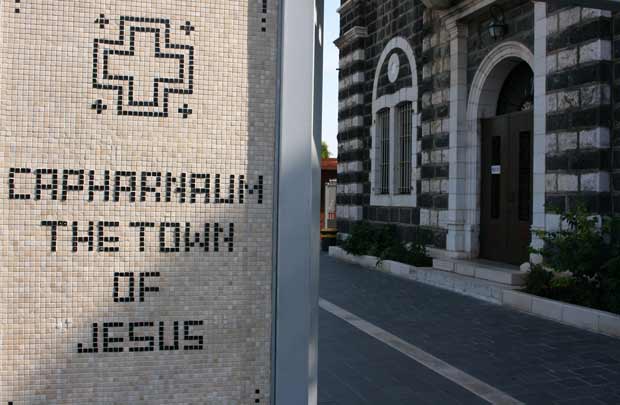
  • Key biblical sites such as Capernaum are partially accessible, with compacted paths and designated accessible routes. The Galilee region is especially well suited for travelers seeking accessible religious tourism combined with nature and relaxation.
  • Jerusalem – Accessible History Redefined

    For many years, the Old City of Jerusalem posed major challenges for wheelchair users. A multi-year accessibility project has dramatically improved the situation.

    • More than four kilometers of streets in the Christian, Muslim, and Armenian quarters have been leveled and fitted with ramps. Clearly marked blue-and-white signs indicate wheelchair-accessible routes.
    • The Western Wall plaza is fully accessible, including an elevator connecting the Jewish Quarter to the plaza. The recently renovated Tower of David now features ramps and an elevator, opening areas previously inaccessible to wheelchair users.
    • Major sites such as the Israel Museum, Yad Vashem, and the Machane Yehuda Market are all well equipped with ramps, elevators, and accessible facilities.

Tel Aviv – Mediterranean Accessibility and Modern Comfort

Tel Aviv is widely regarded as one of the most wheelchair-friendly cities in the Middle East. Its flat layout, modern infrastructure, and inclusive design make independent travel easy.

  • The beachfront promenade (Tayelet) runs for miles on a wide, smooth surface from North Tel Aviv to Jaffa. Hilton Beach provides beach-specific wheelchairs and a ramp extending directly into the sea.
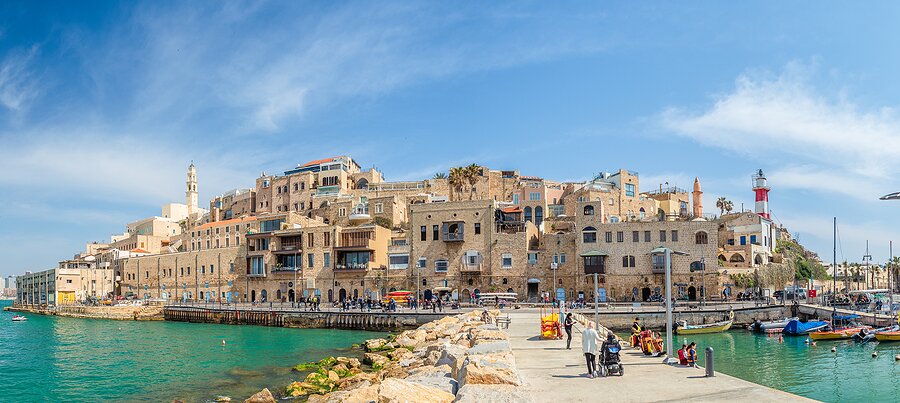
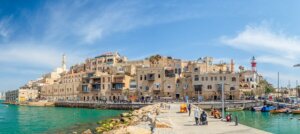
  • Both Sarona Market and parts of Carmel Market are accessible, as are Jaffa Port and the surrounding historic streets. The Tel Aviv Museum of Art is fully accessible and offers multiple entry options for wheelchair users.

Southern Israel: Desert Landscapes and Natural Wonders

  • Several Dead Sea beaches in Ein Bokek feature ramps, accessible changing rooms, and special floating chairs, allowing wheelchair users to experience the famous salt-rich waters.
  • The ancient fortress of Masada is accessible via a large cable car, and the plateau features mostly flat, paved paths suitable for wheelchairs.
  • The oasis of Ein Gedi includes paved or compacted trails leading to waterfalls and pools. Further south, Eilat stands out for its commitment to inclusive tourism, offering accessible beaches, hotels, and transportation, as well as access to nearby attractions such as Timna Park.
Practical Tips for Your Stay
  1. The “Shabbat” Factor: From Friday sundown to Saturday sundown, public transport (except in Haifa and parts of Tel Aviv) stops. Ensure you have your transport arranged if you plan to move during this time.
  2. Document Your Needs: While English is widely spoken, having a short Hebrew translation of your specific needs (e.g., “I need a roll-in shower”) can be helpful when checking into smaller boutique hotels.

3. Terrain Awareness: Despite improvements, the Old City is still made of stone. A power-chair or a manual chair with a “FreeWheel” attachment will make the experience much smoother.

Security Checks: Security is tight in Israel. Be prepared for extra screening at malls, stations, and the airport. Staff are generally very respectful and trained to assist people with disabilities through the process.

Conclusion

Israel is a destination that proves antiquity and modernity can coexist. The country’s efforts to make its most sacred and historic sites accessible demonstrate a profound respect for all visitors. Whether you are touching the stones of the Western Wall, floating in the Dead Sea, or enjoying a vegan feast in Tel Aviv, Israel offers an empowering and deeply moving experience. In 2026, the barriers of the past are falling, making the “Holy Land” more open and welcoming than ever before. Shalom and enjoy your journey!

Related posts

Israel: Resilience and Innovation

Traveling in Israel in 2026 offers a unique blend of ancient spirituality and high-tech urban life. Visitors can explore Jerusalem’s sacred sites, float in the Dead Sea, and enjoy Tel Aviv’s vibrant beaches. With an efficient, cashless public transport system and world-class culinary experiences, it remains a top-tier Mediterranean destination.

Read More »

Holy Land: Accessible Travel Guide

In 2026, Israel offers impressive accessibility for travelers. Tel Aviv features flat promenades and accessible beaches, while Jerusalem provides ramps throughout the Old City to the Western Wall. Public transport, including trains and buses, is fully equipped, making the country a top-tier, inclusive destination for mobility-challenged visitors

Read More »

Holy Land: Accessible Travel Guide Read More »

California on Wheels

Golden Sunshine, No Barriers: California on Wheels

When it comes to accessible travel in the United States, California stands as the undisputed leader. Thanks to the Americans with Disabilities Act (ADA) passed in 1990, accessibility in the U.S. is not just a courtesy—it is a federal law. California has embraced these standards more than perhaps any other state, offering a seamless blend of modern infrastructure, inclusive public spaces, and breathtaking natural wonders. For a wheelchair user, the “Golden State” truly offers a golden experience.

The Power of the ADA in California

The biggest advantage of traveling to California is the consistent access. Whether you are in a remote mountain lodge or a luxury hotel in Beverly Hills, certain standards are guaranteed.

  • ADA Hotel Rooms: By law, hotels must offer rooms with specific features, including roll-in showers, grab bars, lowered sinks, and widened doorways.
  • Service & Assistance: Accessibility is ingrained in the service culture. From specialized rental vans with hydraulic lifts to the availability of beach wheelchairs, the state is equipped for every type of mobility need.
  • Documentation: While many state-run attractions offer discounts for disabled visitors, simply showing a domestic or international disability ID is usually sufficient to access priority lines or specialized seating.
Practical Tips for Your Trip
  1. Size Matters: In California, “everything is bigger.” This is a major plus for wheelchair users. Hallways are wider, doorways are larger, and “Restrooms” are spacious, often featuring a dedicated family or “unisex” accessible stall.
  2. Power and Charging: The U.S. uses a 110V/60Hz electrical system. If you are bringing a power wheelchair from Europe (220V), you will need a heavy-duty voltage transformer, not just a simple plug adapter, to avoid damaging your chair’s battery.
  3. The “California Spirit”: Locals are generally very proactive and helpful. If you encounter a heavy door or a tricky curb, someone will almost certainly offer assistance before you even have to ask.
  4. Weather: California is huge. While the south is sunny year-round, Northern California can be chilly and damp. Check the forecast to ensure you have the right gear for your wheelchair (like tire covers for mud or rain capes).
Transport: Freedom on Four Wheels

Driving and Rentals

Because the U.S. is a car-centric society, renting an accessible vehicle is the most popular way to explore. Companies like MobilityWorks and Wheelers offer minivans with ramps or lifts. Parking is also a breeze; California has strict laws regarding “blue zones” (accessible parking), and they are plentiful even in crowded city centers.

Public Transit

  • San Francisco: While the city is famous for its steep hills, its public transit is remarkably accessible. The BART (subway) and MUNI buses are 100% accessible. Even the historic F-Line streetcars have been retrofitted with elevators at key stops.
  • Los Angeles: Every bus in the LA Metro fleet is equipped with a ramp or lift. The light rail system is also fully level-access, making it possible to travel from Downtown to the Santa Monica Pier without ever encountering a step.
Top Accessible Experiences in the Golden State

San Francisco: The City by the Bay

Despite its vertical reputation, the city’s most iconic sights are very friendly to wheels.

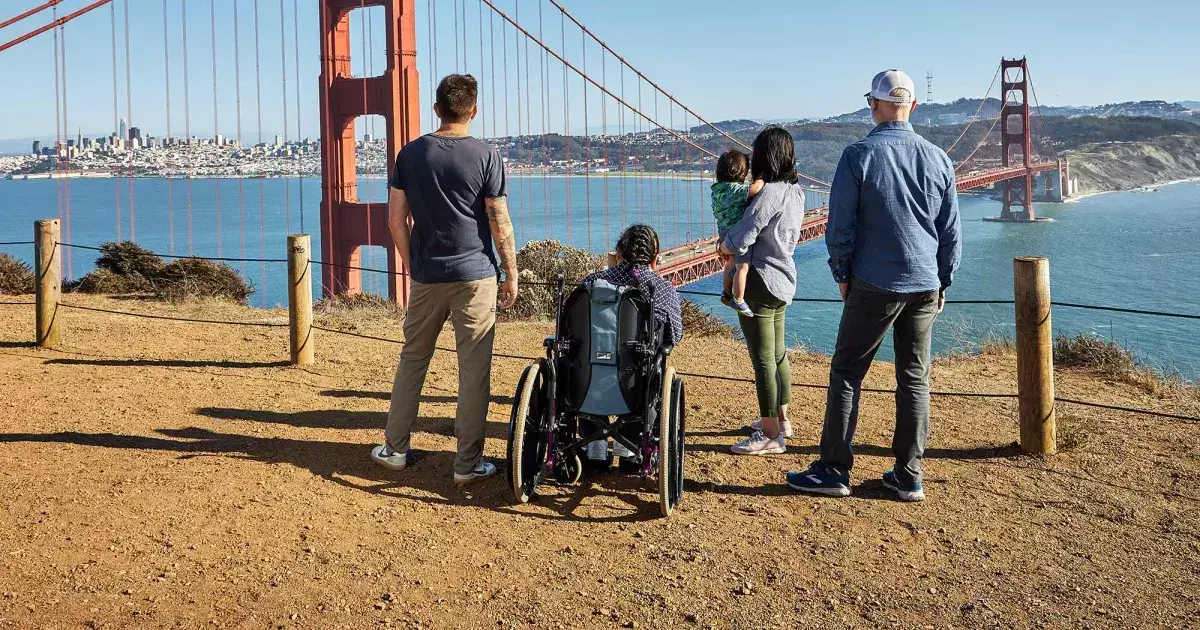
  • The Golden Gate Bridge: The pedestrian walkway is wide, flat, and offers smooth paving for the entire journey across the strait.
  • Alcatraz Island: The ferries are fully accessible. Once on the island, a specialized electric shuttle (the S.E.A.T. tram) is available to transport wheelchair users up the steep incline from the dock to the cellhouse.

San Diego: Sun, Surf, and Sand

San Diego is perhaps the most wheelchair-friendly city in the world.

  • Accessible Beaches: Many beaches, such as Mission Beach and Coronado, provide free use of power or manual beach wheelchairs with oversized tires that glide over the sand and into the water.
  • San Diego Zoo: This world-famous zoo is a leader in inclusive design, providing elevators, ramps, and shuttle buses with lifts to ensure every animal enclosure is viewable.

Yosemite National Park: Nature Without Barriers

Yosemite proves that the great outdoors can be inclusive. The park has invested heavily in accessibility.

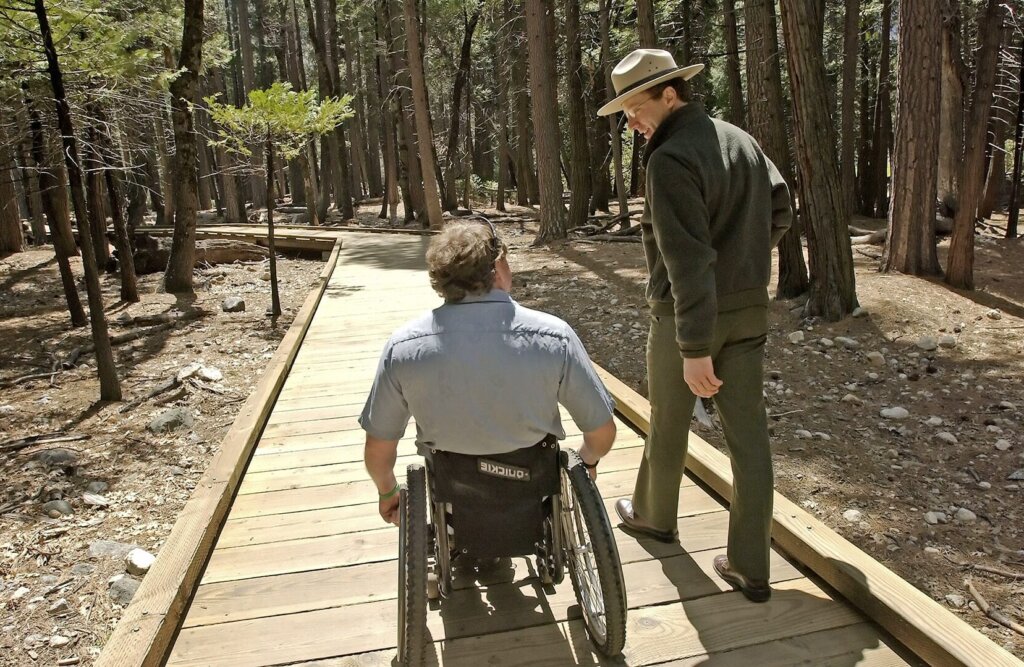
  • Paved Trails: The Lower Yosemite Fall Trail and the Cook’s Meadow Loop are completely paved and flat, allowing wheelchair users to get directly to the base of North America’s tallest waterfall.
  • Shuttle System: All park shuttle buses are equipped with lifts, allowing for easy travel between the visitor center, lodges, and trailheads.

Theme Parks: Magic for Everyone

California’s theme parks, including Disneyland and Universal Studios Hollywood, are masters of accessibility. Disneyland provides an “App Attraction Access” system for those who cannot wait in standard lines, and many rides allow you to stay in your wheelchair or provide specialized transfer devices.

Conclusion
In 2026, California remains a global leader in accessible tourism, proving that a world-class vacation can be seamless for everyone. The state’s commitment to inclusivity is rooted in the Americans with Disabilities Act, but it is fueled by a local spirit of innovation. Whether you are gazing at the towering Golden Gate Bridge from a perfectly paved overlook or utilizing specialized beach wheelchairs in Santa Monica, the Golden State ensures that natural beauty is never out of reach. From the rugged heights of Yosemite National Park, which features accessible shuttle systems and sensory-rich boardwalks, to the tech-forward urban centers of Silicon Valley, accessibility is woven into the architecture of everyday life. In 2026, traveling with a wheelchair in California means more than just finding a ramp; it means enjoying “limitless possibilities.” From the ancient sequoias to the iconic Hollywood Walk of Fame, California is a destination designed for the joy of discovery. Enjoy the ride!

Related posts

The Beating Heart of Gotham

Grand Central Terminal is a world-famous landmark in Midtown Manhattan. Beyond its role as a transportation hub, it features a breathtaking celestial ceiling and the iconic Whisper Gallery. This architectural masterpiece serves as a bustling cultural center, welcoming millions of visitors who admire its historic charm and grand Beaux-Arts design.

Read More »

The Hoover Dam

The Hoover Dam is a bucket-list marvel that captivates visitors, offering awe-inspiring scale for children and rich, Depression-era history for enthusiasts. Its dramatic contrast between turquoise water and dark canyon walls provides endless inspiration for photographers . As a powerful symbol of engineering, it offers an impressive experience for all.

Read More »

Circuit of the Americas

For travelers who value engineering, atmosphere, and storytelling, a visit to the Circuit of the Americas is a highlight worth planning around. Whether you explore it through guided tours, VIP access, or immersive fan zones, COTA offers a rare opportunity to step inside the world of top-tier motorsport. It is truly an unforgettable Texan experience.

Read More »

California on Wheels Read More »

A Wheelchair User’s Guide to Italy

Dolce Vita Without Limits: A Wheelchair User’s Guide to Italy

Planning Your Italian Escape

Italy is a dream destination for many, offering a breathtaking mix of Roman history, Renaissance art, and world-class gastronomy. While its ancient cobblestone streets and hilltop villages might seem daunting at first glance, Italy has made impressive progress in accessibility. With a bit of strategic planning and “pazienza” (patience), you can experience the magic of the Mediterranean just as easily as anyone else.

The key to a successful trip to Italy is understanding that accessibility varies significantly between the modern north and the more traditional south. However, national laws now mandate that all public buildings and transport must be accessible, which has opened up many doors for disabled travelers.

Essential Resources:
  • Village for All (V4A): An Italian organization that provides “Quality Assurance” for accessible tourism, offering detailed information on hotels and resorts that have been personally audited.
  • Kim Can Travel: A specialized travel agency focusing on accessible Italian itineraries, including private adapted transfers and guided tours.
  • Legal Benefits: Just like in France and the UK, having a disability ID or a medical certificate is vital. In Italy, disabled visitors (and often one companion) frequently receive free entry to state-run museums, such as the Uffizi Gallery or the Colosseum, without needing to wait in the middle of the main queue.
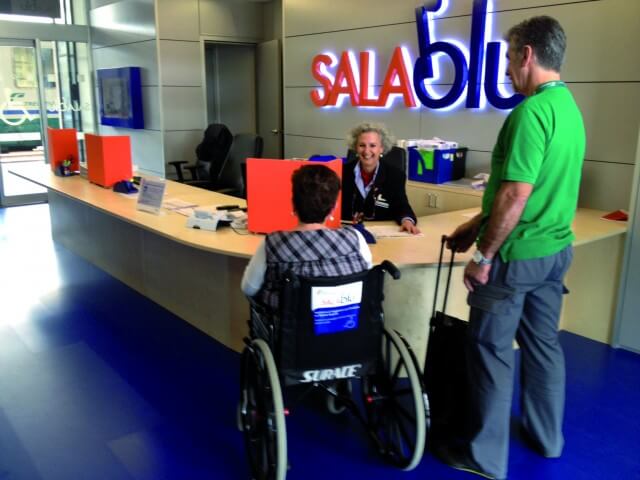
  • Public Transport (Trenitalia): For seamless travel between major cities, the Sala Blu service by Trenitalia offers dedicated assistance for passengers with reduced mobility at over 330 stations across Italy.
Practical Tips for a Smooth Journey
  1. Public Toilets: Look for the “Bagno per disabili.” In cities, the best accessible toilets are often found in large department stores (like Rinascente), museums, or high-speed train stations.
  2. Dining: Most Italian restaurants have outdoor seating (“al fresco”), which is perfect for avoiding narrow indoor doorways. If you need to eat inside, it is worth calling ahead to check if the restroom is on the ground floor.
  3. Charging: If you use a power chair, Italy uses the standard European Type C/F plugs. Ensure you have a heavy-duty transformer if your charger isn’t dual-voltage.
  4. Access Italy App: This digital tool provides real-time information on accessible routes and barrier-free attractions in major historic centers like Rome, Florence, and Venice. 

The “Aperitivo” Culture:  Embrace the slower pace. Italian culture is very social, and people are generally very helpful. Don’t hesitate to ask for “aiuto” (help) if you encounter a sudden step or a heavy door.

Navigating the Land of History


The Trenitalia network is arguably the best way to travel between major cities like Rome, Florence, Milan, and Venice. The high-speed Frecciarossa trains are fully equipped with dedicated wheelchair spaces and accessible restrooms.

  • Sala Blu: This is a crucial service provided at 330 stations across Italy. You can book assistance (boarding, ramps, luggage) via the “Sala Blu” hubs at least 24 hours in advance. They are professional, reliable, and make train travel a breeze.

Air and Sea

All major Italian airports offer “ADR Assistance” for passengers with reduced mobility. If you are heading to the islands (Sicily or Sardinia), modern ferries are equipped with lifts and accessible cabins, though it is always best to book these well in advance.

Top Accessible Destinations
Rome: The Eternal City
Rome is surprisingly manageable despite its age.
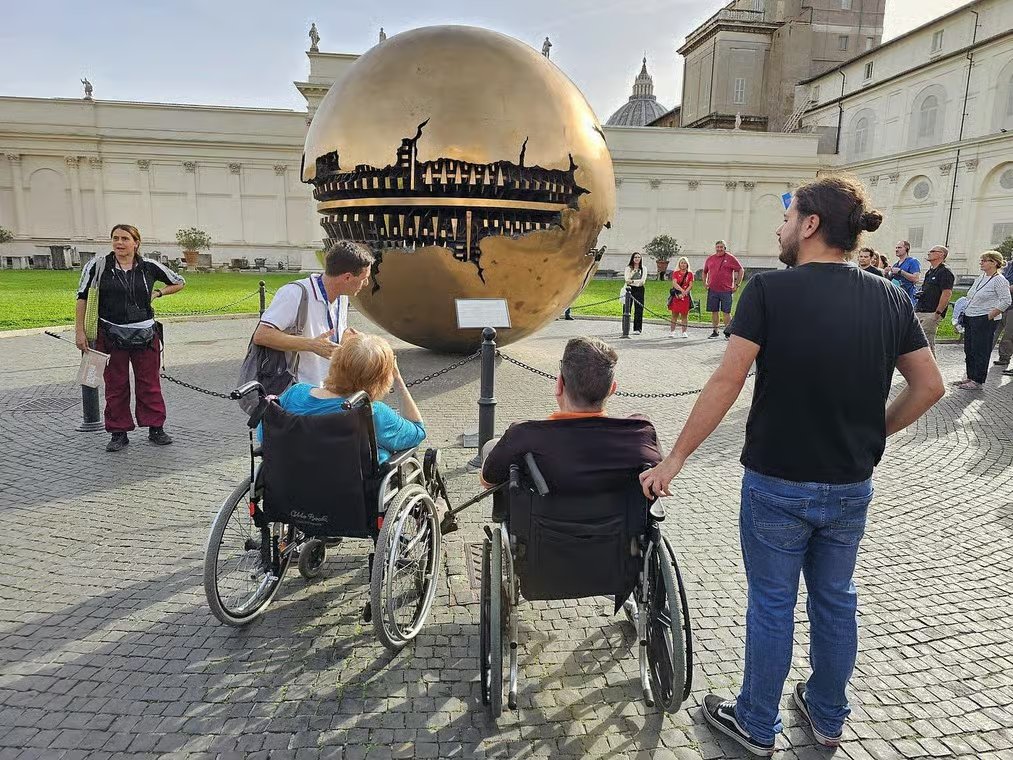
  • The Vatican Museums: They are almost entirely accessible with lifts and specific routes. Wheelchairs are available for rent free of charge at the entrance.
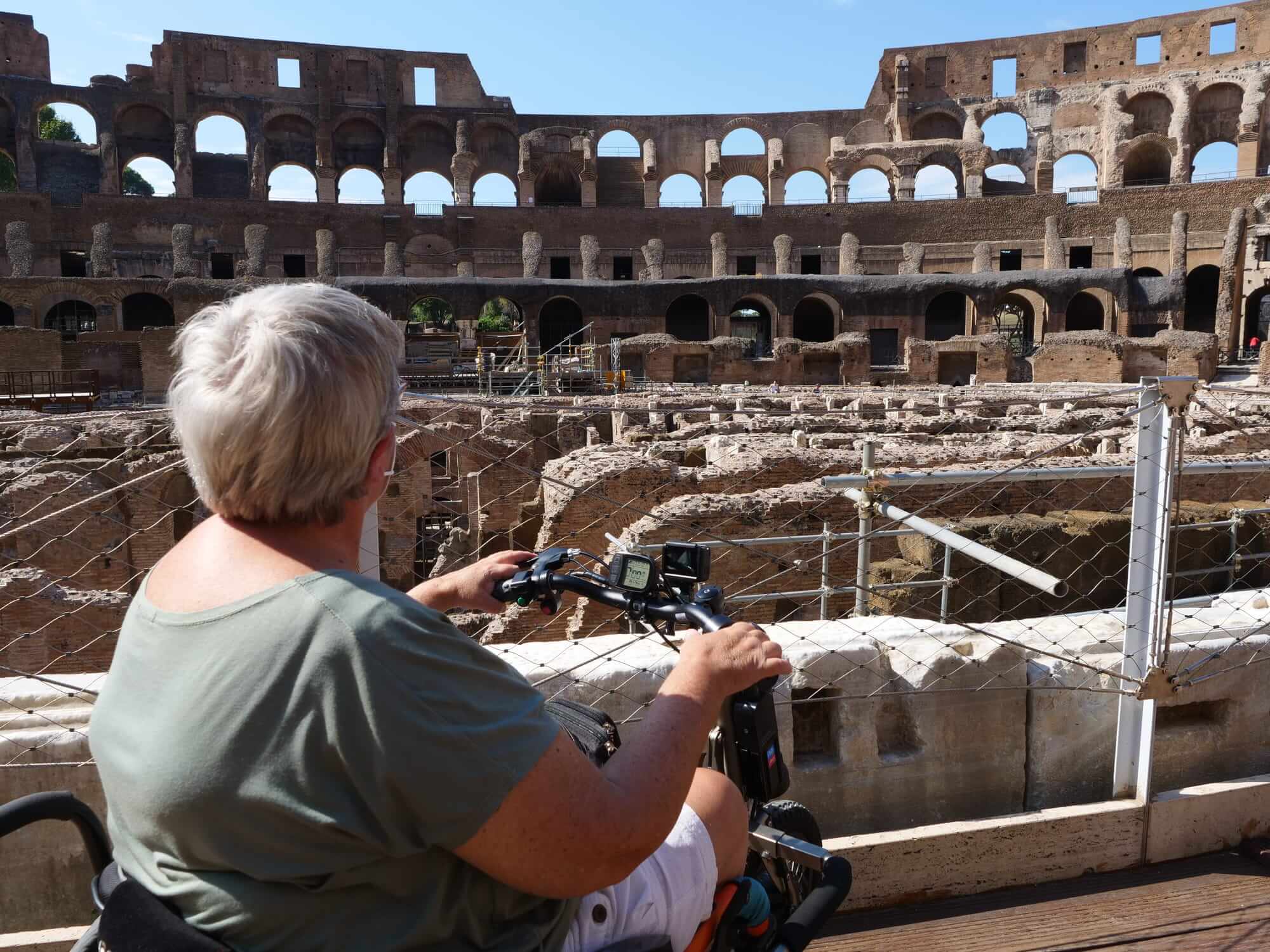
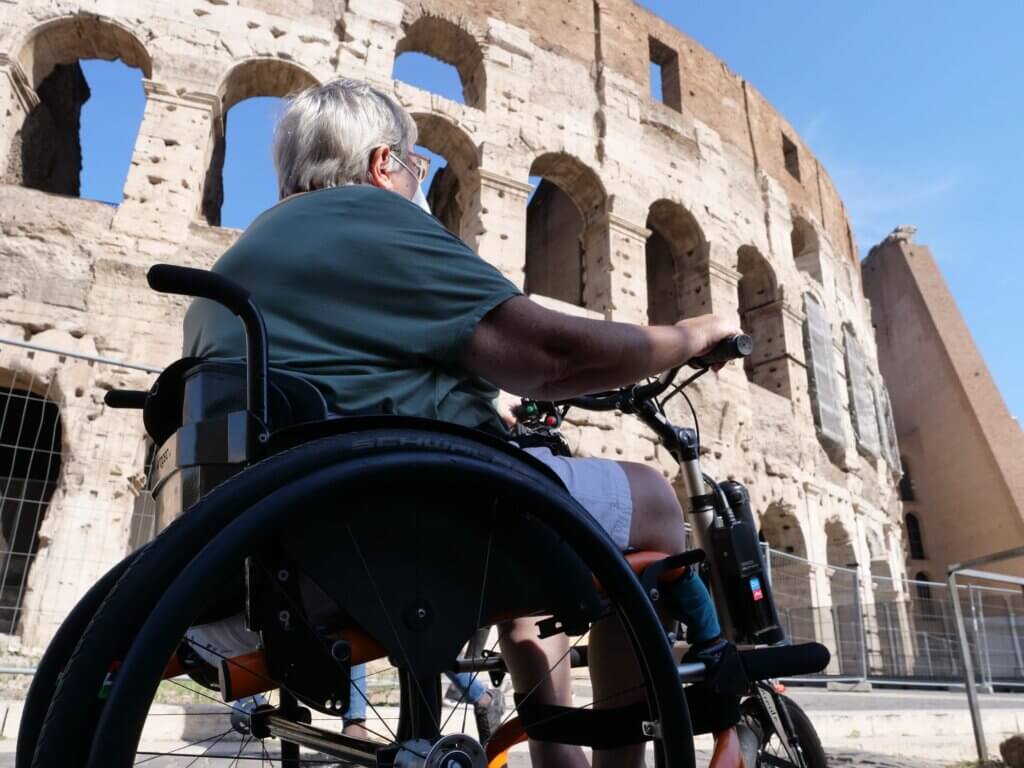
  • The Colosseum: A modern elevator has been installed, allowing wheelchair users to access the upper tiers to enjoy the view over the arena.
  • The Pantheon: The entrance is flat and easy to navigate, though the surrounding square has some uneven stones.
  • The Trevi Fountain: A dedicated ramp on the side of the square allows visitors in wheelchairs to reach the lower level for a close-up view of this baroque masterpiece.
  • Castel Sant’Angelo: This historic fortress features a modern elevator and smooth ramps, providing access to its fascinating museum levels and the panoramic terrace overlooking the Tiber.
Florence:

Florence is flat and compact, making it one of the most wheelchair-friendly cities in Italy.

  • Uffizi Gallery and Accademia: Both are fully accessible with elevators. To see Michelangelo’s David, there is a dedicated lift and ramp.
  • The Duomo: While you cannot climb the dome, the main cathedral is accessible via a side entrance.
Milan:
    • The Milan Cathedral (Duomo) is fully accessible.
    • The iconic San Siro Stadium and the Galleria Vittorio Emanuele II offer barrier-free paths, ensuring a smooth experience for exploring sports and luxury.
    • Most major museums provide specialized assistance and modern ramps.
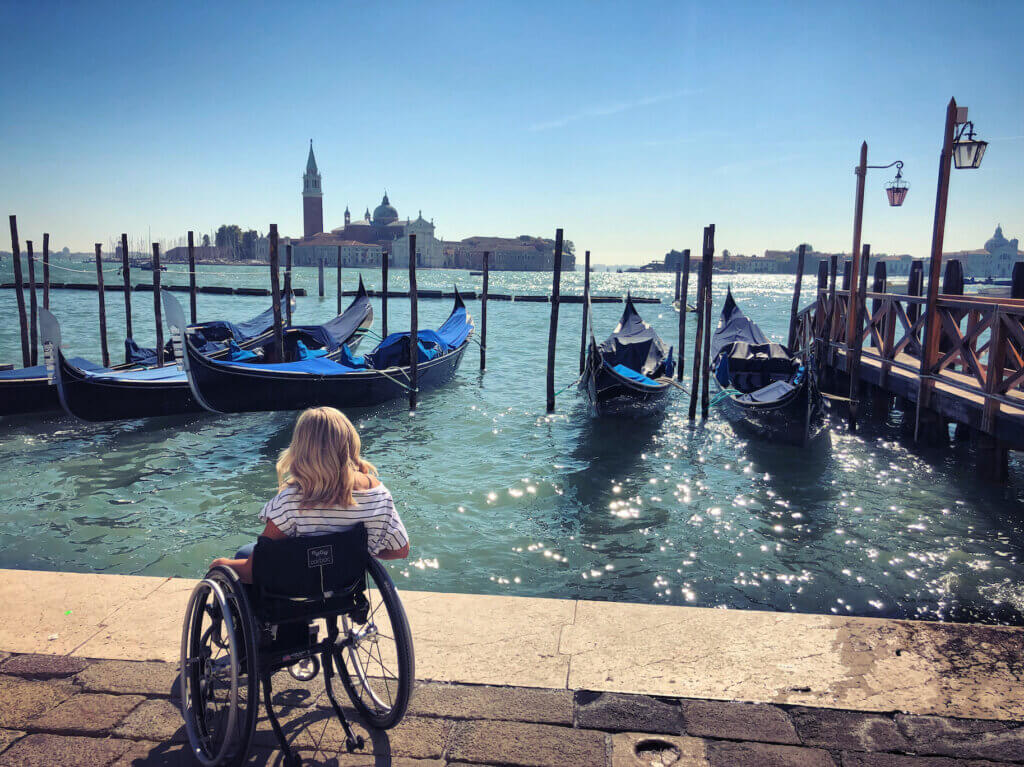
Venice: The City of Bridges

Venice is often thought to be impossible for wheelchairs, but this is a myth!

  • Vaporetto (Water Bus): Lines 1 and 2 are largely accessible and offer a great way to see the Grand Canal. Wheelchair users pay a significantly discounted fare (around €1.50).
  • Accessible Bridges: The city has installed ramps on several key bridges, and many areas around St. Mark’s Square are flat. Use the “Venezia Unica” accessibility map to find routes that avoid stairs.

The Italian Lakes

Lake Garda and Lake Como offer beautiful accessible promenades. Many of the lake ferries are equipped with ramps, allowing you to hop between picturesque towns while enjoying the mountain views.

Conclusion

Italy is a sensory feast that should be available to everyone. While the historic nature of the country presents some physical barriers, the combination of the Sala Blu train service, the generosity of the local people, and the increasing modernization of major sights makes it a fantastic destination for wheelchair users. Whether you are gazing at the Sistine Chapel or enjoying a gelato in a Tuscan piazza, Italy will leave you enchanted. 

The key to a successful Italian adventure lies in preparation and utilizing the growing network of accessible resources. As the country continues to invest in barrier-free infrastructure for 2026 and beyond, the gap between ancient charm and modern accessibility is closing. By focusing on major hubs and pre-booking specialized services, you can navigate this Mediterranean gem with confidence. Italy isn’t just a place to see; it’s an experience to be felt, and now more than ever, its beauty is open to all. Buon viaggio! 

Related posts

The Art of Living Well

Italy is a timeless destination that rewards travellers with unforgettable experiences, rich culture, and exceptional cuisine. Whether visiting for the first time or returning again, it remains one of the most satisfying countries to explore in the world. From high-speed rail to coastal drives, every journey reveals breathtaking, historic wonders.

Read More »

The Heart of Venetian Glass Art

Murano’s 700-year glassmaking tradition is a pinnacle of European craftsmanship. More than a tourist hub, the island hosts active furnaces where masters use ancestral techniques to transform molten glass into intricate sculptures and vessels. This living heritage preserves a legacy of artistic excellence passed down through centuries of Venetian history.

Read More »

Swiss Mountain Tracks

While the Orient Express emphasizes opulence and formal elegance, the Bernina Express prioritizes natural splendor and engineering marvels. Trading fine dining for panoramic views, it offers a premier “slow travel” experience. It is perfect for adventurers valuing immersive Alpine landscapes and historic viadcuts over traditional onboard luxury.

Read More »

A Wheelchair User’s Guide to Italy Read More »

Scroll to Top