Darjeeling Himalayan Railway – Riding India’s Legendary Toy Train

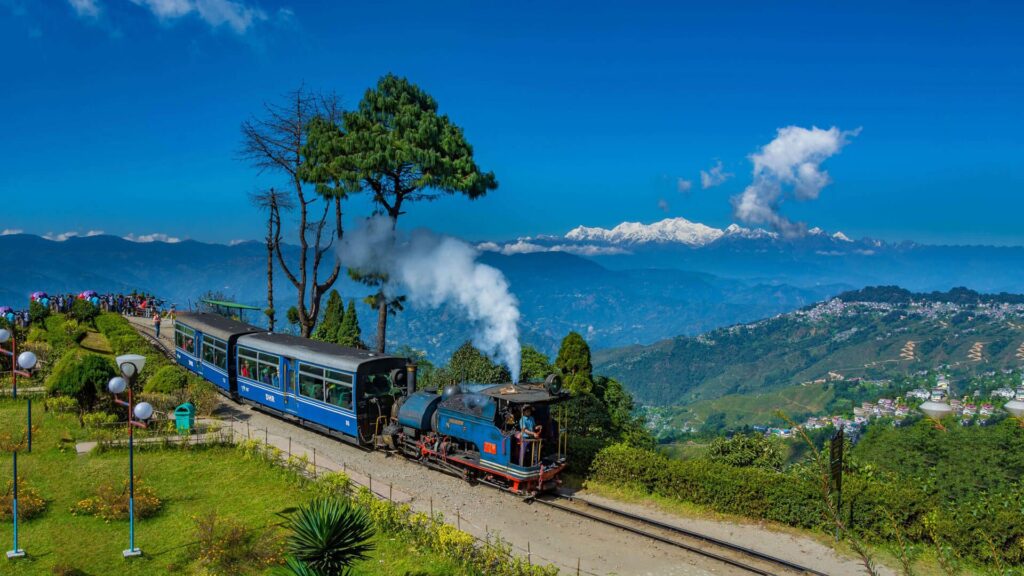
Darjeeling Himalayan Railway steam train at Batasia Loop

The Darjeeling Himalayan Railway (DHR) is one of India’s most distinctive railway journeys. Better known as the “Toy Train,” its tiny trains climb from the plains of West Bengal towards Darjeeling, following a narrow-gauge line through forests, tea-growing country and Himalayan hill communities.

Opened in 1881, the railway was designed to overcome a dramatic change in elevation across difficult mountain terrain. More than a century later, trains still operate on the historic route, making the DHR both a visitor attraction and a living piece of railway heritage. It became a UNESCO World Heritage Site in 1999 and is now part of the Mountain Railways of India.

A Railway Built for the Himalayas

The Darjeeling Himalayan Railway was constructed between 1879 and 1881, as Darjeeling was developing into both a hill station and an important tea-growing region. Today, the line runs for approximately 88 km (55 miles) between New Jalpaiguri and Darjeeling on a track just 610 mm (2 ft) wide. Building a conventional railway into the steep Himalayan terrain presented an unusual challenge. Instead of using a rack-and-pinion system, engineers designed an ingenious alignment incorporating six zigzag reverses and three loops, allowing trains to gain height within the restricted mountain landscape.

This combination of relatively simple railway technology and innovative route design became central to the DHR’s historical significance. In 1999, the Darjeeling Himalayan Railway was inscribed on the UNESCO World Heritage List. The Nilgiri Mountain Railway joined the designation in 2005 and the Kalka Shimla Railway in 2008, together forming the Mountain Railways of India World Heritage property. These are not simply preserved railway monuments. All three remain operational, keeping their engineering heritage alive through continued use.


Full Journey or Darjeeling Joy Ride?

There are two very different ways to experience the Toy Train. Travelling between New Jalpaiguri and Darjeeling provides the most complete experience of the railway. The route gradually leaves the plains and climbs into the Himalayan foothills, passing places such as Sukna, Tindharia, Kurseong, Sonada and Ghoom before reaching Darjeeling.

The full journey is particularly suited to travellers who regard the railway itself as a major part of their visit. It reveals how dramatically the landscape changes as the line gains elevation and gives a much stronger sense of the scale of the original engineering achievement. Because this is a working mountain railway, services can be affected by operational conditions and weather, so check the current timetable before planning your itinerary around the complete route.

For a shorter experience, visitors staying in Darjeeling can take the Darjeeling–Ghoom joy ride, which returns to Darjeeling after reaching Ghoom. The excursion includes two of the DHR’s best-known locations — Batasia Loop and Ghoom — making it a practical way to experience the Toy Train without devoting a large part of the day to the longer route.

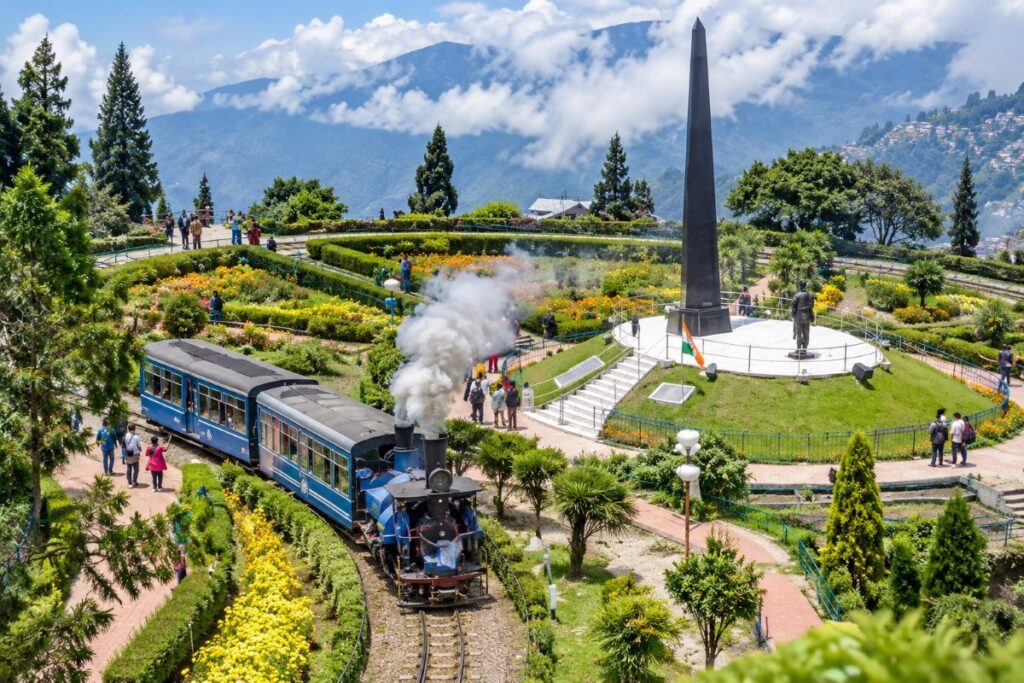
Darjeeling Himalayan Railway steam train passing through Batasia Loop

What Will You See Along the Way?

The landscape changes noticeably as the railway climbs towards Darjeeling. The lower section begins in the plains before entering more forested terrain around the Himalayan foothills. Higher up, open hillsides, tea-growing areas and mountain settlements increasingly dominate the scenery.

One of the most unusual aspects of the journey is the railway’s close relationship with the road and surrounding communities. In places, trains pass remarkably close to homes, shops, roadside activity and traffic, creating scenes unlike those on most conventional scenic railways.

One of the route’s best-known landmarks is Batasia Loop, located between Darjeeling and Ghoom. Here, the track curves around itself to negotiate the change in elevation, creating both an ingenious piece of railway engineering and one of the DHR’s most recognizable sights. At the centre stands the Gorkha War Memorial, while clear weather can reveal views towards Kangchenjunga and the surrounding Himalayan peaks. For photographers, Batasia also provides a chance to see the small train within the much larger mountain landscape.

The line then reaches Ghoom, its highest point at approximately 2,258 metres (7,408 ft) above sea level. The station is an important part of the railway’s heritage and serves as the turning point for the popular Darjeeling joy rides. Depending on the service and current arrangements, passengers may also have an opportunity to see railway heritage displays associated with the station.

Mountain views are never guaranteed. Cloud, mist and rapidly changing weather can transform visibility even during otherwise favourable seasons, so the distant Himalayan peaks are best regarded as a possible highlight rather than an essential part of the experience.

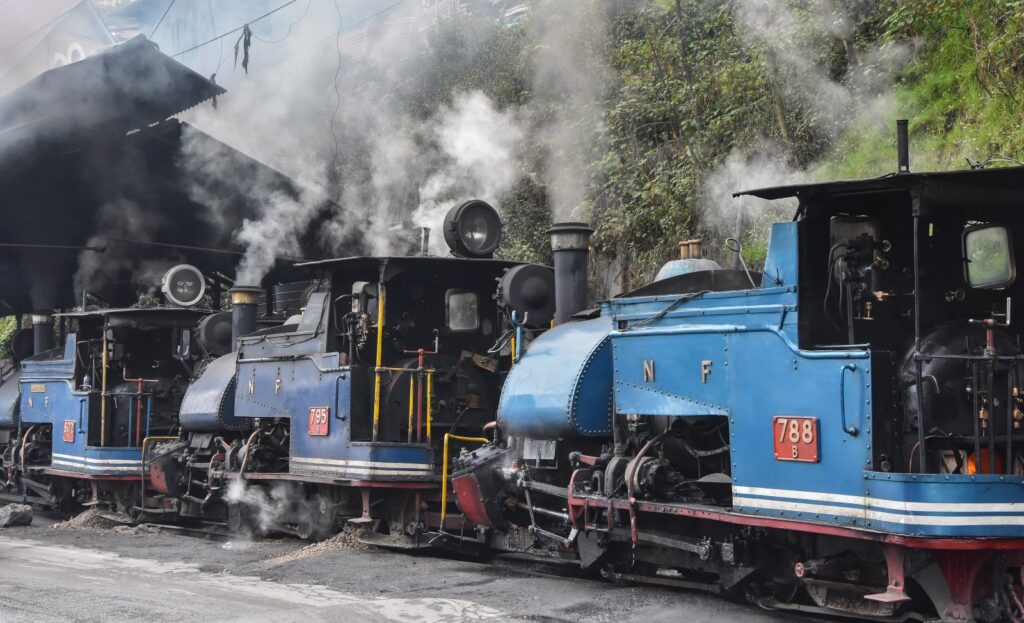
Darjeeling Himalayan Railway steam locomotives at Darjeeling
Credit: Syed Sajidul Islam / Wikimedia Commons – CC BY-SA 4.0

Steam or Diesel?

For many railway enthusiasts, the classic Darjeeling image is a tiny B-Class steam locomotive working hard on the narrow-gauge line. These historic locomotives remain part of the DHR, and steam-hauled tourist services continue to provide the railway’s most nostalgic experience. Diesel locomotives are also used on the line. If travelling behind steam is important to you, check the locomotive type when choosing a service rather than assuming that every Toy Train departure is steam hauled.

For travellers fascinated by mountain railway engineering, the DHR also makes an interesting contrast with Europe’s Bernina Express, another remarkable railway that tackles steep mountain terrain without a cogwheel system.

When to Go

Spring, from March to May, generally brings milder temperatures and greener landscapes, although cloud can limit long-distance mountain views. October and November, after the main monsoon period, can be particularly appealing for travellers hoping for clearer Himalayan scenery. Winter brings colder conditions at higher elevations, while the monsoon season can create more difficult travelling conditions. Heavy rainfall can increase the risk of disruption along the mountain route.

Whatever the season, some flexibility is sensible when planning travel on a working mountain railway.


Planning Your Journey

Check the current railway timetable shortly before travelling rather than relying on older schedules found online. Service patterns can change, and mountain conditions can occasionally affect operations.

If you specifically want a steam-hauled experience, confirm the locomotive type for your chosen departure when booking.

Allow some flexibility around other tightly timed activities, particularly during periods of unsettled weather. It is also worth checking current arrangements for stops and heritage attractions, as these may vary between services.

For background on the railway’s World Heritage status and engineering, the official UNESCO Mountain Railways of India page provides detailed information. For local information about the shorter excursion, see the Darjeeling–Ghoom Joy Ride information published by the Government of West Bengal.

Sonsy Verdict

The Darjeeling Himalayan Railway stands out because it still feels like a railway rather than a heritage attraction recreated for tourists. Its narrow track, tiny locomotives and ingenious mountain engineering give the journey a character that modern scenic trains cannot easily reproduce.

The scenery is certainly part of the attraction, but the real experience is watching a railway designed in the nineteenth century continue to negotiate the same extraordinary terrain today.

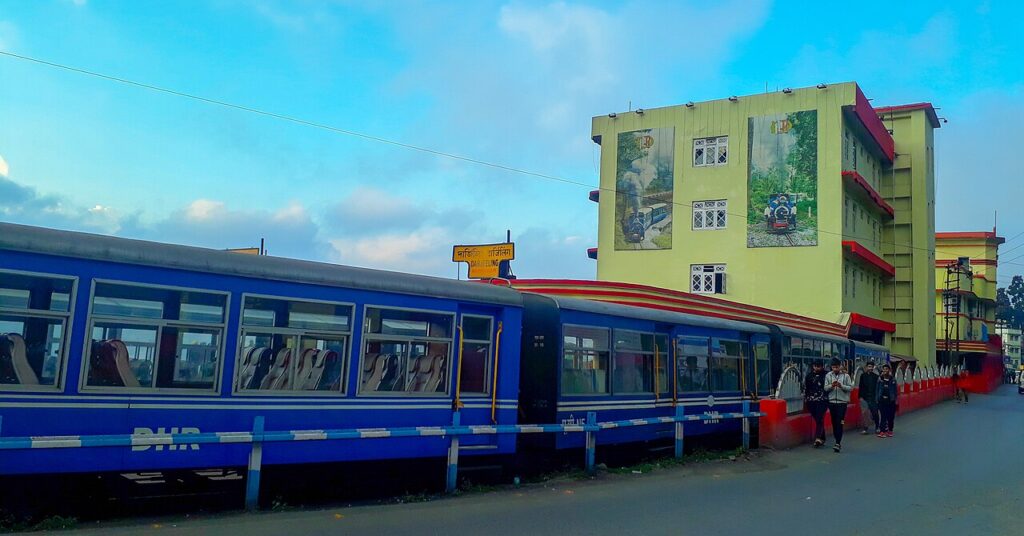
Darjeeling Himalayan Railway Toy Train outside Darjeeling Station
LesBleusSoumya / Wikimedia Commons – CC BY-SA 4.0

Related posts

Swiss Mountain Tracks

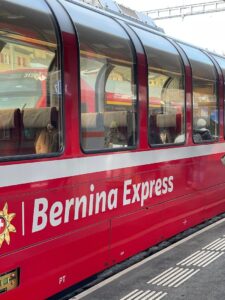
The Bernina Express crosses the Alps through high mountain scenery and remarkable railway engineering. This guide follows the changing landscape from glaciers to valleys and helps you decide how to experience the route.

Read More »

The Ultimate American Road Trip

Route 66 is America’s legendary road trip, stretching from Chicago to California through eight states. Discover historic towns, desert landscapes, classic roadside landmarks and surviving sections of the Mother Road, plus practical tips for planning the journey and experiencing the Route 66 centennial in 2026.
Read More »
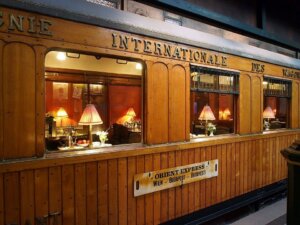
Historic Orient Express dining car with original wooden interior

Orient Express

The Orient Express has defined luxury rail travel for more than a century. Discover its fascinating history, how the Venice Simplon-Orient-Express recreates the experience today, the classic routes from Paris to Venice and Istanbul, what life aboard is really like, current costs, and whether this legendary train journey is worth it.
Read More »
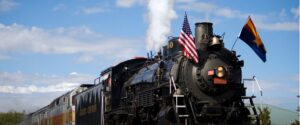
Grand Canyon Railway steam locomotive in Arizona

Grand Canyon Railway

Grand Canyon Railway offers a historic train journey from Williams, Arizona, to the South Rim. Travel through changing Northern Arizona landscapes, discover the railway’s Wild West entertainment and vintage carriages, and arrive at the historic Grand Canyon Depot just a short walk from the canyon rim.

Read More »
Scroll to Top