Grand Canyon Railway – A Historic Train Journey to the South Rim

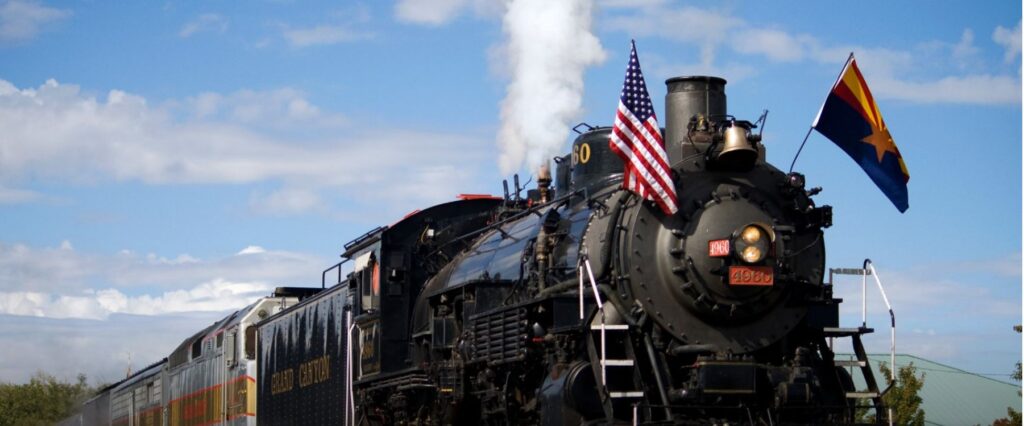
Grand Canyon Railway steam locomotive in Arizona

There are easier ways to reach the Grand Canyon, but few come with quite as much history as the Grand Canyon Railway. Running 65 miles (105 km) from Williams, Arizona, to the South Rim, the railway follows a route that has been carrying visitors to the canyon since the early days of organised tourism. The journey is not a continuous parade of Grand Canyon views. Instead, its appeal lies in the combination of historic rail travel, changing Northern Arizona landscapes and the anticipation of reaching the South Rim. Western musicians and onboard entertainment add a playful connection to the railway’s past. At the end of the line, passengers arrive in the historic surroundings of the South Rim — a fitting conclusion to a journey closely connected with the development of tourism at the Grand Canyon. Check the current Grand Canyon Railway schedule and visitor information here.

The Railway That Changed Grand Canyon Tourism

The railway is much more than a modern sightseeing attraction. The first steam-powered passenger train reached the South Rim on September 17, 1901. Before the railway arrived, visitors travelling from Flagstaff faced a roughly 90-mile stagecoach journey. Rail access transformed tourism at the canyon and helped the small settlement at the South Rim develop into a major visitor centre.

During the following years, the Santa Fe Railway and Fred Harvey Company played an important role in creating facilities for the growing number of travellers. The El Tovar Hotel opened in 1905, while other buildings and visitor services followed as tourism expanded. Eventually, the automobile changed the way Americans travelled. By the late 1920s, more visitors were arriving at the canyon by car than by train, and regular passenger rail service finally ended in 1968.

The tracks, however, survived. In 1989, passenger service was revived, allowing visitors once again to make the historic journey between Williams and the South Rim. The National Park Service history of Grand Canyon Village provides more background on how the arrival of the railway transformed tourism at the South Rim.

From Williams to the South Rim

The journey begins at the historic depot in Williams, Arizona, a small town with strong railway roots and another famous piece of American transport history: Route 66. If you have time before or after the train journey, Williams makes a natural addition to a longer road trip through the Southwest. You can explore more of the highway’s history in our guide to Route 66 – The Mother Road.

From Williams, the train travels approximately 65 miles (105 km) to Grand Canyon National Park, taking around 2 hours and 15 minutes each way. The landscape changes along the route, moving between ponderosa forest, open prairie and the higher-elevation woodland approaching the South Rim.

It is worth setting expectations correctly. This is not a mountain railway with dramatic canyon scenery throughout the journey. The Grand Canyon itself is the destination. The appeal of the route lies in the gradual transition through Northern Arizona and the unusual experience of approaching one of America’s most famous national parks by rail.

The standard schedule makes the journey a full-day excursion, with more than three hours at the South Rim before the afternoon return to Williams. That is enough for a first look at the canyon and the historic area near the station, but not for an extensive exploration of the national park. Travellers who want more time can stay overnight and return to Williams on a scheduled train on a later date.

Weather is another factor to consider. Both ends of the route are at high elevation, so conditions can be very different from the desert climate often associated with Arizona. Winter can bring snow, ice and freezing temperatures, while summer visitors should prepare for strong sun and changing mountain weather.

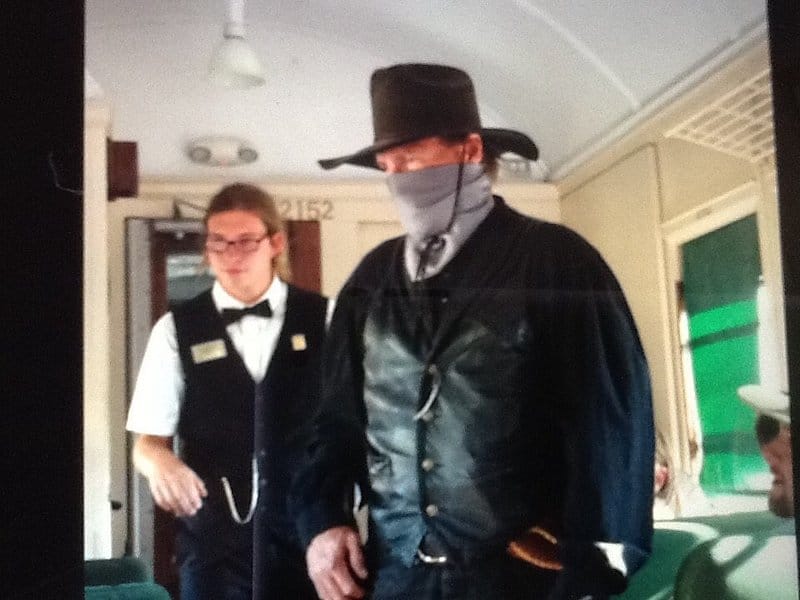
Wild West entertainer aboard the Grand Canyon Railway

What the Journey Is Really Like

Today’s Grand Canyon Railway combines heritage rail travel with deliberately theatrical Wild West entertainment. Before the morning departure from Williams, passengers may encounter the Cataract Creek Gang and the railway’s Marshal in a staged Western showdown. Musicians and entertainers also move through the train during the journey, and the return trip may bring another encounter with the railway’s fictional outlaws.

The locomotives deserve a little clarification. Despite the railway’s historic appearance, regular services are normally hauled by vintage diesel locomotives, not steam engines. The railway does maintain operational historic steam locomotives, but they run only on selected dates. Travellers specifically hoping for a steam-hauled journey should therefore consult the official steam schedule when planning their visit.

Choosing Your Train Class

One unusual feature of the Grand Canyon Railway is the range of experiences available on the same train. There are currently six classes of service, and the differences involve much more than seat size.

Pullman Class offers the most traditional experience, using classic 1920s-style passenger cars with bench seating and windows that can be opened. These cars operate seasonally and are not air-conditioned.

Coach Class uses air-conditioned 1950s-era streamliner cars with large windows, providing a straightforward heritage railway experience without the additional services of the higher classes.

First Class adds larger reclining seats, more legroom, complimentary snacks and non-alcoholic drinks.

Observation Dome places passengers in an elevated glass-domed section of a vintage streamliner car, providing a wider view of the surrounding countryside.

Luxury Dome combines an upper-level full-length dome with a lounge area below, while Luxury Parlor offers lounge-style seating and access to a rear observation platform. Some classes have age restrictions, so check the railway’s current guide to train classes before choosing your carriage.


Accessibility on the Grand Canyon Railway

For travellers with reduced mobility, the choice of carriage matters.

The railway identifies Coach Class and First Class as its fully accessible options. Both provide spaces for passengers who need to remain in a wheelchair or scooter during the journey, as well as ADA-compliant onboard restrooms. Lifts are available to assist passengers into the accessible cars.

Passengers who can transfer from their mobility device have additional choices, but the layout of the dome cars presents an important limitation. Observation Dome and Luxury Dome require passengers to use stairs to reach the upper level.

If you use a wheelchair, scooter or other mobility equipment, inform the railway when making your reservation so that the appropriate arrangements can be made. For detailed information, see the railway’s official accessibility guide.

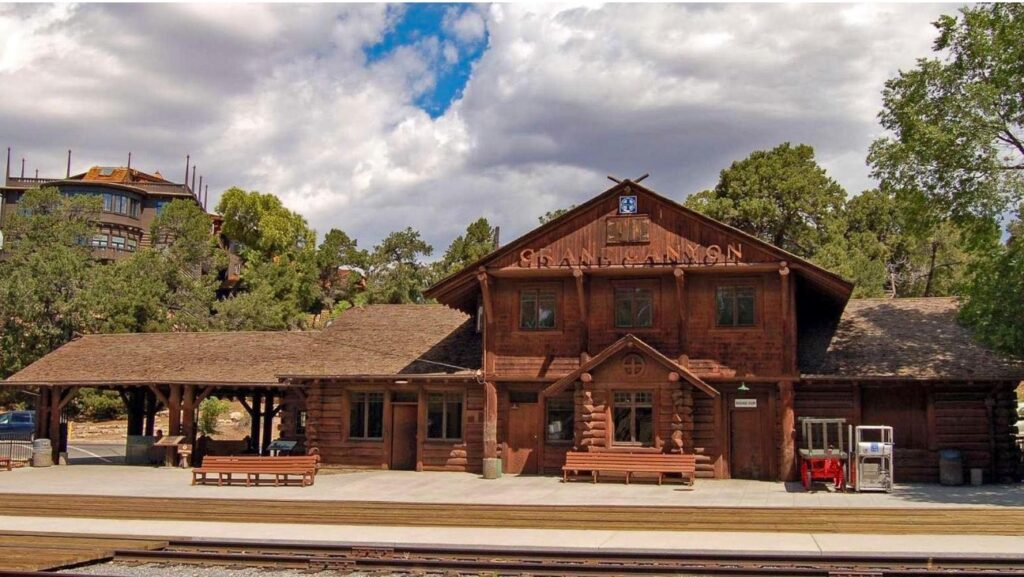
Grand Canyon Railway Depot at the South Rim

Arriving at the Historic Train Depot

The location of the terminus is one of the railway’s most interesting features.

The Grand Canyon Railway Depot was built in 1909–1910 and is now a National Historic Landmark. According to the National Park Service, it is one of only three surviving examples of the 14 log depots built in the United States and the only one of those three still serving an operating railroad.

The station is exceptionally well placed for visitors. A short walk uphill leads toward the El Tovar Hotel and the canyon rim, allowing passengers to begin exploring almost immediately after leaving the train. The National Park Service guide to the Grand Canyon Train Depot provides more detail about the building and its unusual place in American railway history.

The Sonsy Verdict

The Grand Canyon Railway is most appealing to travellers who value historic rail travel as much as convenience. Rail enthusiasts have an obvious reason to choose it, while families may enjoy the deliberately playful Wild West entertainment. For other visitors, the decision comes down largely to how much flexibility they want.

A car gives you greater freedom to set your own schedule and makes it easier to reach areas beyond the railway’s immediate destination. The train trades some of that independence for atmosphere, history and a very different approach to the national park.

The railway is therefore not automatically the best way to visit the Grand Canyon. Its real value lies elsewhere: it turns getting there into an experience of its own.

Related posts

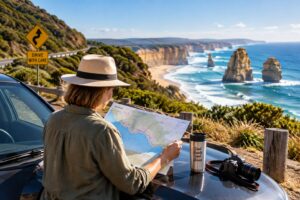
Traveler checking a map beside a car during a coastal road trip in Victoria, Australia

Australia’s Most Iconic Coastal Drive

Drive one of Australia’s most spectacular coastal routes, from surf towns and rainforest to limestone cliffs and the Twelve Apostles. The Great Ocean Road combines dramatic scenery, fascinating history and the freedom of a classic road trip.
Read More »

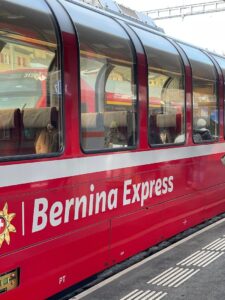
Swiss Mountain Tracks

The Bernina Express crosses the Alps through high mountain scenery and remarkable railway engineering. This guide follows the changing landscape from glaciers to valleys and helps you decide how to experience the route.

Read More »

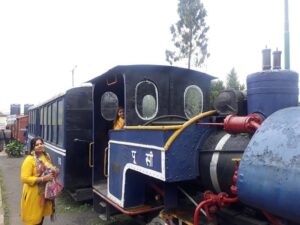
Darjeeling Himalayan Railway

The Darjeeling Himalayan Railway climbs through West Bengal on a historic narrow-gauge line. Learn what makes its engineering distinctive, where Batasia Loop and Ghoom fit into the route, and how to choose a train journey.

Read More »

The Ultimate American Road Trip

Route 66 is America’s legendary road trip, stretching from Chicago to California through eight states. Discover historic towns, desert landscapes, classic roadside landmarks and surviving sections of the Mother Road, plus practical tips for planning the journey and experiencing the Route 66 centennial in 2026.

Read More »
Historic Orient Express dining car with original wooden interior

Orient Express

The Orient Express has defined luxury rail travel for more than a century. Discover its fascinating history, how the Venice Simplon-Orient-Express recreates the experience today, the classic routes from Paris to Venice and Istanbul, what life aboard is really like, current costs, and whether this legendary train journey is worth it.

Read More »
Scroll to Top