Germany: From Fairytale Castles to Modern Marvels

Germany’s 16 federal states offer distinct landscapes, food traditions and cultural identities. Hamburg’s waterfront reflects centuries of maritime trade, Berlin explores the difficult history of division and reunification, and Bavaria brings royal palaces into an Alpine setting. Between them lie university towns, vineyard-covered river valleys and industrial cities where factories, design museums and football grounds offer different ways to understand the country.

For visitors, these regional identities make Germany rewarding to explore beyond its best-known landmarks. A cathedral visit can sit comfortably alongside a manufacturing tour, while a city break can include woodland walks, contemporary art or an evening of live music. Choose a manageable part of the country and let its history, landscapes and everyday life shape the journey.

Basic Facts at a Glance

  • Capital: Berlin
  • Region: Central Europe
  • Population: Approximately 83.5 million at the end of 2025
  • Official language: German
  • Currency: Euro (EUR)
  • Time zone: CET (UTC+1), changing to CEST (UTC+2) in summer

Best Time to Visit 

Late spring and early autumn can suit a trip combining cities and countryside, with conditions varying by region and year. Summer brings long days and opportunities for outdoor events, but popular destinations can be busy and hot. Winter offers Christmas markets and indoor cultural visits; check individual market dates, and do not assume that snow is guaranteed outside mountain areas.

Germany’s Cities, Heritage and Contemporary Culture

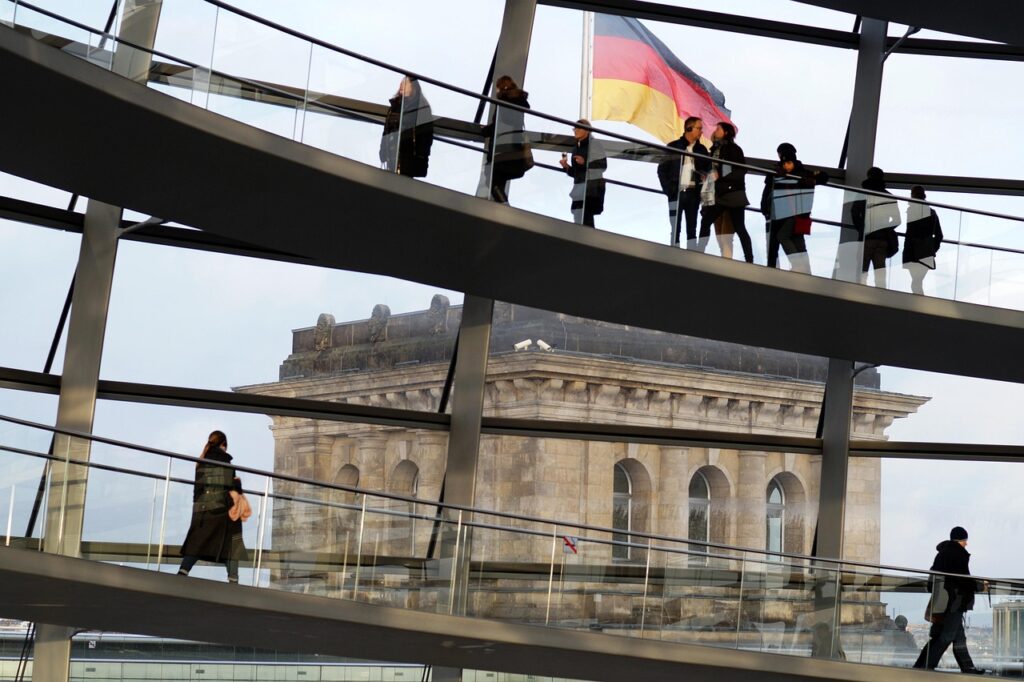
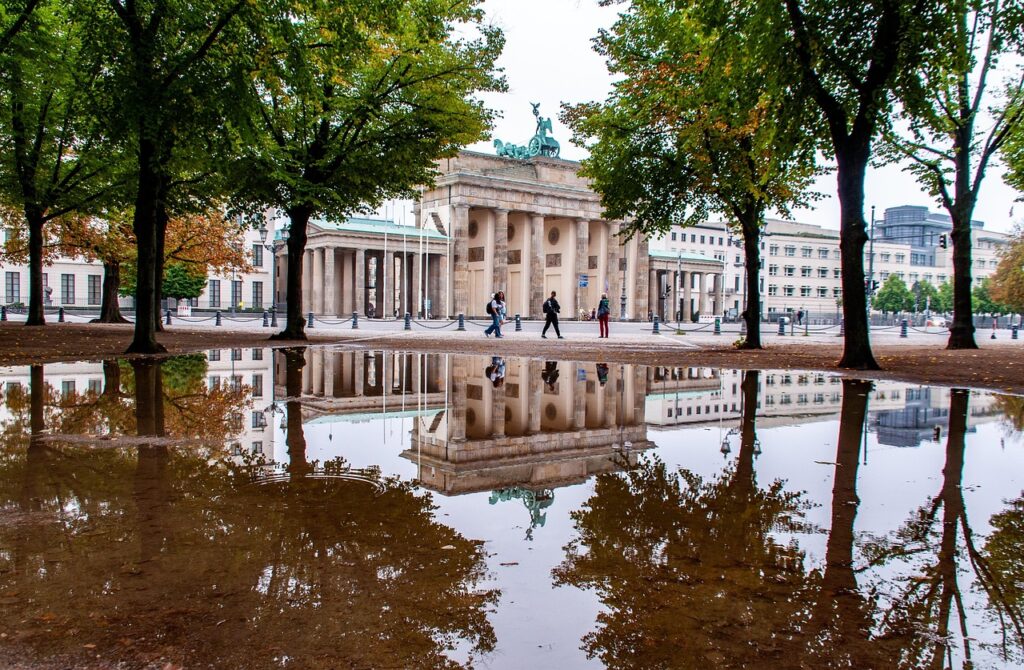
Berlin is a natural starting point for travellers interested in modern European history. The Brandenburg Gate, the Berlin Wall Memorial and the city’s museums help explain the upheavals of the twentieth century. Allow time between the major sights: neighbourhood cafés, parks and contemporary cultural spaces reveal a capital whose identity continues to develop.

Munich brings together royal heritage, major museums and the social traditions of markets and beer gardens. Its location also makes it a useful starting point for exploring southern Bavaria, although excursions into the Alps deserve realistic travel time. In Hamburg, the harbour, former warehouse districts and contemporary waterfront architecture introduce a city shaped by international trade.

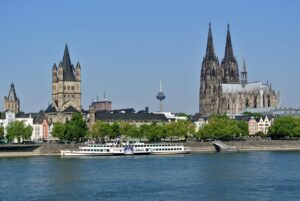
Cologne’s cathedral provides a striking arrival beside the main railway station, but the region’s history extends well beyond that landmark. Roman remains, Romanesque churches and the palaces of nearby Brühl offer several different periods to explore. Our guide to Cologne’s heritage brings these places together for visitors planning a stay in the Rhineland.

Smaller cities can give a journey a more relaxed rhythm. Heidelberg combines a riverside setting with a historic university town, while Lübeck’s brick architecture reflects its trading past. Rather than adding several brief stops, consider spending enough time in one place to explore beyond its central square.

Contemporary culture adds another dimension to Germany’s cities. In Leipzig, the Spinnerei art complex brings galleries and exhibitions into a former cotton mill, offering a different perspective on the city through contemporary visual art. Hamburg’s Elbphilharmonie combines its striking waterfront architecture with a programme extending beyond classical music to jazz, electronic sounds and new orchestral works. Checking the Elbphilharmonie’s programme before travelling can turn an architectural stop into an evening of live music. An exhibition or performance also gives visitors a chance to experience cultural life alongside local audiences.

Landscapes, Castles and Coastal Regions

Neuschwanstein is Germany’s most recognisable royal fantasy: a nineteenth-century palace inspired by an idealised medieval world. Its mountain setting is an important part of the experience, but visiting involves more than arriving at the entrance. Check the official Neuschwanstein visitor information for tours and arrangements, and allow time for the approach from Hohenschwangau.

The Rhine and Mosel valleys offer a different relationship between landscape and history. Castles overlook river bends, vineyards cover steep slopes, and towns provide bases for walks, boat trips and regional food. A riverside stay allows time to enjoy these connections without turning each castle into another stop on a crowded checklist.

In the southwest, the Black Forest combines wooded hills, villages and spa towns, with routes ranging from gentle outings to demanding hikes. Farther south, the Bavarian Alps bring lakes and mountain scenery, where weather and elevation need to shape the day’s plans. Choose walks by gradient, surface and distance rather than relying on the apparent simplicity of a photograph.

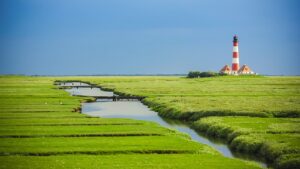
Northern Germany introduces a much flatter coastal landscape. Along the North Sea, the Wadden Sea changes with the tides and supports an extraordinary range of birdlife. Mudflat excursions require local knowledge and careful timing; join an organised guided walk rather than treating exposed seabed as an ordinary beach.

Engineering, Manufacturing and Sporting Culture

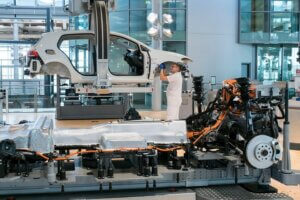
Germany’s engineering heritage becomes particularly interesting when visitors can see how objects are designed, produced and used. Automotive museums introduce changes in technology and everyday life, while factory visits offer a more direct encounter with production. These are different experiences, so check whether a booking covers exhibitions, a working factory or both.

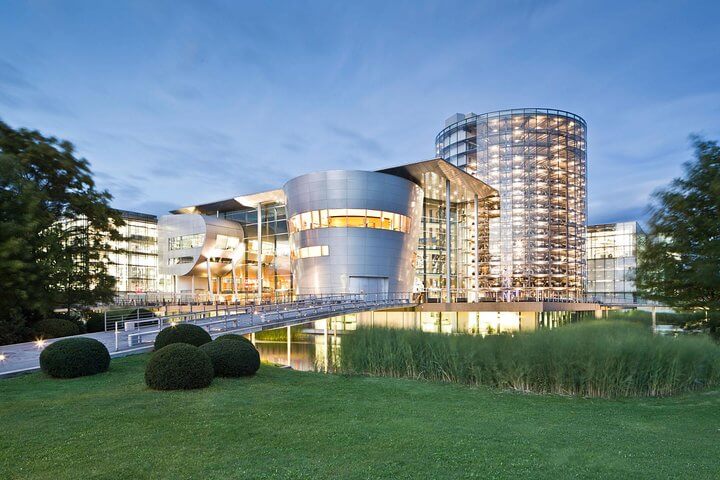
Wolfsburg is a useful example of that distinction. The Autostadt visitor complex and Volkswagen factory tours have different arrangements, and access to production depends on the available programme. Our guide to the Volkswagen Autostadt and factory tour explains the options before you build a visit into your itinerary.

Autostadt visitor complex beside the Volkswagen factory in Wolfsburg

Industrial heritage also extends beyond cars. Former production sites in the Ruhr region show how mining and heavy industry shaped communities, while their reuse for museums and cultural activities adds another chapter. These places can give context to a part of Germany that is often overlooked in itineraries focused on castles and historic centres.

Football offers another way to understand local identity. A stadium tour reveals the infrastructure behind the matchday experience, from circulation routes to media and hospitality spaces. The BayArena stadium tour in Leverkusen fits naturally into a Rhineland stay, with tour availability and access depending on the club’s event calendar.

German Food and Regional Traditions

German cooking varies considerably by region. In the south, dishes such as Spätzle and dumplings feature prominently, while northern menus give more space to fish. The Rhineland has its own specialities, including Sauerbraten, and bakeries across the country make bread, rolls and cakes an enjoyable part of an ordinary sightseeing day.

Migration has also shaped everyday eating in Germany. Italian restaurants, Turkish bakeries and döner shops have become familiar parts of many towns and cities, alongside Greek tavernas and more recent Syrian and other Middle Eastern eateries. For visitors, these offer another way to explore local food culture: a day might include bread from a traditional German bakery, döner for lunch and regional cooking in the evening. The mix varies by neighbourhood, with markets and small family-run restaurants providing opportunities to discover how different culinary traditions have become part of contemporary German life.

Markets are useful places to explore seasonal ingredients and local habits. Depending on the time of year, menus may feature asparagus, mushrooms or game, while contemporary restaurants interpret regional traditions in different ways.

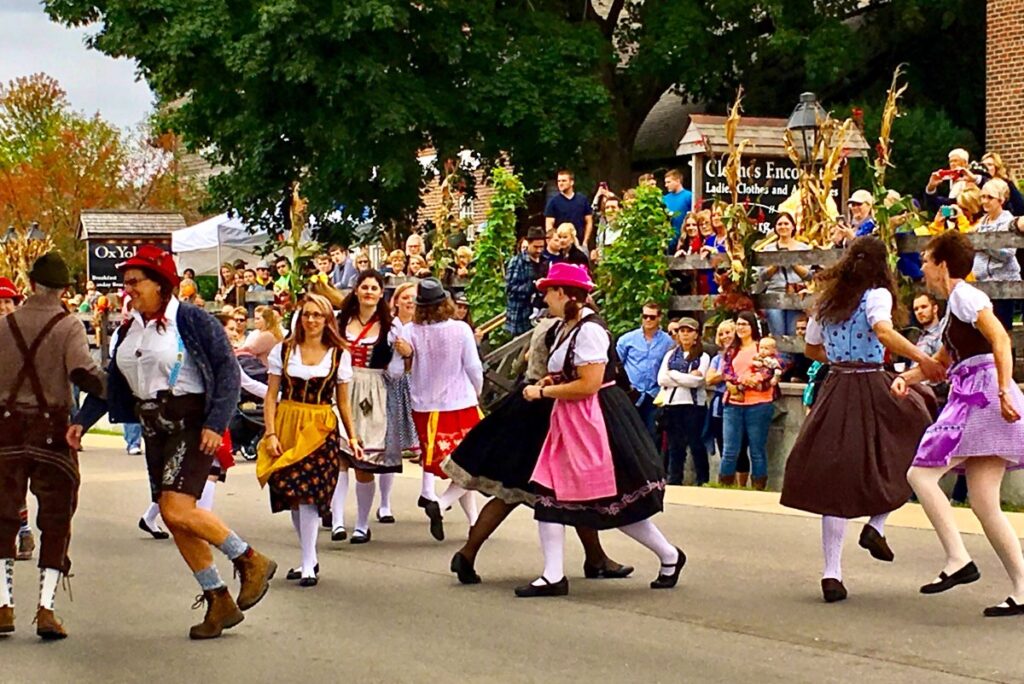
Drinks and festivals are closely connected to Germany’s regional identities. Cologne has Kölsch, while the Rhine and Mosel valleys are associated with wine, particularly Riesling. In Munich, Oktoberfest brings Bavarian beer, food, traditional dress, music and fairground attractions together in a large and lively celebration. Despite its name, the festival begins in September and continues into early October. Expect crowds and a noisy atmosphere; travellers who prefer a quieter introduction to Bavarian hospitality may find a neighbourhood beer garden more comfortable. If the festival is central to your trip, arrange accommodation well ahead and check the programme for your travel dates.

Getting Around

Late spring and early autumn can suit a trip combining cities and countryside, with conditions varying by region and year. Summer brings long days and opportunities for outdoor events, but popular destinations can be busy and hot. Winter offers Christmas markets and indoor cultural visits; check individual market dates, and do not assume that snow is guaranteed outside mountain areas.

Rail is a practical option for many journeys between major cities. ICE and IC services connect important destinations, while regional trains extend the network to smaller towns. Compare journey times and changes, allow a reasonable connection margin, and check the live itinerary before departure. A route that looks efficient on paper may become tiring when several transfers are involved.

The Deutschlandticket covers participating local and regional public transport across Germany, but generally excludes long-distance ICE, IC and EC trains. It is a subscription tied to calendar months, with cancellation conditions that matter for a short visit. Read the official Deutschlandticket guidance and compare it with local day tickets or regional passes according to your actual journeys.

A car can be useful for rural accommodation, smaller villages and routes with infrequent public transport. In city centres, parking and traffic may make it less convenient than trains, trams or buses. Plan driving days around distance and likely congestion, and check accommodation parking before booking.

 For everyday practicalities, carry a little cash alongside your cards and confirm payment options at smaller establishments. Check shop opening hours when arriving at weekends or on public holidays. These simple preparations help avoid spending sightseeing time looking for basic supplies.

Safety conditions vary between neighbourhoods, and descriptions of “Muslim no-go zones” are not a reliable basis for planning a visit. A neighbourhood’s religious or ethnic composition alone does not establish its safety. Local crime and targeted harassment nevertheless deserve attention: Berlin’s police leadership has advised visibly Jewish and openly LGBT+ people to exercise additional awareness in some areas. Consult current official travel advice and local police guidance, take particular care with belongings around busy stations and crowded places, and seek specific local advice if you have concerns about an evening route.

Final Verdict

Germany is particularly rewarding for travellers who enjoy understanding how a place works: its history, its industries, its regional traditions and its everyday routines. The range of experiences makes it possible to build a trip around a specific interest while leaving room for discoveries nearby. A factory visit, a river journey or an afternoon in a smaller town can become as memorable as a famous landmark. For a first visit, choose one or two connected regions and give them enough time. The Rhineland combines heritage and sporting culture, Bavaria brings cities and Alpine landscapes together, and northern Germany offers maritime towns and coastal nature. A realistic route, with room for weather changes and unhurried stops, makes the country’s variety easier to appreciate.

Related posts

Bayer Leverkusen fan inside the BayArena stadium

BayArena Stadium Tour

A behind-the-scenes tour takes you inside Bayer Leverkusen’s BayArena. Visit areas such as the players’ tunnel, pitchside, press conference room and VIP sections while discovering the character of one of Germany’s most compact modern football grounds. You’ll also find tips for planning your visit well in advance.
Read More »
Cologne World Heritage skyline with Cologne Cathedral and the Rhine

Cologne’s World Heritage

Cologne Cathedral is only one part of the region’s World Heritage story. Discover how the Roman frontier and the Rococo palaces of Brühl add different chapters, with practical guidance for visiting them.

Read More »
Wadden Sea salt marshes with lighthouse and tidal channel

The Wadden Sea

The Wadden Sea changes with every tide, revealing broad mudflats that support migratory birds and coastal wildlife. Discover why this North Sea landscape is protected and what visitors should understand before exploring it.

Read More »
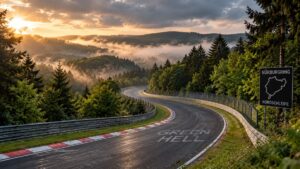
Nürburgring Nordschleife winding through the forested Eifel landscape in Germany

Nürburgring Experience

The Nürburgring Backstage Tour reveals another side of this historic circuit. See selected areas, learn about the Nordschleife and Green Hell, and find practical information on tickets, tour duration, accessibility and other visitor experiences, including how to plan your time there.

Read More »
Volkswagen Factory Tour in Wolfsburg, Germany

The City of Cars

Wolfsburg offers several ways to encounter Volkswagen’s history and production. Compare Autostadt’s exhibitions and visitor spaces with the separate factory tour to decide which experience belongs in your itinerary.

Read More »
Scroll to Top