Angkor Wat and the Temples of Angkor: A Practical Guide

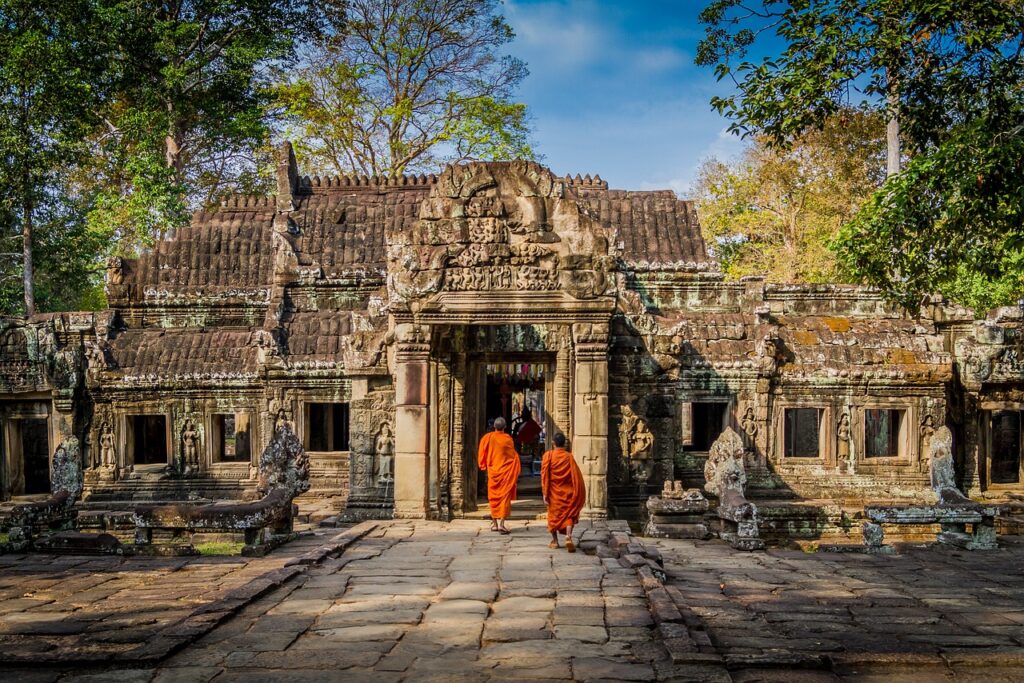
Two Buddhist monks walking toward a carved temple entrance in the Angkor archaeological park near Angkor Wat

Angkor Wat is often the first image that comes to mind when people think of Cambodia. Yet it is only one part of Angkor, a vast landscape of temples, former cities, reservoirs and villages near Siem Reap. Visiting becomes more rewarding when there is time to look beyond the famous towers—and when the day is planned around the distances, heat and uneven ground.


A Living Part of Cambodia’s History

King Suryavarman II built Angkor Wat in the early 12th century as a Hindu temple dedicated to Vishnu. Over time, it became a Buddhist place of worship.

Elsewhere in Angkor, successive Khmer rulers built temples, roads and water systems across an area now recognised as the Angkor World Heritage Site.

Angkor’s political centre changed over the centuries, but the story of its temples did not end when the Khmer capital moved. People still live within the archaeological park, and religious practices remain part of its life. That continuing connection matters as much as the stonework when visiting the site.

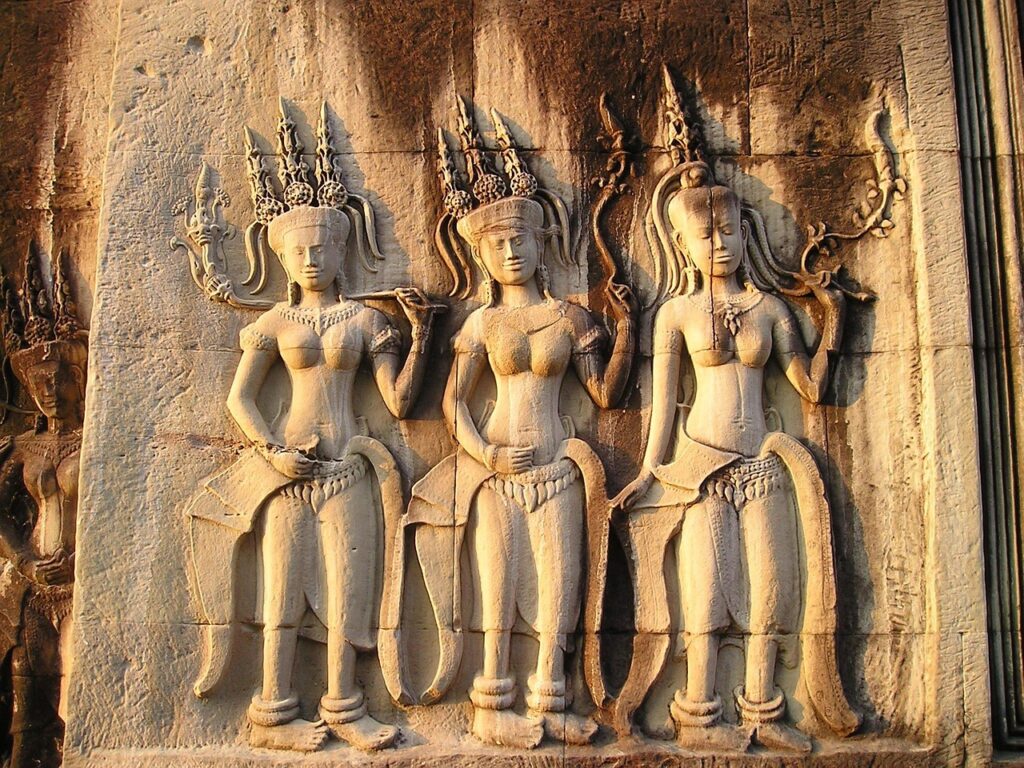
Three carved figures on a stone relief at an Angkor temple near Angkor Wat, Cambodia

Which Temples Should You See?

Angkor Wat deserves time for its long galleries and carved reliefs, as well as its familiar outline across the water. The central sanctuary involves steep stairs; seeing the lower levels is a worthwhile visit in its own right.

Bayon, within the walled city of Angkor Thom, is known for its carved stone faces and reliefs showing scenes of life in the Khmer Empire. Nearby gates and terraces help convey the scale of the former city.

Ta Prohm brings trees and temple architecture into close view. Its roots are striking, but the site is carefully maintained and restored; it is not a ruin simply left untouched by the jungle.

Banteay Srei offers a different experience, with finely carved pink sandstone on a smaller scale. It lies farther from the main group of temples, so allow extra travel time rather than squeezing it into an already full day.

There is no need to see all four in one visit. Angkor Wat, Bayon and Ta Prohm make a substantial introduction. A second day allows more time at each temple or a separate trip to Banteay Srei.

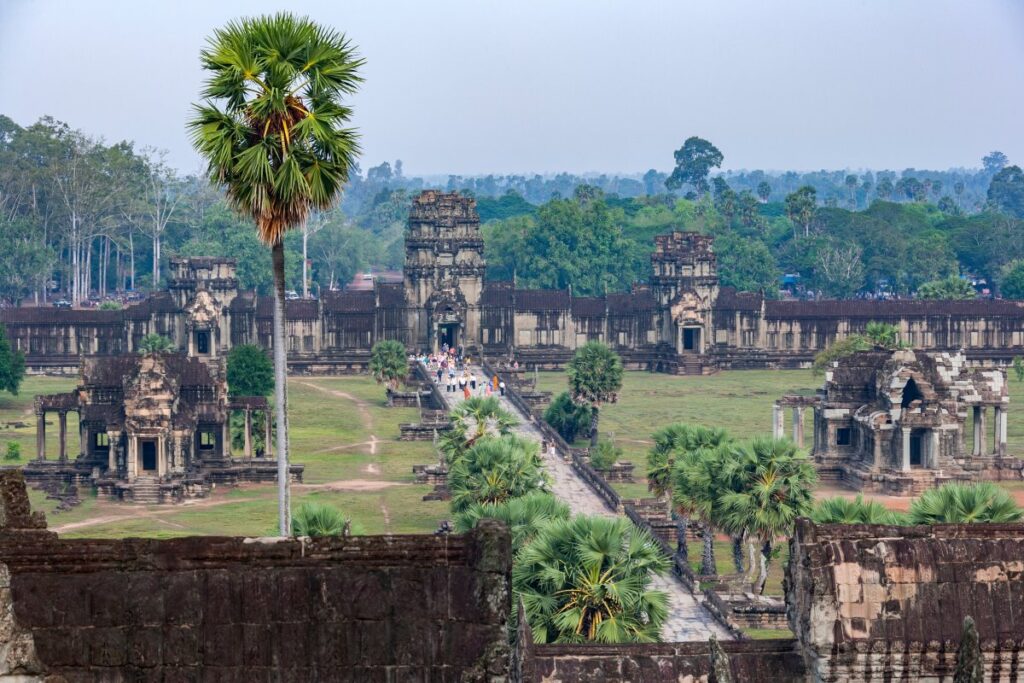
Elevated view of an Angkor temple complex near Angkor Wat, with a long central walkway, stone gateways and palm trees

Getting to Angkor and Around the Park

Siem Reap is the usual base for exploring Angkor. If arriving by air, check your transfer from Siem Reap–Angkor International Airport (SAI) to town in advance; an airport shuttle and private road transfers are available. The temples themselves are spread out, so visitors normally arrange transport from Siem Reap for the day. A tuk-tuk gives an open-air view between stops, while a car offers more protection from heat and rain. Before setting off, agree on the route, waiting time and return journey with your driver. If walking is difficult, discuss how close the vehicle can stop to each entrance. The drive between temples can be easy; the walking begins after you arrive.

If you are combining the temples with a journey through Cambodia and southern Vietnam, our Mekong River Cruise guide explains how Siem Reap can fit into the itinerary and why the transfer from the ship may vary.

Tickets, Timing and Temple Etiquette

Visitors can choose an Angkor Pass for one, three or seven visiting days. Check the current validity rules and purchase options through Angkor Enterprise before planning your temple visits. Angkor Wat opens early enough for sunrise visits, but other temples may have different opening times.

Sunrise is an option, not a requirement. An early start can also mean visiting after daylight, before the strongest heat, without committing to the busiest dawn viewpoint. The drier months, especially November to February, generally bring more comfortable walking conditions; rain can make stone and earth paths slippery at other times of year. Angkor’s temples are sacred places. Cover your shoulders and knees, follow signs and staff directions, and avoid touching carvings or climbing on fragile structures. Carry water and plan breaks between sites: even a short list of temples can make for a long day outdoors.

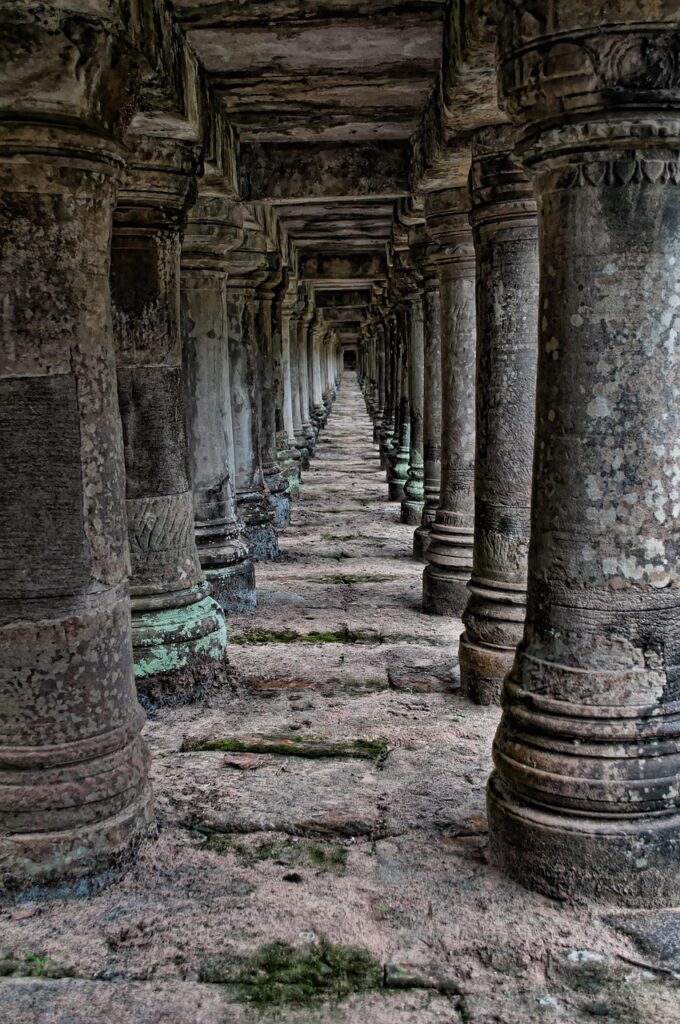
Weathered stone columns and uneven paving in a temple corridor in the Angkor Wat area of Cambodia

Visiting with Limited Mobility

Angkor is a challenging archaeological landscape for wheelchair users and anyone who finds long walks, steps or uneven surfaces difficult. Entrances may involve lengthy approaches, and temple interiors can have thresholds, narrow passages and steep stairs. Conditions vary from one temple—and sometimes one route through it—to another. Rain and heat can add to the effort.

Arrange a vehicle that suits your transfer needs and plan a short route with generous breaks. Before booking a guide or driver, ask about the walking distance from each drop-off point, the steps on the intended route and whether you can enjoy a particular temple from its accessible outer areas.

Do not assume that a pass covering many temples means each temple can be explored in the same way. Angkor Wat’s central sanctuary is only one part of the experience. Taking time at the lower galleries or choosing fewer stops can make the visit more comfortable and leave more room to appreciate what you do see.

For other places where history and the experience of visiting are closely connected, explore our World Heritage guides.

Related posts

The Forbidden City in Beijing

Beijing’s Forbidden City was the ceremonial centre of imperial China. Follow its south-to-north visitor route, understand the spaces beyond the main courtyards, and prepare for advance booking, queues and a substantial walk.


Read More »
The Great Sphinx with two of the Pyramids of Giza in the background

Giza: Ancient World Wonders

The Pyramids of Giza extend beyond the familiar skyline. Learn what to see across the plateau, how to get there from Cairo, and what uneven ground, pyramid interiors and persistent on-site offers mean for your visit.

Read More »
The Great Wall of China winding across green mountain ridges, with watchtowers along the route

Journey Through Time and Stone

The Great Wall offers very different experiences at its sections near Beijing. Compare the character of Badaling, Mutianyu and Simatai, including transport, walking conditions and the limits of routes described as accessible.

Read More »
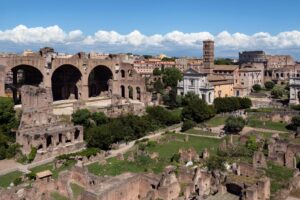
anoramic view of the Roman Forum in Rome

Timeless Journey Rome

Rome’s historic centre layers ancient ruins, churches, Renaissance streets and Baroque squares into a walkable city. This guide connects familiar landmarks with the history around them and helps you make sense of the UNESCO-listed area.

Read More »
Wadden Sea salt marshes with lighthouse and tidal channel

The Wadden Sea

The Wadden Sea changes with every tide, revealing broad mudflats that support migratory birds and coastal wildlife. Discover why this North Sea landscape is protected and what visitors should understand before exploring it.

Read More »

Swiss Mountain Tracks

The Bernina Express crosses the Alps through high mountain scenery and remarkable railway engineering. This guide follows the changing landscape from glaciers to valleys and helps you decide how to experience the route.

Read More »

Darjeeling Himalayan Railway

The Darjeeling Himalayan Railway climbs through West Bengal on a historic narrow-gauge line. Learn what makes its engineering distinctive, where Batasia Loop and Ghoom fit into the route, and how to choose a train journey.

Read More »
Cologne World Heritage skyline with Cologne Cathedral and the Rhine

Cologne’s World Heritage

Cologne Cathedral is only one part of the region’s World Heritage story. Discover how the Roman frontier and the Rococo palaces of Brühl add different chapters, with practical guidance for visiting them.

Read More »
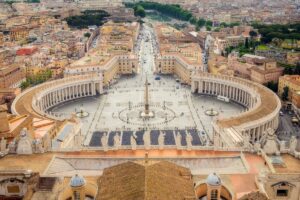
St Peter’s Square viewed from the dome in Vatican City

Vatican City

Vatican City brings St Peter’s Basilica, the Vatican Museums and the Sistine Chapel into a remarkable historic setting. Our guide looks at its art, continuing religious life and the work involved in preserving its collections.

Read More »
Scroll to Top