Norwegian Fjords Cruise
Norway’s fjord routes explore western inlets, while northern itineraries reach Arctic landscapes. Compare Geiranger, Flåm, Lofoten and Tromsø, including seasonal light, shore excursions and rules in protected fjords.
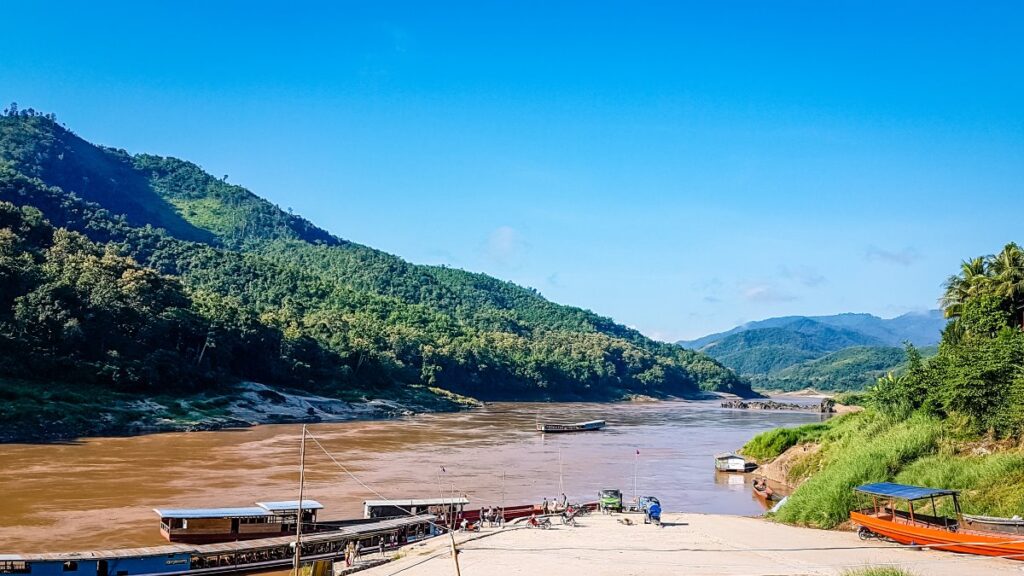
The Mekong is more than a route through Southeast Asia. Along its banks, fishing boats pass riverside temples, ferries shuttle between communities, and everyday life remains closely connected to the changing rhythm of the water. Rising on the Tibetan Plateau, the river travels through or along six countries — China, Myanmar, Laos, Thailand, Cambodia and Vietnam — before reaching the South China Sea. Yet the classic Mekong River cruise explores only its lower reaches, most commonly connecting southern Vietnam with Cambodia. Rather than moving quickly between major attractions, you watch the landscape and everyday life change gradually as the ship moves between two countries. The journey itself becomes part of the experience.
Most longer Mekong cruises between Vietnam and Cambodia follow variations of the same broad route, linking Ho Chi Minh City and the Mekong Delta with Phnom Penh and Cambodia, often as part of a seven-night itinerary. Ho Chi Minh City itself is not directly on the Mekong, so cruise programs generally include a transfer between the city and the ship’s embarkation or disembarkation point.
The Vietnamese section introduces the dense network of waterways that defines the Mekong Delta. Here the river divides into numerous channels running through one of Vietnam’s most productive agricultural regions. Vietnam’s official tourism site provides a useful introduction to the landscapes, communities and experiences of the region.
Crossing into Cambodia changes the character of the journey. The landscape becomes less densely developed in places, while Phnom Penh provides the major urban stop before cruises continue farther into Cambodia. Routes are offered in both directions. The upstream journey moves from Vietnam into Cambodia, while the downstream itinerary reverses the experience. Flight connections and the rest of your Southeast Asian itinerary are usually more important considerations than the direction itself.
Some of the strongest memories of a Mekong cruise may come from places that would barely register on a conventional sightseeing itinerary. Excursions vary between cruise companies, but commonly include small communities, markets, workshops, farms, religious sites and journeys aboard smaller local boats. Depending on the itinerary, you may encounter traditional crafts, rice cultivation, fruit growing or other activities closely connected to the river economy.
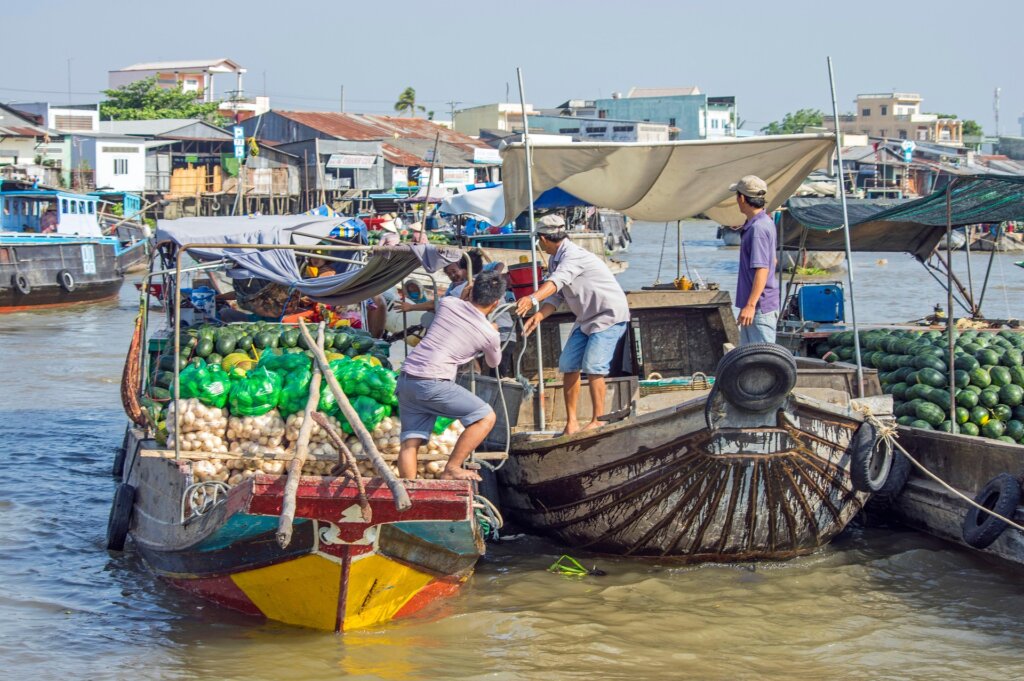
This is also where expectations need adjusting. The Mekong Delta is often promoted through romantic images of crowded floating markets packed with boats selling tropical fruit. River commerce still exists, but traditional floating markets and trading patterns have changed as roads, bridges and modern distribution networks have expanded. A cruise should therefore be approached as an opportunity to observe contemporary life on the Mekong, rather than as a journey into an unchanged past.
Buddhism becomes increasingly visible along the Cambodian section of the journey. Some cruise itineraries include visits to monasteries or pagodas and encounters with monks. These can be memorable experiences, but they are visits to active religious communities rather than staged attractions.
Arriving in Phnom Penh by river provides one of the journey’s most striking transitions. Rural landscapes give way to Cambodia’s busy capital, where the Mekong and Tonle Sap waterways meet. The Royal Palace, with its Throne Hall and Silver Pagoda, introduces visitors to Cambodia’s royal and artistic heritage and remains closely associated with the country’s monarchy. Phnom Penh also confronts visitors with a much darker chapter of Cambodian history. Many cruise itineraries offer excursions connected with the Khmer Rouge period, including Tuol Sleng Genocide Museum, the former S-21 detention centre, and the Choeung Ek memorial site.
These are emotionally difficult places documenting persecution, imprisonment and mass killing. Travelers who would prefer not to visit them should check whether their cruise operator offers alternative excursions.
One misconception is worth clearing up: Angkor Wat is not on the Mekong River. Instead, the Angkor Archaeological Park near Siem Reap forms a natural extension to many Cambodia–Vietnam cruise itineraries. Depending on the operator and itinerary, the connection between the ship and Siem Reap may involve the Tonle Sap system, a road transfer or a combination of the two.
The transition is worth making. The UNESCO-listed Angkor Archaeological Park covers around 400 square kilometres and preserves the remains of successive capitals of the Khmer Empire. Angkor Wat is its most famous monument, but the archaeological landscape also encompasses Angkor Thom, the Bayon, Ta Prohm, reservoirs, canals and many other structures. If Angkor is part of your itinerary, allow more than a rushed visit before flying home. Its scale is difficult to appreciate in a few hours, and its temples reveal very different aspects of Khmer architecture and history.
You can discover more culturally significant destinations in our World Heritage section.
There is no single perfect month for a Mekong cruise. Conditions change with the tropical wet and dry seasons, and each period brings advantages and compromises.
The wetter months generally bring greener landscapes and higher water levels, while the drier season can make sightseeing more comfortable for travelers who dislike heavy humidity and frequent rain.
But water level matters for another reason. The Mekong and Tonle Sap are dynamic river systems, and cruise itineraries cannot always operate exactly as advertised months in advance. Water that is unusually high or low can affect where vessels are able to sail, where passengers embark, and how transfers to or from Siem Reap are handled. This should not necessarily be regarded as a failed itinerary. It is part of traveling on a working river rather than along a fixed railway or highway.
Before booking, check how your chosen cruise company handles changes caused by water conditions and whether transfers are included if the planned navigation route becomes unavailable.
A Mekong cruise is generally less physically demanding than an overland tour covering the same region, but it should not automatically be assumed to be an accessible form of travel. Excursions can involve small boats, uneven landing points, steps, unpaved paths and considerable heat. Some river vessels may also lack elevators between decks. Travelers with limited mobility should ask detailed questions about the ship and individual excursions rather than relying simply on a cruise being described as suitable for older travelers.
Lightweight, breathable clothing works best in the tropical climate. A sun hat, sunscreen and insect repellent are useful, while comfortable shoes with good grip are more practical than formal footwear for shore excursions. When visiting temples and monasteries, carry lightweight clothing that allows you to cover your shoulders and knees when required.
Internet access may be available aboard the ship, but mobile and Wi-Fi connections can become unreliable on remote stretches. It is sensible to download important documents, maps and booking information before departure.
Entry requirements deserve particular attention on an international river cruise. Do not assume that an e-Visa accepted at an airport will automatically be valid at the border crossing used by your ship. Cambodia’s official e-Visa portal provides current information about eligible entry points. Check the precise border crossing with the cruise operator and verify current Cambodian and Vietnamese entry requirements before traveling.
Currency also changes at the border. Vietnam uses the Vietnamese dong, while Cambodia’s national currency is the riel, although US dollars continue to circulate widely in Cambodia. Cards and digital payments are increasingly common in larger towns and cities, but carrying some local currency remains useful for smaller purchases.
Finally, leave some flexibility around the cruise itself. Adding time in Ho Chi Minh City or Siem Reap can turn the voyage from a simple river itinerary into a much broader introduction to Vietnam and Cambodia.
Its great temples and capitals provide the obvious landmarks, but much of the journey happens between them — from a small boat crossing the river to a pagoda appearing above the trees or an ordinary working village waking beside the water.
That is what makes a Mekong River cruise distinctive: Southeast Asia is not simply waiting at the next stop. It is passing by the ship all day long.

Norway’s fjord routes explore western inlets, while northern itineraries reach Arctic landscapes. Compare Geiranger, Flåm, Lofoten and Tromsø, including seasonal light, shore excursions and rules in protected fjords.

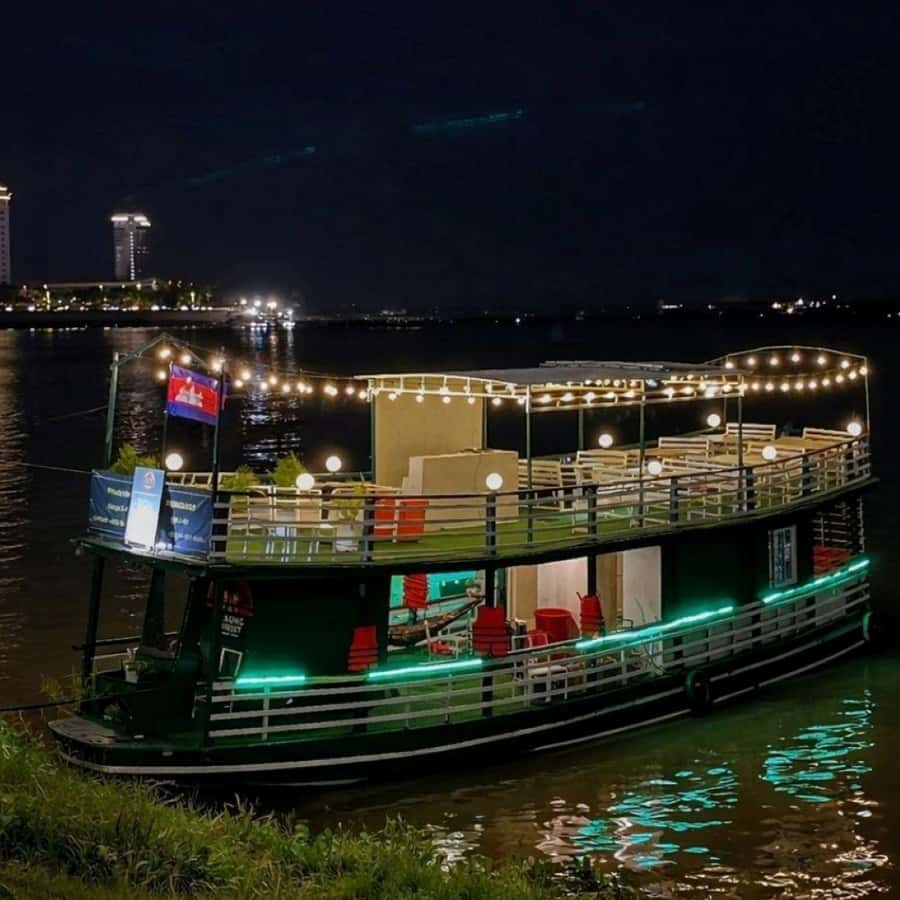
A Danube cruise links historic cities with changing landscapes across Central and Eastern Europe. Compare route choices, including Budapest, Belgrade and the Iron Gates, and consider how much time each itinerary allows ashore.
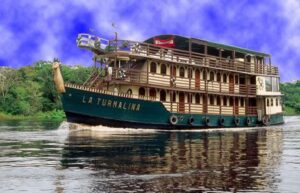
An Amazon cruise changes with the water levels and the region you choose. Compare routes around Iquitos and Manaus, the wildlife and riverside communities you may encounter, and the practical demands of small-boat excursions.
Mediterranean cruises can follow Western or Eastern routes, each with different ports and travel rhythms. Compare city visits, island stops and time ashore so the itinerary matches your interests and the amount of walking you enjoy.
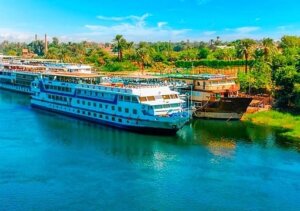
A Nile cruise links Luxor and Aswan through temple visits and river landscapes. See how the classic route works, what changes on longer itineraries and how to plan for heat, shore excursions and archaeological sites.
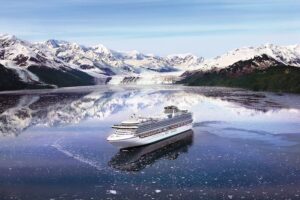
Alaska cruises range from Inside Passage round trips to one-way Gulf of Alaska voyages. Compare ports, glaciers and inland connections, with practical advice on seasons, wildlife viewing and choosing excursions that suit your pace.