Caribbean Cruises: How to Choose the Right Route

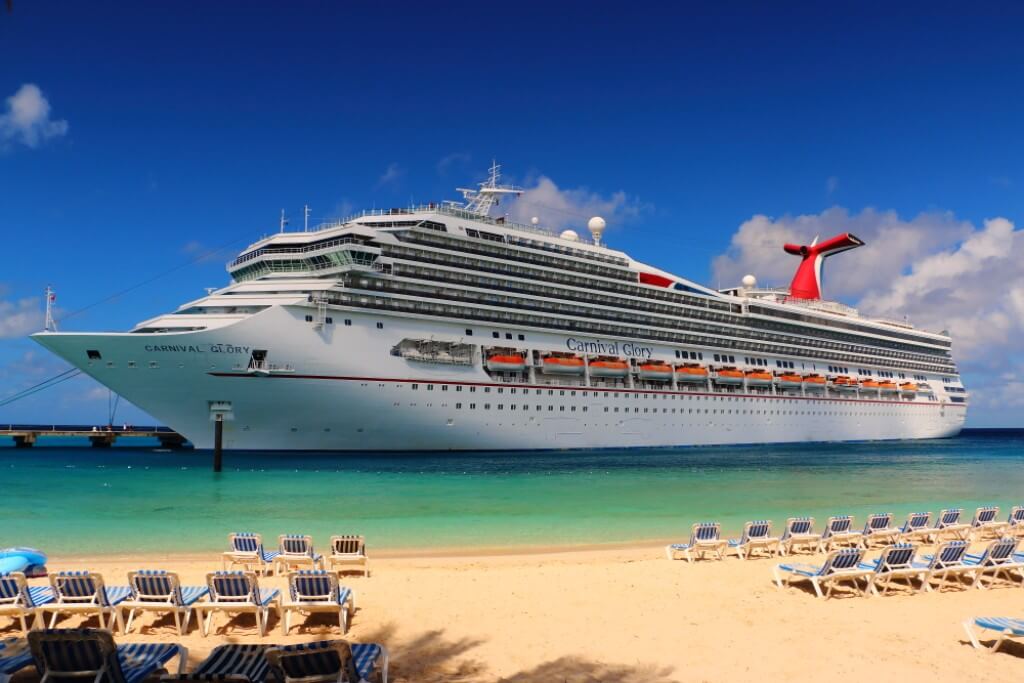
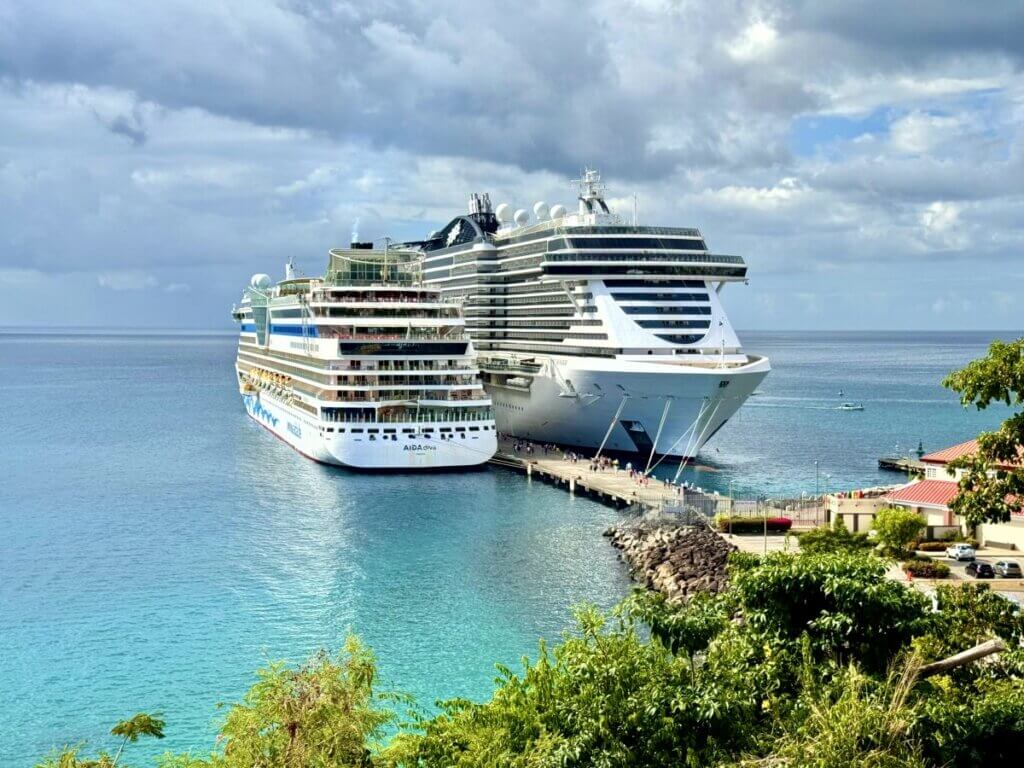
Two cruise ships docked at a Caribbean island port with turquoise water

A Caribbean cruise can mean very different things depending on where you sail. The region covers a vast area, and ports that appear together under the label “Caribbean” can offer completely different experiences. Cruise itineraries are commonly grouped into Eastern, Western and Southern Caribbean routes. These are useful categories rather than strict geographical rules, but understanding the differences is a good starting point for choosing the journey that suits you.

Eastern Caribbean routes tend to emphasize island-hopping, beaches and historic ports. Western itineraries often combine islands with Mexico or Central America and offer particularly varied shore excursions. Southern routes reach farther into the Lesser Antilles and toward the South American coast, bringing another mix of landscapes, architecture and cultures. The regional label provides a useful starting point, but individual cruise lines combine ports in different ways.

Eastern Caribbean: Islands, Beaches and Historic Ports

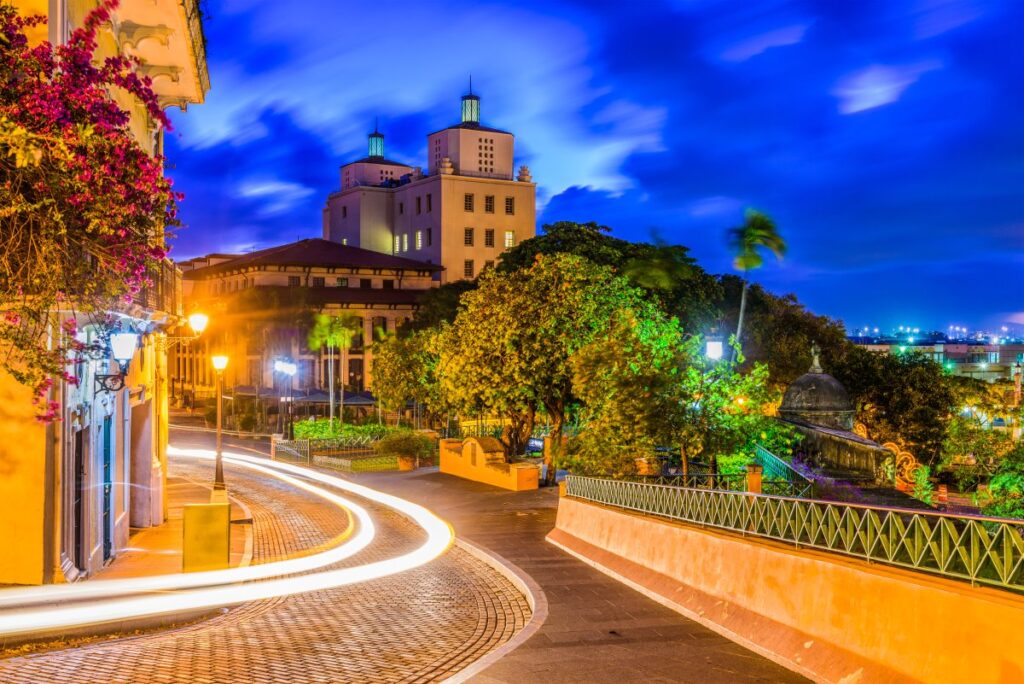
Historic architecture and illuminated streets in San Juan, Puerto Rico

 Eastern Caribbean itineraries are a natural choice for travelers who want several contrasting islands without necessarily planning demanding excursions at every stop.

San Juan is one of the region’s most interesting cruise ports because the historic city adds considerably more than a beach day. Old San Juan’s fortifications, colorful streets and Spanish colonial architecture make it possible to explore centuries of Caribbean history within a relatively compact area.

St. Thomas offers a different combination of beaches, viewpoints and shopping, while the island shared by Sint Maarten and Saint-Martin brings together Dutch and French influences within one small destination. Grand Turk is much smaller and frequently visited for its beaches and water-based activities.

The appeal of an Eastern itinerary is therefore not one particular attraction, but the ease with which several different island environments can be experienced within a single voyage.

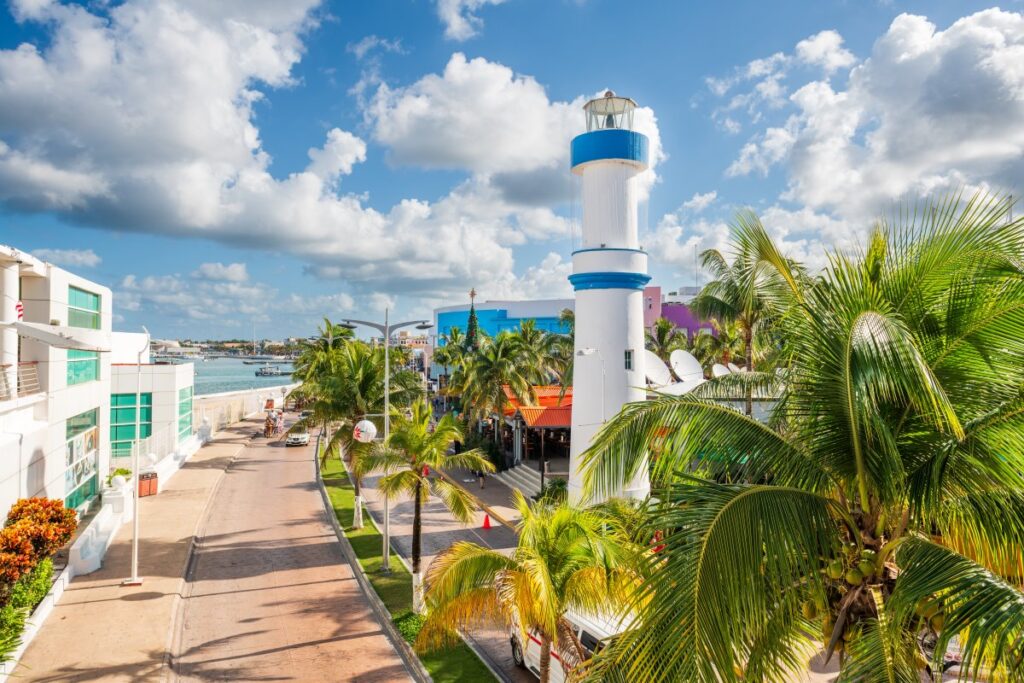
Lighthouse and tropical waterfront in Cozumel, Mexico

Western Caribbean: Reefs, Ruins and Rainforests

Western Caribbean cruises tend to offer some of the greatest variety in shore excursions. Cozumel, off Mexico’s Yucatán Peninsula, is particularly well known for diving and snorkeling. It can also serve as a starting point for excursions to Maya archaeological sites on the mainland.

A visit to Tulum requires a ferry and onward road journey from Cozumel, while Chichén Itzá is considerably farther away. A long archaeological excursion can therefore consume most of a port day and may not suit travelers who prefer a relaxed pace.

Grand Cayman is strongly associated with beaches and marine experiences, while Roatán in Honduras provides access to coral reefs and a greener, more mountainous island landscape. Jamaican ports add another dimension. Depending on where the ship docks, excursions can range from waterfalls and beaches to historic estates and inland landscapes.

This is a region where the logistics of individual shore excursions deserve as much attention as the attractions themselves.

Southern Caribbean: The ABC Islands and the Lesser Antilles

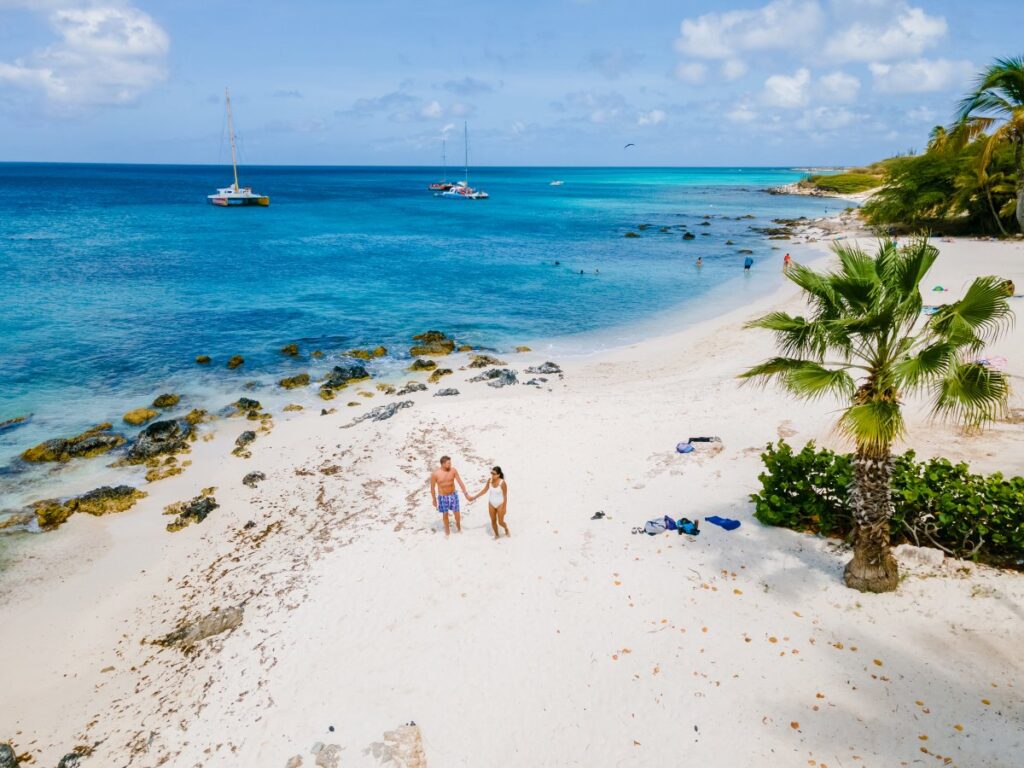
 The ABC Islands — Aruba, Bonaire and Curaçao — lie close to the coast of South America. Aruba is widely associated with beaches and a dry landscape, while Bonaire has an especially strong reputation for diving and marine life.

Curaçao combines those Caribbean elements with one of the region’s most distinctive historic cities. The Historic Area of Willemstad is a UNESCO World Heritage Site whose development reflects Dutch urban planning alongside influences resulting from centuries of trade with other colonial cities around the Caribbean.

Farther east, the landscape changes again. Saint Lucia is mountainous and volcanic, dominated in the southwest by Gros Piton and Petit Piton. The Pitons Management Area is also UNESCO-listed and encompasses not only the two forest-covered volcanic peaks but a wider landscape of volcanic and geothermal features.

These destinations are a reminder that Caribbean cruising is not only about beaches. Architecture, geology and colonial history can be just as important to a port day.

For more destinations recognized for their cultural or natural significance, explore our World Heritage section.

When the Ship Becomes Part of the Destination

The type of ship can fundamentally change a Caribbean cruise. Large resort-style ships may offer extensive entertainment, multiple restaurants, water attractions and enough activities to make days at sea part of the holiday. For families or travelers who enjoy a busy resort environment, the ship itself can be a major part of the experience. Smaller ships offer something different. They may carry fewer passengers and can sometimes visit ports that are impractical for the largest vessels. Onboard life is generally less focused on large-scale entertainment and more closely connected to the destinations.

Private cruise destinations add another option. Several cruise companies operate private islands or purpose-built beach destinations in the Caribbean, and itineraries may devote an entire day to them. These can provide an easy beach day but should be considered separately from visiting an inhabited Caribbean island, where spending and excursions interact more directly with local communities.


When to Cruise the Caribbean

The Caribbean is a year-round cruise region, but weather conditions and visitor numbers vary throughout the year. Winter and early spring are popular periods for cruising, offering an escape from colder climates elsewhere. Summer brings hotter conditions and coincides with school holidays, while autumn falls within the period when tropical weather requires more flexibility.

The Atlantic hurricane season officially runs from June 1 to November 30, with most tropical cyclone activity historically concentrated between mid-August and mid-October. Travelers cruising during this period should follow forecasts from the NOAA National Hurricane Center and understand that itineraries can change when storms threaten particular islands or sea routes.

A cruise ship can change course to avoid dangerous weather, but that does not mean a storm has no effect on a holiday. Ports may be replaced, arrival times altered and flights disrupted before or after the cruise. Travel insurance deserves particular consideration during hurricane season.

Weather also varies considerably across the region. The relatively dry landscapes of the ABC Islands do not have the same climate as mountainous, greener islands farther north and east, so broad descriptions of “Caribbean weather” only tell part of the story.

Planning Your Caribbean Cruise

The first practical decision is often the departure port. Many Caribbean cruises leave from Florida, particularly Miami, Fort Lauderdale and Port Canaveral, although San Juan and several Caribbean islands also serve as embarkation points.

When flying to meet a cruise, arriving in the departure city at least a day before sailing provides useful protection against flight delays or cancellations. A ship will not normally wait for independently arriving passengers whose flights are delayed.

Shore excursions deserve just as much attention as the ship. Check how long the vessel remains in port, how far attractions are from the terminal and whether the ship docks alongside or uses tender boats to take passengers ashore.

That distinction is particularly important for travelers with limited mobility. Modern cruise terminals can be relatively easy to navigate, while tenders, steep gangways, uneven historic streets, beaches and small excursion boats can present very different challenges. Accessibility should therefore be checked port by port and excursion by excursion, rather than assumed from the accessibility of the cruise ship itself.

Clothing can remain simple. Lightweight, breathable clothes, comfortable walking shoes, swimwear, sun protection and something suitable for air-conditioned interiors cover most situations. Evening dress expectations vary considerably between cruise lines, so check the policy of your particular ship rather than packing for a supposedly universal Caribbean cruise dress code.

Entry requirements can also vary because a single itinerary may visit several countries or territories. Passport, visa and documentation rules should be checked against the traveler’s nationality and the exact itinerary rather than assumed from the port of departure.

Finally, resist the temptation to choose solely by the ship or the lowest fare. Look carefully at where the cruise goes, how long it stays there and what you can realistically do during each port call.

A Caribbean cruise works best when those choices match the way you actually like to travel. For some people that means reefs and beaches; for others it means historic streets, volcanic landscapes or long days exploring ashore.

There is no single Caribbean cruise experience — and that is precisely what makes choosing the right route worthwhile.

Related posts

Cruise ships sailing through a protected Norwegian World Heritage fjord

Norwegian Fjords Cruise

Norway’s fjord routes explore western inlets, while northern itineraries reach Arctic landscapes. Compare Geiranger, Flåm, Lofoten and Tromsø, including seasonal light, shore excursions and rules in protected fjords.

Read More »
Danube river cruise routes from Passau through Vienna, Budapest and Belgrade to the Danube Delta

Danube River Cruise

A Danube cruise links historic cities with changing landscapes across Central and Eastern Europe. Compare route choices, including Budapest, Belgrade and the Iron Gates, and consider how much time each itinerary allows ashore.
Read More »
Traditional Amazon River cruise boat sailing through the rainforest

Amazon River Cruise

An Amazon cruise changes with the water levels and the region you choose. Compare routes around Iquitos and Manaus, the wildlife and riverside communities you may encounter, and the practical demands of small-boat excursions.
Read More »
Mediterranean cruise ships docked along the Croatian coast

Mediterranean Cruise

Mediterranean cruises can follow Western or Eastern routes, each with different ports and travel rhythms. Compare city visits, island stops and time ashore so the itinerary matches your interests and the amount of walking you enjoy.
Read More »

Nile River Cruise

A Nile cruise links Luxor and Aswan through temple visits and river landscapes. See how the classic route works, what changes on longer itineraries and how to plan for heat, shore excursions and archaeological sites.
Read More »

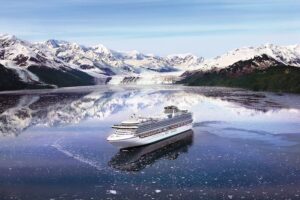
Alaska Cruise

Alaska cruises range from Inside Passage round trips to one-way Gulf of Alaska voyages. Compare ports, glaciers and inland connections, with practical advice on seasons, wildlife viewing and choosing excursions that suit your pace.

Read More »
Scroll to Top