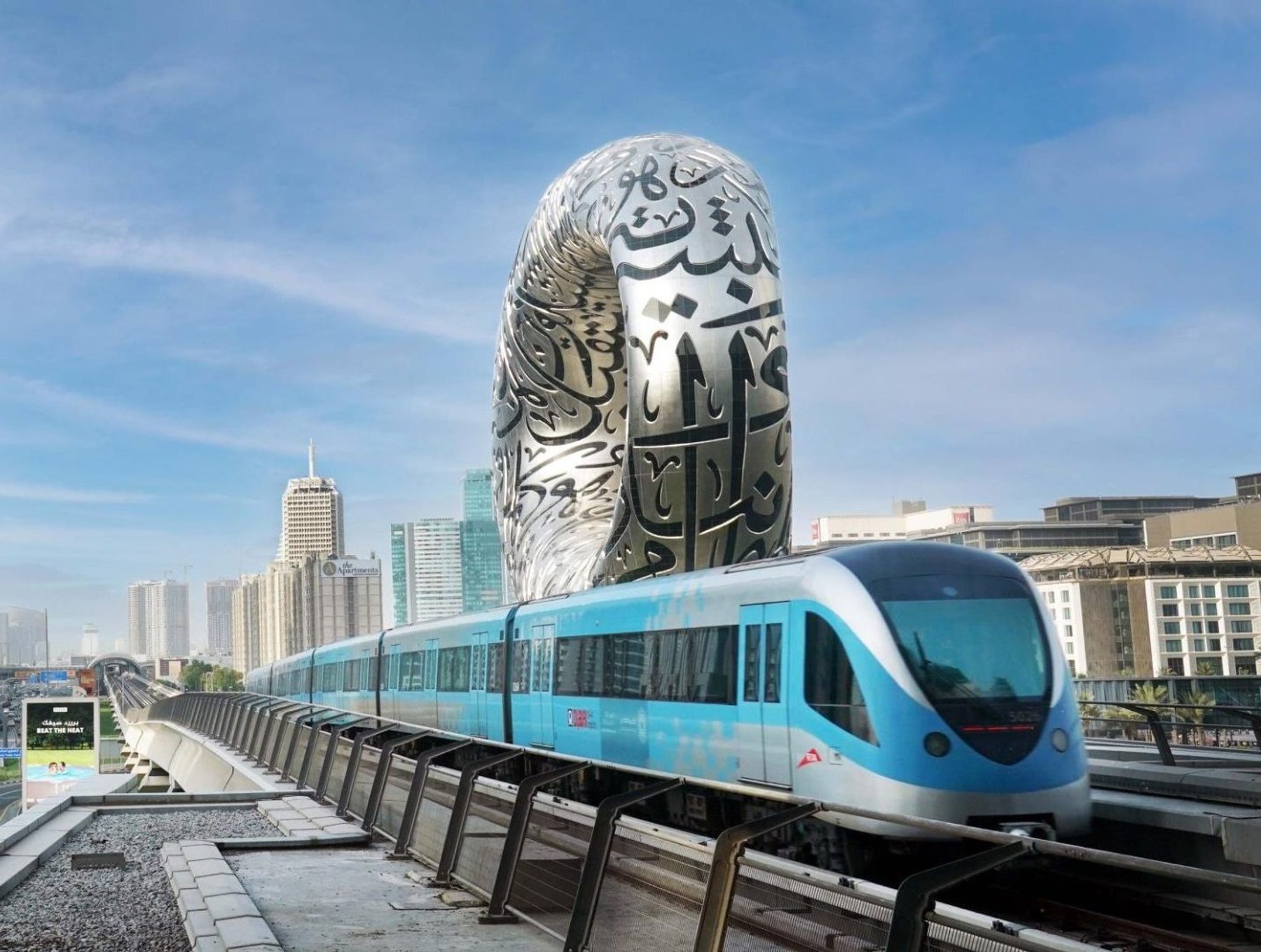
Land of Futuristic Skylines, Ancient Deserts

United Arab Emirates – Land of Futuristic Skylines, Ancient Deserts, and Cultural Harmony

Why Visit the UAE?

The United Arab Emirates (UAE) is a mesmerizing destination where vision turned desert sand into architectural marvels, offering a perfect blend of futuristic innovation, luxury, and deep-rooted Arabian tradition. The country boasts incredibly diverse landscapes, ranging from the dramatic dunes of the Arabian Desert to pristine turquoise gulf coastlines. Travelers can marvel at structural wonders like the Burj Khalifa or seek tranquility in peaceful date palm oases. Beyond the high-end shopping and world-class theme parks, the UAE offers a vibrant cultural tapestry grounded in ancient Bedouin hospitality, coastal pearl-diving heritage, and Islamic traditions. Visitors can savor delicious Emirati cuisine, like slow-cooked Al Harees or aromatic Machboos, while enjoying an exceptionally warm welcome. Whether you seek thrilling dune bashing, luxury relaxation on the beach, or deep historical exploration, the UAE promises an enriching and deeply eye-opening travel experience.

Fun fact: The UAE became the first Arab nation and fifth globally to successfully reach Mars, inserting its Hope Probe into Martian orbit to study the planet’s atmosphere.

Main Attractions

Emirates & Cities

Abu Dhabi: The sleek federal capital, home to the Sheikh Zayed Grand Mosque and cultural institutions.

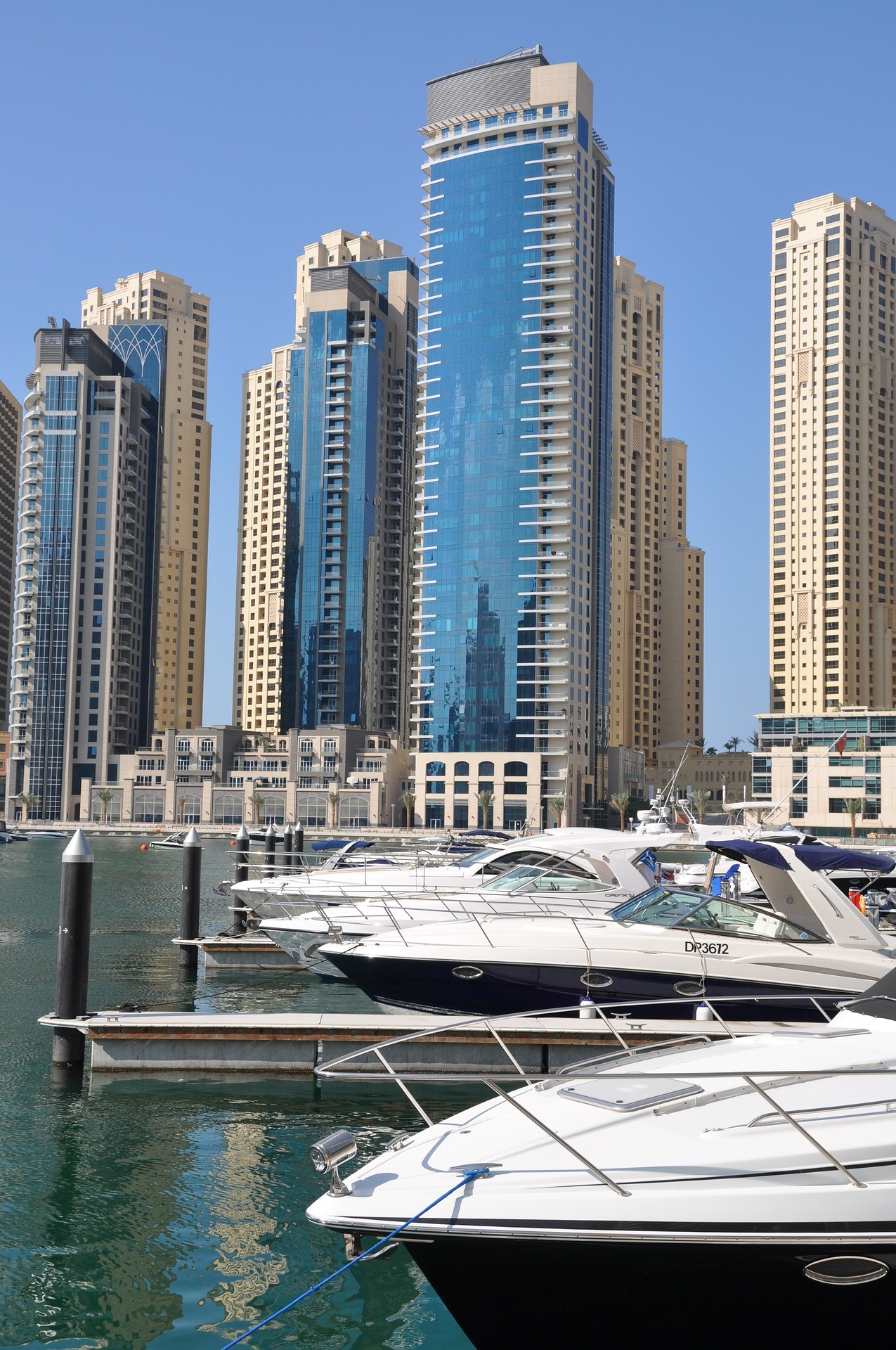
Dubai: Global business and tourism hub famed for record-breaking skyscrapers and premium luxury.

Sharjah: The cultural heartland, rich in authentic museums, Islamic art galleries, and traditional heritage.

Ras Al Khaimah: Adventure capital featuring rugged mountains, zip-lines, and ancient historical forts.

Fujairah: Scenic eastern coast gateway renowned for pristine scuba diving, beaches, and mountain backdrops.

Al Ain: Historic UNESCO-listed garden city located inland, boasting lush ancient oases and historical archaeological parks.

Fun fact: The magnificent Sheikh Zayed Grand Mosque features the world’s largest hand-knotted carpet, crafted by 1,200 artisans, measuring 5,630 square meters.

Natural Wonders

Rub’ al Khali (The Empty Quarter): The world’s largest contiguous sand desert, featuring towering, monolithic dunes.

Hajar Mountains: Rugged, jagged peaks cutting through the eastern emirates, perfect for hiking and outdoor trekking.

Sir Bani Yas Island: Protected wildlife sanctuary home to thousands of free-roaming Arabian oryx, cheetahs, and giraffes.

Jebel Jais: The highest peak in the UAE, offering cool mountain air and panoramic valley views.

Fun fact: The native Arabian Oryx was saved from total extinction through intensive captive breeding programs initiated by the nation’s founding father.

Basic Facts at a Glance


  • Capital: Abu Dhabi
  • Region: Middle East (Arabian Peninsula)
  • Population: Approximately 11.5 million (around 88% foreign residents)
  • Official language: Arabic (English is universally used in business and tourism)
  • Currency: UAE Dirham (AED)
  • Time zone: UTC+4 (Gulf Standard Time)
Climate and Best Time to Visit
  • Climate: Arid desert climate with scorching hot summers and remarkably pleasant, warm winters.

  • Best time: October to April for outdoor explorations; July to August for indoor shopping attractions and theme parks.

Fun fact: The country uses advanced cloud seeding technology, using specialized planes to fire salt flares into clouds to stimulate artificial rainfall in dry regions.

Culture and Traditions

The cultural life of the United Arab Emirates is a vibrant tapestry where ancient nomadic Bedouin customs intertwine seamlessly with modern cosmopolitan life. Traditional art forms like Al-Ayyala (a rhythmic folk dance involving stick-wielding performers) and poetic Nabati recitations are celebrated across generations. Hospitality operates as a core national pillar; arriving guests are warmly greeted with aromatic Arabic coffee (gahwa) infused with cardamom, alongside fresh local dates. Falconry, camel racing, and dhow sailing remain cherished national pastimes, keeping historical survival skills alive in a rapidly advancing technological world. This cultural landscape successfully embraces massive diversity, housing over 200 nationalities with an inspiring spirit of open religious tolerance. Landmark institutions like the Abrahamic Family House in Abu Dhabi feature a mosque, church, and synagogue built side-by-side to champion interfaith harmony.

Fun fact: Pearl diving was the foundational economic backbone of the region for centuries before oil was discovered in 1962.

Food and Drink

Emirati cuisine reflects a rich history of maritime trading, utilizing heavy blends of aromatic spices like saffron, turmeric, cumin, and dried limes. The absolute national culinary centerpiece is Machboos, a fragrant rice dish slow-cooked with heavily spiced meat, chicken, or fish. Meat lovers also enjoy Ouzi, a spectacular festive dish of whole-roasted lamb served over spiced raisin and nut rice. For breakfast, locals cherish Balaleet—sweet vermicelli noodles topped with a savory omelet—or warm, fluffy Luqaimat, which are deep-fried dough balls drizzled with sweet date syrup. The coastal location ensures fresh local seafood like Hammour (grouper) is widely available. To drink, nothing tops Karak Chai, a strong, sweet, spiced milk tea boiled with cardamom, followed by traditional Arabic coffee.

Fun fact: Dates are an integral part of daily life, with over 40 distinct varieties grown locally across millions of cultivated palms.

Getting Around

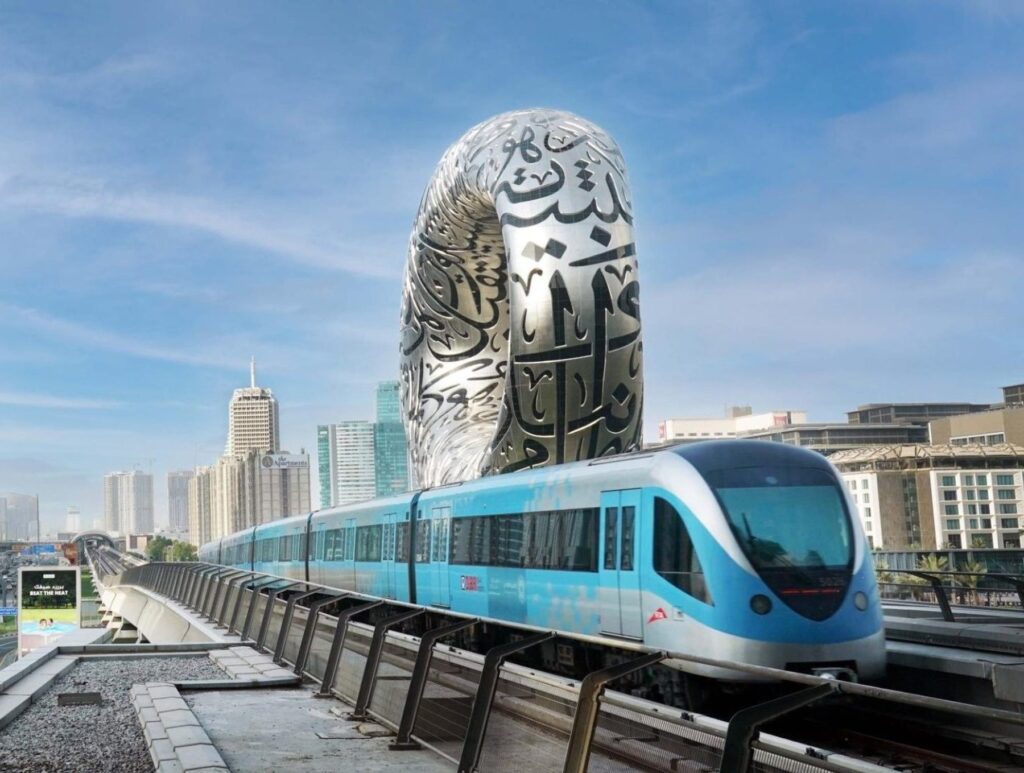
Public transportation within the UAE’s major metropolises is highly advanced, safe, and fully air-conditioned. The driverless Dubai Metro serves as a fast backbone for the city, connecting major coastal locations and shopping hubs. Standard intra-city bus networks serve both Abu Dhabi and Dubai efficiently, with local fares generally ranging from AED 3.00 to AED 10.00 ($0.80 to $2.70 USD) per journey. Taxis are heavily regulated, clean, and quite affordable compared to other global hubs. For inter-city travel, regional coaches link the seven emirates seamlessly, while high-speed rail expansions are heavily under development.

Fun fact: Self-driving commercial autonomous taxis are currently being trialed in select coastal districts of Dubai to pioneer future urban transit.

Safety and Practical Information

Safety in the UAE is exceptional, consistently ranking among the safest countries globally due to efficient policing and strict laws. Petty crimes like pickpocketing or theft are virtually non-existent, even in crowded traditional marketplaces. However, visitors must respect local laws and religious sensitivities to ensure a problem-free vacation. Public displays of intense affection should be avoided, and photography of government facilities or local citizens without direct permission is illegal.

Power sockets: Type G (British standard three-pin)

Internet: High-speed 5G is widely accessible; public Wi-Fi is standard in malls

Tipping: Not mandatory, but adding 10-15% is common practice in restaurants

Final Verdict – Is the United Arab Emirates Worth Visiting?

Pros:

  • Impeccable public safety, cleanliness, and world-class hospitality infrastructure
  • Breathtaking architectural feats and modern entertainment icons
  • Unique blend of deep desert heritage and diverse cosmopolitan environments

Cons:

  • Intensely hot summer temperatures restricting outdoor daytime exploration
  • Higher travel costs for luxury accommodation, dining, and premium attractions

Verdict:
The UAE is absolutely perfect for travelers seeking a seamless blend of ultra-modern luxury, high-octane adventure, and deep Arabian culture. From the striking architecture of Downtown Dubai to the tranquil historic oases of Al Ain, the Emirates offers a safe, dynamic, and deeply unforgettable journey.

Related posts

Land of Futuristic Skylines, Ancient Deserts
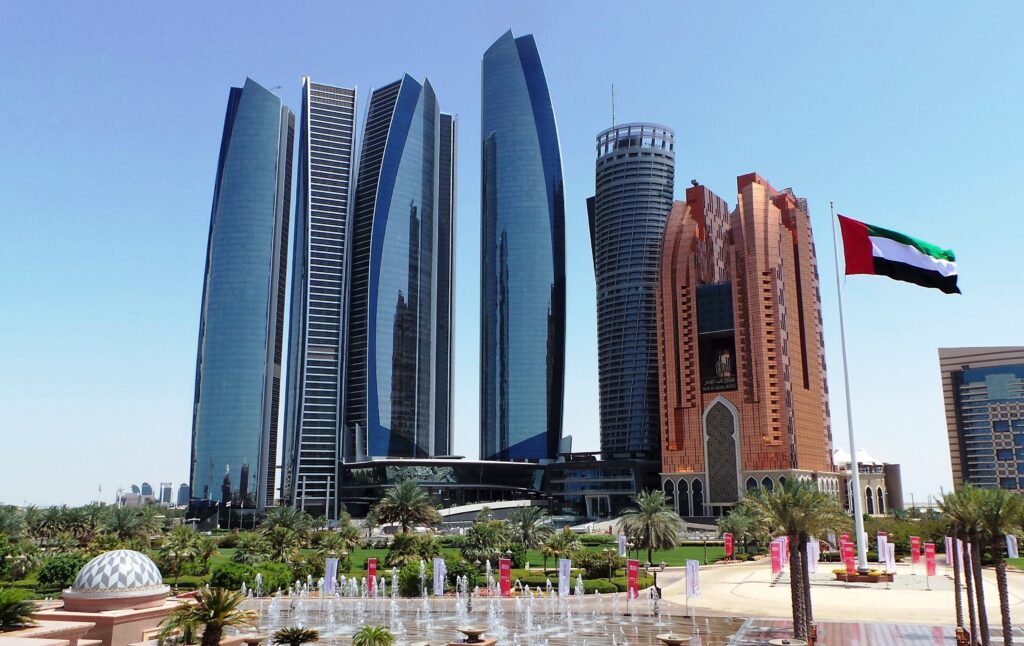
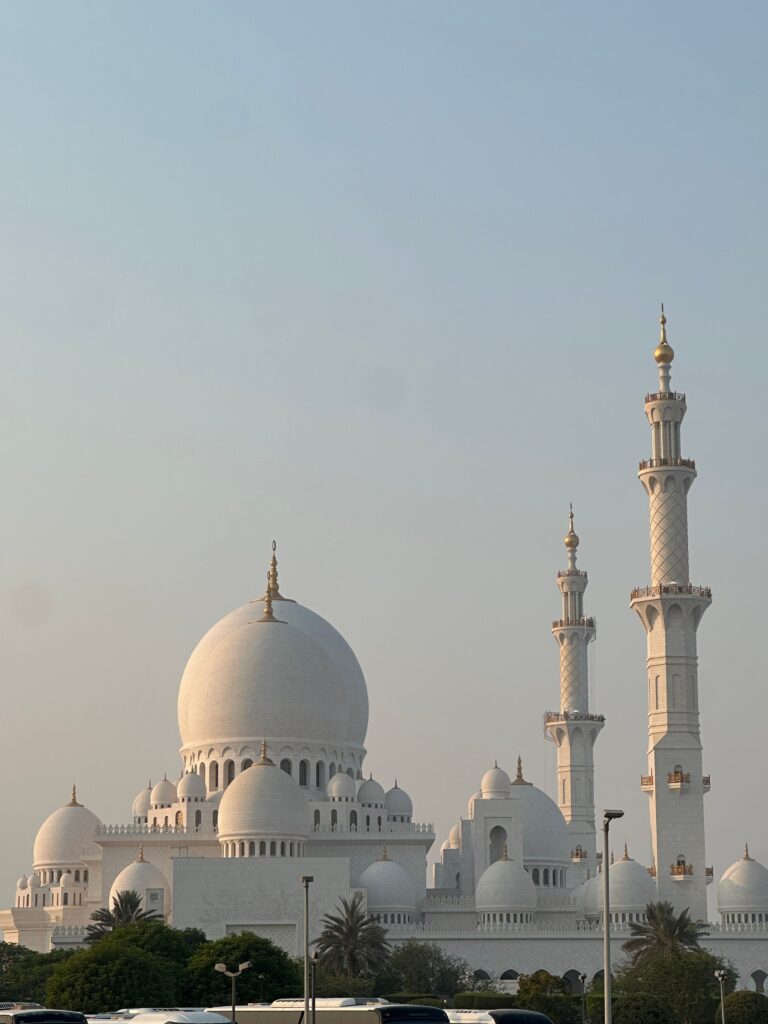
The United Arab Emirates offers a fascinating mix of futuristic cities, rich traditions, desert landscapes, and beautiful beaches. Explore iconic architecture, vibrant souks, world-class museums, and Bedouin heritage. From Dubai’s spectacular skyline to Abu Dhabi’s cultural treasures and peaceful desert oases, the UAE delivers unforgettable experiences for every curious traveler.

Read More »

Land of Samba, Rainforests, and Carnival

Brazil is a vibrant South American nation famous for its breathtaking natural wonders, including the Amazon Rainforest and Iguazu Falls. Its rich cultural tapestry shines through energetic samba rhythms, world-renowned Carnival celebrations, and diverse cuisine. Boasting stunning beaches and warm hospitality, it offers an unforgettable experience for every traveler.

Read More »

Land of Fjords

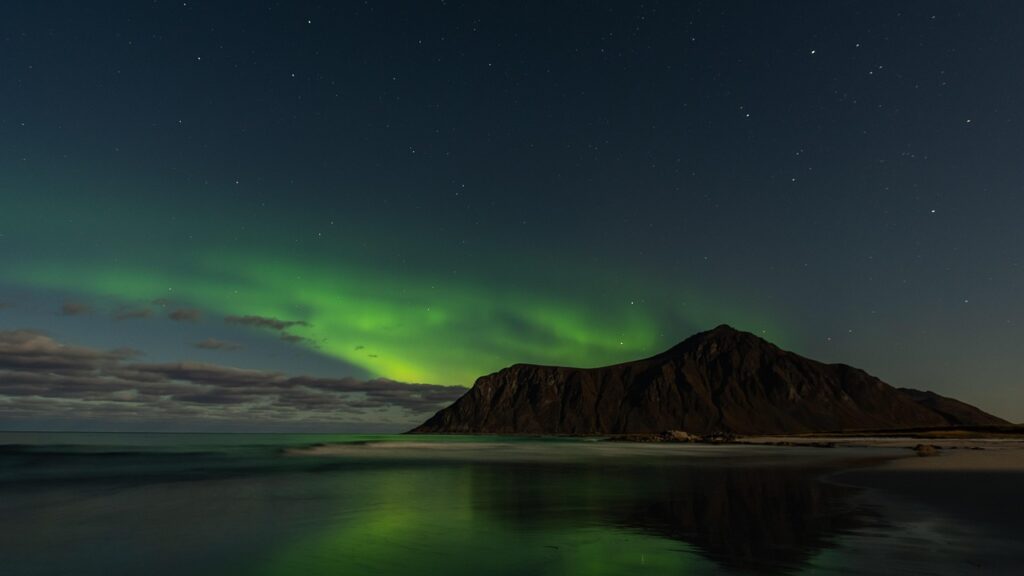
Norway offers a breathtaking escape into nature, from majestic fjords and dramatic mountains to the enchanting Northern Lights. It’s a paradise for hikers and photographers seeking serenity. Beyond the scenery, you’ll experience high-quality living, safe cities, and a unique culture that perfectly balances modern innovation with ancient Viking history.

Read More »

High Mountains, Black Sea Beaches

Bulgaria is a captivating blend of ancient history and diverse landscapes. From Sofia’s vibrant streets to the sun-soaked Black Sea coast and rugged Balkan peaks, it offers an authentic European experience. With affordable public transport and rich traditions, it’s a hidden gem perfect for travelers seeking both adventure and value.

Read More »

The Art of Living Well

Italy is a timeless destination that rewards travellers with unforgettable experiences, rich culture, and exceptional cuisine. Whether visiting for the first time or returning again, it remains one of the most satisfying countries to explore in the world. From high-speed rail to coastal drives, every journey reveals breathtaking, historic wonders.

Read More »

Land of Stunning Coastlines

Croatia is a Mediterranean gem offering over 1,000 islands, crystal-clear waters, and ancient Roman history. From the breathtaking Plitvice waterfalls to the iconic walls of Dubrovnik, it blends natural beauty with vibrant culture. Whether sailing the Adriatic or exploring medieval towns, Croatia provides an unforgettable and diverse European escape.

Read More »

Land of Futuristic Skylines, Ancient Deserts Read More »
Land of Samba, Rainforests, and Carnival

Brazil – Land of Samba, Rainforests, and Carnival

Why Visit Brazil?

Brazil is a captivating destination that offers a perfect mix of vibrant culture, breathtaking nature, and unforgettable energy. The country possesses stunning landscapes, ranging from the dense Amazon Rainforest to the awe-inspiring Iguazu Falls. Travelers can relax on world-class beaches like Copacabana or spot incredible wildlife, including jaguars and exotic birds, in the vast Pantanal wetlands. Beyond its natural beauty, Brazil features a vibrant culture defined by the rhythmic beats of samba and the colorful celebrations of Carnival. Visitors can savor delicious cuisine, such as traditional feijoada and fresh caipirinhas, while enjoying the exceptionally warm hospitality of the local people. Whether you seek thrilling outdoor adventures or a relaxing tropical getaway, Brazil promises an enriching and deeply transformative travel experience.

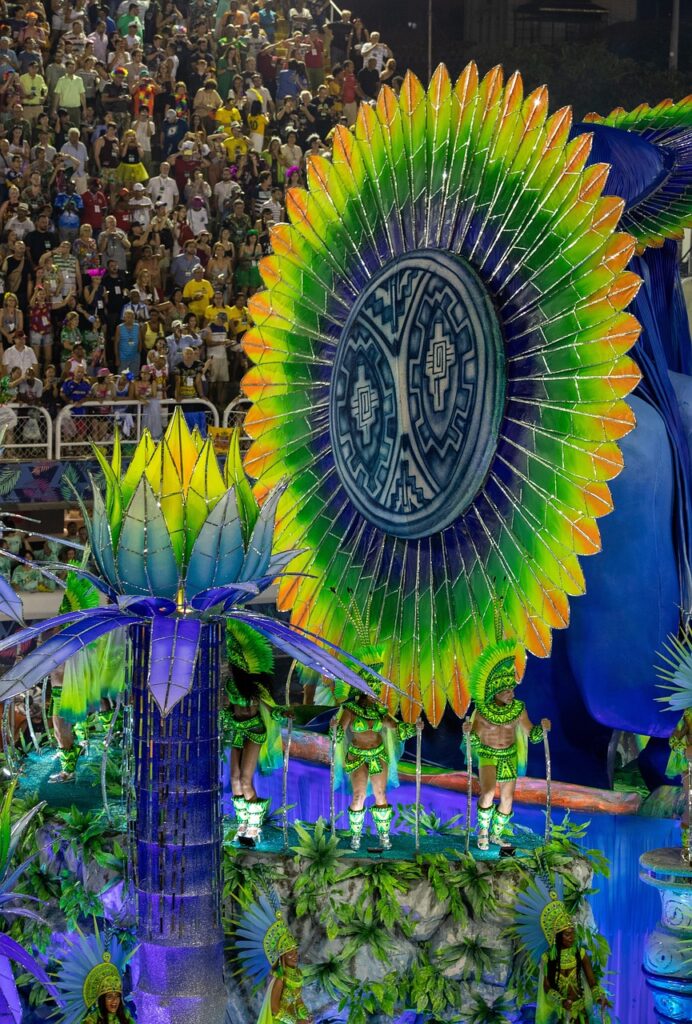
Fun fact: Brazil hosts the world’s largest carnival in Rio de Janeiro, attracting millions of participants and spectators every year.

Main Attractions

Cities & Towns

  • Brasília: Futuristic capital with unique modernist architecture by Oscar Niemeyer.
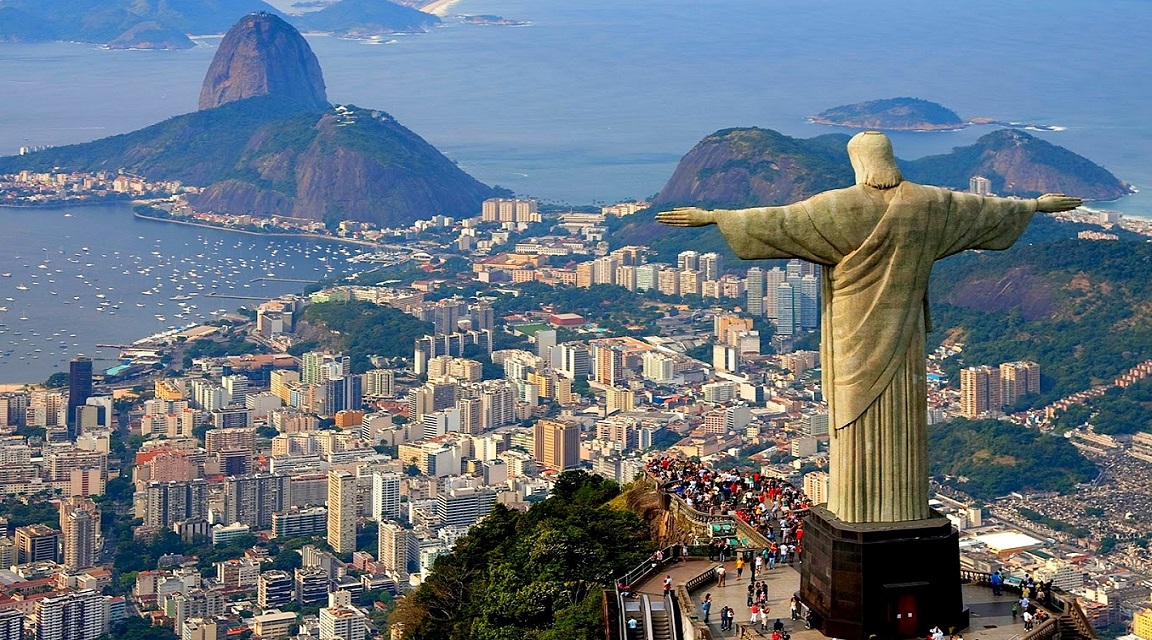
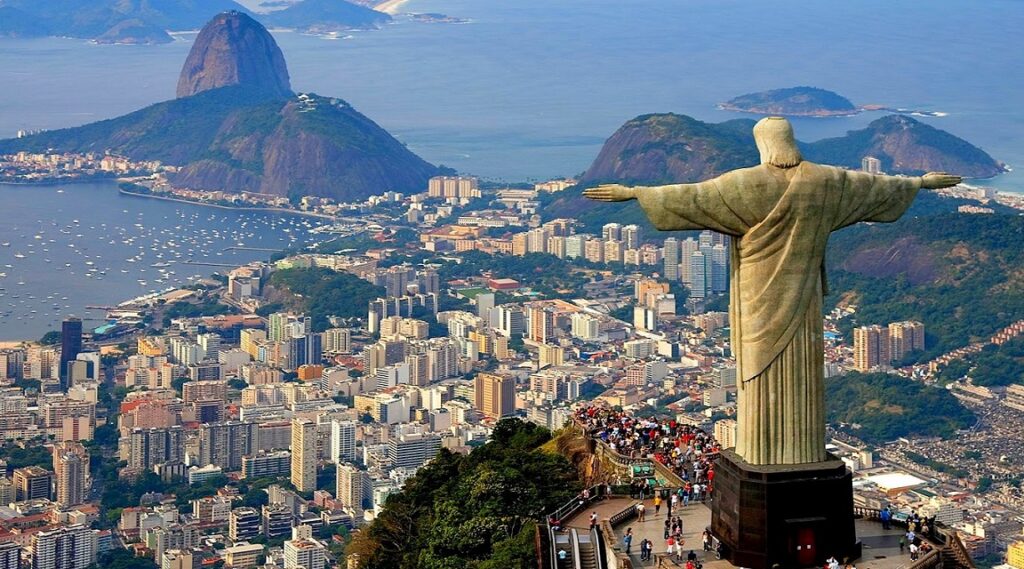
  • Rio de Janeiro: Famous for Christ the Redeemer, Sugarloaf Mountain, and Copacabana beach.
  • São Paulo: Largest city in Brazil, known for arts, nightlife, and gastronomy.
  • Salvador: Colonial architecture, Afro-Brazilian culture, and vibrant music scene.
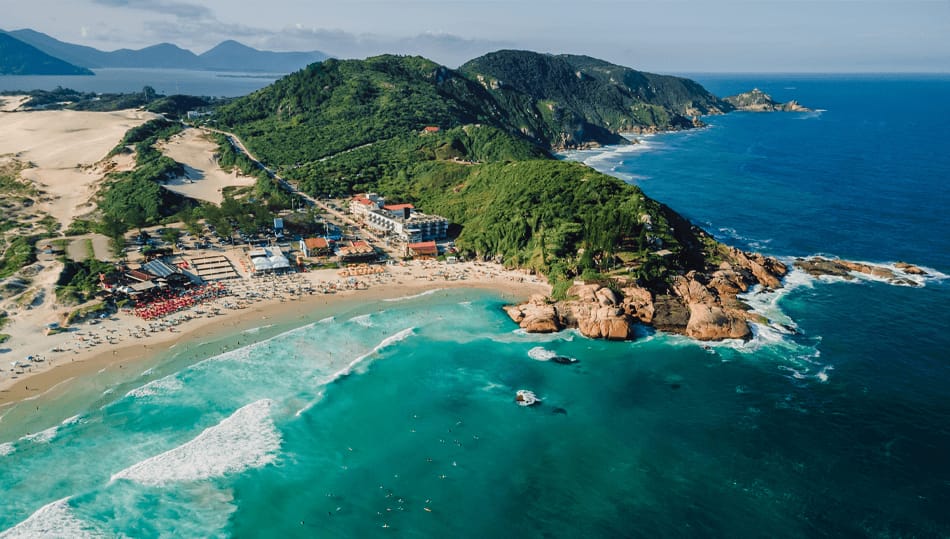
  • Florianópolis: Beaches, surfing, and scenic coastal landscapes.

Fun fact: Brasília was built in just 41 months and inaugurated in 1960, becoming a UNESCO World Heritage Site for its design.

Basic Facts at a Glance


  • Capital: Brasília
  • Region: South America
  • Population: About 215 million
  • Official language: Portuguese
  • Currency: Brazilian Real (BRL)
  • Time zone: UTC−2 to UTC−5 (varies by region)
Climate and Best Time to Visit
  • Climate: Tropical in the north, temperate in the south, varying by region
  • Best time: May–October for most regions; December–March in the Amazon for wet season exploration

Fun fact: Brazil experiences opposite seasons from Europe and North America, with summer from December to March.

Natural Wonders

  • Amazon Rainforest: Biodiversity hotspot with wildlife, rivers, and indigenous communities.
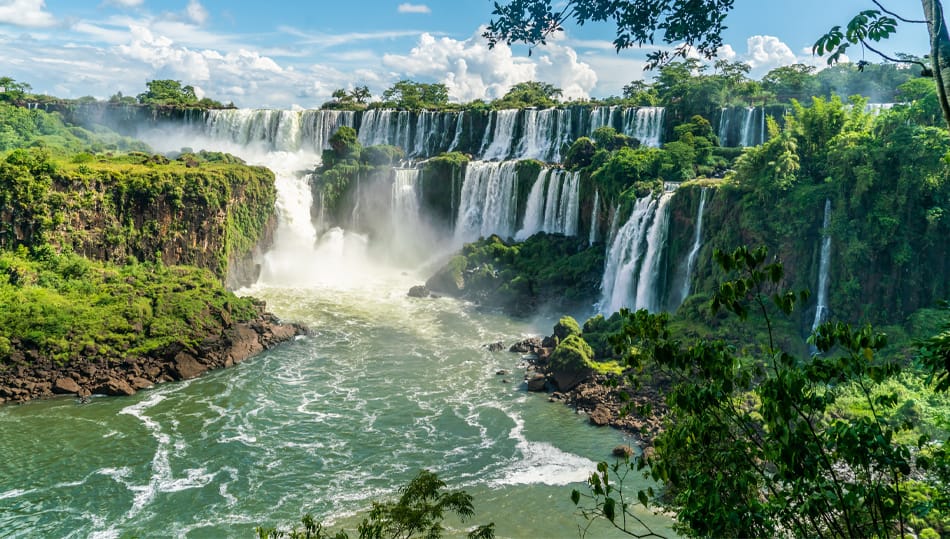
  • Iguaçu Falls: Spectacular waterfalls on the border with Argentina.
  • Pantanal: Largest tropical wetland, ideal for wildlife watching.
  • Lençóis Maranhenses: Unique desert-like landscape with seasonal freshwater lagoons.

Fun fact: Brazil has the second-longest coastline in the world, about 7,500 km (4,660 miles), filled with stunning beaches.

Culture and Traditions

Brazil’s cultural life is a captivating, vibrant tapestry woven from deeply rooted Indigenous, African, and European influences. Music and dance serve as the country’s heartbeat, with expressive genres like samba, bossa nova, and lively forró echoing through neighborhood streets and world-famous venues alike. This artistic energy peaks during annual Carnival celebrations, featuring a dazzling explosion of rhythm, elaborate costumes, and immense communal joy. Beyond music, Brazil boasts a rich literary tradition, innovative modern architecture, and a dynamic contemporary art scene centered in bustling hubs like São Paulo. Football operates as a true national passion, acting as a powerful social glue across the population. Complemented by diverse culinary traditions, Brazilian culture is ultimately defined by its festive, inclusive spirit and creative resilience.

Fun fact: Brazil has over 200 festivals each year, celebrating everything from music to regional traditions.

Getting Around

Public transportation in Brazil is extensive, connecting major cities through an affordable network of buses and subways. Municipal buses serve as the backbone of urban transit, operating extensively in every city. Mega-cities like São Paulo and Rio de Janeiro boast efficient, fast, and modern underground metro systems. Local single fares typically range from R$ 5.00 to R$ 7.90 ($0.85 to $1.40 USD) per ride. For longer journeys, long-distance intercity coaches are incredibly popular, costing around R$ 80 ($15 USD) to travel between Rio and São Paulo.

Fun fact: The Amazon River is over 6,400 km (3,980 miles) long, and boat travel is often the main mode of transport in remote areas.

Safety and Practical Information

Safety in Brazil requires situational awareness, especially in major urban centers. While most tourist areas are heavily policed and secure, petty crime like pickpocketing remains common. Visitors should avoid displaying expensive jewelry, smartphones, or large amounts of cash. Using official ride-sharing apps, staying on populated streets at night, and keeping belongings secure ensures a trouble-free, memorable tropical vacation.

  • Power sockets: Type N
  • Internet: Widely available in cities
  • Tipping: 10% customary in restaurants
  • Language: Portuguese; English widely spoken in tourist areas
Food and Drink

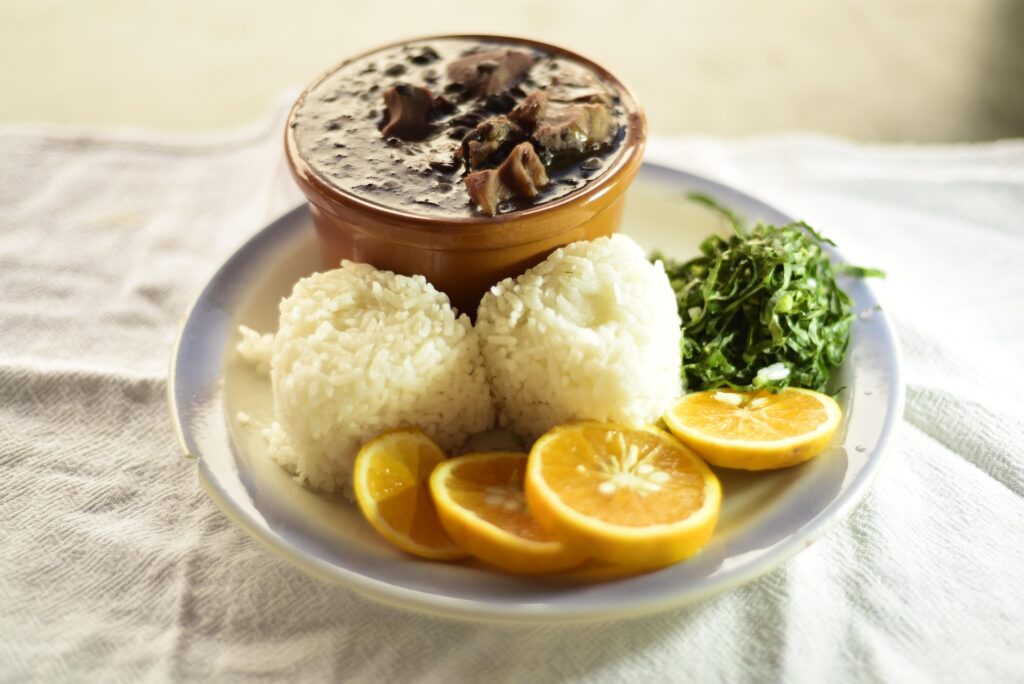
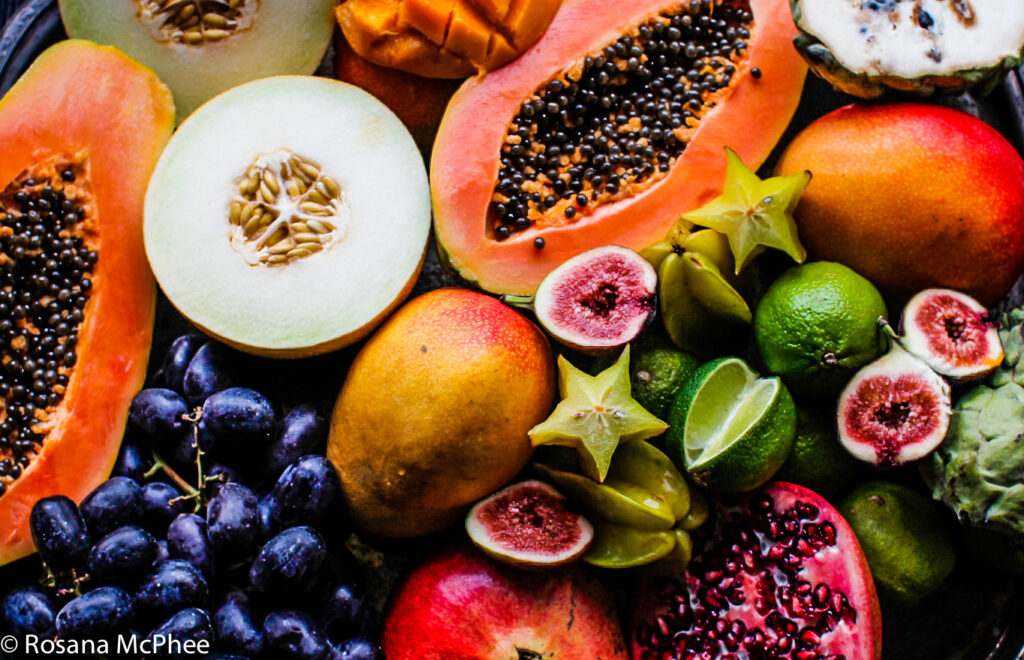
Brazilian cuisine is a flavorful, diverse fusion of Indigenous, African, and European culinary traditions. The country’s absolute national dish is feijoada, a rich, slow-cooked black bean and pork stew traditionally served with rice, collard greens, and toasted cassava flour. Meat lovers thoroughly enjoy churrasco, a famous barbecue style featuring premium cuts grilled to perfection on large metal skewers. On the go, locals love snacking on coxinha, which are shredded chicken croquettes, and warm, chewy pão de queijo cheese bread. The Amazon region introduces refreshing açaí bowls and unique exotic fruits, while coastal areas serve fresh seafood. To drink, nothing tops the caipirinha, a potent national cocktail made with cachaça sugarcane liquor, fresh lime, and sugar, followed by a strong, sweet cafezinho.

Fun fact: Brazil is the largest producer of coffee in the world, and coffee culture is an important part of daily life.

Final Verdict – Is Brazil Worth Visiting?

Pros:

  • Stunning natural landscapes, including beaches, rainforests, and waterfalls
  • Rich culture, music, and festivals
  • Vibrant cities with diverse experiences

Cons:

  • Safety concerns in certain areas
  • Long distances between major attractions

Verdict:
Brazil is perfect for travellers seeking adventure, culture, and natural beauty. From the Amazon rainforest and Iguaçu Falls to the lively streets of Rio de Janeiro and the unique cityscape of Brasília, Brazil offers a colorful, energetic, and unforgettable journey.

Related posts

Land of Samba, Rainforests, and Carnival

Brazil is a vibrant South American nation famous for its breathtaking natural wonders, including the Amazon Rainforest and Iguazu Falls. Its rich cultural tapestry shines through energetic samba rhythms, world-renowned Carnival celebrations, and diverse cuisine. Boasting stunning beaches and warm hospitality, it offers an unforgettable experience for every traveler.

Read More »

Amazon: Heart of South America

An Amazon River cruise offers an immersive journey through the world’s largest rainforest, where you can spot pink dolphins, sloths, and exotic birds. In 2026, travelers can choose between luxurious vessels like Aqua Expeditions or traditional riverboats, with many expeditions departing from Iquitos, Peru, or Manaus, Brazil, for deep-jungle exploration.

Read More »

Land of Samba, Rainforests, and Carnival Read More »

Land of Fjords

Land of Fjords, Northern Lights, and Majestic Mountains

Why Visit Norway?

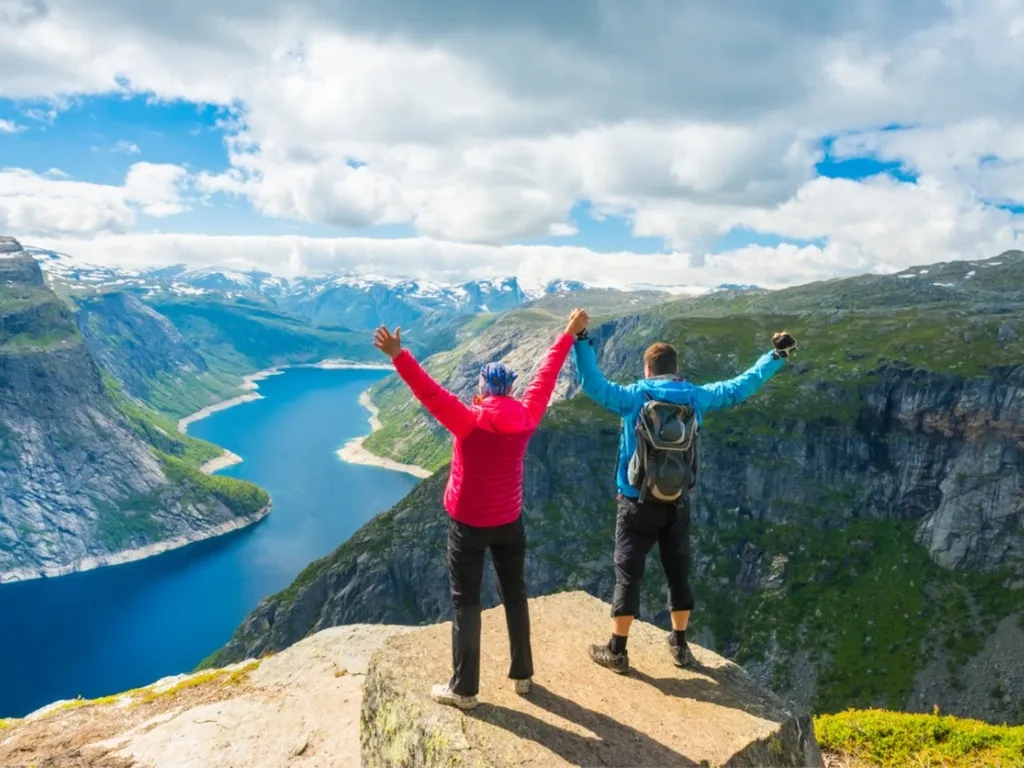
Norway is a land where nature’s grandeur meets serene Scandinavian charm, offering an escape like no other. From the deep, sapphire-blue waters of the world-famous fjords to the jagged, snow-capped peaks of the Lofoten Islands, the landscape is a masterpiece of dramatic contrasts. Adventure seekers can hike iconic trails like Preikestolen or witness the ethereal dance of the Northern Lights above the Arctic Circle. Beyond its rugged wilderness, Norway boasts vibrant cities like Oslo and Bergen, where cutting-edge modern architecture blends seamlessly with rich Viking history and colorful wooden houses. Whether you are seeking the tranquility of the midnight sun or the thrill of alpine skiing, Norway’s commitment to sustainability and “friluftsliv” (open-air living) ensures a rejuvenating and unforgettable journey into the heart of the North. Norway is one of the most photogenic countries in Europe.

Fun fact: The midnight sun in northern Norway means the sun doesn’t set at all during parts of summer, creating 24-hour daylight.

Main Attractions

Cities & Towns

  • Oslo: Capital with modern architecture, museums, and the stunning Oslo Opera House.
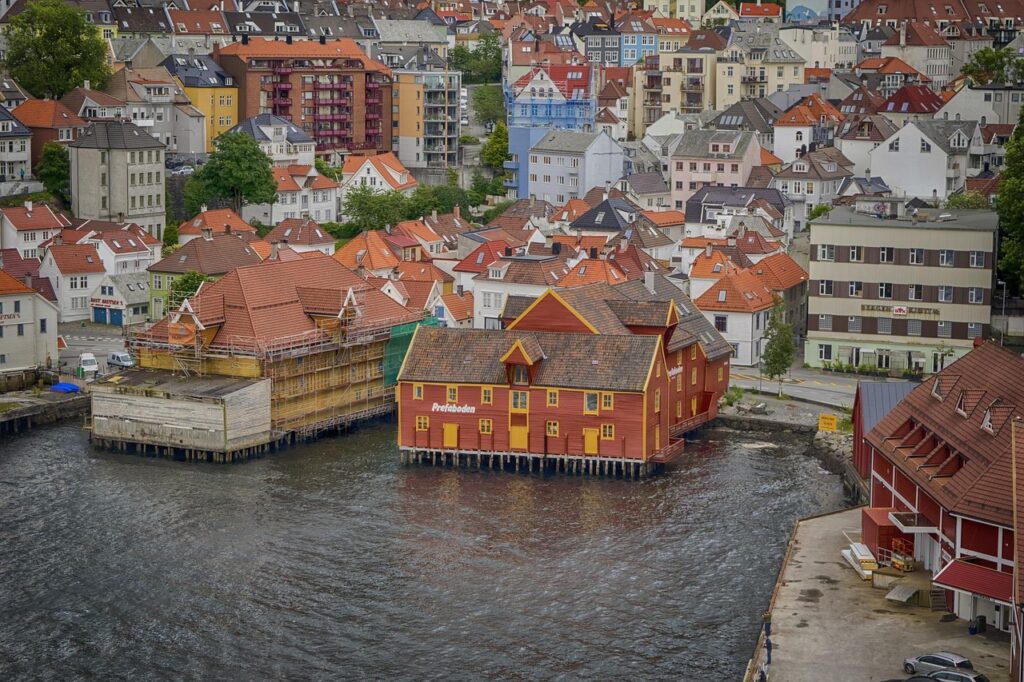
  • Bergen: Gateway to the fjords, with colourful wooden houses and the historic Bryggen district.
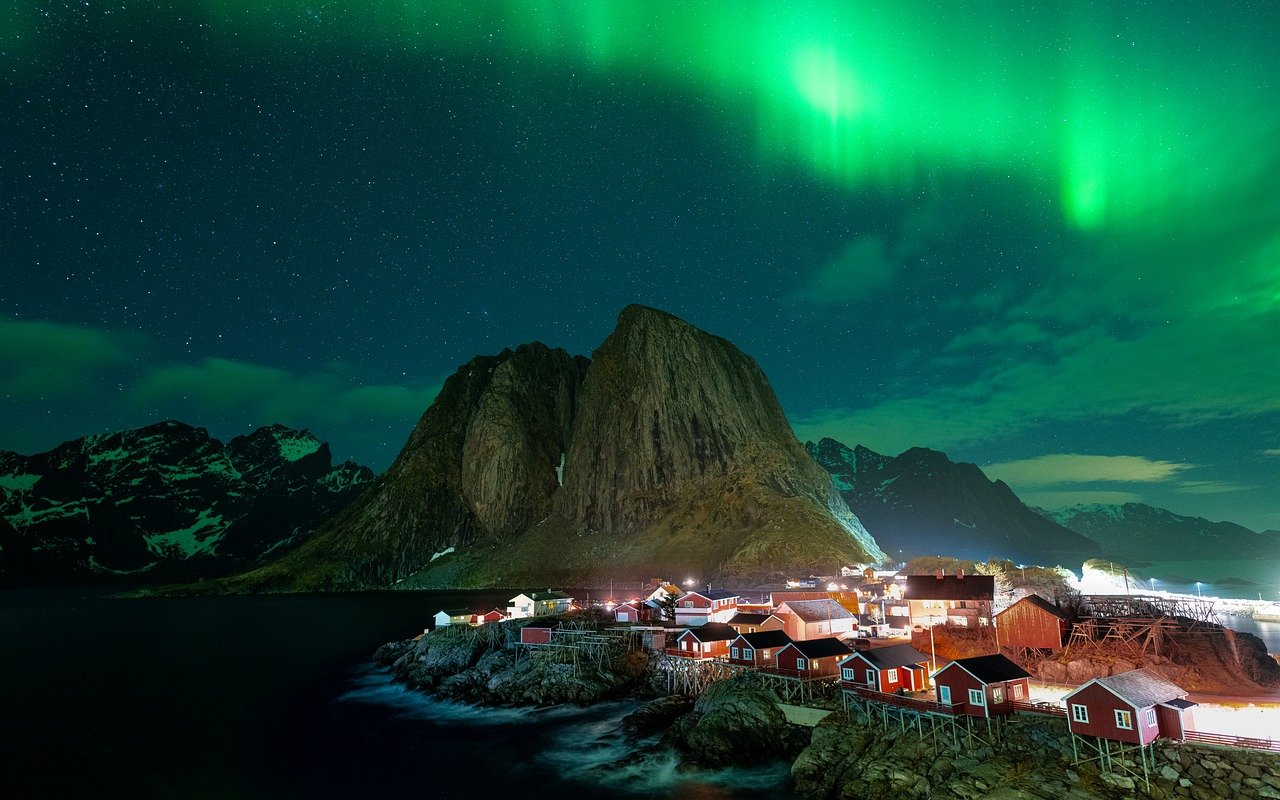
  • Tromsø: Ideal for viewing the Northern Lights and Arctic wildlife.
  • Ålesund: Art Nouveau architecture and nearby fjords.

Fun fact: Bergen is known as the “Gateway to the Fjords” and has seven surrounding mountains.

Natural Wonders

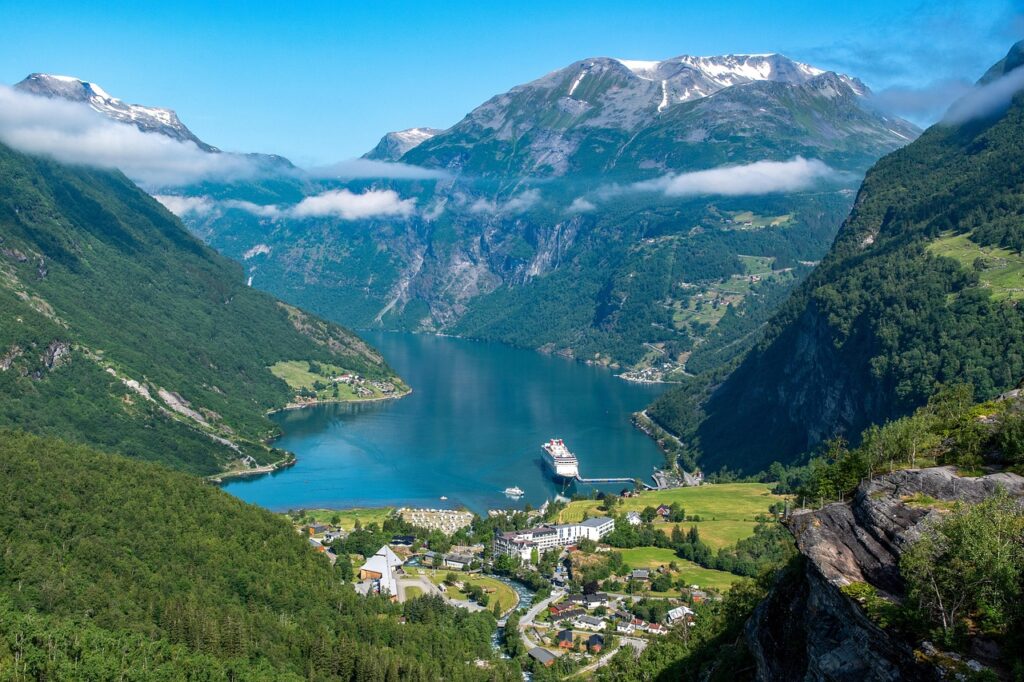
  • Geirangerfjord & Nærøyfjord: UNESCO-listed fjords with steep cliffs and waterfalls.
  • Lofoten Islands: Dramatic scenery, fishing villages, and pristine beaches.
  • Jotunheimen National Park: Home to Norway’s highest peaks and glacial lakes.
  • Svalbard: Arctic archipelago with polar bears, glaciers, and rugged landscapes.

Fun fact: Norway’s fjords were carved by glaciers during the last Ice Age, creating their iconic steep cliffs and deep waters.

Basic Facts at a Glance
  • Capital: Oslo
  • Region: Northern Europe (Scandinavia)
  • Population: About 5.4 million
  • Official language: Norwegian
  • Currency: Norwegian Krone (NOK)
  • Time zone: UTC+1 (CET) / UTC+2 (CEST in summer)

Fun fact: Norway has over 1,000 fjords, making it one of the most dramatic coastal countries in the world.

Climate and Best Time to Visit
  • Climate: Coastal areas are mild; inland and north can be cold and snowy
  • Best time: June–August for fjords and hiking; December–March for Northern Lights

Fun fact: In northern Norway, the Polar Night in winter means the sun doesn’t rise for weeks, creating magical twilight conditions.

Culture and Traditions

Norway’s culture is deeply rooted in a profound respect for nature and a strong sense of egalitarianism. The concept of “Friluftsliv” (open-air life) is central to the Norwegian identity; regardless of the weather, people spend their weekends hiking, skiing, or exploring the dramatic fjords. This connection to the landscape is not just a hobby but a spiritual necessity.

Socially, Norway is guided by the “Jante Law,” an informal social code that emphasizes humility, equality, and the idea that no individual is superior to the group. This fosters a high-trust society with a robust welfare state where community well-being is prioritized.

Traditional heritage remains vibrant through “Bunads” (folk costumes) worn during national celebrations like Constitution Day on May 17th. Historically, the Viking legacy of exploration and seafaring has evolved into a modern nation that leads in sustainability and maritime innovation. From the cozy concept of “Kos” (warm togetherness) to its world-class literature and seafood, Norway blends ancient traditions with a forward-thinking, inclusive mindset.

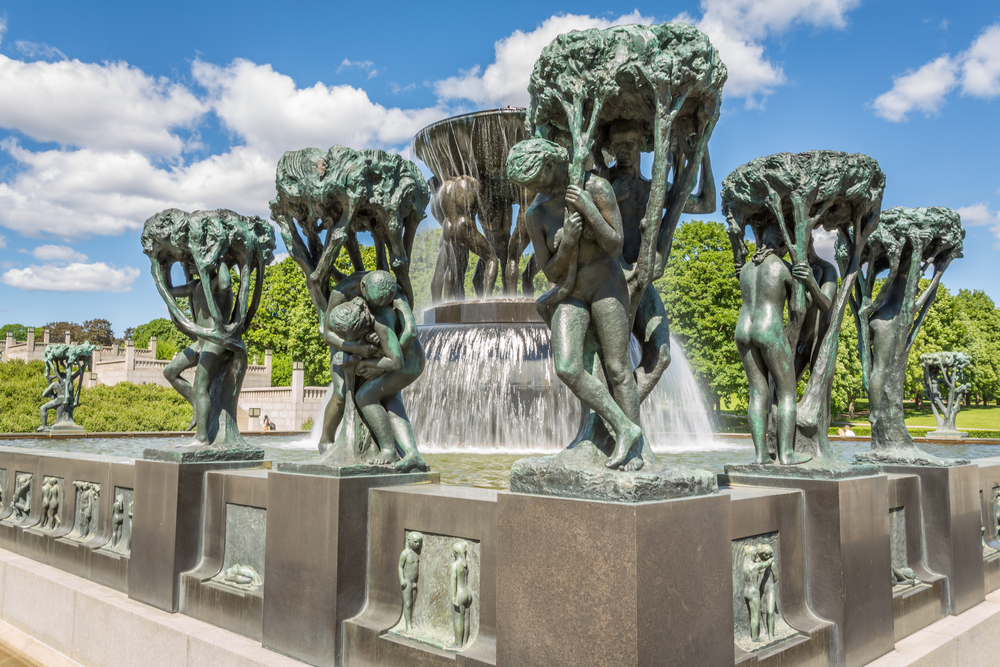
Fun fact: Norway has the world’s largest sculpture park dedicated to a single artist — the Vigeland Park in Oslo.

Food and Drink

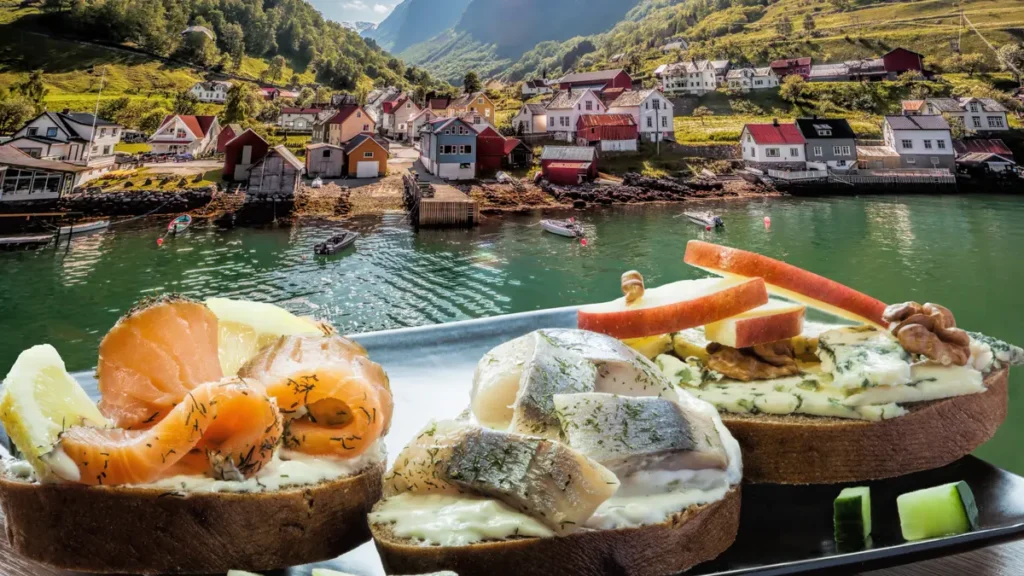
Norwegian cuisine is defined by its pristine natural environment, focusing on preservation and fresh seafood. Staples include Laks (salmon) and Tørrfisk (stockfish), while the adventurous try Lutefisk. Meat lovers enjoy Fårikål, a hearty mutton and cabbage stew, often followed by Brunost, a unique caramel-like brown cheese served on waffles.

To drink, Norwegians are among the world’s top coffee consumers. For celebrations, Akevitt (Aquavit), a potent potato-based spirit flavored with caraway or dill, is the traditional choice.

Getting Around

Norway has an efficient, integrated public transport network. For nationwide planning and tickets, the Entur app is the essential tool. In Oslo, a single ticket costs around 40–60 NOK ($4–6), while a 24-hour pass is approximately 120–150 NOK. Regional trains, like the famous Bergen Railway, range from $50 to $150 per journey.


Car rentals offer more flexibility for exploring fjords, with prices typically starting at $40–80 per day. Platforms like Skyscanner or Auto Europe provide competitive rates. Keep in mind that fuel (approx. 21–25 NOK/liter) and tolls add to the total cost.


Fun fact: Norway’s scenic trains, like the Flåm Railway, are considered among the most beautiful train journeys in the world.

Safety and Practical Information

Norway is one of the safest countries in the world with low crime rates.

  • Power sockets: Type F
  • Internet: Widely available
  • Tipping: Not mandatory, usually 5–10%
  • Language: Norwegian; English widely spoken

Fun fact: Norwegians love outdoor activities — hiking, skiing, and cycling are part of daily life, even for city residents.

Final Verdict – Is Norway Worth Visiting?

Pros:

  • Spectacular fjords, mountains, and Arctic landscapes
  • Rich Viking and cultural heritage
  • Outdoor adventures year-round

Cons:

  • Expensive compared to other European countries
  • Northern regions can be extremely cold in winter

Verdict:
Norway is perfect for travellers seeking nature, adventure, and stunning landscapes. From the deep fjords and towering mountains to the Northern Lights and Arctic wildlife, Norway offers unforgettable experiences for every adventurer.

Related posts

Majestic Serenity

Cruising the Norwegian fjords offers an unforgettable journey through dramatic landscapes. Giant emerald cliffs rise sharply from deep, sapphire-blue waters, while magnificent waterfalls cascade down mountain faces. Traveling by ship provides comfort and a front-row seat to pristine glaciers, peaceful coastal villages, and Norway’s majestic, untouched wilderness.

Read More »

Land of Fjords

Norway offers a breathtaking escape into nature, from majestic fjords and dramatic mountains to the enchanting Northern Lights. It’s a paradise for hikers and photographers seeking serenity. Beyond the scenery, you’ll experience high-quality living, safe cities, and a unique culture that perfectly balances modern innovation with ancient Viking history.

Read More »

Land of Fjords Read More »

High Mountains, Black Sea Beaches

Beyond the Black Sea: Discovering the Magic of Bulgaria

Why Visit Bulgaria?

Bulgaria is a hidden gem in Southeastern Europe that offers a perfect blend of history, nature, and affordability. History enthusiasts can explore the ancient Roman ruins in Plovdiv, one of Europe’s oldest inhabited cities, or marvel at the stunning frescoes within the medieval Rila Monastery.

For nature lovers, the country boasts diverse landscapes, from the majestic peaks of the Rila and Pirin mountains—ideal for hiking and skiing—to the sun-drenched golden sands of the Black Sea coast. Foodies will enjoy fresh, flavorful cuisine like banitsa and shopska salad, often paired with world-class local wines. With its warm hospitality and budget-friendly prices, Bulgaria provides an authentic European adventure away from the typical tourist crowds.

Fun fact: Bulgaria is home to the oldest known gold treasure in the world, dating back over 6,000 years!

Main Attractions

Cities & Historic Sites

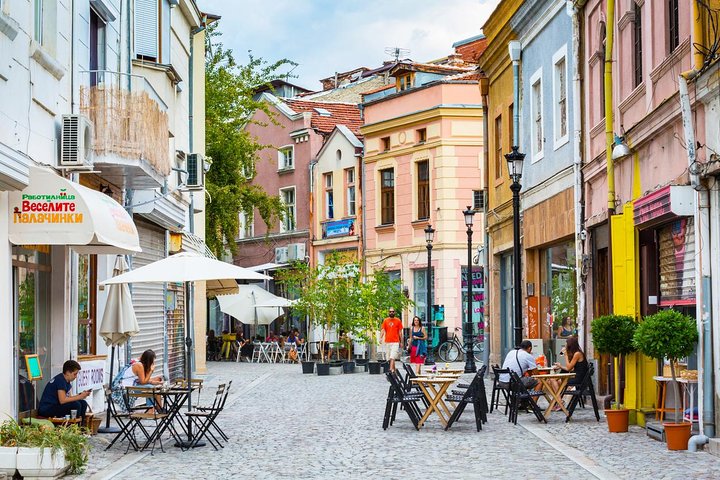
  • Sofia: Capital with Roman ruins, Alexander Nevsky Cathedral, and vibrant cafés.
  • Plovdiv: Ancient city with Roman theatre, colorful old town, and artsy vibe.
  • Veliko Tarnovo: Medieval hilltop town with the impressive Tsarevets Fortress.
  • Varna: Coastal city with beaches, archaeological sites, and the Sea Garden park.

Fun fact: Plovdiv is one of the oldest continuously inhabited cities in Europe, with settlements dating back over 6,000 years.

Natural Wonders

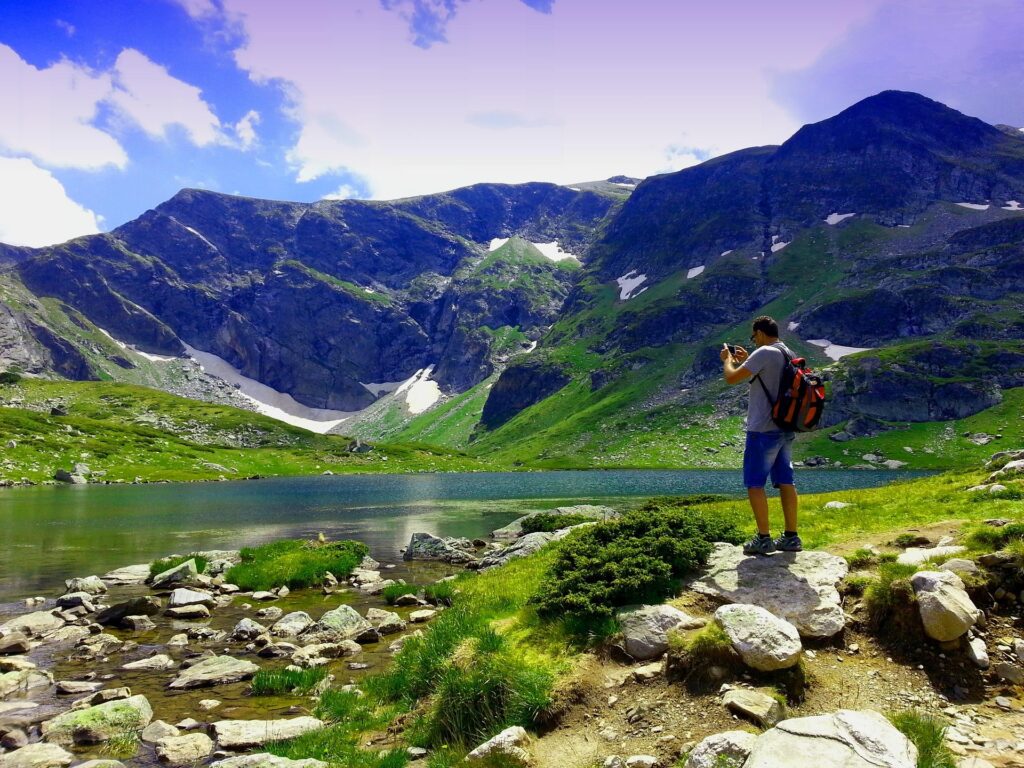
  • Rila Mountains & Rila Monastery: Hiking trails and one of Bulgaria’s most famous monasteries.
  • Pirin National Park: Stunning mountains, glacial lakes, and UNESCO-listed landscapes.
  • Black Sea Coast: Sunny beaches, resorts, and charming coastal towns like Nessebar.
  • Seven Rila Lakes: Scenic glacial lakes in the Rila Mountains, perfect for trekking.

Fun fact: Bulgaria has over 3,000 caves, many open for tours and exploration.

Basic Facts at a Glance
  • Capital: Sofia
  • Region: Southeast Europe (Balkans)
  • Population: About 7 million
  • Official language: Bulgarian
  • Currency: Bulgarian Lev (BGN)

Time zone: UTC+2 (EET)

Climate and Best Time to Visit
  • Climate: Continental in the north, Mediterranean along the south coast
  • Best time: May–September for beaches; June–September for mountain trekking

Fun fact: The Black Sea coast enjoys over 2,500 hours of sunshine per year, making it one of Europe’s sunniest regions.

Culture and Traditions

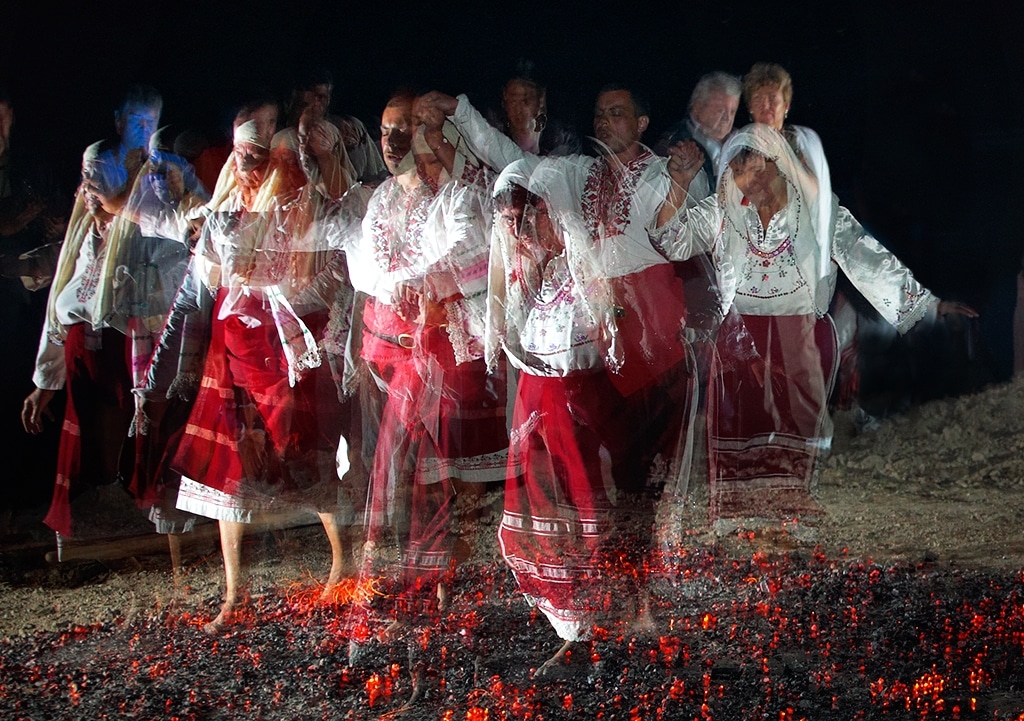
Bulgarian culture is a mix of Thracian, Slavic, and Ottoman influences. Folk music, dances, and festivals are important cultural expressions, with the Nestinarstvo fire-dancing ritual being UNESCO-listed.

Fun fact: Bulgaria is considered the birthplace of the Cyrillic alphabet, created in the 9th century.

Food and Drink

Bulgarian cuisine is hearty and flavorful. Signature dishes include banitsa (pastry with cheese), shopska salad, grilled meats, and yogurt-based specialties. Local wines and rakia (fruit brandy) are popular drinks.

Fun fact: Bulgarian yogurt is famous for containing the Lactobacillus bulgaricus bacteria, contributing to its unique taste and health benefits.

Getting Around

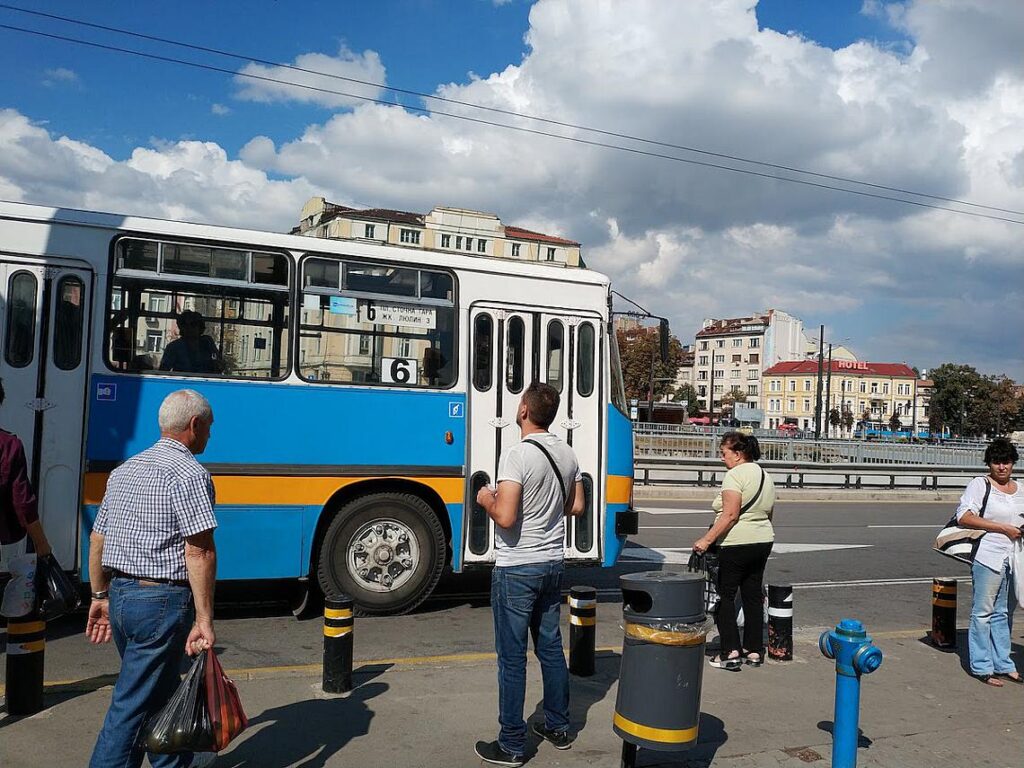
Bulgaria offers diverse travel options, blending affordability with accessibility. In Sofia, a modern network of metro lines and trams costs just 1.60 BGN (€0.80) per trip, with a convenient 4 BGN daily cap for contactless payments. For intercity travel, coaches are the fastest choice, while trains provide a slower, scenic, and budget-friendly alternative.

In rural areas, transportation relies on “marshrutkas” (minibuses). These are cheap but infrequent, often requiring cash payments and local inquiries for schedules. For maximum flexibility, renting a car is ideal and highly affordable, often starting at €15 per day. Just ensure you have a digital vignette for highways and exercise caution on mountain roads. Whether navigating via public transit or a rental, Bulgaria remains one of Europe’s most value-driven destinations.

Safety and Practical Information

Bulgaria is generally safe for travellers. Petty crime exists in crowded tourist areas, but violent crime is uncommon.

  • Power sockets: Type F
  • Internet: Widely available
  • Tipping: 5–10% customary in restaurants
  • Language: Bulgarian; English widely spoken in tourist areas

Fun fact: Bulgarians are known for their hospitality, often welcoming visitors with homemade treats and local spirits.

Final Verdict – Is Bulgaria Worth Visiting?

Pros:

  • Diverse landscapes from mountains to beaches
  • Rich history and ancient cultural heritage
  • Delicious cuisine and renowned wines

Cons:

  • Public transport in rural areas can be limited
  • Some tourist areas can be crowded in summer

Verdict:
Bulgaria is perfect for travellers seeking a mix of nature, history, and culture. From the scenic Black Sea coast to ancient towns and mountain adventures, Bulgaria offers a rich and authentic Balkan experience.

Related posts

Land of Futuristic Skylines, Ancient Deserts
The United Arab Emirates offers a fascinating mix of futuristic cities, rich traditions, desert landscapes, and beautiful beaches. Explore iconic architecture, vibrant souks, world-class museums, and Bedouin heritage. From Dubai’s spectacular skyline to Abu Dhabi’s cultural treasures and peaceful desert oases, the UAE delivers unforgettable experiences for every curious traveler.

Read More »

Land of Samba, Rainforests, and Carnival

Brazil is a vibrant South American nation famous for its breathtaking natural wonders, including the Amazon Rainforest and Iguazu Falls. Its rich cultural tapestry shines through energetic samba rhythms, world-renowned Carnival celebrations, and diverse cuisine. Boasting stunning beaches and warm hospitality, it offers an unforgettable experience for every traveler.
Read More »

Land of Fjords

Norway offers a breathtaking escape into nature, from majestic fjords and dramatic mountains to the enchanting Northern Lights. It’s a paradise for hikers and photographers seeking serenity. Beyond the scenery, you’ll experience high-quality living, safe cities, and a unique culture that perfectly balances modern innovation with ancient Viking history.
Read More »

High Mountains, Black Sea Beaches

Bulgaria is a captivating blend of ancient history and diverse landscapes. From Sofia’s vibrant streets to the sun-soaked Black Sea coast and rugged Balkan peaks, it offers an authentic European experience. With affordable public transport and rich traditions, it’s a hidden gem perfect for travelers seeking both adventure and value.

Read More »

The Art of Living Well

Italy is a timeless destination that rewards travellers with unforgettable experiences, rich culture, and exceptional cuisine. Whether visiting for the first time or returning again, it remains one of the most satisfying countries to explore in the world. From high-speed rail to coastal drives, every journey reveals breathtaking, historic wonders.
Read More »

Land of Stunning Coastlines

Croatia is a Mediterranean gem offering over 1,000 islands, crystal-clear waters, and ancient Roman history. From the breathtaking Plitvice waterfalls to the iconic walls of Dubrovnik, it blends natural beauty with vibrant culture. Whether sailing the Adriatic or exploring medieval towns, Croatia provides an unforgettable and diverse European escape.

Read More »

High Mountains, Black Sea Beaches Read More »
The Art of Living Well

Italy: The Art of Living Well

Why Visit Italy?

Italy is a global favorite because it offers an unmatched blend of history, art, and landscapes. From the mist-covered peaks of the Dolomites to the lemon-scented cliffs of the Amalfi Coast, the country rewards travelers with deep cultural roots and a legendary, relaxed pace of life. It is not just a destination; Italy is a feeling. At Sonsy Travel, we believe the best way to experience Italy is to embrace “Il Dolce Far Niente”—the sweetness of doing nothing. Whether it’s lingering over a glass of Chianti as the Tuscan sun sets or getting lost in a Venetian alley, Italy offers a sensory journey that stays with you forever.

Fun Fact:  Italians use their hands so expressively that gestures themselves are considered a “second language.”

Basic Facts at a Glance

Before you pack your bags, here is the essential roadmap:

  • Capital: Rome
  • Region: Southern Europe
  • Population: Around 59 million
  • Currency: Euro (EUR)
  • Time Zone: CET (UTC+1) / CEST (UTC+2 in summer)
  • Entry Requirements: Schengen Area rules apply for most visitors.
Top Attractions
The Eternal Heart: Rome
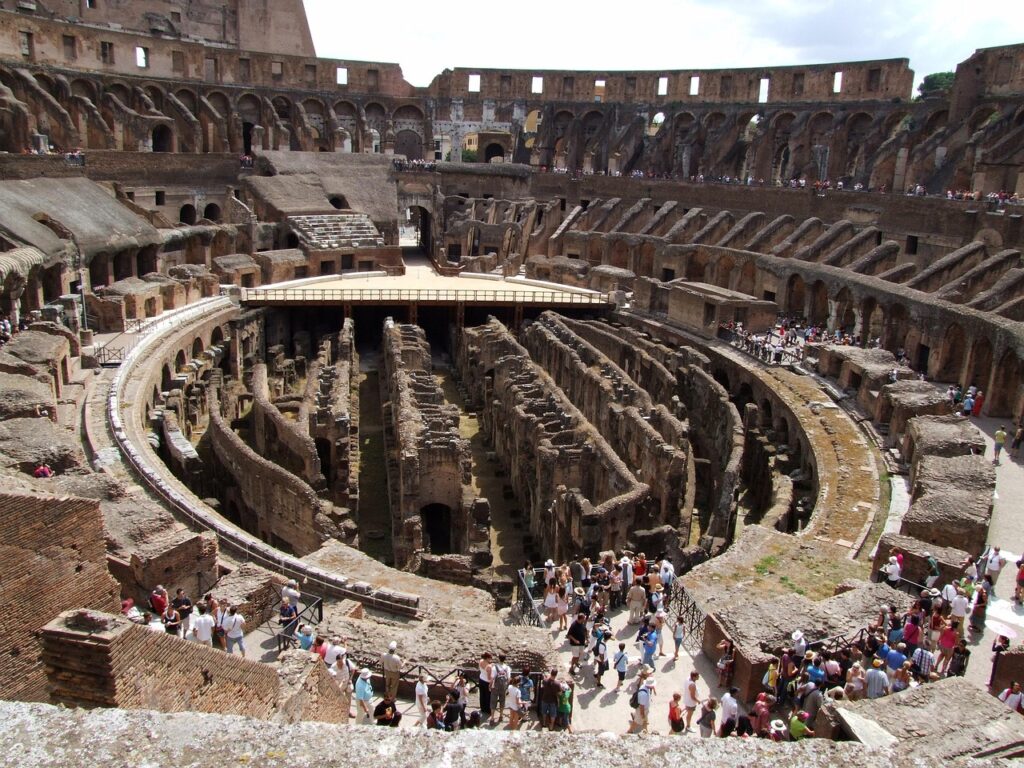
Walking through Rome is like flipping through a history textbook, but with better snacks. As the “Eternal City,” it is home to the Colosseum, the Roman Forum, and the Vatican City, where you’ll find St. Peter’s Basilica and the Sistine Chapel.
Fun fact: The Colosseum could hold 50,000 people. It even had an ancient version of trapdoors and special effects.

Sonsy Tip: Skip the tourist traps near the Trevi Fountain for dinner. Cross the river to Trastevere. Its ivy-clad walls and cobblestone streets house the best Cacio e Pepe in the city.

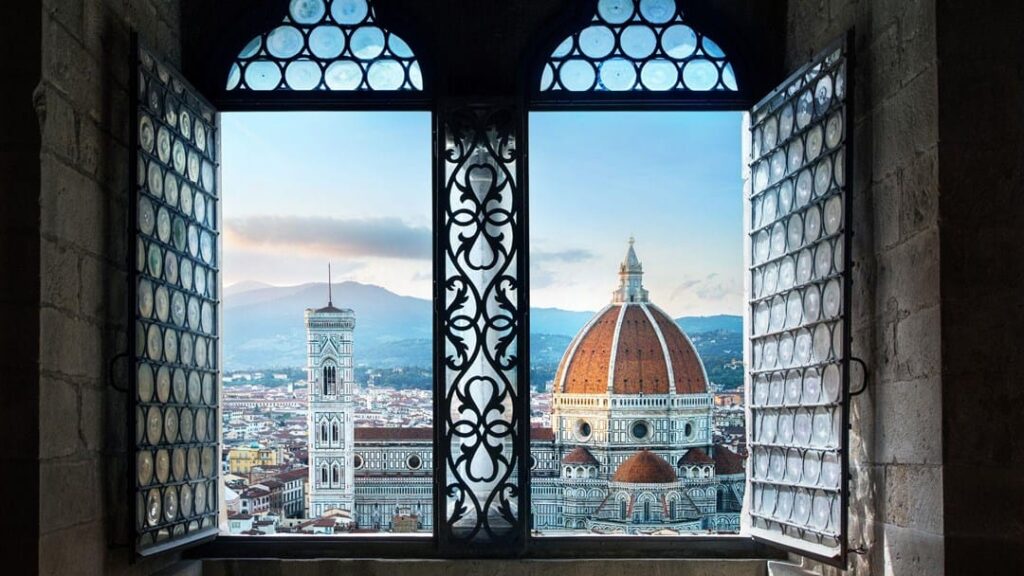
The Renaissance Soul: Florence & Tuscany
If Rome is the heart, Florence is the soul. As the cradle of the Renaissance, it is filled with art (hello, Michelangelo’s David!) and stunning architecture. 
Tuscany: Just outside the city lie the rolling hills, vineyards, and historic villages that define the Italian dream. Rent a Vespa and explore the towers of San Gimignano or the wine cellars of Chianti.
 
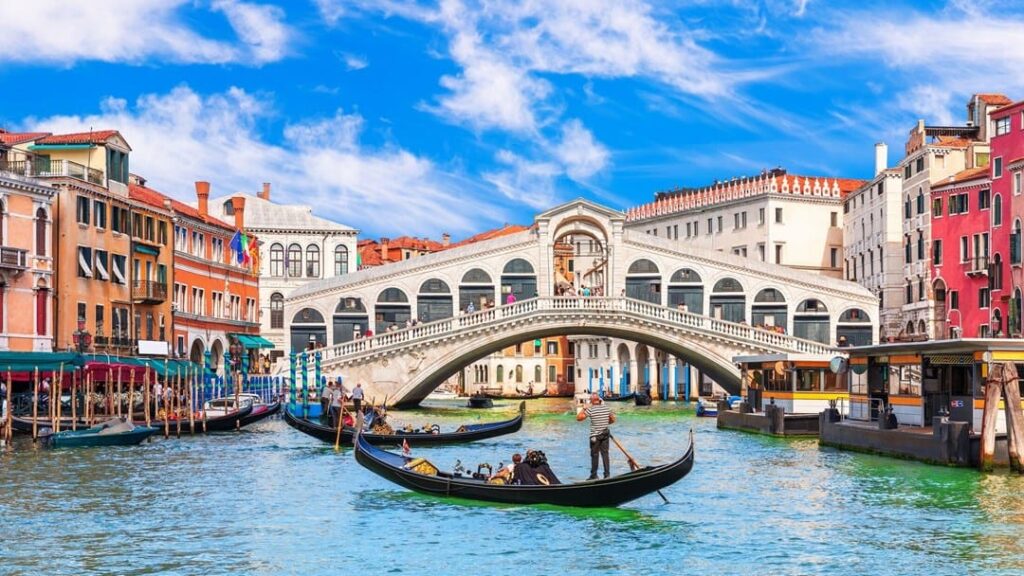
The Floating Dream: Venice
There is nowhere else on earth like Venice. Forget the maps; the best thing to do is to get lost among the canals.
Fun fact: Carnival in Venice is centuries old. The famous masks date back to the Middle Ages.

Sonsy Way: Instead of an expensive private gondola, hop on a Vaporetto (water bus) at night. Watching the palaces of the Grand Canal glow against the dark water is pure cinematic magic.

Northern Elegance & Southern Fire
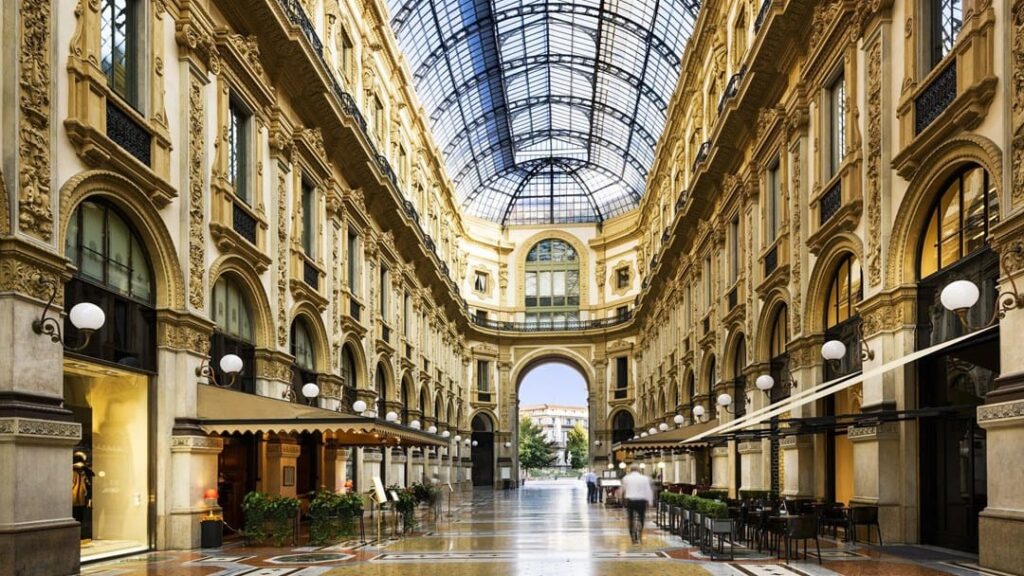
  • Milan: The fashion and financial capital, sleek and modern, centered around the stunning Gothic Duomo.
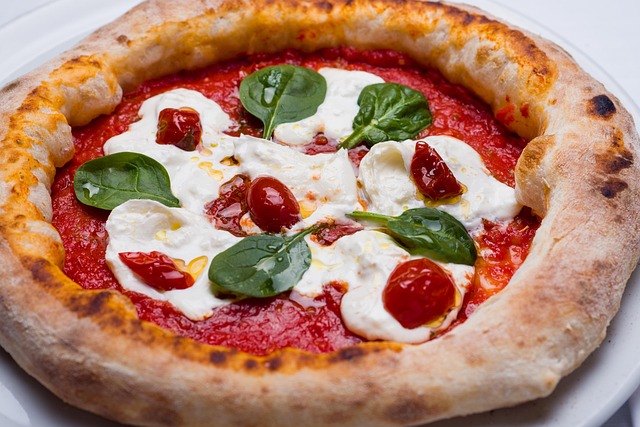
  • Naples: The gateway to the south—lively, authentic, and the true birthplace of pizza.
  • For dramatic cliffs and sea views, the Amalfi Coast and Cinque Terre are legendary. Positano is the star with its pastel houses, while the five fishing villages of Cinque Terre offer hiking trails with views that will leave you breathless.
  • The Islands: From the active volcanoes of Sicily (Etna and Vesuvius) to the crystal waters of Sardinia, the islands offer a rugged, authentic perspective.
Food and Drink
In Italy, food is more than sustenance; it is a sacred ritual of connection and tradition. The culture revolves around seasonal, local ingredients and the philosophy of “Slow Food.” Breakfast is typically a quick, standing affair of a cornetto and a cappuccino—a drink strictly reserved for the morning. Lunch and dinner are longer, multi-course events starting with antipasti, followed by primi (pasta or risotto), and secondi (meat or fish).

Regionality is king: you’ll find buttery polenta in the north and spicy, tomato-based dishes in the south. To drink, house wine and mineral water are table staples, while a bitter digestivo or a sharp espresso concludes the meal to aid digestion. It is a world where quality always triumphs over

Fun facts about Italian cuisine: 

  • Pizza was born in Naples. The classic Margherita pizza was created in 1889 and uses the colours of the Italian flag: red (tomato), white (mozzarella), and green (basil).
  •  Over 400 types of cheese. From Parmigiano Reggiano to Gorgonzola, cheese is a serious matter in Italy.
  • Pasta shapes have purposes. Different shapes are designed to hold different sauces — there’s science behind the spaghetti!
Practical Travel Info
  • Best Time to Visit: Spring (April–June) and Autumn (September–October) offer mild weather and fewer crowds. Summer is hot and busy, while winter is great for the Alps.
  • Getting Around: High-speed trains (Frecciarossa) connect major cities efficiently. For rural areas like Tuscany, renting a car is the way to go.
  • Budget: Major cities can be pricey, but smaller towns offer excellent value for food and stays.
Safety and Practical Information

Italy is generally safe for tourists. Pickpocketing can occur in crowded areas, so basic precautions are recommended. Healthcare is of high quality, and pharmacies are widely available.


  • Power sockets: Type C, F, and L
  • Internet: Reliable and widely accessible
  • Tipping: Not required; small tips are appreciated
  • Language: English commonly spoken in tourist areas
Sonsy Verdict – Is it worth it?

Pros: 

  • Extraordinary history,
  • world-class food,
  • diverse landscapes.

Cons: 

  • Heavy crowds in peak season  
  • slower service pace compared to Northern Europe.

The Verdict: 

Italy is a timeless destination that rewards the curious traveler. Whether you come for the fashion, the ruins, or the wine, it remains one of the most satisfying countries to explore in the world. Arrivederci! We hope to see you on the sun-soaked streets of the Bel Paese soon.

Related posts

The Art of Living Well

Italy is a timeless destination that rewards travellers with unforgettable experiences, rich culture, and exceptional cuisine. Whether visiting for the first time or returning again, it remains one of the most satisfying countries to explore in the world. From high-speed rail to coastal drives, every journey reveals breathtaking, historic wonders.

Read More »
The Heart of Venetian Glass Art

Murano’s 700-year glassmaking tradition is a pinnacle of European craftsmanship. More than a tourist hub, the island hosts active furnaces where masters use ancestral techniques to transform molten glass into intricate sculptures and vessels. This living heritage preserves a legacy of artistic excellence passed down through centuries of Venetian history.

Read More »
Swiss Mountain Tracks

While the Orient Express emphasizes opulence and formal elegance, the Bernina Express prioritizes natural splendor and engineering marvels. Trading fine dining for panoramic views, it offers a premier “slow travel” experience. It is perfect for adventurers valuing immersive Alpine landscapes and historic viadcuts over traditional onboard luxury.

Read More »
The Art of Living Well Read More »
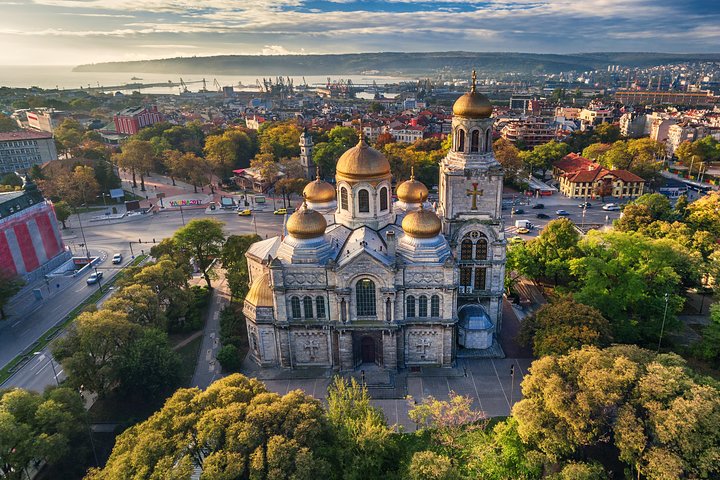
Land of Stunning Coastlines

Croatia – Land of Stunning Coastlines, Islands, and Medieval Towns

Why Visit Croatia?

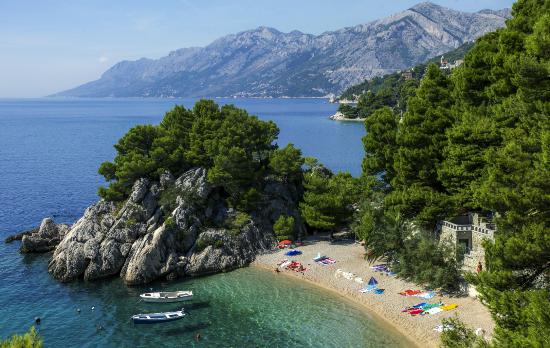
Croatia is a Mediterranean jewel that seamlessly blends natural splendor with deep-rooted history. With over 1,000 islands and a jagged, crystal-clear coastline, it is a premier destination for sailing and sun-seekers. History enthusiasts can wander through the ancient walls of Dubrovnik or explore the Roman grandeur of Diocletian’s Palace in Split.

Beyond the shore, the country boasts spectacular inland wonders like the cascading waterfalls of Plitvice Lakes National Park. Visitors are often charmed by the warm hospitality, fresh seafood, and world-class local wines. Whether you are seeking a vibrant summer festival, a quiet island-hopping retreat, or a journey through medieval architecture, Croatia offers an unforgettable European escape.

Fun fact: Dubrovnik, nicknamed the “Pearl of the Adriatic,” served as a filming location for Game of Thrones.

Basic Facts at a Glance
  • Capital: Zagreb
  • Region: Southeast Europe (Balkans)
  • Population: About 4 million
  • Official language: Croatian
  • Currency: Euro (EUR)
  • Time zone: UTC+1 (CET)

Fun fact: Croatia has over 1,200 islands, making it a paradise for island-hopping and sailing enthusiasts.

Climate and Best Time to Visit
  • Climate: Mediterranean on the coast; continental inland
  • Best time: May–September for beaches and outdoor activities

Fun fact: Croatia enjoys over 2,500 hours of sunshine per year along the Adriatic coast.

Main Attractions

Cities & Historic Towns

  • Zagreb: Capital with a charming old town, museums, and lively markets.
  • Dubrovnik: UNESCO World Heritage city with medieval walls and sea views.
  • Split: Coastal city famous for Diocletian’s Palace and bustling promenades.
  • Rovinj: Picturesque Istrian town with colourful houses and cobbled streets.

Fun fact: Dubrovnik’s walls are over 1.9 km long and were built between the 13th and 16th centuries.

Natural Wonders

  • Plitvice Lakes National Park: Famous for cascading lakes and waterfalls.
  • Krka National Park: Waterfalls and swimming areas in a lush setting.
  • Paklenica National Park: Mountains and canyons for hiking and climbing.
  • Adriatic Islands: Hvar, Brač, Korčula, and more with beaches and historic villages.

Fun fact: Plitvice Lakes features 16 terraced lakes connected by waterfalls, a must-see for nature lovers.

Culture and Traditions

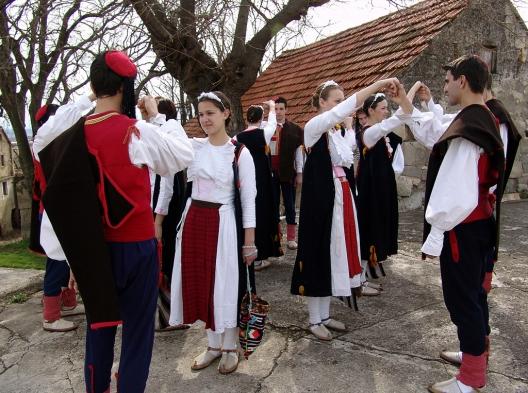
Croatian culture is a vibrant tapestry woven from Mediterranean, Central European, and Balkan influences. A cornerstone of daily life is the coffee culture; locals spend hours in outdoor cafes, emphasizing socializing over a quick caffeine fix. Folklore remains alive through energetic Kolo dances and the hauntingly beautiful Klapa singing, a traditional a cappella style from Dalmatia that is protected by UNESCO.

Religious traditions are deeply rooted, marked by elaborate processions and feasts for patron saints. Croatian craftsmanship is equally celebrated, particularly the delicate Pag lace and the iconic Licitar hearts. Furthermore, the country takes pride in its inventions, most notably the cravat (necktie). This blend of relaxed coastal living and a fierce respect for historical heritage makes Croatia truly unique.

Food and Drink

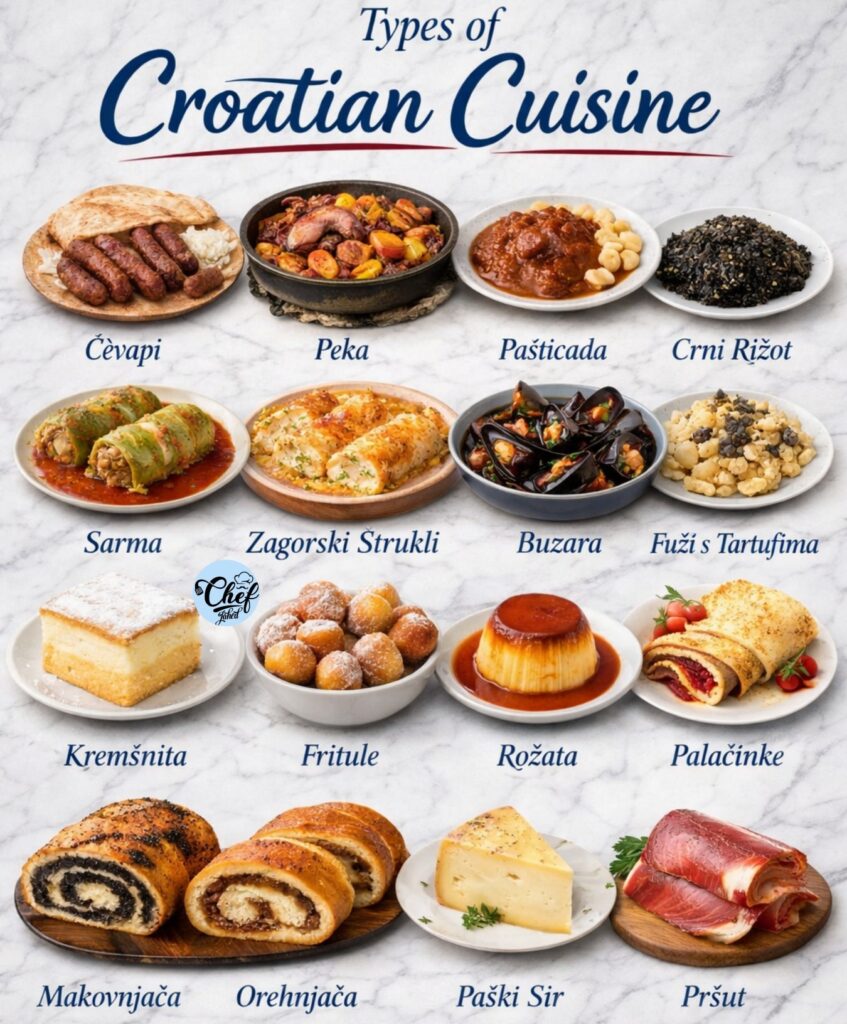
Croatian gastronomy is a flavorful mosaic shaped by its diverse geography. Along the Dalmatian coast, the diet is Mediterranean, featuring fresh grilled fish, octopus salad, and Crni rižot (black risotto) tinted with cuttlefish ink. A rustic highlight is Peka, a slow-cooked blend of meat and vegetables prepared under a bell-like lid covered in hot embers. 

Inland, the flavors turn heartier. In Istria, world-class truffles and handmade fuži pasta dominate the menu, while the continental regions offer Štrukli, a comforting cheese-filled pastry. No meal is complete without local drinks; Croatia produces exceptional wines like the bold Plavac Mali and crisp Graševina. Finally, a sip of Rakija, the potent traditional fruit brandy, is the ultimate gesture of Croatian hospitality.

Fun fact: Croatia has a strong coffee culture, and locals often spend hours relaxing in cafés.

Croatia has a rich wine culture, with vineyards producing some of Europe’s oldest known grape varieties. The different wine regions offer diverse tasting experiences, from the robust reds of the south to the refined whites of the north. Most tours are concentrated in Istria, the Pelješac Peninsula, and the island of Hvar. Additionally, you can discover hidden boutique cellars in the lush Konavle Valley or enjoy sparkling varieties in Plešivica.

Pelješac Peninsula (Near Dubrovnik)

Known as the “heart of Croatian wine,” this region specializes in Plavac Mali, a bold red related to Zinfandel. 

  • Wineries to Visit: Miloš Winery for traditional styles and Matusko Winery for its famous cellars and premium Dingač wines.
  • Tour Highlights: Many full-day tours from Dubrovnik include a stop in Ston for fresh oysters, which are traditionally paired with local white wines.
  • Estimated Price: Tours range from $118 to over $260 per person depending on group size and inclusions like lunch. 

Istria (Northwest Coast)

Istria is famous for Malvazija Istriana (white) and Teran (red), often compared to Tuscany for its hilltop villages. 

  • Wineries to Visit: Kozlović Winery is a top-rated modern facility offering terrace tastings. Kabola is another highlight, known for wines aged in amphorae.
  • Unique Experiences: You can find “Wine & Truffle” tours or off-road Land Rover tasting experiences starting from $150.
  • Estimated Price: Private guided tours from Pula or Rovinj typically cost between €74 and €365

Hvar Island & Konavle Valley

  • Hvar Island: Tours often visit Duboković Winery in Jelsa, where you can taste natural wines and flavored olive oils in a candlelit cellar. Prices are roughly $180–$250 for a full day.
  • Konavle Valley: Located south of Dubrovnik, this region is famous for the rare Malvasija Dubrovačka. A popular option is the Konavle Wine Train, which takes guests through vineyards to family estates.
Getting Around
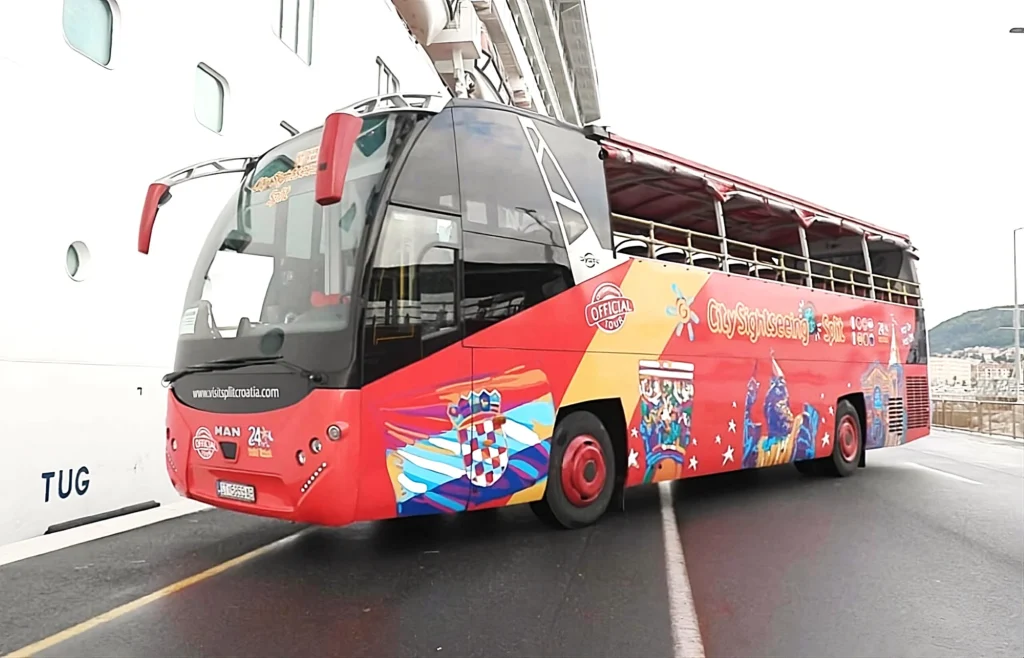
Exploring Croatia is remarkably accessible, offering options for every budget. Intercity buses, like Arriva or FlixBus, are the most popular and affordable way to travel, with tickets between major hubs like Zagreb and Split typically costing $15–$30. For a more scenic journey, the extensive ferry and catamaran network connects the mainland to islands for $5–$20 per foot passenger.
If you prefer flexibility, car rentals start around $25 per day in the off-season, though prices triple in summer. Additionally, domestic flights via Croatia Airlines can save time for roughly $50–$100. Early booking is key to securing these lower rates. 
Fun fact: Some of Croatia’s islands are car-free, accessible only by boat, offering peaceful escapes.
 Safety and Practical Information
Croatia is consistently ranked as one of the safest countries in the world, making it ideal for solo travelers and families. Violent crime is extremely rare, and even in major cities like Zagreb or Split, walking alone at night is generally considered safe. Visitors should simply exercise standard precautions against occasional pickpocketing in crowded tourist hotspots. Local police are helpful, and the overall atmosphere is welcoming and peaceful.
 
  • Power sockets: Type C and F
  • Internet: Widely available
  • Tipping: 10% customary in restaurants
  • Language: Croatian; English widely spoken in tourist area
Final Verdict – Is Croatia Worth Visiting?

Pros:

  • Stunning coastline and islands
  • Historic towns with medieval charm
  • National parks with breathtaking landscapes

Cons:

  • Peak season can be crowded and expensive
  • Inland regions may have fewer tourist services

Verdict:
Croatia is perfect for travellers seeking a mix of history, natural beauty, and Mediterranean charm. From the walls of Dubrovnik to the beaches of Hvar and the lakes of Plitvice, Croatia offers unforgettable experiences for every type of traveller.

Related posts

Land of Stunning Coastlines

Croatia is a Mediterranean gem offering over 1,000 islands, crystal-clear waters, and ancient Roman history. From the breathtaking Plitvice waterfalls to the iconic walls of Dubrovnik, it blends natural beauty with vibrant culture. Whether sailing the Adriatic or exploring medieval towns, Croatia provides an unforgettable and diverse European escape.

Read More »
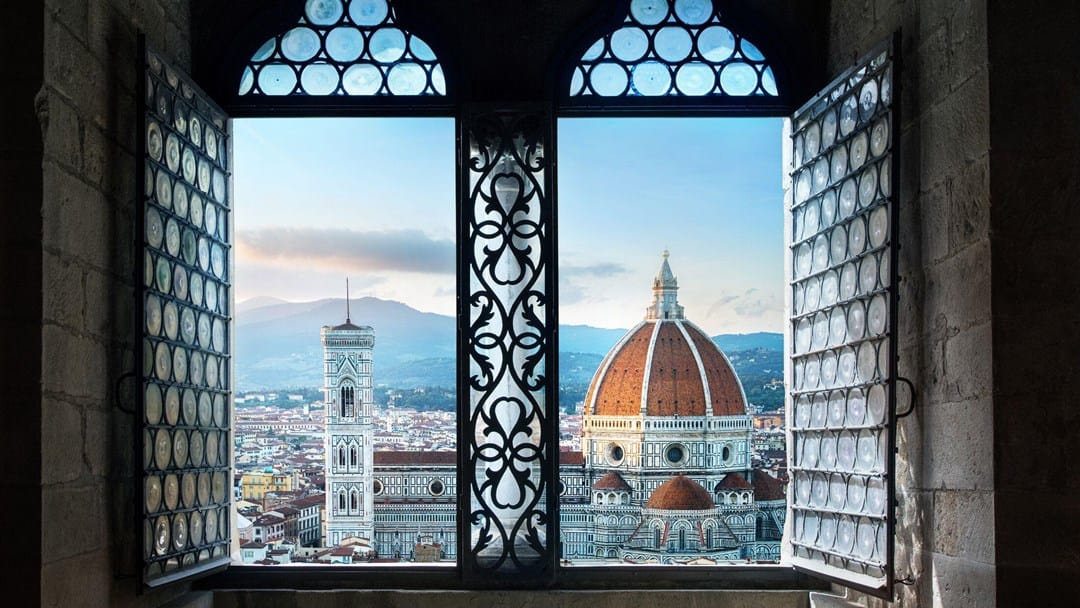
Rimac Automobili

A Rimac Automobili visit offers a deep immersion into high-performance electric innovation. From battery technology to the production of the Nevera, visitors witness the future of transportation. It is an extraordinary Croatian experience for tech enthusiasts and travelers alike, perfectly blending cutting-edge engineering with world-class design and sustainable speed.

Read More »
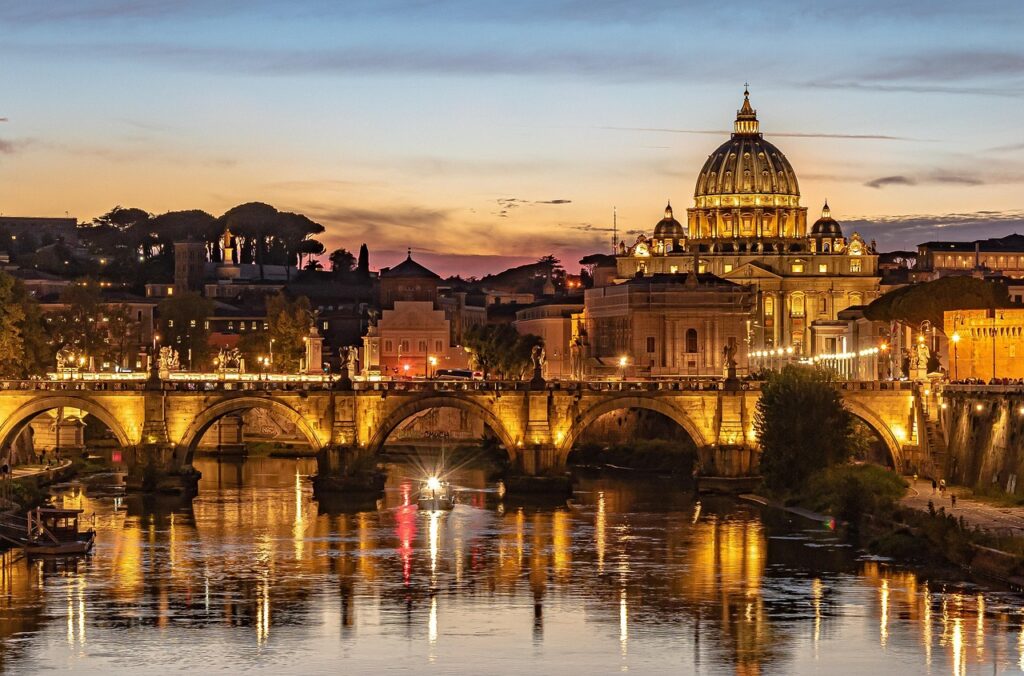
The Cradle of Civilization

A Mediterranean cruise is a celebration of life (La Dolce Vita). It is the perfect symphony of culture, history, and world-class cuisine. Whether you are sipping wine in a Spanish vineyard or watching the sunset over the Acropolis, this journey is guaranteed to nourish both your soul and your palate.

Read More »
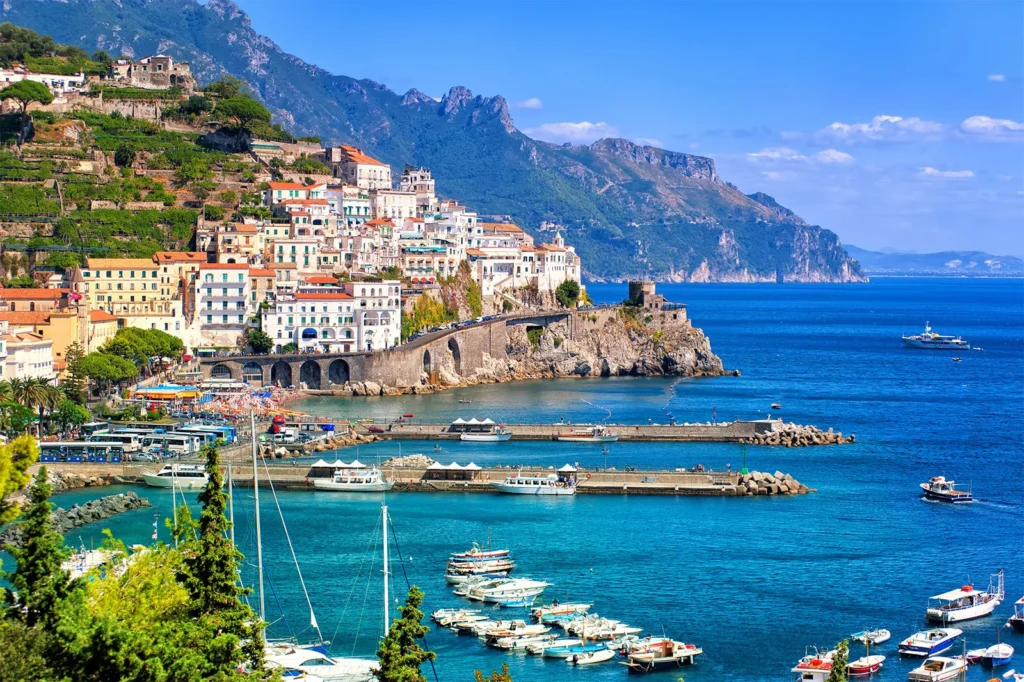
Land of Stunning Coastlines Read More »
Land of Futuristic Skylines and Tropical Gardens

Singapore – The city we long for every single day

Why Visit Singapore?
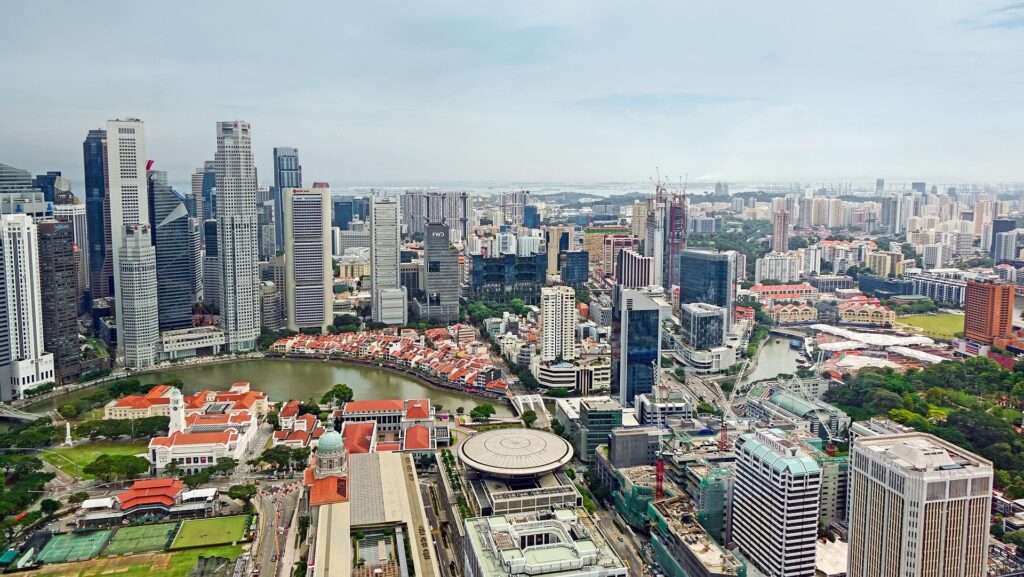
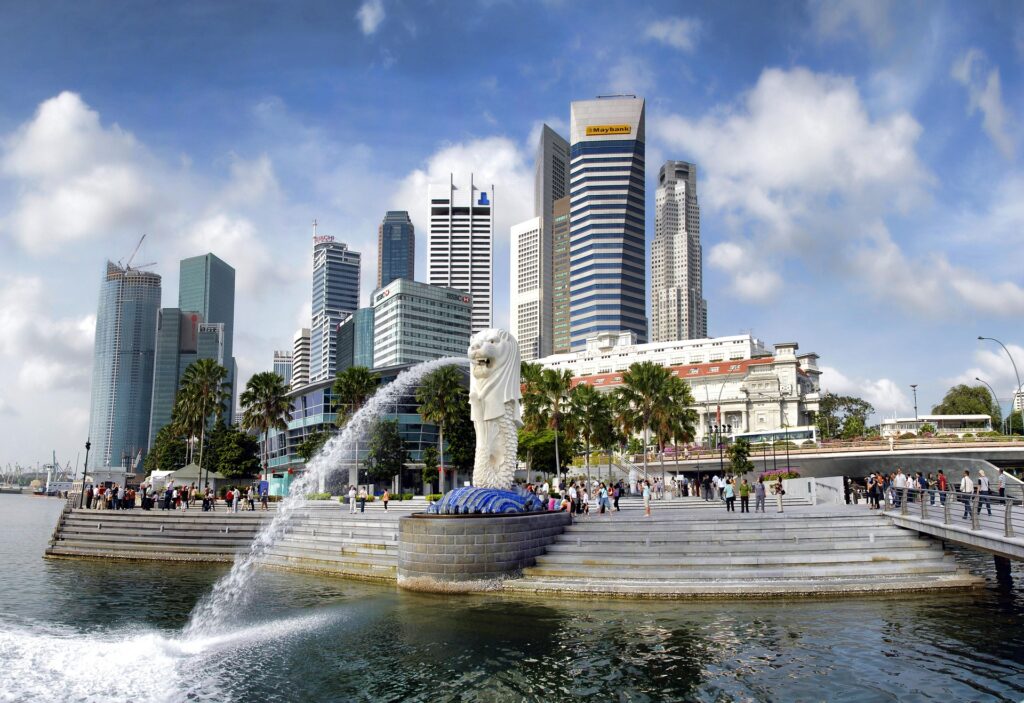
Singapore is more than just a transit hub; it is a captivating fusion of tradition and futurism, a place where cutting-edge innovation meets deep-rooted cultural heritage. For many, it is the “City in a Garden,” a unique city-state where skyscrapers are draped in emerald greenery and the streets are so clean they practically shine. Our first Asian destination left such an impression on us that we find ourselves longing to return every single day.

Fun fact: Singapore is one of the world’s only city-states and is known for being extremely clean and highly modern.

 From Athens to the Jewel of Asia
Our adventure started with an 11-hour flight from Athens via Scoot, Singapore Airlines’ low-cost carrier. Even before landing, we had stories to tell. Due to a broken seat, we were separated despite our pre-booked extra-legroom seats. However, the crew compensated us with an entire row of three seats in the economy cabin, allowing us to take turns sleeping comfortably. It was a reminder that even with budget travel—tickets can be found from Europe starting at just $300—Singaporean hospitality starts in the air.
Upon arrival, Changi Airport—voted the world’s best for the 13th time in 2025—immediately lived up to its reputation. The entry process is a marvel of automation. While the system is strict (a single typo on the mandatory online SG Arrival Card can halt your progress), the self-service kiosks make it easy to rectify errors in minutes. With a 90-day visa-free stay for many tourists and an electronic Visit Pass sent straight to your email, the transition from the plane to the city is fast, smooth, and entirely stress-free.
Basic Facts at a Glance
  • Capital: Singapore (city-state)
  • Region: Southeast Asia
  • Population: About 5.9 million
  • Official languages: English, Malay, Mandarin, Tamil
  • Currency: Singapore Dollar (SGD)
  • Time zone: UTC+8
Climate and Best Time to Visit
  • Climate: Tropical, hot and humid year-round
  • Best time: February–April and July–September for slightly drier weather

Fun fact: Singapore’s weather is consistent throughout the year, with temperatures typically around 26–32°C (79–90°F).

Iconic Landmarks: Where the Future Lives
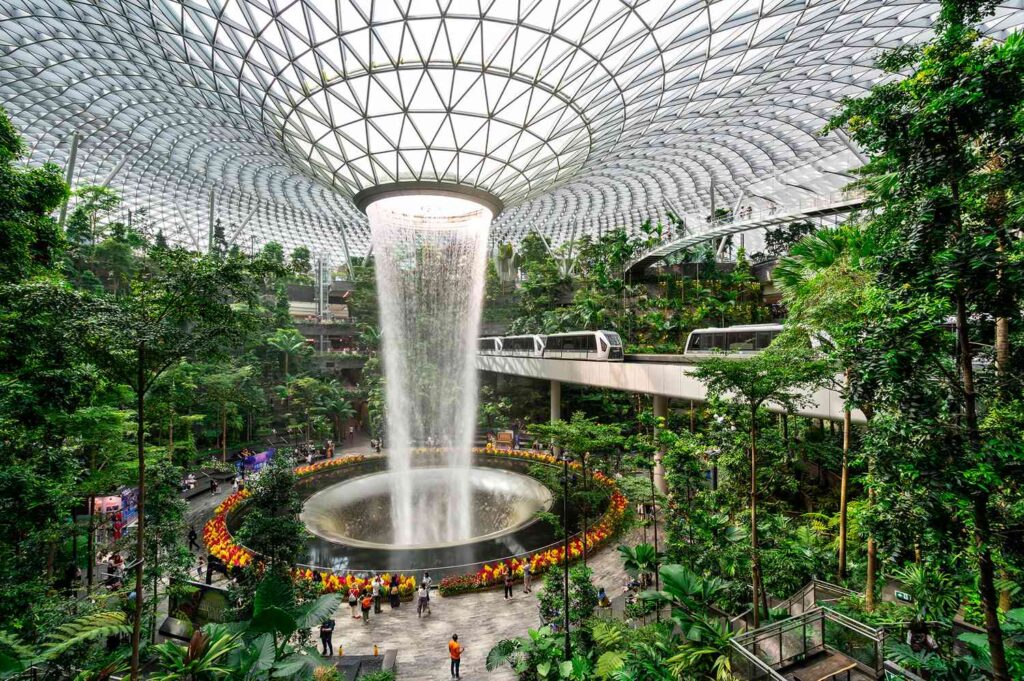
No visit to Singapore is complete without witnessing its architectural marvels. The Marina Bay Sands (MBS) is the undisputed icon of the skyline. Its three 55-story towers are crowned by the SkyPark, a 200-meter-high platform featuring a lush garden and the world’s most famous infinity pool. While the pool is for guests, the observation deck offers panoramic views for everyone. Inside the mall, the Rain Oculus—a massive 22-meter glass funnel—collects rainwater into a mesmerizing whirlpool that drops several stories.
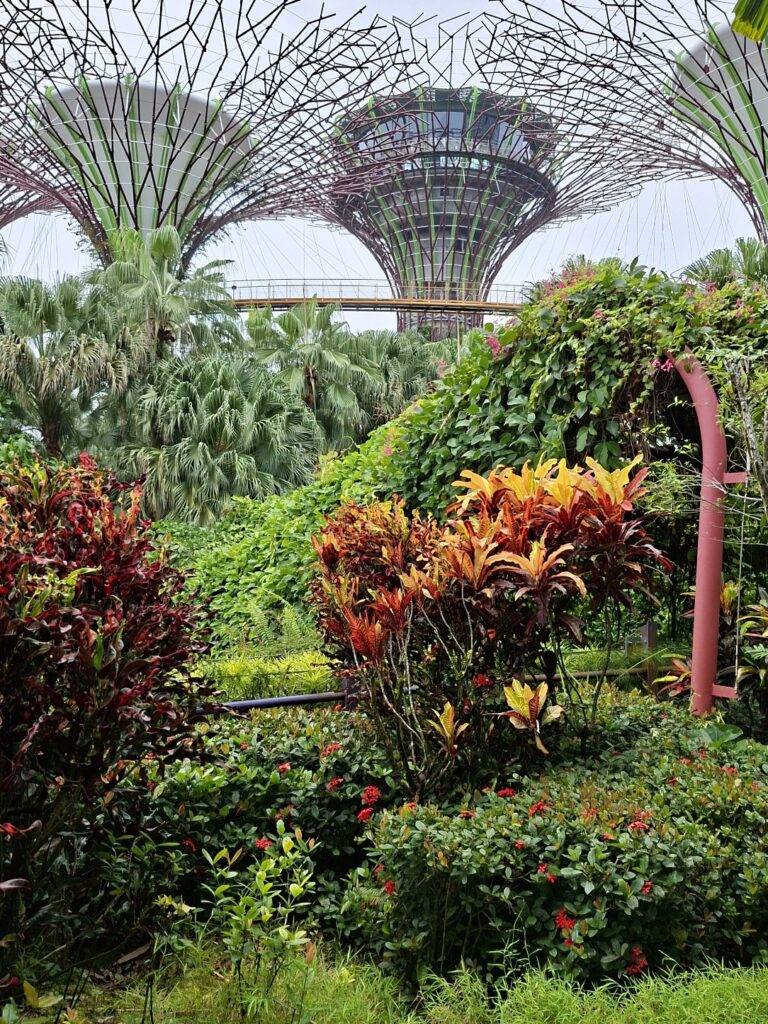
Just a flower-lined bridge away lies Gardens by the Bay. This 101-hectare park is home to the Supertrees, artificial structures that collect rainwater and generate solar energy. The nightly Garden Rhapsody light show is pure magic. For a deeper dive into nature, the Flower Dome and the Cloud Forest conservatories are engineering wonders, the latter featuring a breathtaking 35-meter indoor waterfall that remains etched in our memories.
For those seeking a more historical green space, the 160-year-old Singapore Botanic Gardens (a UNESCO World Heritage site) provides a cooling sanctuary. The National Orchid Garden within its grounds displays thousands of species, including “VIP hybrids” named after visiting world leaders.
A Vibrant Cultural Melting Pot
What truly captivates visitors is the peaceful coexistence of cultures. With a population comprising 76% Chinese, 15% Malay, and 7.5% Indian residents, Singapore is a rich tapestry of religions and traditions. Walking through the streets, you might find a Buddhist temple, a mosque, a Christian church, and a Hindu shrine all within the same neighborhood.
In districts like Chinatown, Little India, and Kampong Glam, the air is thick with the scent of incense and spices. We often found ourselves stepping into temples to light incense and soak in the “delicate silence” that offers a stark, beautiful contrast to the bustling city outside. This spirit of “Racial Harmony” is a core national value, celebrated through diverse festivals like Deepavali and Chinese New Year.
Navigation and the Green Philosophy
Singapore is a tiny island, spanning only 735 km², which necessitates strict regulation of car ownership. The Certificate of Entitlement (COE) can cost upwards of S$100,000, making private cars a true luxury. This has birthed one of the world’s most efficient public transport systems. The Mass Rapid Transit (MRT) and bus networks are impeccably clean and punctual. Navigating is simple: English signs are everywhere, and you can simply tap your contactless credit card at the gantry for fares typically ranging between S$1.28 and S$2.57.
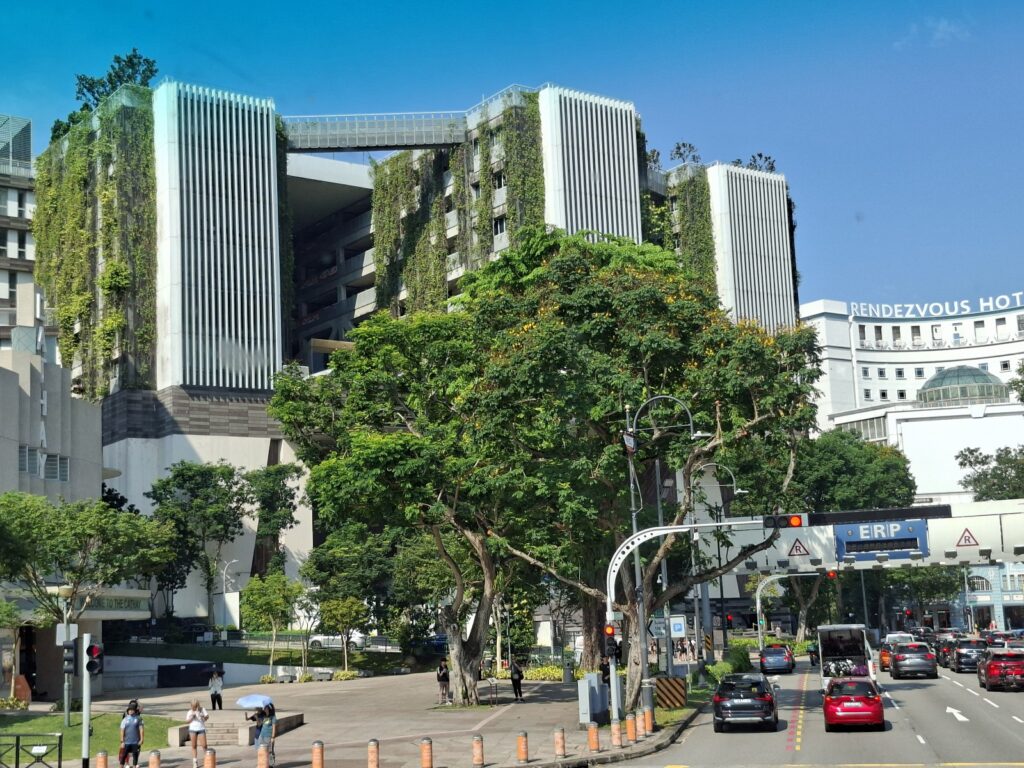
This efficiency is mirrored in the city’s urban planning. Since the introduction of the Green Mark scheme in 2005, Singapore has transformed into a model of sustainability. Vertical gardens, green roofs, and plant-covered facades ensure that nature is never more than a glance away. Even the older public housing estates are maintained with incredible discipline, reflecting a society that prizes order and beauty.
Beyond the Mainstream: Islands and Shopping
Singapore is actually an archipelago of 64 islands. While Sentosa is the famous tourist playground—home to Universal Studios, casinos, and man-made beaches—other islands offer different charms. Pulau Ubin preserves the rustic “kampong” (village) life of the 1960s, while St. John’s Island is a favorite for local fishers and picnickers.
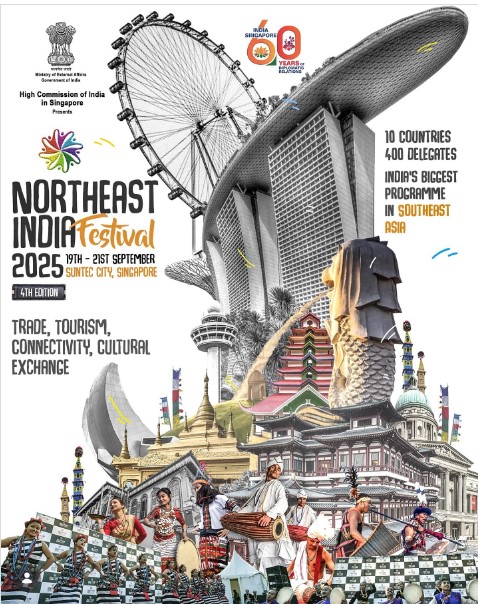
When it comes to shopping, the experience ranges from high-end luxury on Orchard Road to the delightful chaos of the Mustafa Centre in Little India. Open 24/7, Mustafa is a labyrinth where you can find anything from electronics to groceries at surprisingly competitive prices. For a different vibe, the Suntec City Mall houses the record-breaking Fountain of Wealth, a symbol of prosperity at the heart of the city.
Safety and Practical Information
Singapore is consistently ranked as one of the world’s safest cities, characterized by an exceptionally low crime rate and a highly efficient police force. This security allows travelers to explore freely, even late at night. To ensure a smooth trip, remember that Singapore uses Type G power sockets (three-pin) and offers some of the fastest public  Wi-Fi globally through “Wireless@SGx”.
Communicating is effortless as English is the primary language for business and signs. Regarding etiquette, tipping is not required or expected, as most establishments include a 10% service charge. Finally, be mindful of local regulations: strict laws against littering, smoking in prohibited areas, and chewing gum are vigorously enforced to maintain the city’s famous cleanliness and order.
A Culinary Obsession
In Singapore, food is the national language. The heart of the gastronomic scene is the Hawker Centre. These communal food courts are so culturally significant they were added to the UNESCO Intangible Cultural Heritage list in 2020.
We explored the local flavors with mixed results but high enthusiasm:
  • Hainanese Chicken Rice: The national dish—simple, fragrant, and comforting.
  • Satay: Perfectly charred skewers served with a rich peanut sauce.
  • Kopi & Teh Tarik: The local coffee and “pulled” tea that provide a silky caffeine kick.
    While the spicy, coconut-based Laksa proved a bit too bold for our palates this time, it gives us the perfect excuse to return and be braver next time.

Fun fact: Singapore has more Michelin-starred hawker stalls per square mile than any other country.

Final Verdict – Is Singapore Worth Visiting?

Pros:

  • Ultra-modern city with world-class attractions
  • Extremely safe and easy to navigate
  • Diverse cultural experiences in a compact area

Cons:

  • Expensive compared to neighbouring Southeast Asian countries
  • Very urban; natural landscapes are limited to parks and nearby islands

Verdict:
Singapore is perfect for travellers who love urban exploration, food adventures, and multicultural experiences. Compact, clean, and highly efficient, it offers a unique blend of modernity and tradition that is rare in the world.

Related posts

Land of Futuristic Skylines and Tropical Gardens

Singapore is a breathtaking blend of futuristic architecture, lush greenery, and world-class cuisine. This safe, ultra-clean city-state offers a harmonious mix of modern skyscrapers and vibrant cultural heritage. From the iconic Gardens by the Bay to legendary hawker centers, discover why this Asian gem is a must-visit destination.

Read More »
Land of Futuristic Skylines and Tropical Gardens Read More »
From Fairytale Castles to Modern Marvels

Germany Uncovered: From Fairytale Castles to Modern Marvels

Why Visit Germany?

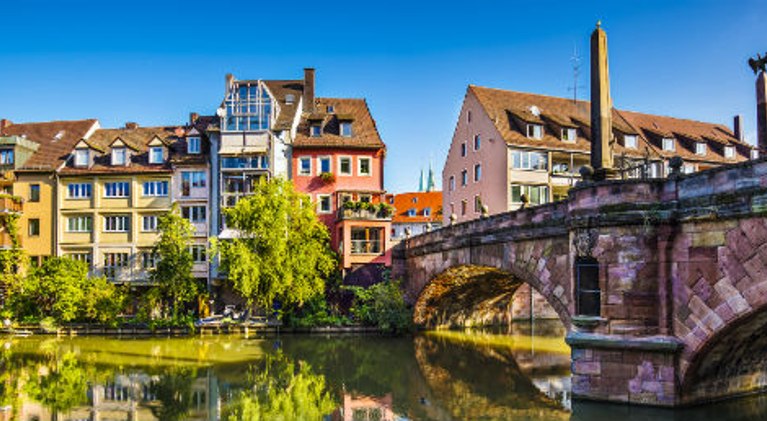
Germany offers a captivating blend of historical depth and cutting-edge innovation, making it a premier destination for any traveler. From the fairytale spires of Neuschwanstein Castle to the somber, thought-provoking remnants of the Berlin Wall, the country’s past is visible at every turn. Beyond history, Germany is a world leader in engineering and design, evident in its sleek infrastructure and world-class museums like the BMW Museum in Munich.

Nature lovers can find serenity in the Black Forest or the Bavarian Alps, while urban explorers enjoy the vibrant nightlife and “gemütlichkeit” of traditional beer gardens. With its efficient public transport, diverse culinary scene, and passionate sporting culture—highlighted by iconic venues like the BayArena—Germany promises a perfectly organized yet deeply soulful European adventure.

Fun fact: Germany is made up of 16 federal states, each with its own traditions, accents, and festivals.

Basic Facts at a Glance
  • Capital: Berlin
  • Region: Central Europe
  • Population: About 84 million
  • Official language: German
  • Currency: Euro (EUR)
  • Time zone: CET (UTC+1), CEST (UTC+2 in summer)

Fun fact: Germany has more than 20,000 castles, palaces, and fortresses, many of which are open to visitors.

Climate and Best Time to Visit

  • Spring (Apr–May): Mild and green
  • Summer (Jun–Aug): Warm, ideal for festivals
  • Autumn (Sep–Oct): Cool, wine harvest season
  • Winter (Nov–Mar): Cold, festive Christmas markets

Best time to visit: May–September.

Fun fact: Oktoberfest actually starts in September, not October.

Main Attractions

Cities

  • Berlin – A creative and historic capital known for art, music, and modern culture.
  • Munich – Bavaria’s capital, famous for beer halls and Alpine traditions.
  • Hamburg – A major port city with maritime charm and modern architecture.
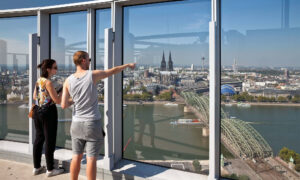
  • Cologne – Home to one of Europe’s largest cathedrals.
  • Frankfurt – Germany’s financial centre with a striking skyline.

Fun fact: Berlin has more bridges than Venice.

Iconic Sites and Landscapes

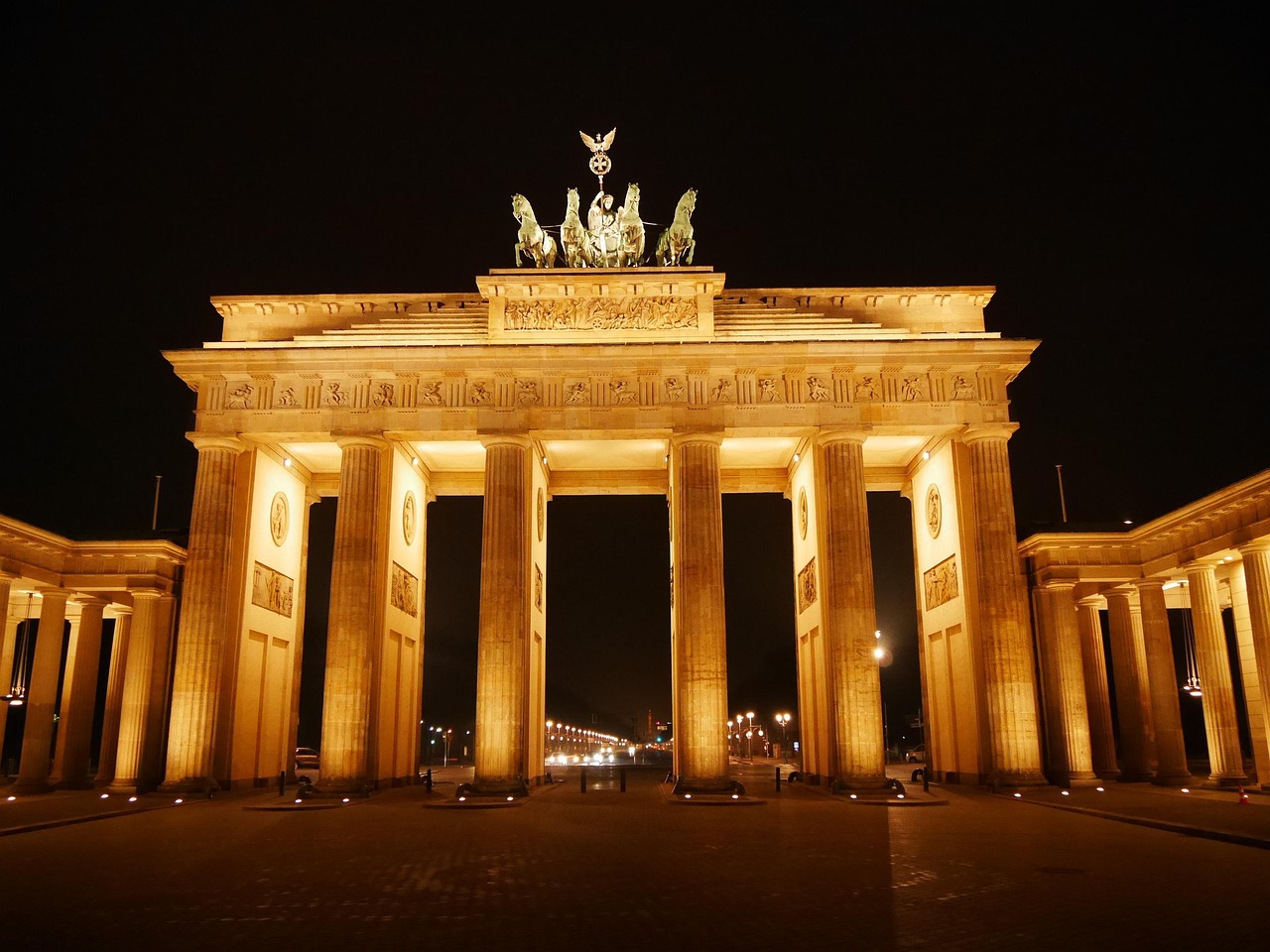
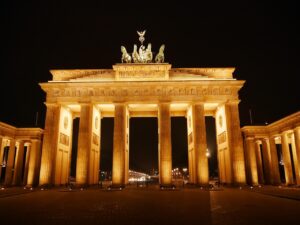
  • Brandenburg Gate – A symbol of German unity.
  • Cologne Cathedral – A UNESCO-listed Gothic masterpiece.
  • Neuschwanstein Castle – The fairy-tale castle that inspired Disney.
  • Black Forest – Dense woodland, hiking trails, and traditional villages.
  • Rhine Valley – Vineyards, castles, and scenic river cruises.

Fun fact: The cuckoo clock comes from the Black Forest region.

Food and Drink

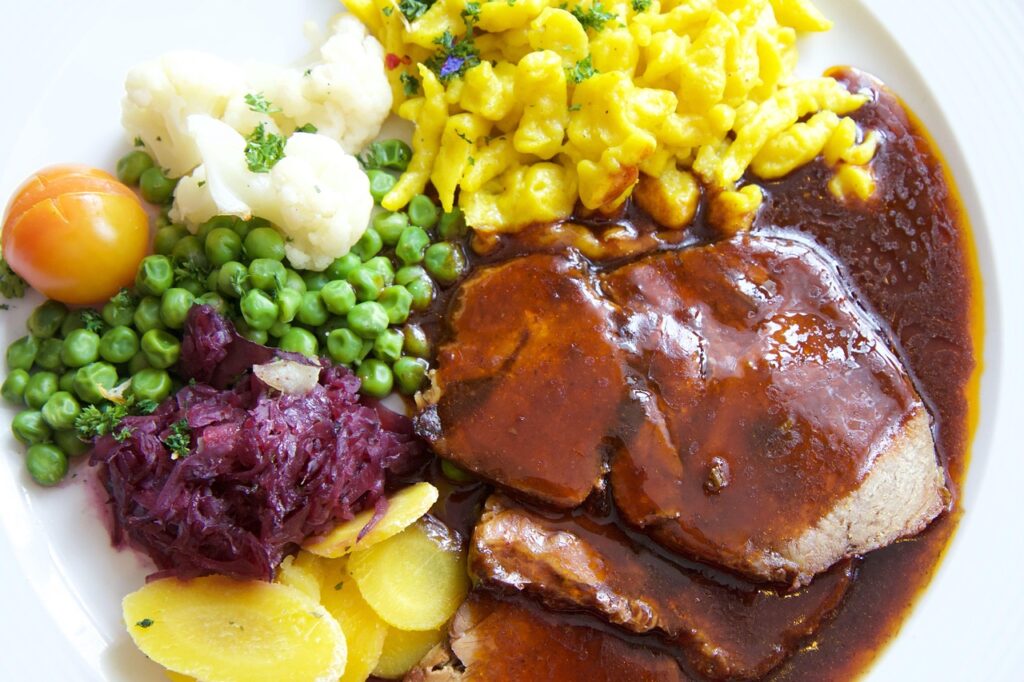
German cuisine is a hearty celebration of regional traditions and seasonal ingredients, offering far more than just its world-famous staples. No culinary journey is complete without tasting authentic sausages (Bratwurst) or the iconic Schnitzel, often served alongside creamy potato salad or hand-scraped Spätzle noodles. For bread lovers, Germany is a paradise, boasting over 3,000 varieties of dark ryes and crusty rolls, best enjoyed with local cheeses or cold cuts.

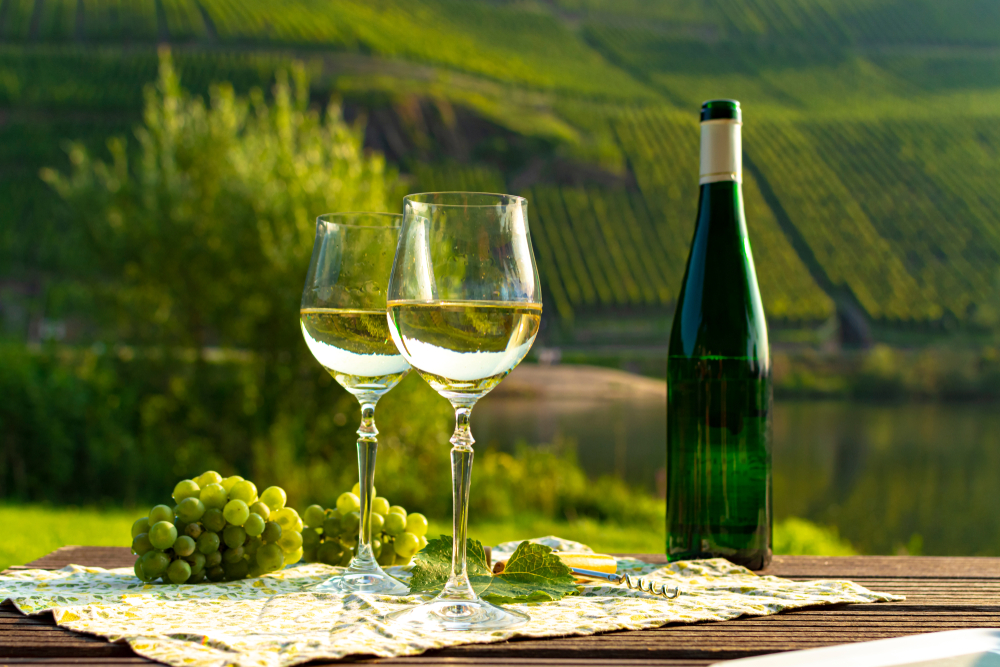
The drinking culture is equally legendary. Germany is the soul of European brewing, where the Reinheitsgebot (Purity Law) ensures exceptional quality in every glass of Pilsner or Hefeweizen. Beyond beer, the steep vineyards along the Rhine and Mosel rivers produce world-class Rieslings. Whether you are enjoying a warm pretzel at a bustling Munich Beer Garden or a slice of Black Forest Cake in a cozy café, German gastronomy is defined by Gemütlichkeit—a unique sense of warmth and belonging. laws date back to 1516.

Getting Around

Germany remains a global leader in mobility, offering a clear choice between high-speed rail and the legendary freedom of the Autobahn.

The German transit landscape is defined by the Deutschland-Ticket, a subscription-based pass priced at approximately €63 per month in 2026. While it offers unlimited local and regional travel nationwide, its subscription model (often requiring a German bank account or long-term commitment) is frequently impractical for foreign tourists. Instead, short-term visitors are better off choosing Day Tickets (Tageskarte) or
  Weekly Passes (Wochenkarte). These are easily available at vending machines, require no contract, and provide much greater flexibility for a 3-to-7-day stay within specific cities or regions.

For those preferring long-distance travel via high-speed ICE or IC trains, pricing is dynamic. Sparpreis (Super Saver) tickets can be found for as low as €19–€29 if booked weeks in advance. 

Germany’s highway network, the Autobahn, continues to be a magnet for driving enthusiasts. As of 2026, Germany notably does not charge a toll (Maut) for passenger cars (under 3.5 tonnes) on its motorways, making it one of the few European countries where highway use remains free for tourists.

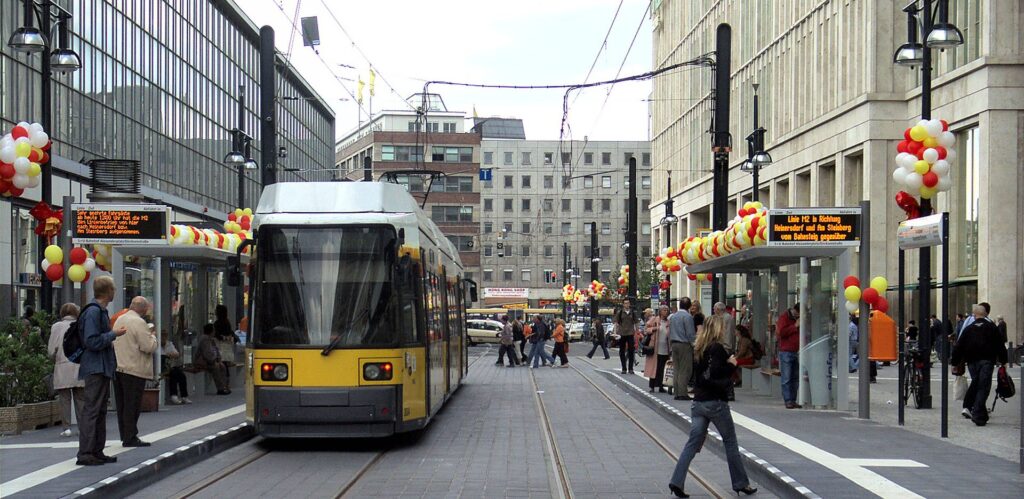
While the myth of “no speed limits” persists, approximately 30% of the network has permanent or dynamic speed restrictions (usually 120 km/h or 130 km/h). In unrestricted zones, the “recommended speed” is 130 km/h. Drivers should be aware of the strict “keep right” rule and the heavy fines for using a mobile phone or tailgating. Fuel prices in 2026 remain relatively high due to environmental taxes, so many travelers now opt for the extensive network of ultra-fast EV charging stations found at almost every “Raststätte” (service station).

Safety and Practical Information

Germany is very safe and tourist-friendly.

  • Power sockets: Type C and F
  • Internet: Fast and reliable
  • Tipping: Rounding up or 5–10% is common
  • Language: English widely spoken, especially in cities

Fun fact: Recycling is taken so seriously that many bottles come with a cash-return system.

Is Germany Worth Visiting?

Pros:

  • Rich history and cultural variety
  • Excellent transport and infrastructure
  • Beautiful towns and landscapes
  • Strong food and beer culture

Cons:

  • Weather can be unpredictable
  • Some cities feel business-oriented

Related posts

From Fairytale Castles to Modern Marvels

Germany offers a perfect mix of historic charm and modern efficiency. You can explore fairytale castles, world-class museums, and vibrant beer gardens while enjoying a highly reliable transport system. Whether you seek the scenic beauty of the Bavarian Alps or the creative energy of Berlin, Germany delivers a truly diverse European experience.

Read More »
The Heart of the Werkself

Discover the BayArena, home of Bayer Leverkusen and one of Germany’s most modern football stadiums. A stadium tour offers a closer look at the club’s distinctive history, its connection to the city of Leverkusen, and the facilities behind the matchday experience. Its compact design makes the BayArena feel very different from Europe’s huge football arenas.

Read More »
Beyond the Spires

Discover the architectural wonders of the Rhineland! From the awe-inspiring Cologne Cathedral, a Gothic masterpiece dominating the skyline, to the nearby Rococo elegance of Augustusburg and Falkenlust Palaces, this region offers a journey through history. Explore these UNESCO World Heritage sites and witness centuries of artistic brilliance firsthand.

Read More »

Natural Wonder Between Land and Tides

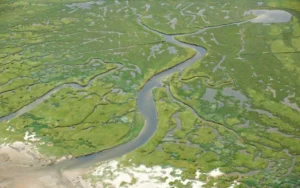
The Wadden Sea is the world’s largest unbroken system of intertidal sand and mud flats, stretching along the coasts of the Netherlands, Germany, and Denmark. This UNESCO World Heritage site supports over 10,000 species and serves as a vital stopover for millions of migratory birds each year.

Read More »

Nürburgring Experience

Experience the ultimate motorsport pilgrimage with a Nürburgring guided tour. Explore the “Green Hell,” from the historic paddocks to the winner’s podium. Discover the 20.8-kilometer Nordschleife’s legendary history and modern engineering. It is a must-visit destination for car enthusiasts seeking a behind-the-scenes look at the world’s most iconic racetrack.

Read More »

The City of Cars

The Volkswagen Autostadt in Wolfsburg is a premier automotive theme park and museum. Visitors can explore various brand pavilions, the iconic glass Car Towers, and take an immersive factory tour to witness high-tech vehicle production firsthand. It is an essential experience combining history, modern architecture, and cutting-edge German engineering.

Read More »

From Fairytale Castles to Modern Marvels Read More »

Land of Thermal Baths, Castles, and the Danube

Hungary – Land of Thermal Baths, Castles, and the Danube

Why Visit Hungary?
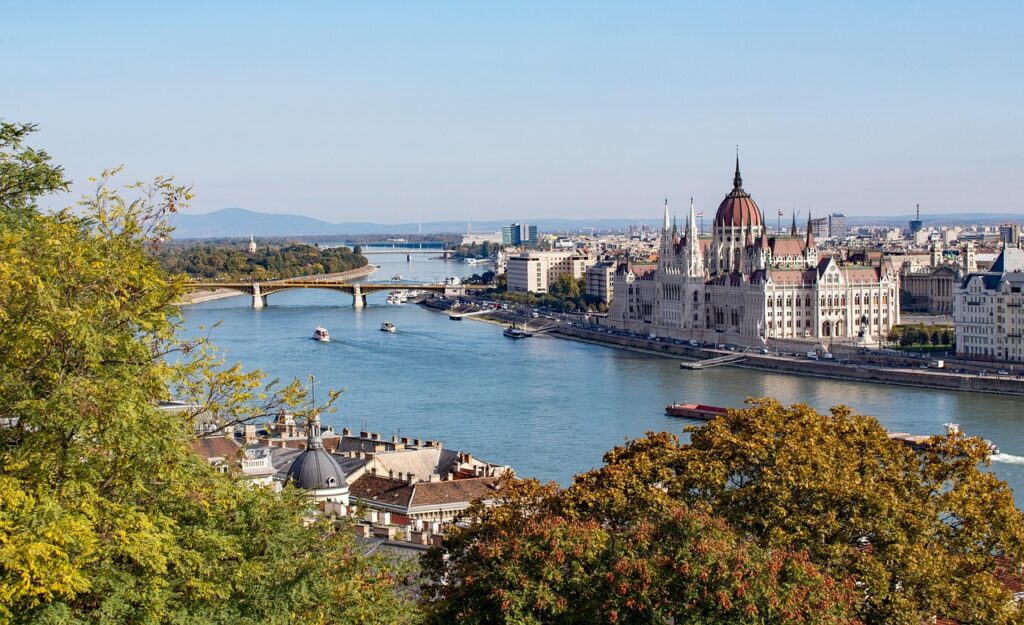
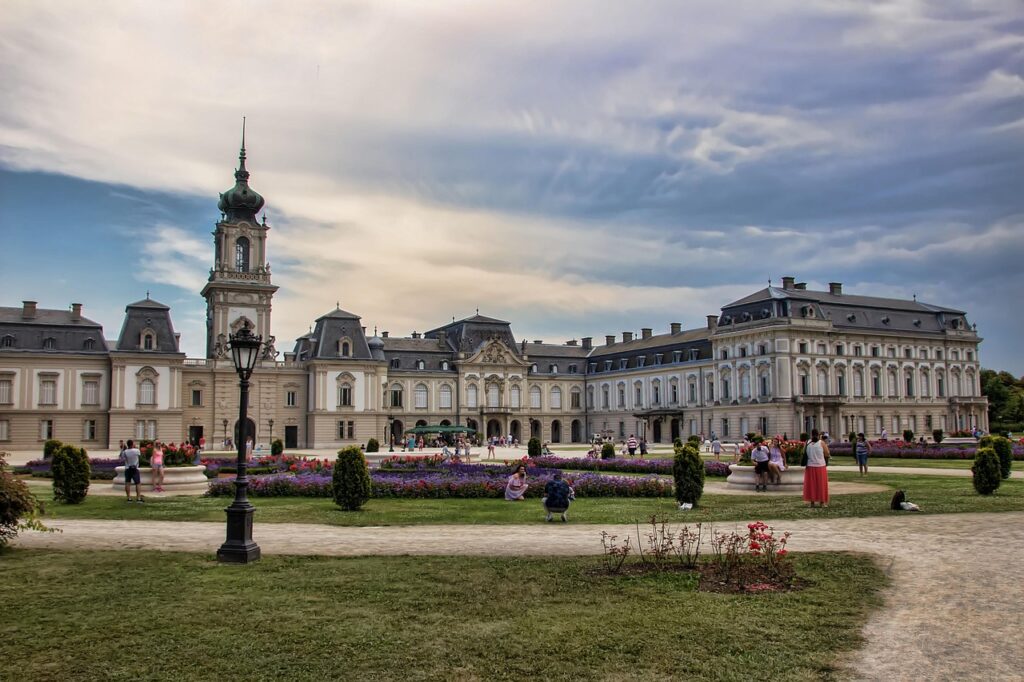
Hungary is a captivating blend of history, culture, and natural beauty. From the dramatic Danube River and historic castles to vibrant cities and world-class wine regions, it offers something for every type of traveler. A fascinating fun fact: Budapest is often called the “Paris of the East” due to its stunning architecture, grand boulevards, and breathtaking river views.
Beyond the capital, visitors can unwind in Hévíz’s thermal waters or explore the rolling vineyards of Tokaj. The country’s charm lies in its accessibility and diversity; you can transition from medieval fortress ruins to Michelin-starred dining in a single afternoon. Whether you are soaking in a historic bath or hiking the Balaton uplands, Hungary promises an authentic, unforgettable European adventure.
Fun fact: Hungary has over 1,000 thermal springs, making it one of the top destinations in the world for spa and wellness tourism.  Budapest’s baths are not just for relaxation — some, like Gellért and Széchenyi, are historic architectural marvels.
Basic Facts at a Glance
  • Capital: Budapest
  • Region: Central Europe
  • Population: About 9.6 million
  • Official language: Hungarian
  • Currency: Hungarian Forint (HUF)
  • Time zone: UTC+1 (CET)
Climate and Best Time to Visit
  • Climate: Continental, with hot summers and cold winters
  • Best time: May–September for sightseeing and festivals; December–February for Christmas markets

Fun fact: Budapest has a network of over 100 thermal baths, many of which are open year-round.

Main Attractions

Cities & Historic Sites

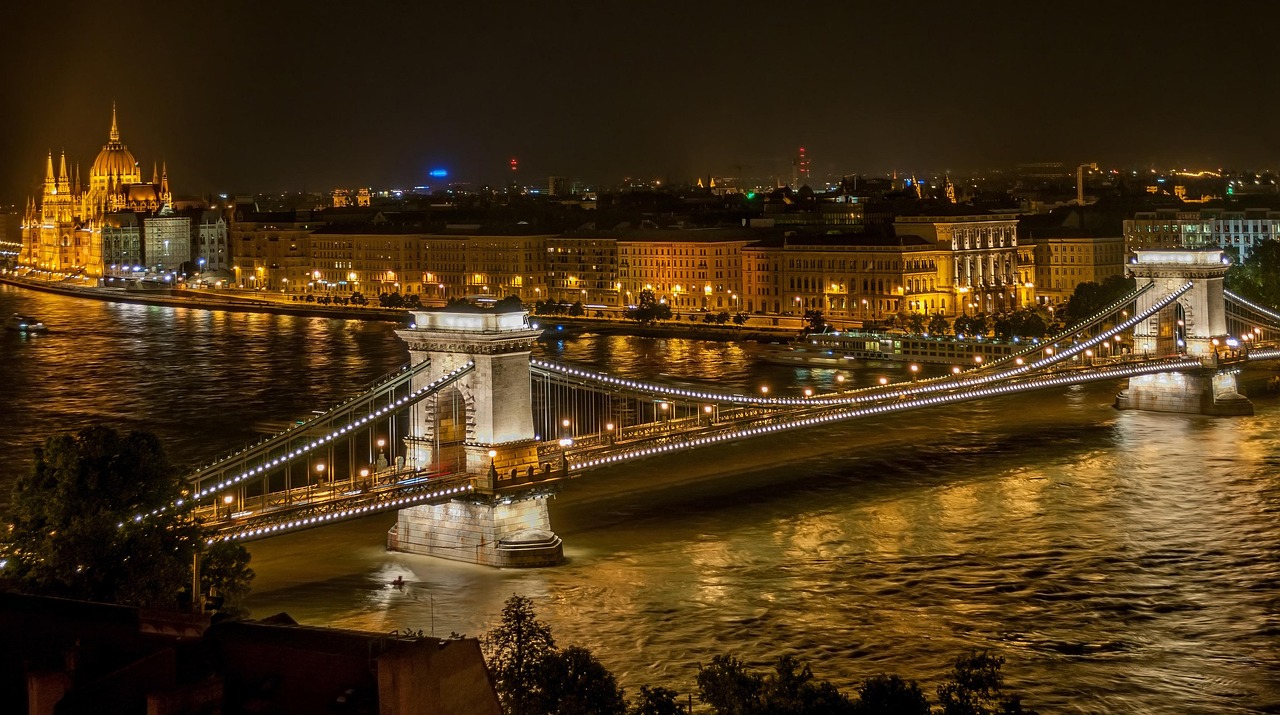
  • Budapest: Thermal baths, Buda Castle, Parliament building, and the lively ruin pubs of the Jewish Quarter.
  • Eger: Baroque town famous for its castle, wine cellars, and historic churches.
  • Pécs: Cultural city with Roman ruins and a UNESCO-listed early Christian cemetery.
  • Szeged: Known as the “City of Sunshine” with beautiful architecture and festivals.

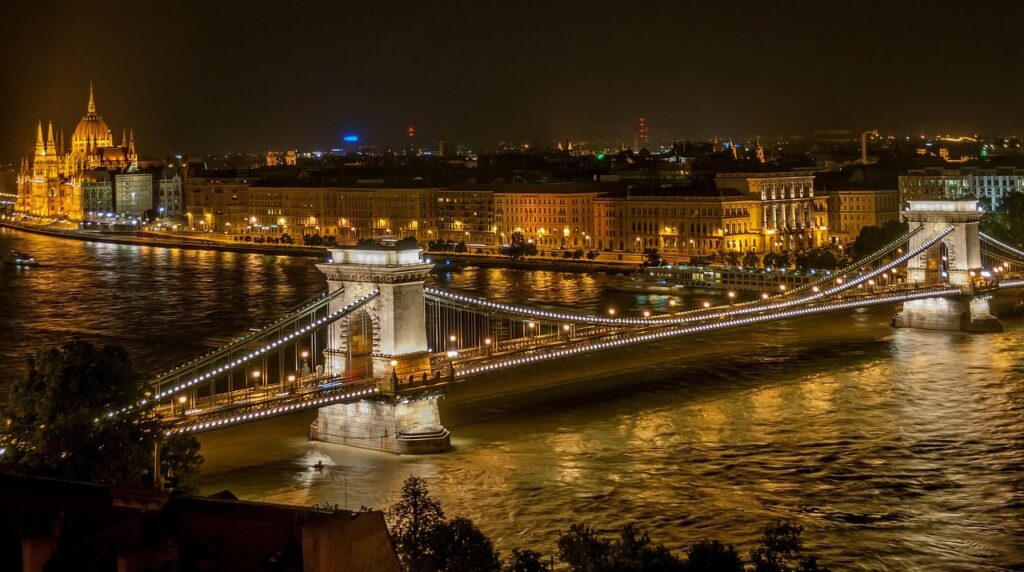
Fun fact: The Chain Bridge in Budapest was the first permanent bridge across the Danube, completed in 1849.

Natural Wonders

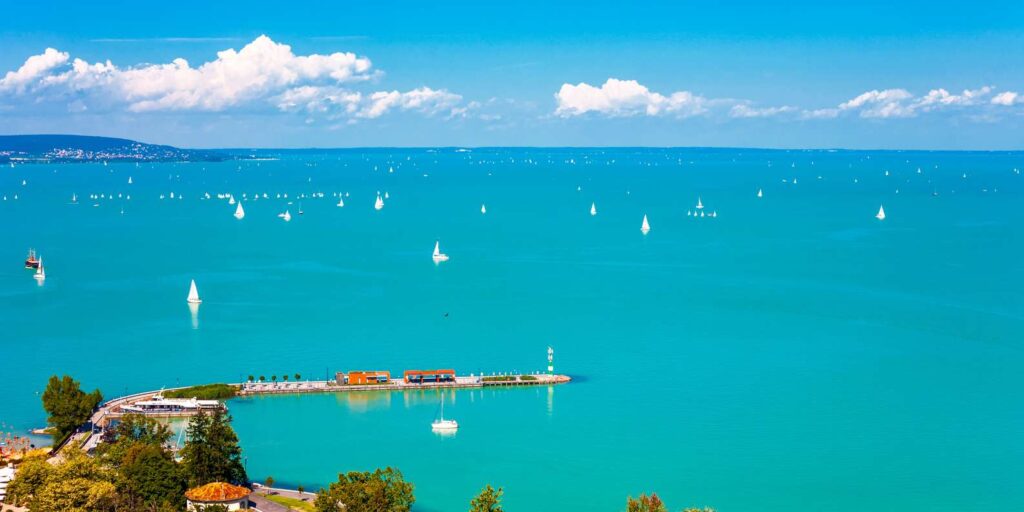
  • Lake Balaton: Central Europe’s largest lake, perfect for swimming, sailing, and relaxation.
  • Hortobágy National Park: Vast steppe and home to traditional Hungarian shepherd culture.
  • Bükk and Mátra Mountains: Ideal for hiking, skiing, and exploring caves.

Fun fact: Lake Hévíz, near Lake Balaton, is the largest thermal lake in the world suitable for bathing.

Food and Drink

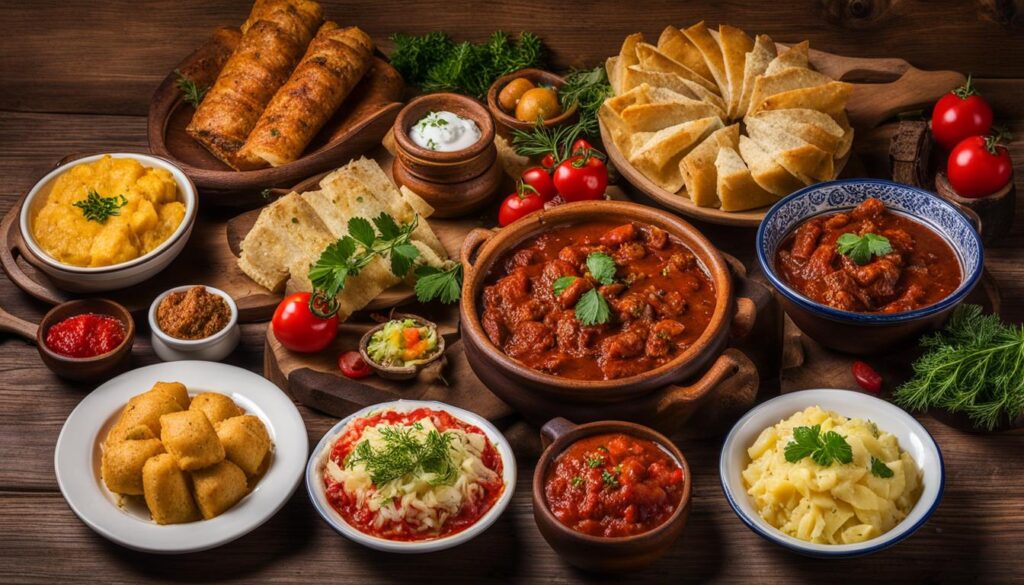
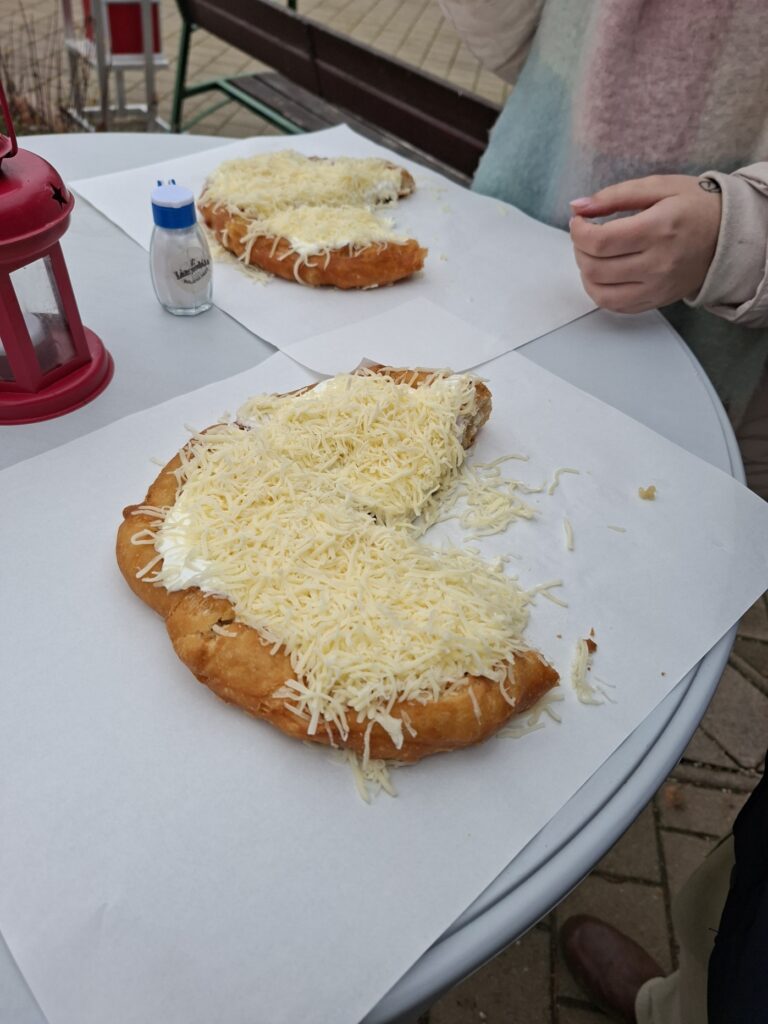
Hungarian cuisine is a masterful celebration of bold flavors and heartiness, where the iconic ruby-red paprika serves as the soul of almost every dish. Beyond the world-famous Goulash, a rich meat soup, travelers should indulge in Chicken Paprikash served with “nokedli” dumplings or the savory Töltött Káposzta (stuffed cabbage). For a quick snack, nothing beats a crispy Lángos topped with garlic water, sour cream, and cheese.

The beverage scene is equally legendary. Hungary’s wine history shines in the Tokaj region, home to the “Wine of Kings,” while the fiery Pálinka fruit brandy remains the ultimate symbol of hospitality. Whether you’re sipping a sophisticated dry Furmint or exploring the eclectic ruin bars of Budapest, Hungary offers a culinary journey that is both traditional and thrillingly modern.

Fun fact: Paprika is a signature spice in Hungary, used in soups, stews, and even sausages.

Getting around

Hungary is efficient and affordable in 2026. Within Budapest, a single public transport ticket costs 450 HUF (~$1.25), while a 24-hour travel card is approximately 2,500 HUF (~$7). For regional travel, MÁV trains offer extensive coverage; a trip from Budapest to Lake Balaton starts around 2,500–4,000 HUF (~$7–$11). Car rentals average $35 per day, ideal for rural exploration. Finally, a scenic Danube River cruise typically costs between $15 and $30, offering an unforgettable view of the city’s historic bridges.

Safety and Practical Information

Hungary is generally safe for travellers, with low violent crime rates. Standard precautions apply in crowded tourist areas.

  • Power sockets: Type C and F
  • Internet: Widely available
  • Tipping: 10% customary in restaurants
  • Language: Hungarian; English and German spoken in tourist areas
Final Verdict – Is Hungary Worth Visiting?

Pros:

  • Historic cities with beautiful architecture
  • Thermal baths, spas, and natural wonders
  • Delicious cuisine and famous wines

Cons:

  • Hot summers can be intense in cities
  • Winter days are short, though Christmas markets are festive

Verdict:
Hungary is perfect for travellers who enjoy history, culture, and relaxation. From the thermal baths of Budapest to Lake Balaton and the scenic countryside, Hungary offers a rich and memorable European experience.

Related posts

A Journey Through the Heart of Europe

A Danube river cruise offers a magical journey through the heart of Europe. It is the perfect blend of scenic beauty, cultural depth, and comfortable travel. From the rich history of Germany and Austria to the raw beauty of the Danube Delta, the river provides an elegant pathway to discovery.

Read More »
Land of Thermal Baths, Castles, and the Danube

Hungary is a captivating blend of history, culture, and natural beauty. From the dramatic Danube River and historic castles to vibrant cities and wine regions, it offers something for every traveler. Budapest, the “Paris of the East,” provides stunning architecture and river views, making it a premier European destination.

Read More »

The World’s Most Legendary Luxury Train

Orient Express offers a once-in-a-lifetime experience where the romance of pre-war Europe truly comes to life. The unparalleled gastronomy, private steward service, and breathtaking landscapes transform the journey into an unforgettable adventure that goes far beyond mere transportation.

Read More »
Land of Thermal Baths, Castles, and the Danube Read More »
Portugal – Historic Cities and Timeless Traditions

Portugal – Land of Atlantic Coastlines, Historic Cities, and Timeless Traditions

Why Visit Portugal?

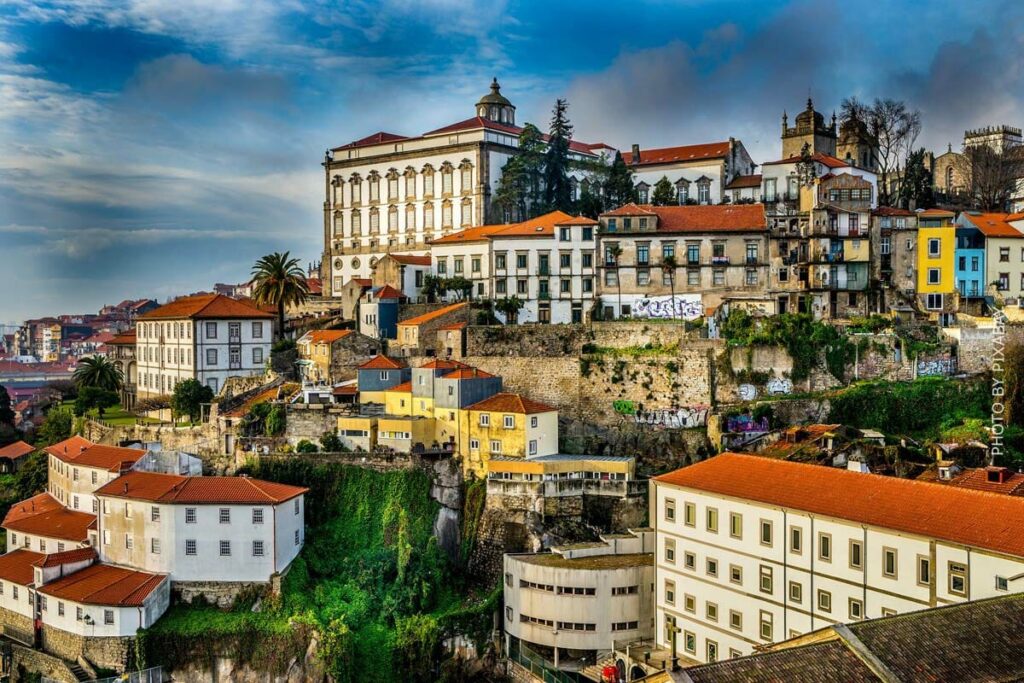
Portugal blends rich history, relaxed Atlantic living, and outstanding value, making it one of Europe’s most appealing destinations today. Wander through Lisbon’s sunlit hills with vintage trams and tiled façades, or explore Porto’s riverfront lined with colorful houses and historic wine cellars.

Beyond the cities, Portugal shines with diversity: dramatic cliffs along the Algarve coast, rolling vineyards in the Douro Valley, and traditional villages where life still follows a slower rhythm. Add a mild climate, friendly locals, and excellent food and wine, and Portugal becomes a destination that feels both authentic and effortlessly enjoyable.

Fun fact: Portugal is consistently ranked among Europe’s friendliest countries for visitors.

Basic Facts at a Glance
  • Capital: Lisbon
  • Region: Western Europe (Iberian Peninsula)
  • Population: About 10.3 million
  • Official language: Portuguese
  • Currency: Euro (EUR)
  • Time zone: UTC+0 (WET) / UTC+1 (WEST in summer)

Fun fact: Portugal has one of the oldest borders in Europe, largely unchanged since the 13th century.

Climate and Best Time to Visit
  • Climate: Mediterranean with Atlantic influence; mild winters, warm summers
  • Best time: April–June and September–October for sightseeing; June–August for beaches

Fun fact: Portugal enjoys over 300 days of sunshine a year in some regions.

Main Attractions

Cities & Towns

  • Lisbon: Historic neighborhoods (Alfama, Bairro Alto), trams, viewpoints, and riverside culture.
  • Porto: UNESCO-listed old town, Douro River views, and famous port wine lodges.
  • Coimbra: One of Europe’s oldest universities with deep academic traditions.
  • Braga: Religious heritage and baroque architecture.
  • Faro: Gateway to the Algarve, with a charming old town and nearby lagoons.

Fun fact: The University of Coimbra Library is one of the most beautiful historic libraries in the world.

Natural Wonders

  • Algarve Coast: Golden beaches, limestone cliffs, and sea caves.
  • Douro Valley: Terraced vineyards and scenic river cruises.
  • Madeira: Lush landscapes, levada walks, and volcanic scenery.
  • Azores: Crater lakes, hot springs, and dramatic Atlantic nature.
  •  Serra da Estrela: High peaks and glacial valleys.
  • Peneda-Gerês: Ancient forests, waterfalls, and wild ponies in the north. 

Fun fact: The Azores are among the best places in the world for whale and dolphin watching.

Food and Drink

In 2026, Portuguese cuisine continues to win hearts with its simplicity, freshness, and strong regional roots. Seafood plays a central role, from grilled sardines to octopus rice and rich seafood stews. The legendary bacalhau (salt cod) is said to have hundreds of traditional recipes.

Pastries are another highlight: Pastel de Nata, a creamy custard tart with caramelized top, is a national icon best enjoyed warm with coffee. Inland regions offer comforting dishes like pork with clams (Alentejo style) and slow-cooked stews.

Wine culture is equally important. From crisp Vinho Verde in the north to robust Douro reds and the world-famous Port wine, Portugal delivers exceptional quality at accessible prices. Meals are unhurried, social, and deeply connected to place.

Getting Around

Portugal has a reliable rail and bus network connecting major cities. Historic centers are walkable, while renting a car is ideal for rural areas and the coast. In 2026, urban rides in Portugal average €1.90, with 24-hour city passes around €7.25. Iconic Lisbon tram tickets cost €3.30 on board. Intercity trains (Lisbon–Porto) range from €28 to €50, while advance buses start at €8.99. Car rentals average €47 daily, plus fuel and tolls.

Fun fact: Lisbon’s iconic yellow trams are among the oldest operating electric trams in the world.

Safety and Practical Information

Portugal is considered very safe, with a relaxed and welcoming atmosphere.

  • Power sockets: Type C and F
  • Internet: Widely available
  • Tipping: Not mandatory; small tips appreciated
  • Language: Portuguese; English widely spoken in tourist areas

Fun fact: Portugal regularly ranks high on global peace and safety indexes.

Final Verdict – Is Portugal Worth Visiting?

Pros:

  • Excellent value for money
  • Diverse landscapes and experiences
  • Friendly culture and relaxed pace of life

Cons:

  • Popular areas can be crowded in peak summer
  • Rural transport options may be limited

Verdict:
Portugal is ideal for travelers seeking culture, coastline, cuisine, and calm. Whether you’re strolling historic streets, sipping wine by the Douro, or watching the sun set over the Atlantic, Portugal delivers a deeply rewarding and timeless European experience.

Related posts

Portugal – Historic Cities and Timeless Traditions

Portugal is perfect for travelers craving culture, coastlines, and cuisine. From historic city strolls and Douro wine tastings to sunsets over the Atlantic, it offers a calm yet deeply rewarding experience. This timeless destination blends rich heritage with scenic beauty, ensuring every visitor enjoys a truly memorable escape.

Read More »
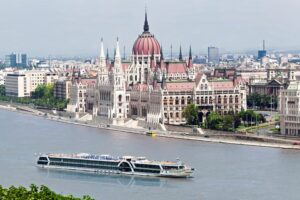
Portugal – Historic Cities and Timeless Traditions Read More »

Denmark: Land of Fairy Tales, Hygge, and Coastal Charm

Denmark – Land of Fairy Tales, Hygge, and Coastal Charm

Why Visit Denmark?
Denmark consistently ranks as one of the world’s happiest nations, offering a unique blend of historical charm and modern innovation. In 2026, visitors can experience new landmarks like the Møns Klint UNESCO World Heritage site and the immersive As Seen Below – The Dome at the ARoS Art Museum.
The country is celebrated for its hygge—a sense of cozy contentment found in its stylish coffee houses and Michelin-starred restaurants. Beyond Copenhagen’s iconic Nyhavn harbor and Tivoli Gardens, Denmark’s flat terrain and safe, efficient infrastructure make it ideal for cycling through fairytale villages, visiting Viking ruins, or exploring the original LEGOLAND in Billund. Whether seeking “New Nordic” cuisine or pristine coastlines, Denmark provides a welcoming, sustainable European escape.
Basic Facts at a Glance
  • Capital: Copenhagen
  • Region: Northern Europe / Scandinavia
  • Population: About 5.9 million
  • Official language: Danish
  • Currency: Danish Krone (DKK)
  • Time zone: UTC+1 (CET) / UTC+2 (CEST in summer)

Fun fact: Denmark is the birthplace of Hans Christian Andersen, author of famous fairy tales like The Little Mermaid and The Ugly Duckling.

Climate and Best Time to Visit
  • Climate: Temperate maritime; mild summers, cool winters
  • Best time: May–September for pleasant weather and outdoor activities

Fun fact: Denmark experiences exceptionally long summer days, with up to 17 hours of daylight in June. This “White Night” phenomenon allows travelers in 2026 to enjoy extended evenings for sightseeing, outdoor dining, and exploring the vibrant coastlines long after the sun would typically set.

Main Attractions

Cities & Towns

  • Copenhagen: Capital city with Tivoli Gardens, Nyhavn harbor, and the Little Mermaid statue.
  • Aarhus: Denmark’s cultural hub with museums, architecture, and festivals.
  • Odense: Birthplace of Hans Christian Andersen, full of charm and history.
  • Roskilde: Famous for its Viking Ship Museum and music festivals.

Fun fact: Tivoli Gardens in Copenhagen is the second-oldest amusement park in the world, opened in 1843.

Natural Wonders

  • Skagen: Northern tip of Denmark where the North Sea and Baltic Sea meet.
  • Møns Klint: Dramatic chalk cliffs overlooking the sea.
  • Bornholm: Baltic Sea island with beaches, cliffs, and medieval ruins.
  • Wadden Sea: UNESCO World Heritage tidal flats, great for birdwatching.

Fun fact: Denmark has over 7,000 islands, but only about 70 are inhabited.

Food and Drink

Danish cuisine is a leader in sustainability, famously home to the “New Nordic” movement. The quintessential staple is Smørrebrød, artistic open-faced rye bread sandwiches topped with everything from pickled herring to roast beef. For a warm comfort meal, try Frikadeller (meatballs) or the national dish, Stegt Flæsk (crispy pork with parsley sauce).

The local coffeehouse culture is centered around hygge. Danes are among the world’s top coffee consumers, enjoying organic brews in candlelit cafes. Pair your coffee with a world-famous Danish pastry (locally called wienerbrød). To drink, sample crisp local pilsners like Carlsberg or potent Aquavit, a traditional spiced spirit perfect for festive toasts. From street-food markets like Reffen to Michelin-starred dining, Denmark offers a world-class culinary journey.

Getting Around

Denmark offers a seamless travel experience in 2026 via efficient trains, buses, and ferries connecting its islands. Cities are exceptionally compact and pedestrian-friendly.

Fun fact: With over 12,000 km of dedicated cycle paths, Denmark is a cyclist’s paradise. Biking remains the most authentic, safe, and scenic way to explore both urban landmarks and the stunning rural countryside.

Safety and Practical Information

Denmark is one of the safest countries in the world, with low crime rates and excellent infrastructure.

  • Power sockets: Type C and E/F
  • Internet: Widely available
  • Tipping: Not obligatory; rounding up is common
  • Language: Danish; English widely spoken
Final Verdict – Is Denmark Worth Visiting?

Pros:

  • Safe, clean, and well-organized
  • Beautiful coastal scenery and charming towns
  • Rich history, culture, and fairy tale heritage

Cons:

  • Can be expensive for accommodation and dining
  • Winters are cold and dark

Verdict:
Denmark is perfect for travellers seeking culture, history, and cozy Scandinavian charm. From Copenhagen’s canals and Tivoli Gardens to scenic cliffs, Viking heritage, and bike-friendly cities, Denmark offers a welcoming and memorable European experience.

Related posts

Denmark: Land of Fairy Tales, Hygge, and Coastal Charm

Danes consistently rank among the happiest people in the world, thanks to a high standard of living and strong social welfare system. Beyond Copenhagen’s iconic Nyhavn harbor and Tivoli Gardens, Denmark’s flat terrain and safe, efficient infrastructure make it ideal for cycling through fairytale villages, visiting Viking ruins, or exploring LEGOLAND in Billund.

Read More »

Natural Wonder Between Land and Tides

The Wadden Sea is the world’s largest unbroken system of intertidal sand and mud flats, stretching along the coasts of the Netherlands, Germany, and Denmark. This UNESCO World Heritage site supports over 10,000 species and serves as a vital stopover for millions of migratory birds each year.

Read More »
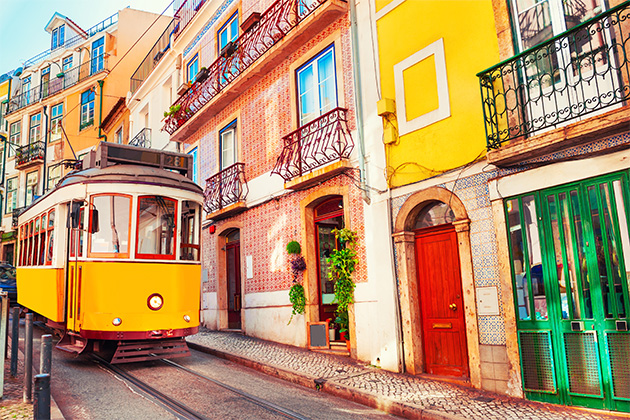
Denmark: Land of Fairy Tales, Hygge, and Coastal Charm Read More »
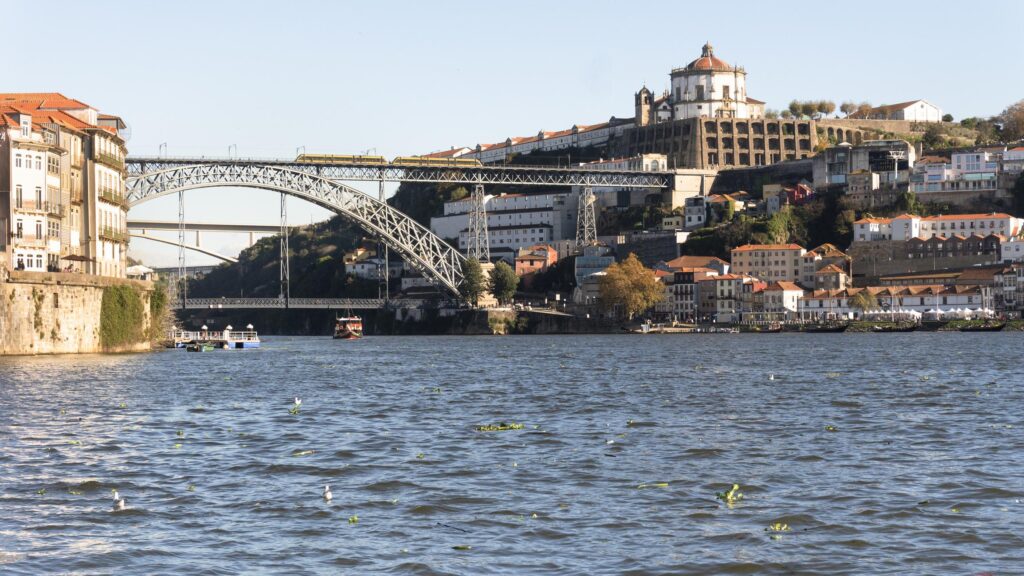
Israel: Resilience and Innovation

Israel – Land of Faith, Innovation, and Ancient Wonders

Why Visit Israel?

Visiting Israel in 2026 offers a profound journey through the cradle of civilization, where thousands of years of history meet cutting-edge modernity. For those seeking spiritual depth, the Old City of Jerusalem remains unmatched, housing the Western Wall, the Church of the Holy Sepulchre, and the Dome of the Rock within a single square kilometer.

Beyond its sacred sites, Israel is a land of extraordinary geographic diversity. You can float in the Dead Sea, the lowest point on Earth, and just hours later enjoy the vibrant, 24-hour Mediterranean lifestyle of Tel Aviv, world-renowned for its Bauhaus architecture and elite culinary scene. Food lovers will find a “melting pot” of flavors, from authentic street falafel to Michelin-level fusion. With world-class museums, advanced accessibility for all travelers, and a unique blend of Middle Eastern and Western cultures, Israel provides a high-contrast, unforgettable experience found nowhere else on the planet.

Fun fact: Israel has the highest number of museums per capita in the world.

Basic Facts at a Glance
  • Capital: Jerusalem
  • Region: Middle East
  • Population: About 9.8 million (2026 estimate)
  • Official language: Hebrew (Arabic has special status)
  • Currency: Israeli New Shekel (ILS)
  • Time zone: UTC+2 (EET / IST)

Fun fact: Israel is the only country in the world that has successfully revived an unspoken ancient language (Hebrew) into its national spoken tongue.

Climate and Best Time to Visit
  • Climate: Mediterranean (hot, dry summers and mild, rainy winters) and Desert in the south.
  • Best time: April–May and September–October for pleasant temperatures; December is great for mild winter sun in Eilat.

Fun fact: Eilat, on the Red Sea, enjoys sunshine over 300 days a year, making it a year-round diving and snorkeling paradise.

Main Attractions
Cities & Historic Sites
  • Jerusalem: Home to the Western Wall, Church of the Holy Sepulchre, and Dome of the Rock; a focal point for three major religions.
  • Tel Aviv: A modern coastal metropolis famous for its Bauhaus architecture, sandy beaches, and culinary innovation.
  • Haifa: Known for the spectacular Bahá’í Terraced Gardens, a UNESCO World Heritage site overlooking the bay.
  • Acre (Akko): A coastal city with perfectly preserved Crusader fortresses and a bustling Ottoman-era bazaar.

Fun fact: The Old City of Jerusalem is less than one square kilometer in size but contains some of the world’s most significant religious sites.

Natural Wonders

  • The Dead Sea: The lowest point on Earth, where the water is so buoyant that you float effortlessly.
  • The Negev Desert: A vast desert landscape featuring the Ramon Crater, the world’s largest erosion cirque.
  • Sea of Galilee (Lake Kinneret): A beautiful freshwater lake surrounded by biblical sites and lush hiking trails.

Fun fact: The Dead Sea is nearly ten times saltier than the ocean, making it impossible for fish or plants to survive in its waters.

Food and Drink
Israel’s culinary scene stands as one of the world’s most vibrant “melting pots,” where ancient biblical ingredients meet modern innovation. The foundation is absolute freshness: creamy hummus, crispy falafel, and finely chopped Israeli salad are staples found on every corner. Street food remains a cultural cornerstone, with the Sabich (eggplant and egg) and Shawarma served in fluffy, warm pitah bread.
Modern Israeli cuisine, popularized globally by chefs like Yotam Ottolenghi, masterfully blends Middle Eastern spices like za’atar and sumac with sophisticated European techniques. No visit is complete without tasting Shakshuka, a spicy tomato and poached egg dish that is the heart of Israeli breakfast.
The beverage scene is equally impressive. Israel has evolved into a serious wine power, with the Golan Heights and Judean Hills producing award-winning kosher labels. From thick, cardamom-scented Turkish coffee to freshly squeezed pomegranate juice sold in markets, every sip reflects the country’s sun-drenched Mediterranean spirit. 
 
Getting Around
In 2026, Israel’s public transport is both extensive and technologically integrated. A standard local bus or light rail ride (up to 15 km) costs 8 NIS, which includes a free 90-minute transfer window. Intercity travel costs are distance-based; for example, trips of 15–40 km cost 14.5 NIS by bus. 
Payment is entirely cashless, using the Rav-Kav smart card or mobile apps like Moovit and Pango. A “Nationwide Unlimited Monthly Pass” for buses and light rail is available for 315 NIS, with a train-combo version starting at 323 NIS. Notably, seniors aged 67+ travel for free.

Important: Most public transportation in Israel does not operate from Friday sunset to Saturday sunset in observance of Shabbat.

Safety and Practical Information

Israel is a highly developed country with advanced security. Standard precautions apply, and travelers should stay informed of local news.

  • Power sockets: Types C, H, and M
  • Internet: High-speed 5G is widely available; free Wi-Fi is common in city centers.
  • Tipping: 10–15% is customary in restaurants.
  • Language: Hebrew; English is very widely spoken, especially in tourist areas and tech hubs.

Fun fact: Known as the “Start-up Nation,” Israel has the highest concentration of tech startups outside of Silicon Valley.

Final Verdict – Is Israel Worth Visiting?

Pros:

  • Unmatched historical and religious depth
  • Diverse landscapes from snow-capped mountains to arid deserts
  • World-class culinary and nightlife scenes
    Cons:
  • High cost of living and travel expenses
  • Rigorous security checks can be time-consuming


Verdict:
Israel is an essential destination for those seeking a mix of ancient history, spiritual discovery, and modern Mediterranean luxury. It is a small country that offers a lifetime’s worth of experiences.

Related posts

Israel: Resilience and Innovation

Traveling in Israel in 2026 offers a unique blend of ancient spirituality and high-tech urban life. Visitors can explore Jerusalem’s sacred sites, float in the Dead Sea, and enjoy Tel Aviv’s vibrant beaches. With an efficient, cashless public transport system and world-class culinary experiences, it remains a top-tier Mediterranean destination.

Read More »
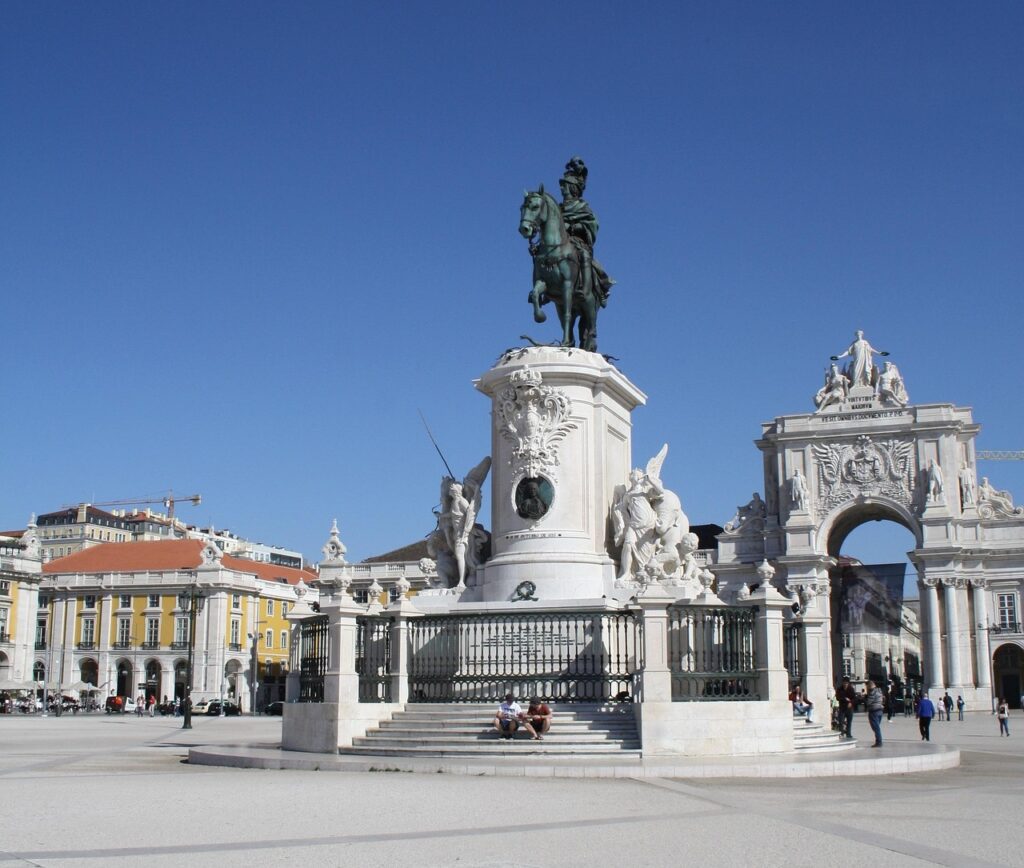
Holy Land: Accessible Travel Guide

In 2026, Israel offers impressive accessibility for travelers. Tel Aviv features flat promenades and accessible beaches, while Jerusalem provides ramps throughout the Old City to the Western Wall. Public transport, including trains and buses, is fully equipped, making the country a top-tier, inclusive destination for mobility-challenged visitors

Read More »
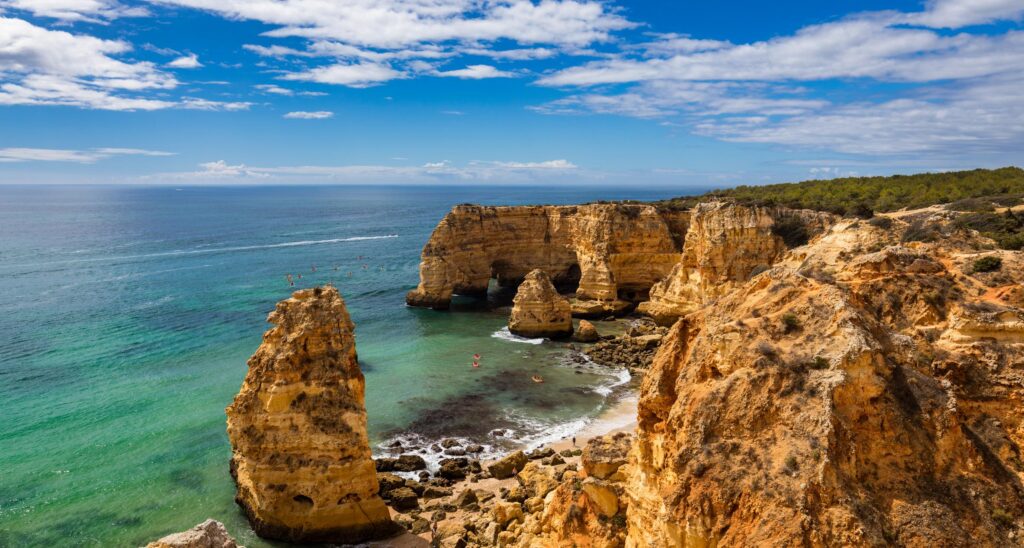
Israel: Resilience and Innovation Read More »

Scroll to Top