
China: Global Power Dynamics

China – Land of the Great Wall, Pandas, and Ancient Civilization

Why Visit China?

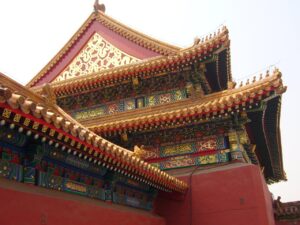
The country offers a peerless journey through a land where thousands of years of history meet a hyper-modern future. As of 2026, the country remains a premier destination for those seeking UNESCO World Heritage Sites, boasting nearly 60 recognized locations including the majestic Great Wall and the storied Forbidden City.

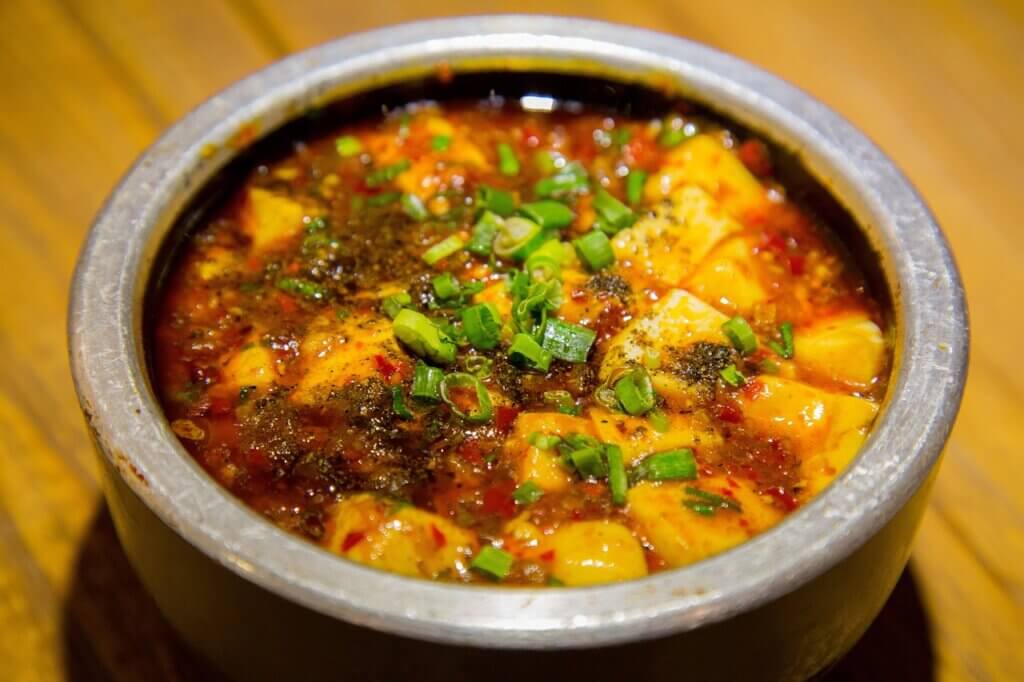
Travelers are drawn to China’s “megadiverse” landscapes, ranging from the surreal limestone pillars of Yangshuo and Zhangjiajie to the “Eternal Spring City” of Kunming.  Culinary enthusiasts can explore eight great regional cuisines, from spicy Sichuan hotpot to authentic Peking duck.

Navigating this vast country is easier than ever in 2026, thanks to a high-speed rail network spanning over 48,000 km and connecting more than 550 cities. Whether you are seeking the neon-lit skylines of Shanghai or the cultural quiet of ancient Hakka tulou houses, China provides an affordable, safe, and profoundly transformative travel experience.

Fun fact: China is home to the Great Wall, which stretches over 21,000 kilometers (13,000 miles) – long enough to circle the Earth more than half a time!

Basic Facts at a Glance
  • Capital: Beijing
  • Region: East Asia
  • Population: About 1.4 billion
  • Official language: Mandarin Chinese
  • Currency: Renminbi (Yuan, CNY)
  • Time zone: China Standard Time (UTC+8)

Fun fact: China has the largest population of any country in the world.

Climate and Best Time to Visit
  • Climate: Varies from tropical in the south to subarctic in the north
  • Best time: Spring (March–May) and autumn (September–October) for mild weather and fewer crowds

Fun fact: China’s vast size means you can experience snowy mountains, deserts, tropical beaches, and temperate forests all in one country.

Main Attractions


Cities & Towns

  • Beijing: Capital with the Forbidden City, Tiananmen Square, and Temple of Heaven.
  • Shanghai: Modern metropolis with skyscrapers, the Bund, and vibrant nightlife.
  • Xi’an: Home to the Terracotta Army and ancient city walls.
  • Chengdu: Famous for giant pandas and Sichuan cuisine.

Fun fact: Beijing’s Forbidden City is the world’s largest ancient palace complex, with over 9,000 rooms.

Natural Wonders

  • Yangtze River: Longest river in Asia with scenic cruises and the Three Gorges.
  • Zhangjiajie National Forest Park: Inspiration for the floating mountains in the movie Avatar.
  • Huangshan (Yellow Mountains): Famous for granite peaks, pine trees, and “sea of clouds.”
  • Jiuzhaigou Valley: Multi-colored lakes, waterfalls, and lush forests.
Food and Drink
In 2026, Chinese gastronomy continues to be a profound reflection of the nation’s regional diversity and ancient philosophies. The “Eight Great Cuisines”—including fiery Sichuan, refined Cantonese, and fresh Jiangsu—offer a spectrum of flavors ranging from numbing spice to delicate umami. Modern trends emphasize “hyper-regional” authenticity, with dishes like Cantonese rice noodle rolls and Sichuan pickled chili fish gaining global prominence.
The drinking culture is equally rich, centered on two pillars: tea and baijiu. Tea remains the “national drink,” deeply rooted in a 3,000-year history of wellness and meditation. Conversely, baijiu—the world’s most-consumed spirit—dominates social celebrations and business banquets with its bold, complex aromas.
Food in China is more than sustenance; it is a symbolic language, with longevity noodles representing long life and dumplings symbolizing prosperity. Whether exploring street food markets or high-end teahouses, the 2026 culinary scene provides a transformative journey through China’s living heritage.
Getting Around

China has an extensive transport network including high-speed trains, buses, domestic flights, and metro systems in major cities.

Travel between cities is efficient and reasonably priced. A second-class seat on the popular Beijing to Shanghai high-speed route costs roughly $80. Within cities, metro rides are exceptionally cheap, often under $1.50, and taxi starts are generally less than $2

By leveraging local payment apps like Alipay or WeChat Pay, travelers in 2026 can often access further discounts on food and transport. 


Fun fact: China’s high-speed rail system is the largest in the world, with trains reaching up to 350 km/h (217 mph).

Safety and Practical Information

China is generally safe for tourists, though travelers should be cautious of crowded areas and pickpockets.

  • Power sockets: Type A, C, and I
  • Internet: Widely available, but some Western websites are blocked; VPN recommended
  • Tipping: Not customary, though some hotels and tours accept it
  • Language: Mandarin Chinese; English spoken in tourist areas

Fun fact: Despite the language barrier, many cities have bilingual signage and English-speaking guides, making travel easier than expected.

Final Verdict – Is China Worth Visiting?

Pros:

  • Rich historical and cultural heritage
  • Stunning natural landscapes and biodiversity
  • Vibrant modern cities and traditional experiences

Cons:

  • Large crowds at popular tourist sites
  • Air pollution in some urban areas

Verdict:
China is perfect for travellers seeking history, culture, and adventure. From the Great Wall and Terracotta Army to pandas in Chengdu and the modern skyline of Shanghai, China offers a truly diverse and unforgettable journey.

Related posts

The Forbidden City in Beijing

Exploring the Forbidden City is an exhausting yet rewarding odyssey into China’s imperial past. Despite the daunting bureaucracy of advanced bookings and heavy crowds, the sight of sunlight reflecting off the iconic golden roofs justifies every security check. It is a profound, must-see experience for any historical traveler.

Read More »

Mekong: Soul of Southeast Asia

In 2026, a Mekong River cruise offers an intimate journey through the heart of Southeast Asia, connecting the ancient temples of Cambodia with Vietnam’s vibrant delta. Travelers experience floating markets, remote monasteries, and lush landscapes from luxury vessels, providing a profound look at the region’s rich cultural heritage.

Read More »

China: Global Power Dynamics

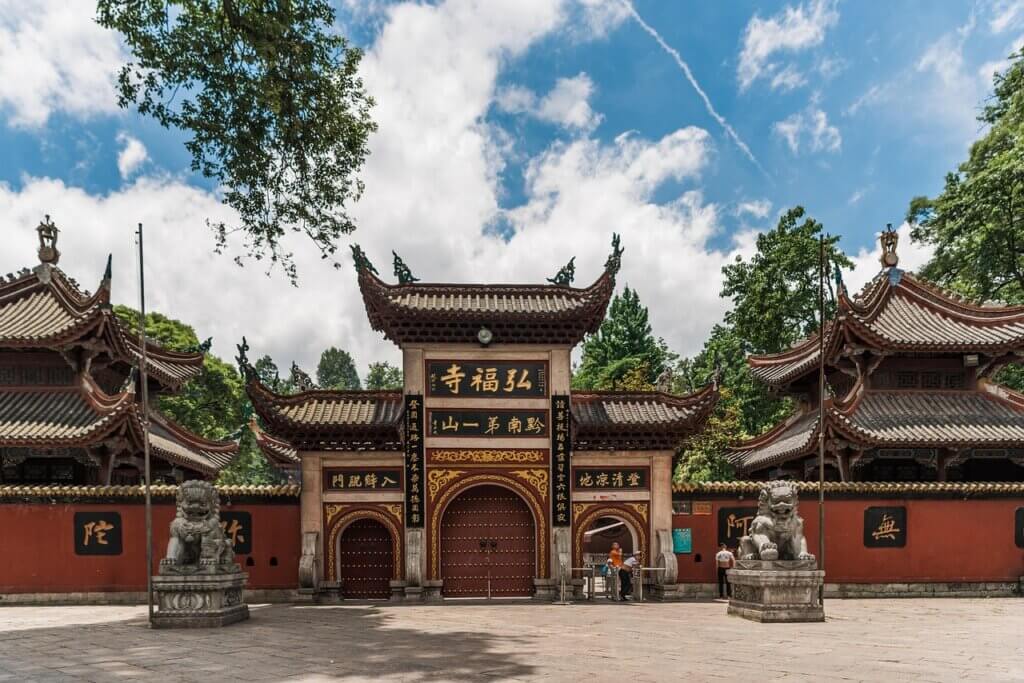
China offers a profound travel experience where ancient history meets futuristic innovation. In 2026, visitors can explore diverse landscapes, sample the “Eight Great Cuisines,” and travel efficiently using the world’s largest high-speed rail network. It remains an affordable destination, promising unforgettable experiences from the Great Wall to the Shanghai skyline.

Read More »

China: Global Power Dynamics Read More »

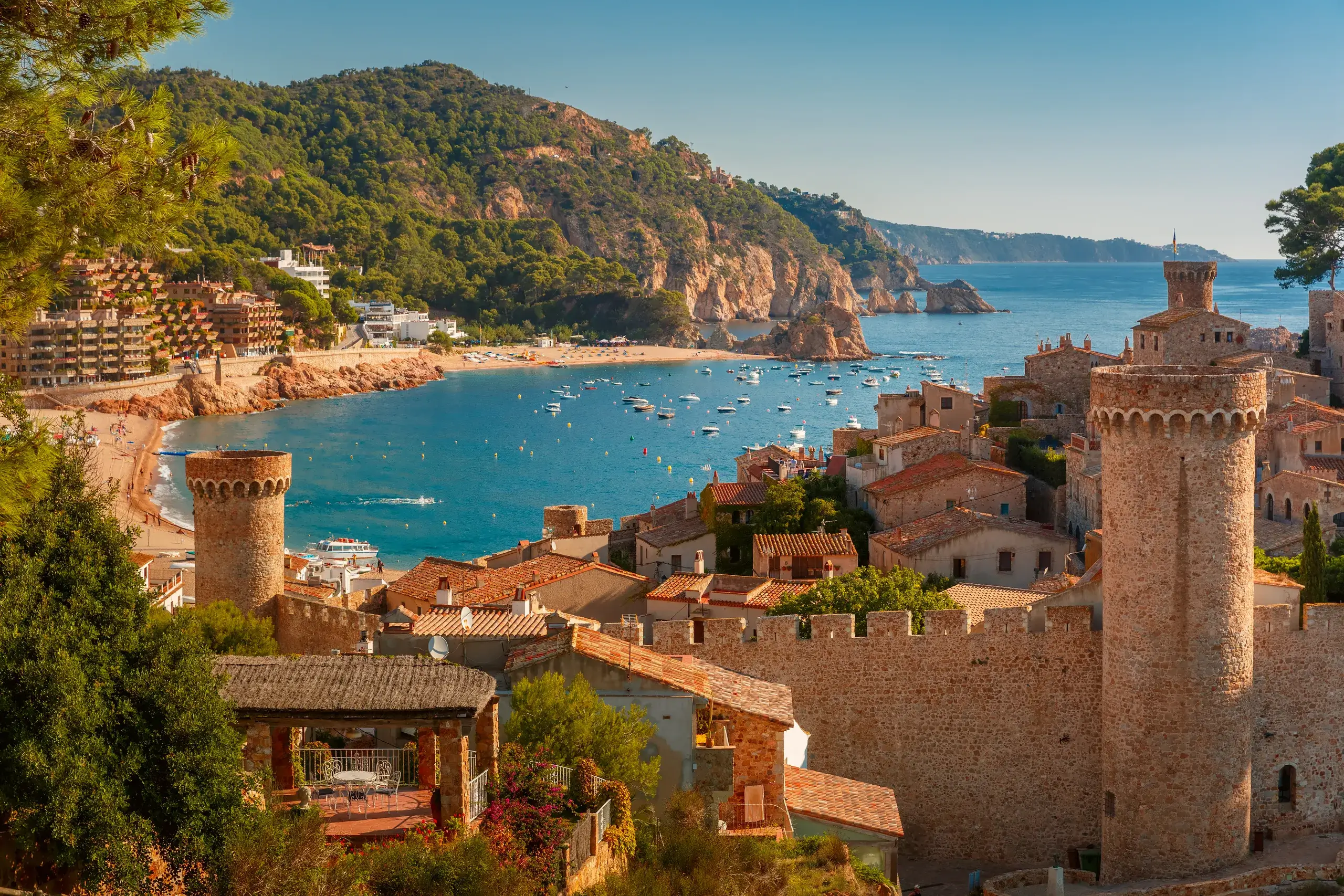
Spain: Culture and Growth

Spain – Land of Flamenco, Tapas, and Sun-Kissed Beaches

Why Visit Spain?

Spain is a must-visit destination offering a captivating blend of rich history, vibrant culture, and diverse landscapes.

A primary draw is the culture and history. From the architectural masterpieces of Gaudí in Barcelona and the Alhambra in Granada, to the world-class art museums in Madrid, such as the Prado, the country is steeped in artistic heritage. The atmosphere is lively, with warm, welcoming locals and regional traditions like flamenco dancing and local festivals (fiestas) that provide an immersive experience.

For relaxation, Spain boasts stunning natural beauty, featuring miles of Mediterranean and Atlantic coastline with beautiful beaches. Beyond the coast, the country’s diverse terrain includes dramatic mountain ranges like the Pyrenees and Picos de Europa.

Spain caters to all tastes, offering an unforgettable mix of sun-soaked beaches, historic cities, mouthwatering food, and passionate people.

Fun fact: Spain has 17 UNESCO World Heritage Sites, including the Alhambra, Sagrada Família, and Camino de Santiago.

Basic Facts at a Glance
  • Capital: Madrid
  • Region: Southwestern Europe / Iberian Peninsula
  • Population: About 47 million
  • Official language: Spanish
  • Currency: Euro (EUR)
  • Time zone: UTC+1 (CET) / UTC+2 (CEST in summer)
Climate and Best Time to Visit
  • Climate: Mediterranean in coastal areas, continental inland, semi-arid in the southeast
  • Best time: March–June and September–November for mild weather and fewer tourists

Fun fact: Southern Spain can reach over 40°C (104°F) in summer, making coastal areas popular escapes from the inland heat.

Main Attractions

Cities & Towns

  • Madrid: Capital city with the Royal Palace, Prado Museum, and lively plazas.
  • Barcelona: Gaudí’s architectural masterpieces, beaches, and Gothic Quarter.
  • Seville: Flamenco, Alcázar palace, and historic charm.
  • Granada: Alhambra fortress and stunning mountain views.
  • Valencia: City of Arts and Sciences, beaches, and paella origins.


Fun fact: Barcelona’s Sagrada Família has been under construction for over 140 years and is still unfinished. While the main towers and the overall silhouette are finished in 2026, the building is not “done.” Work continues on the intricate sculptures and theological details of the Glory Façade.

Natural Wonders
  • Costa del Sol & Costa Brava: Beautiful Mediterranean beaches and resorts.
  • Picos de Europa: Rugged mountains perfect for hiking and nature lovers.
  • Canary Islands: Volcanic landscapes, beaches, and subtropical climate.
  • Balearic Islands: Mallorca, Menorca, and Ibiza for beaches, nightlife, and scenic beauty.

Fun fact: Spain has the largest number of sunny days in Europe, making it ideal for beach holidays.

Food and Drink

Spanish cuisine is a celebrated tapestry of flavors that reflects the country’s diverse geography and Mediterranean soul. At the heart of its food culture is tapas, a social tradition of sharing small plates like patatas bravasgambas al ajillo (garlic shrimp), and the iconic tortilla de patatas.

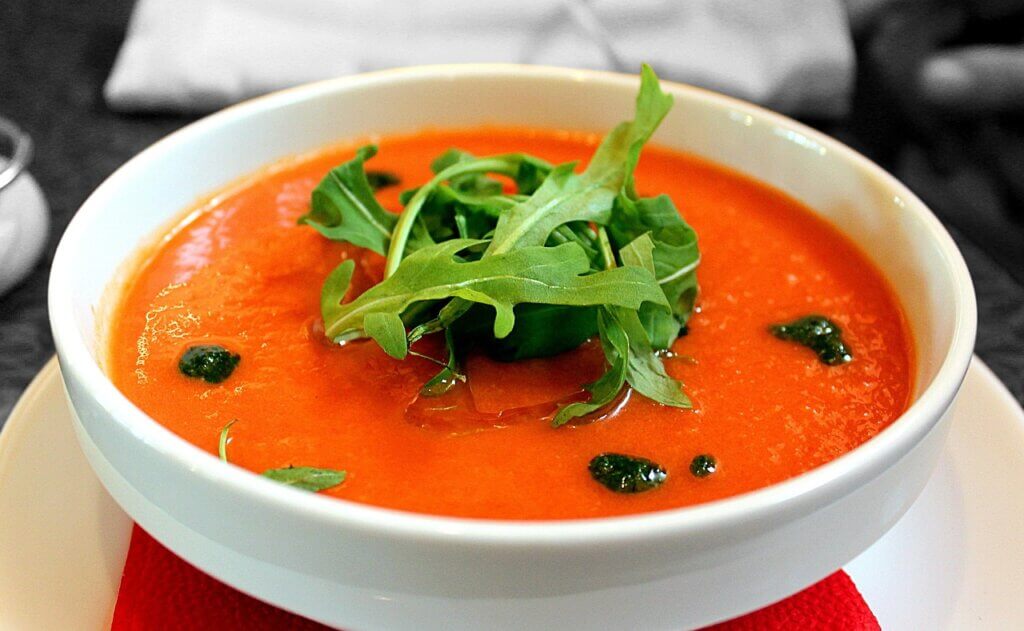
No culinary journey is complete without tasting Paella, the famous saffron-infused rice dish from Valencia, traditionally prepared with seafood or rabbit. Another staple is Jamón Ibérico, a premium salt-cured ham prized for its rich, nutty flavor. In warmer months, chilled soups like Gazpacho or Salmorejo provide a refreshing escape from the sun.

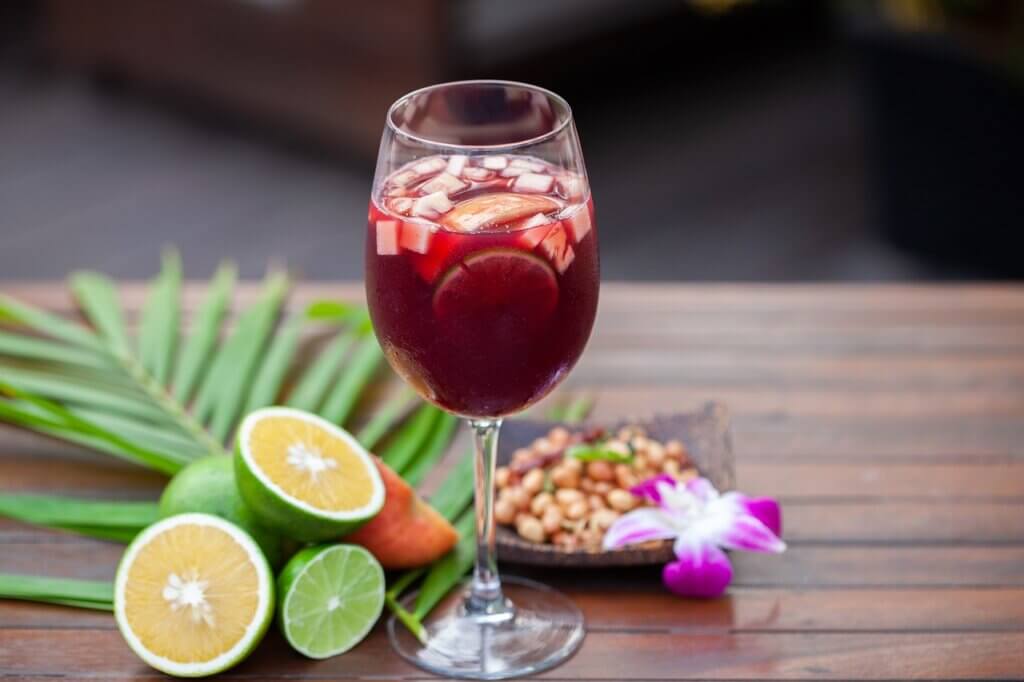
To accompany the food, Spain offers world-class drinks. Rioja and Ribera del Duero produce bold red wines, while Cava serves as the country’s sparkling pride. For a casual afternoon, many enjoy a crisp caña (small beer) or a refreshing glass of Sangria or Tinto de Verano. This focus on fresh ingredients and communal dining makes Spanish gastronomy truly unforgettable.

Fun fact: Tapas originated as small dishes served in bars to accompany drinks, and “tapa” literally means “cover”, as they were once used to cover drinks to keep flies out.

Getting Around

Spain has an excellent transport network: high-speed trains (AVE), buses, metros, and domestic flights. Renting a car is ideal for exploring smaller towns and countryside.

Fun fact: Spain’s AVE trains can reach speeds of 310 km/h (193 mph), making travel between cities fast and convenient.

Safety and Practical Information

Spain is generally safe for tourists, though pickpocketing in crowded areas can occur.

  • Power sockets: Type C and F
  • Internet: Widely available
  • Tipping: 5–10% customary in restaurants
  • Language: Spanish; English widely spoken in tourist areas
Final Verdict – Is Spain Worth Visiting?

Pros:

  • Rich culture, history, and architecture
  • Beautiful beaches, islands, and mountains
  • Vibrant festivals, nightlife, and cuisine

Cons:

  • Crowded tourist areas in summer
  • Hot weather in southern regions during peak season

Verdict:
Spain is perfect for travellers seeking culture, sun, food, and lively experiences. From flamenco in Seville and Gaudí’s masterpieces in Barcelona to the beaches of Costa del Sol and scenic islands, Spain offers a diverse and unforgettable journey.

Related posts

The Cradle of Civilization

A Mediterranean cruise is a celebration of life (La Dolce Vita). It is the perfect symphony of culture, history, and world-class cuisine. Whether you are sipping wine in a Spanish vineyard or watching the sunset over the Acropolis, this journey is guaranteed to nourish both your soul and your palate.

Read More »

Spain: Culture and Growth

Spain is a transcontinental cultural powerhouse renowned for its diverse landscapes, from the Pyrenees to Mediterranean beaches. In 2026, it will reach an architectural milestone with the long-awaited completion of La Sagrada Família. Beyond landmarks like the Alhambra, Spain captivates visitors with its world-class gastronomy, flamenco rhythms, and sun-soaked archipelagos.

Read More »

Home to the Spanish Grand Prix

Guided tours of the Circuit de Barcelona-Catalunya offer an exclusive 90-minute look into world-class motorsport operations. Visitors explore restricted professional zones, including the Race Direction, Media Centre, paddock, and briefing room. A highlight is the podium, where you can take photos overlooking the main straight.

Read More »

Spain: Culture and Growth Read More »
Japan: Tradition and Innovation

Japan – Land of Cherry Blossoms, Temples, and Cutting-Edge Technology

Why Visit Japan?

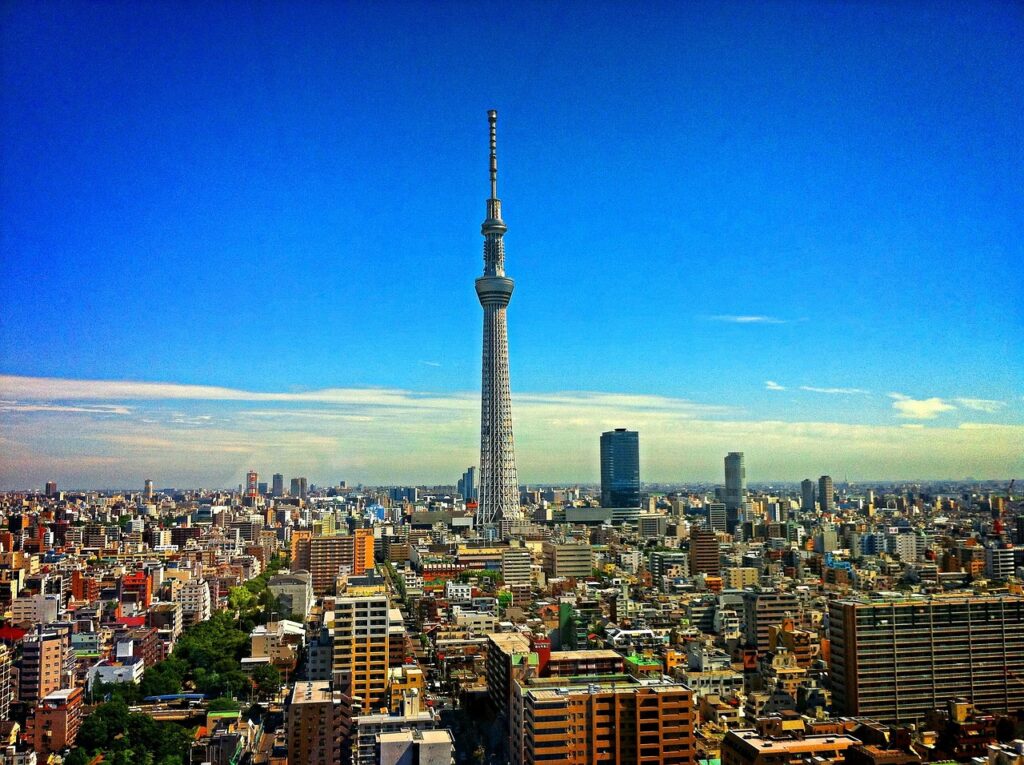
Japan is a country where tradition and innovation exist side by side in a way found nowhere else. Ancient temples, quiet gardens, and centuries-old rituals coexist with cutting-edge technology, high-speed trains, and futuristic cityscapes. In cities like Tokyo, neon-lit streets and modern design contrast beautifully with historic shrines, while Kyoto offers a timeless atmosphere of wooden houses, tea ceremonies, and serene temples.

Japan’s natural beauty is equally compelling. From the iconic silhouette of Mount Fuji to forested mountains, volcanic landscapes, and a coastline shaped by the sea, the country offers remarkable variety within a relatively small area. Seasonal changes add another layer of appeal—cherry blossoms in spring, vibrant foliage in autumn, and snowy landscapes in winter.

Food alone is a reason to visit. Japanese cuisine emphasizes freshness, balance, and craftsmanship, whether you are enjoying sushi, ramen, or simple local dishes. Clean, safe, and exceptionally well organized, Japan rewards curious travelers with depth, beauty, and unforgettable experiences.

Basic Facts at a Glance
  • Capital: Tokyo
  • Region: East Asia
  • Population: About 125 million
  • Official language: Japanese
  • Currency: Japanese Yen (JPY)
  • Time zone: UTC+9

Fun fact: Japan has more vending machines than people in some cities, offering everything from drinks to umbrellas and snacks.

Climate and Best Time to Visit
 
  • Climate: Varies – temperate in most areas, tropical in the south, snowy winters in the north
  • Best time: March–May for cherry blossoms, September–November for autumn colors

Fun fact: Japan experiences distinct four seasons, each celebrated with unique festivals, foods, and traditions.

Main Attractions

Cities & Towns

  • Tokyo: Bustling metropolis with skyscrapers, shopping districts, historic temples, and pop culture hotspots.
  • Kyoto: Ancient capital with over 1,000 temples, traditional tea houses, and geisha culture.
  • Osaka: Famous for street food, nightlife, and Universal Studios Japan.
  • Hiroshima: Peace Memorial Park and Museum, and nearby Miyajima Island.
  • Sapporo: Northern city known for snow festivals, skiing, and beer.

Natural Wonders


  • Mount Fuji: Japan’s highest mountain and an iconic symbol, perfect for hiking and photography.
  • Japanese Alps: Stunning mountain ranges ideal for trekking, skiing, and scenic train rides.
  • Okinawa Islands: Tropical beaches, coral reefs, and unique Ryukyu culture.
  • Nikko National Park: Lush forests, waterfalls, and historic shrines.

Fun fact: Japan has more than 200 volcanoes, 60 of which are active, adding dramatic scenery to the landscape.

Food and drink

Japanese food culture is built on simplicity, seasonality, and respect for ingredients. Meals focus on balance—flavor, texture, and presentation are carefully considered, whether in a humble bowl of ramen or an elegant kaiseki dinner. Rice forms the foundation of many dishes, complemented by fresh seafood, vegetables, tofu, and fermented foods that highlight natural taste rather than heavy seasoning. Regional specialties add variety, making every part of Japan a culinary discovery.

Tea culture is equally meaningful and deeply connected to daily life. Green tea, especially sencha and matcha, is enjoyed throughout the day and reflects ideas of harmony and mindfulness. The traditional tea ceremony transforms tea preparation into a refined art, emphasizing calm, respect, and presence. Together, Japanese food and tea culture express a way of life that values craftsmanship, attention to detail, and quiet appreciation—offering visitors not just meals, but a deeper cultural experience.

Getting Around

Japan has an excellent transportation network: Shinkansen (bullet trains), metros, buses, and domestic flights. Renting a car is ideal for rural areas.


Fun fact: The Shinkansen can reach speeds of 320 km/h (200 mph), making it one of the fastest and most punctual train systems in the world.

Safety and Practical Information

Japan is one of the safest countries in the world, with low crime rates and reliable infrastructure.

  • Power sockets: Type A and B
  • Internet: Widely available
  • Tipping: Not customary; considered unnecessary
  • Language: Japanese; English widely spoken in tourist areas
Final Verdict – Is Japan Worth Visiting?

Pros:

  • Rich history, culture, and festivals
  • Stunning natural landscapes and cities
  • Efficient and safe transportation

Cons:

  • Can be expensive in major cities
  • Language barriers in rural areas


Verdict:
Japan is perfect for travellers seeking a blend of tradition, innovation, and natural beauty. From Tokyo’s neon-lit streets and Kyoto’s serene temples to Mount Fuji’s majesty and Okinawa’s beaches, Japan offers a unique, unforgettable, and endlessly fascinating travel experience.

Related posts

From Kigumi to Modern Design

Explore the timeless art of Japanese woodworking, from the nail-free precision of kigumi to the intricate patterns of yosegi-zaiku. This guide features three premier workshops—Suikoushya, Hakone, and Takumi Woodwork—where enthusiasts can master traditional hand tools and connect with the spiritual philosophy of Monozukuri through immersive, hands-on craft experiences.

Read More »
Japan: Tradition and Innovation

Japan offers a captivating blend of ancient tradition and futuristic innovation. Visitors in 2026 can speed across the country on Shinkansen bullet trains, exploring neon-lit Tokyo, serene Kyoto temples, and the natural beauty of Mount Fuji. Travel planning should include securing a Japan Rail (JR) Pass for cost-effective transit.

Read More »

Japan: Tradition and Innovation Read More »

Belgium: Crossroads of Europe

Belgium – Chocolate, Beer,
and History

Why Visit Belgium?

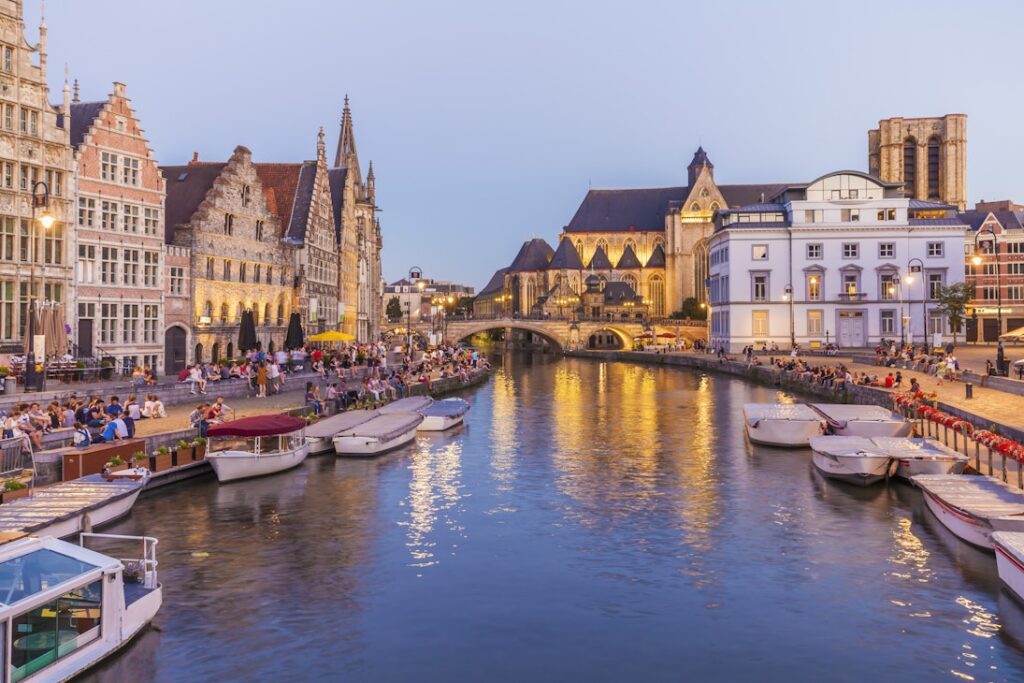
Belgium offers a compelling blend of rich history and modern charm. Visitors are drawn to the perfectly preserved medieval cities like Bruges and Ghent, where cobbled streets, tranquil canals, and stunning architecture create a fairytale atmosphere. Brussels, the vibrant capital, is a hub of European culture and an excellent base for exploring the nation’s diverse regions.

The country is a culinary powerhouse. Indulge in unparalleled chocolate, savor a golden-fried mussel-and-fries dish, or explore the world-renowned beer culture with its Trappist ales and lambics. Art lovers will appreciate masters like Rubens and Magritte, while the historical significance of Flanders Fields and the Ardennes provides a poignant experience. Belgium guarantees an enriching and delicious escape.

Fun Facts:

Belgium has the highest density of castles per square kilometer in the world, with over 3,000 historic fortresses and palaces scattered across the country. Belgium is the birthplace of legendary comic characters like Tintin and The Smurfs. Brussels even features an official “Comic Book Route” with over 50 giant murals on city buildings.

Basic Facts at a Glance
  • Capital: Brussels
  • Region: Western Europe
  • Population: About 11.7 million
  • Official languages: Dutch, French, German
  • Currency: Euro (EUR)
  • Time zone: CET (UTC+1), CEST (UTC+2 in summer)
  • Entry requirements: Schengen Area rules apply for most visitors
Climate and Best Time to Visit:
Belgium typically averages around 200 days of rainfall per year, which is surprisingly higher than cities famous for drizzle like London or Paris.
  • Spring (Apr–Jun): Mild, green, and pleasant
  • Summer (Jul–Aug): Warm with festivals and longer days
  • Autumn (Sep–Oct): Cooler, fewer crowds
  • Winter (Nov–Mar): Cold, festive markets in December

Best time to visit:  May–September

Main Attractions
Cities
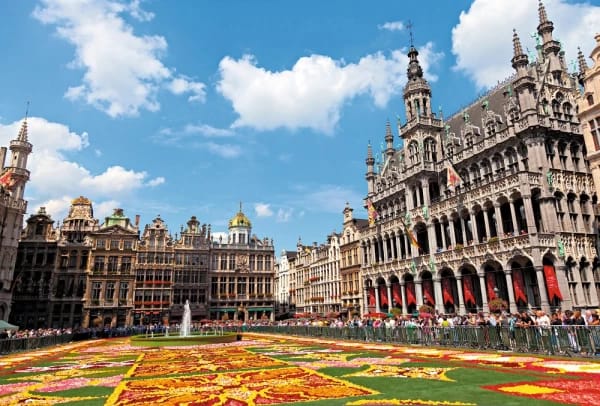
  • Brussels – The capital of Belgium and the EU, known for grand squares, museums, and international atmosphere.
  • Bruges – A beautifully preserved medieval city with canals and cobblestone streets.
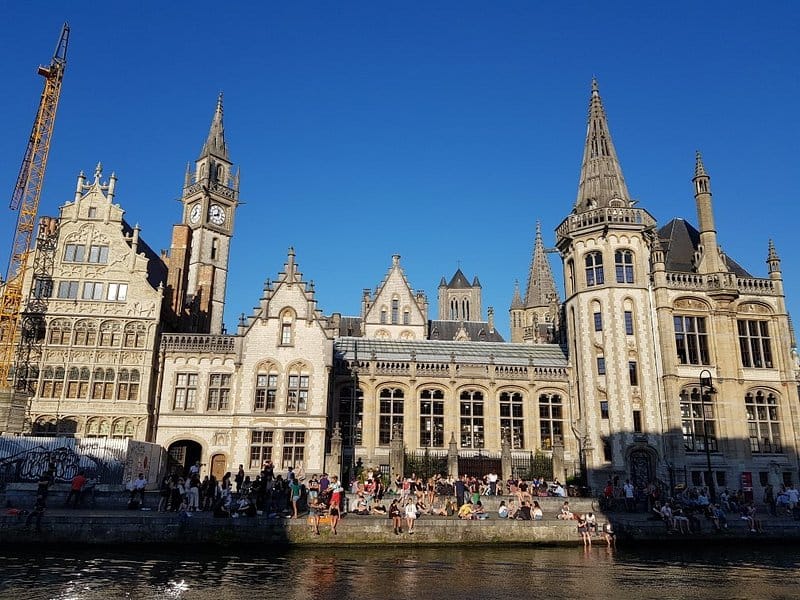
  • Ghent – A lively university city blending historic architecture with modern culture.
  • Antwerp – A fashion and diamond centre with a vibrant port and creative scene.
  • Liège – A dynamic city with French influence and strong local character.
Iconic Sights
  • Grand Place (Brussels) – One of Europe’s most stunning city squares.
  • Canals of Bruges – Often called the “Venice of the North.”
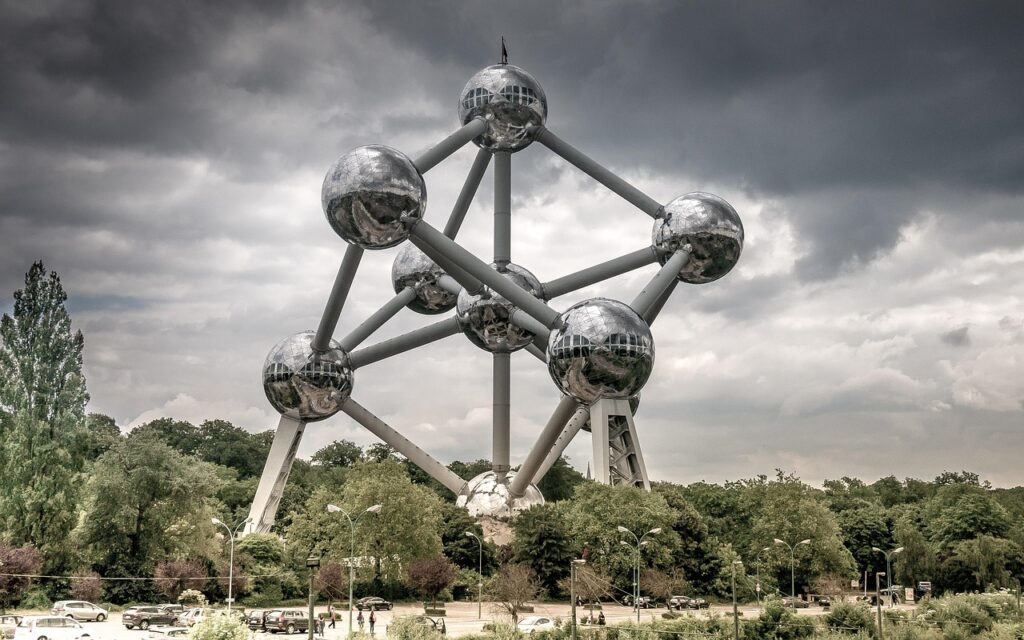
  • Atomium – A futuristic landmark and symbol of Brussels.
  • Flanders battlefields – Important historical sites from World War I.
  • Belgian coastline – Sandy beaches and seaside resorts along the North Sea
Cuisine and Drinks

In 2026, Belgium remains a premier culinary destination where medieval tradition meets modern flair. The nation is famous for its mussels and fries (moules-frites), typically served with creamy mayonnaise. For a savory main, try Carbonnade flamande, a rich beef stew slow-cooked in dark abbey beer. Street food lovers shouldn’t miss the golden Liège waffles, distinguished by their crunchy pearl sugar, or the lighter Brussels variety. 

The drink culture is centered on world-renowned beer, with over 1,500 varieties ranging from rare Trappist ales brewed by monks to tart, spontaneously fermented Lambics. Conclude your journey with world-class Belgian chocolate; artisanal pralines and truffles are legendary in cities like Brussels and Bruges. In 2026, many tours offer dedicated beer and chocolate pairings to celebrate these two national icons. 

Getting Around

Belgium has one of Europe’s most efficient public transport systems. Trains connect all major cities quickly, making day trips easy. Cities are compact and walkable, and cycling is popular. Car travel is convenient but not necessary for most visitors.


Costs and Budget

Belgium is moderately priced by Western European standards. Accommodation in major cities can be expensive, but food and transport offer good value. Many museums and attractions have reasonable entrance fees, and city passes can reduce costs.

Culture and Traditions

Belgium has a rich cultural mix shaped by its Dutch- and French-speaking regions. Art, architecture, comics, and festivals play an important role in daily life. Belgians value quality, craftsmanship, and good food. Museums, historic buildings, and local events are easy to access even in smaller cities.


Safety and Practical Information

Belgium is generally safe for tourists. Normal precautions are advised in busy urban areas.

  • Power sockets: Type C and E
  • Internet: Fast and reliable
  • Tipping: Not required; service is included
  • Language: English widely spoken, especially in cities
Final Verdict – Is Belgium Worth Visiting?

Pros:

  • Rich history in compact distances
  • Excellent food and drink culture
  • Beautiful medieval cities
  • Easy travel connections

Cons:

  • Weather can be unpredictable
  • Smaller country with fewer natural landscapes

Verdict:
Belgium is an ideal destination for culture lovers, food enthusiasts, and city explorers. Its charm lies in quality rather than size, making it perfect for short but memorable trips.

Related posts

Antwerp Diamond Experience

For travelers seeking something beyond standard sightseeing, the Antwerp Diamond Experience is a must-see attraction. It reveals the hidden side of a global industry while celebrating Antwerp’s enduring role as the world’s diamond capital. Elegant, informative, and unforgettable, this experience adds a brilliant touch to any visit to Belgium.

Read More »
Belgium: Crossroads of Europe

Belgium is a premier European destination renowned for its medieval architecture and world-class culinary scene. Visitors can explore Brussels’ Grand Place, the canals of Bruges, and enjoy iconic exports like chocolate, waffles, and artisanal beers. Efficient rail links make visiting the diamond district in Antwerp exceptionally easy.

Read More »
Belgium: Crossroads of Europe Read More »

The Bahamas: Caribbean Jewel

Bahamas – Turquoise Waters, Sandy Beaches, and Tropical Paradise

Why Visit the Bahamas?

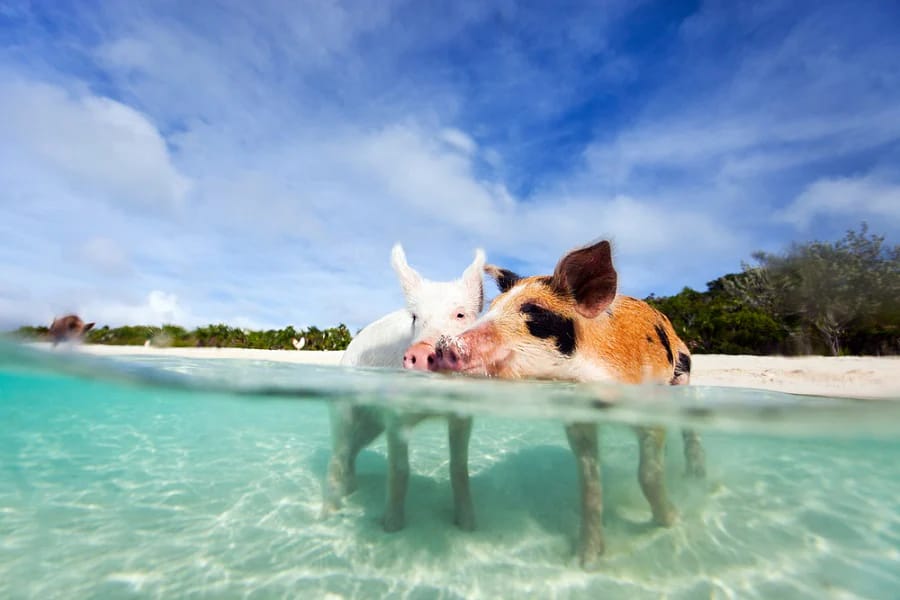
In 2026, the Bahamas remains a premier global escape, offering an unrivaled blend of adventure and serenity across 700 islands. Visitors are drawn to the world-famous Pig Beach to swim with friendly local pigs and to Harbour Island for its iconic Pink Sands Beach

For nature enthusiasts, the archipelago hosts the world’s third-largest barrier reef, providing exceptional snorkeling and diving in crystal-clear waters. Thrill-seekers can explore the depths of Dean’s Blue Hole or hike to the summit of Mt. Alvernia for panoramic views. 

Culturally, the islands vibrate with the energy of Junkanoo festivals and the historic charm of Nassau’s pirate past. Whether you are seeking luxury at Atlantis or seclusion in the Out Islands, the Bahamas offers a timeless tropical ritual. 

Fun fact: The Bahamas has some of the clearest water in the world, making it a top spot for diving and underwater photography

Basic Facts at a Glance
 
  • Capital: Nassau
  • Region: Caribbean
  • Population: About 400,000
  • Official language: English
  • Currency: Bahamian Dollar (BSD), pegged to USD
  • Time zone: UTC−5 (EST)
Climate and Best Time to Visit
 
  • Climate: Tropical, warm year-round
  • Best time: November–April for dry season and pleasant temperatures. Hurricane season runs from June to November, so most visitors prefer the dry winter months.
Main Attractions


Islands & Cities

  • Nassau: Capital city with colonial architecture, bustling markets, and resorts.
  • Paradise Island: Home to the famous Atlantis resort and marine attractions.
  • Exumas: Remote islands with stunning beaches, swimming pigs, and secluded coves.
  • Grand Bahama: Offers natural parks, caves, and snorkeling spots.

Fun fact: The swimming pigs of Exuma are world-famous and a popular photo opportunity for visitors.

Natural Wonders
 
  • Blue Holes: Deep underwater sinkholes perfect for diving.
  • Andros Barrier Reef: Second-largest barrier reef in the world, teeming with marine life.
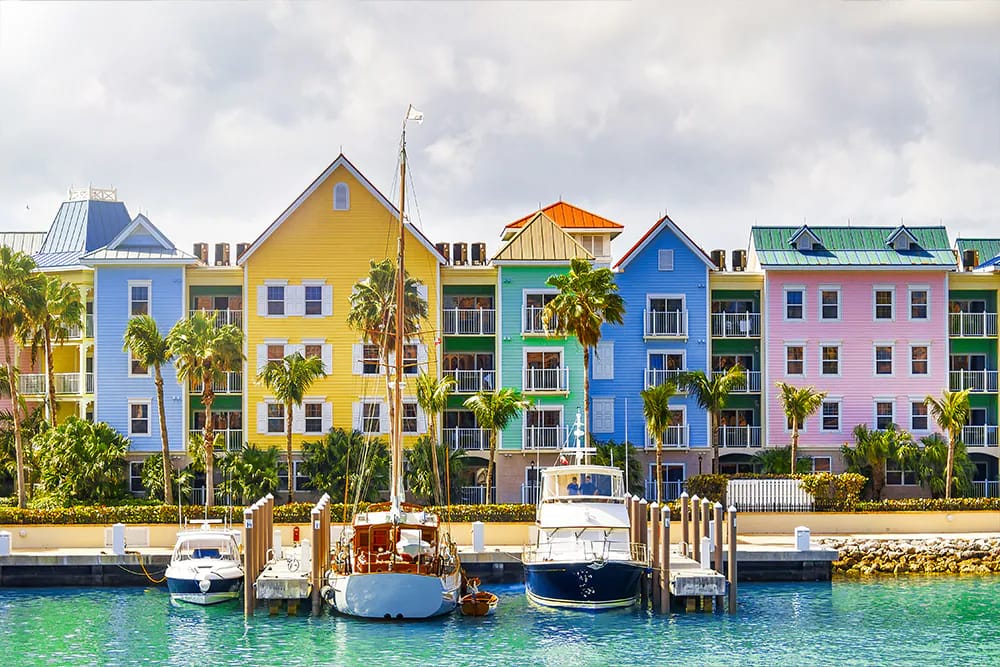
  • Harbour Island: Known for pink sand beaches and pastel-colored houses.
  • Lucayan National Park: Mangroves, caves, and pristine beaches.

Fun fact: The Bahamas is home to the third-largest barrier reef in the world, after Australia and Belize.

Food and Drink


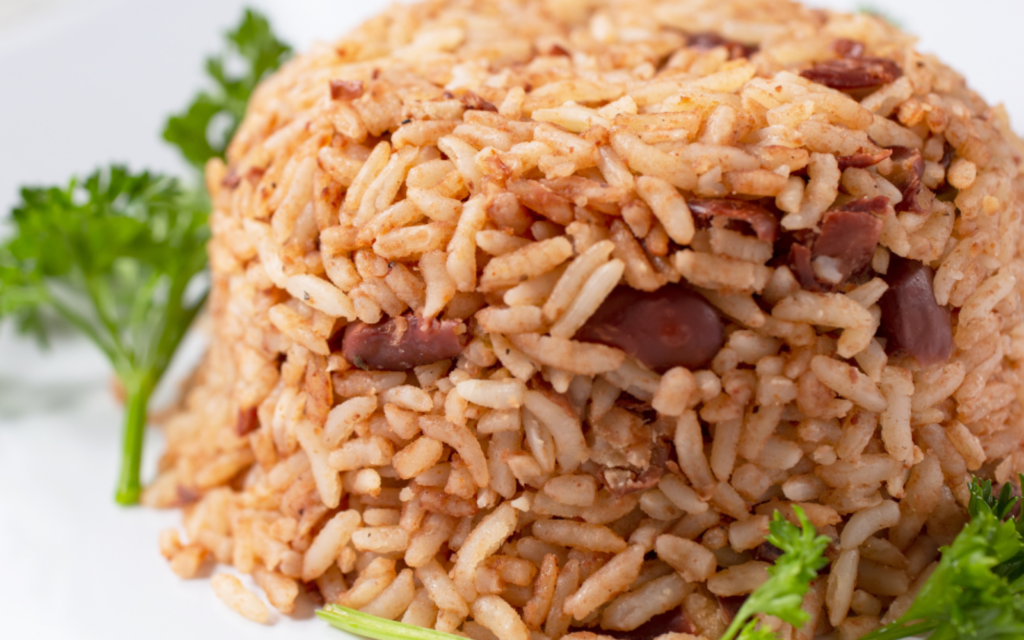
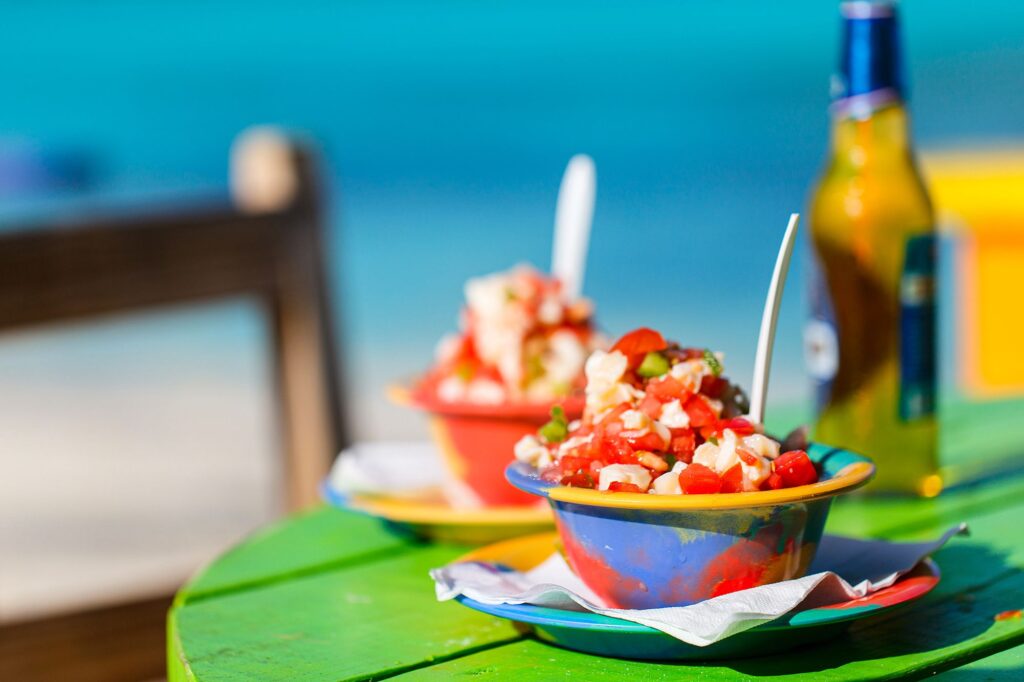
Bahamian cuisine focuses on fresh seafood, tropical fruits, and local spices. Popular dishes include conch salad, rock lobster, guava duff, and Johnnycakes. In 2026, Bahamian cuisine remains a vibrant fusion of African, European, and Caribbean flavors. The crown jewel is conch, a local mollusk prepared as crispy fritters, citrus-marinated salads, or hearty chowders. Visitors must also try Peas ‘n’ Rice, seasoned with thyme and salt pork, or the comforting Guava Duff for dessert.

To drink, the Bahama Mama and Goombay Smash are essential rum-based cocktails. For something uniquely local, try Sky Juice, a creamy blend of gin, coconut water, and condensed milk. Beer lovers should reach for a cold Kalik or Sands.

Fun fact: Conch, a type of sea snail, is a national culinary treasure and is eaten in salads, fritters, and soups.

Getting Around


Travel between islands is possible by plane, ferry, or private boat. On larger islands like New Providence, taxis and rental cars are common.


Fun fact: Some smaller cays have no cars at all, creating peaceful and scenic escapes. Bahamians are known for their friendliness and often greet visitors with “Welcome to the Bahamas!”

Safety and Practical Information
 

The Bahamas is generally safe for tourists, though petty theft can occur in crowded areas.

  • Power sockets: Type A and B (US standard)
  • Internet: Widely available in resorts and towns
  • Tipping: 10–15% customary in restaurants
  • Language: English
Final Verdict – Is the Bahamas Worth Visiting?


Pros:

  • Stunning beaches and turquoise waters
  • Unique marine life and diving spots
  • Vibrant festivals and cultural experiences

Cons:

  • Can be expensive, especially in resorts
  • Limited activities on smaller uninhabited islands

Verdict:
The Bahamas is perfect for travellers, who want sun, sand, and tropical adventure. From swimming with pigs in the Exumas to exploring coral reefs, Bahamian islands offer a relaxing yet exciting Caribbean getaway.

Related posts

Caribbean Cruises

Experience the ultimate luxury getaway with a Caribbean cruise. From the turquoise waters of the Bahamas to the lush landscapes of St. Lucia, these voyages offer sun-soaked adventures and world-class amenities. Discover the best Western and Eastern Caribbean itineraries for an unforgettable tropical escape filled with relaxation and island-hopping.

Read More »

The Bahamas: Caribbean Jewel

The Bahamas is a stunning archipelago of 700 islands known for crystal-clear turquoise waters and vibrant coral reefs. Visitors can swim with the famous pigs in Exuma, explore Nassau’s historic colonial charm, or relax on the secluded Pink Sands Beach, making it a premier destination for sun and relaxation.

Read More »

The Bahamas: Caribbean Jewel Read More »

Austria: Europe’s Cultural Heartland

Austria – Land of Alpine Peaks, Classical Music, and Imperial Heritage

Why Visit Austria?
 

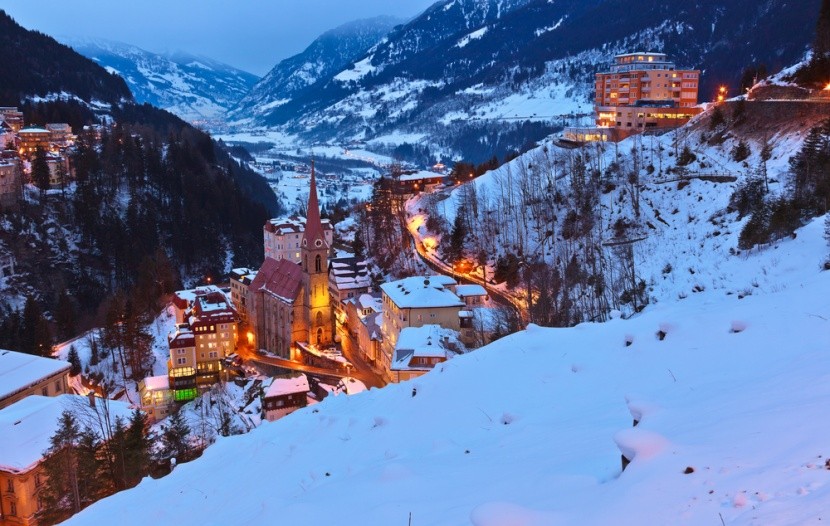
Austria offers an enchanting blend of imperial history, stunning Alpine landscapes, and sophisticated culture, making it an irresistible destination. Dive into Vienna’s elegant streets, where palatial architecture, world-class opera, and cozy coffee houses define the vibrant atmosphere. In Salzburg, follow the legacy of Mozart and the “Sound of Music” amidst baroque beauty. 

Beyond the cities, the Austrian Alps provide year-round adventure: pristine slopes for skiing in winter and lush hiking trails in summer. Savor culinary delights from Wiener Schnitzel to Sachertorte. With its efficient transport, welcoming locals, and profound artistic heritage, Austria promises a deeply enriching European escape.

Fun fact: Vienna is often ranked as one of the world’s most livable cities, thanks to its culture, safety, and infrastructure.

Basic Facts at a Glance
 
  • Capital: Vienna
  • Region: Central Europe
  • Population: About 9 million
  • Official language: German
  • Currency: Euro (EUR)
  • Time zone: UTC+1 to UTC+2 (in Summer)
Climate and Best Time to Visit
 
  • Climate: Temperate with alpine influences; cold winters, warm summers
  • Best time:  May–September for hiking and sightseeing;    December–February for skiing
  • Fun fact: Austria’s ski resorts are among the most famous and scenic in Europeattracting visitors from around the world.
Main Attractions


Cities & Towns

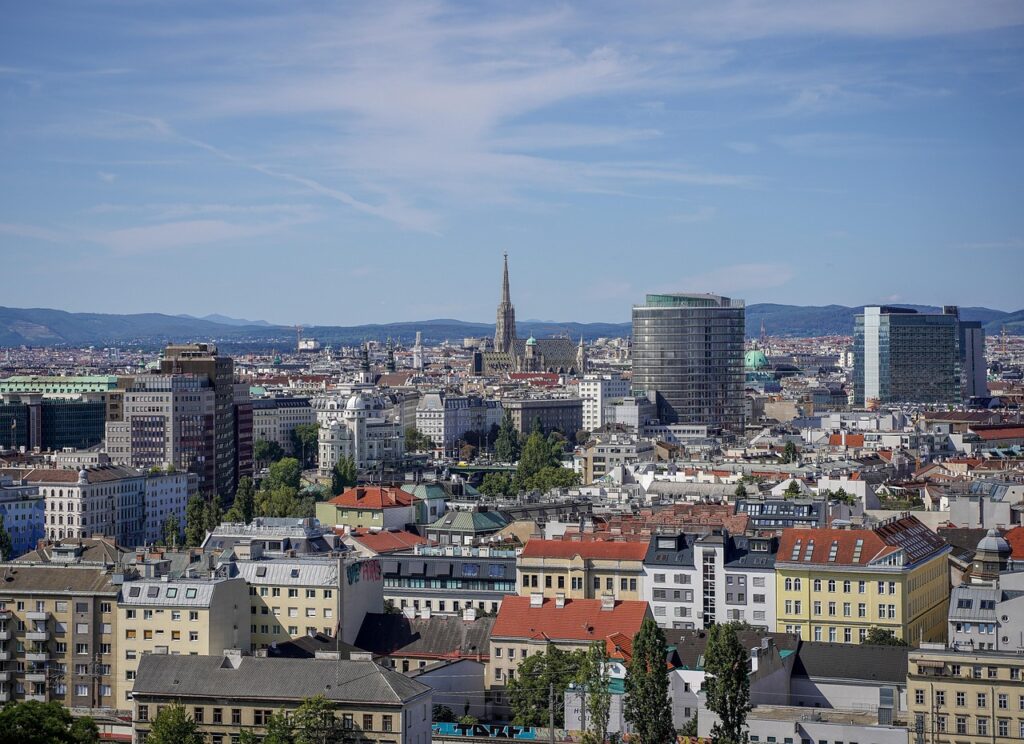
  • Vienna: Imperial palaces (Hofburg, Schönbrunn), museums, classical concerts, and coffeehouse culture.
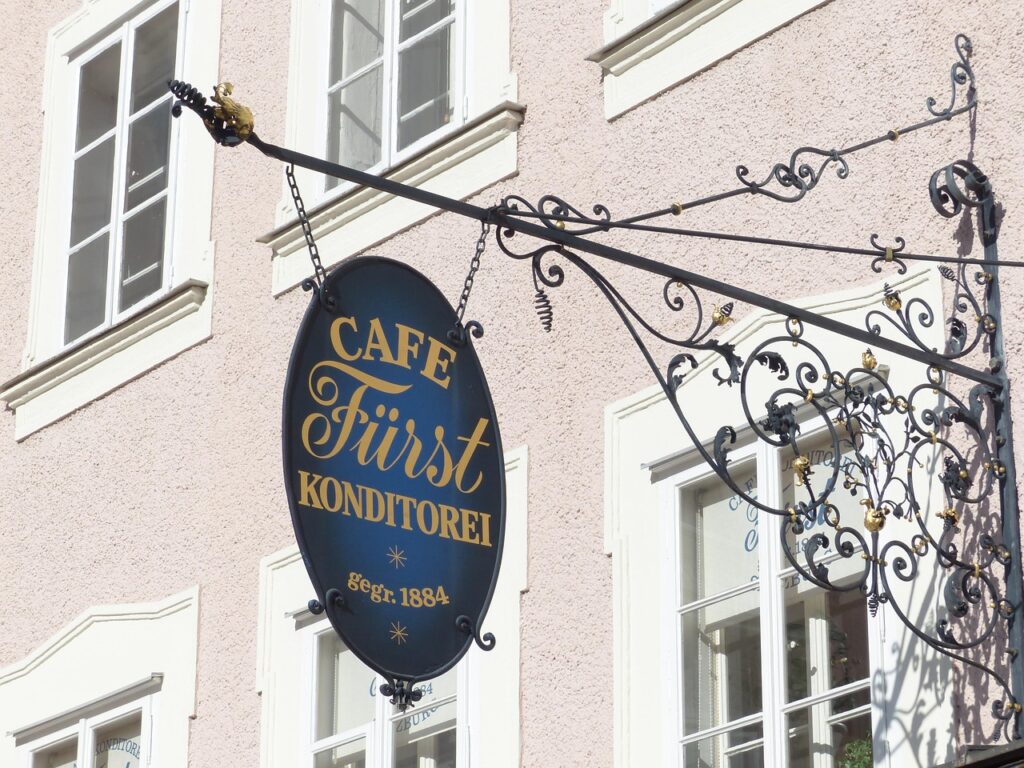
  • Salzburg: Birthplace of Mozart, baroque architecture, and scenic alpine backdrop.
  • Innsbruck: Skiing, hiking, and the famous Golden Roof in the old town.
  • Graz: UNESCO-listed old town and vibrant art scene.
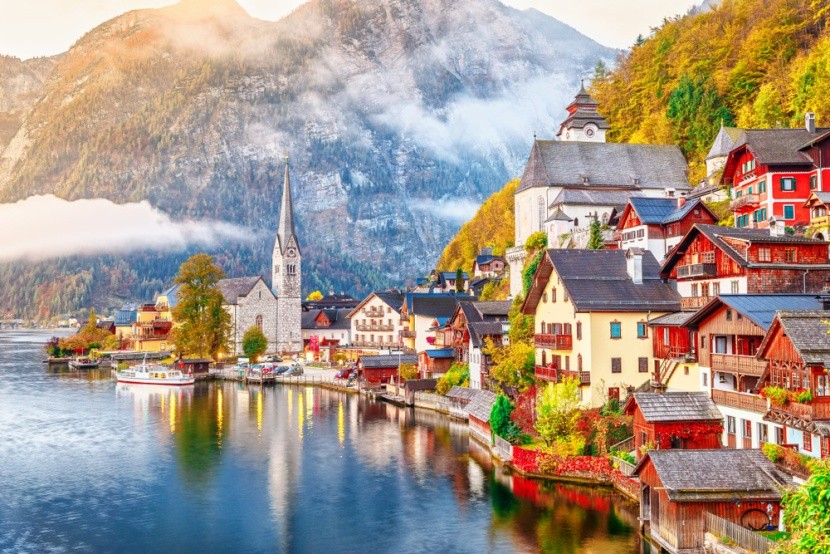
  • Hallstatt: Picturesque lakeside village with historic salt mines

Fun fact: Salzburg hosts the world-famous Salzburg Festival, celebrating classical music and theater every summer.

Natural Wonders


  • Austrian Alps: Skiing, hiking, and breathtaking scenery.
  • Grossglockner High Alpine Road: Scenic drives through towering mountains.
  • Danube River: Cruises and cycling along Europe’s second-longest river.
  • Lake Wolfgang & Lake Hallstatt: Stunning alpine lakes for boating and relaxation.

Fun fact: Austria is one of the most mountainous countries in Europe, with over 60% of its land covered by the Alps.

Food and Drink

Austrian cuisine is a delightful blend of imperial traditions and hearty alpine flavors. No visit is complete without tasting the iconic Wiener Schnitzel, a perfectly breaded and fried veal cutlet, traditionally served with a refreshing potato salad. For a rustic experience, head to a mountain hut for Kärntner Kasnudeln (cheese-filled dumplings) or a savory Brettljause, a wooden platter laden with local smoked meats, cheeses, and spreads. Beyond the classics, modern Austrian kitchens emphasize regional Alpine flavors, such as Tiroler Gröstl (potato and meat fry-up) and Käsespätzle (cheese noodles). Paired with world-class Grüner Veltliner white wines or crisp local beers, the dining experience focuses on Gemütlichkeit—a unique sense of warmth and coziness.

The country’s beverage culture is equally rich. In the east, explore the Heuriger (wine taverns) to enjoy crisp Grüner Veltliner white wines. If you prefer beer, Austria’s centuries-old brewing tradition offers everything from refreshing Märzen to dark, malty stouts.

Finally, embrace the world-famous Kaffeehaus culture. Spend an afternoon in a historic Viennese café with a slice of Sachertorte or a warm Apfelstrudel, paired with a “Melange” coffee. It’s not just a meal; it’s a timeless ritual of Austrian hospitality. Enjoy!

Getting Around
 

Austria has excellent trains, buses, and highways. Cities are walkable, and alpine regions can be explored by car or cable cars.


Fun fact: Austria has one of the most efficient railway networks in Europe, making travel between cities quick and convenient.

Safety and Practical Information
 Austria is very safe for tourists, with low crime rates and reliable public services.
  • Power sockets: Type C and F
  • Internet: Widely available
  • Tipping: 5–10% customary in restaurants
  • Language: German; English widely spoken in tourist areas
Final Verdict – Is Austria Worth Visiting?


Pros:

  • Stunning alpine landscapes and outdoor activities
  • Rich musical, artistic, and cultural heritage
  • Charming historic towns and cities

Cons:

  • Winters can be very cold in alpine regions
  • Popular destinations may get crowded in summer

Verdict:
Austria is perfect for travellers seeking culture, history, and natural beauty. From Vienna’s imperial palaces and classical music to the Alps’ hiking trails and skiing slopes, Austria offers a sophisticated and scenic European experience.

Related posts

Vienna’s Urban Oasis

The Haus des Meeres is one of Vienna’s most compelling attractions because it masterfully combines rich history, vibrant biodiversity, and striking architectural design. Walking into this venue means stepping inside a towering WWII concrete flak fortress that has been transformed from a monument of war into a vertical sanctuary for over 10,000 animals.

Read More »

Unlocking the Red Bull Ring Spielberg

A visit to the Red Bull Ring in Spielberg offers a breathtaking mix of high-speed motorsport and Alpine scenery. Beyond the F1 Grand Prix, fans can enjoy behind-the-scenes tours, driving experiences in supercars, and modern facilities. It is a premier destination for adrenaline seekers and families exploring Styria’s racing heritage.

Read More »

A Journey Through the Heart of Europe

A Danube river cruise offers a magical journey through the heart of Europe. It is the perfect blend of scenic beauty, cultural depth, and comfortable travel. From the rich history of Germany and Austria to the raw beauty of the Danube Delta, the river provides an elegant pathway to discovery.

Read More »

Austria: Europe’s Cultural Heartland Read More »

Australia: The Vast Southern Giant

Australia – Land of Outbacks, Beaches, and Unique Wildlife

Why Visit Australia?

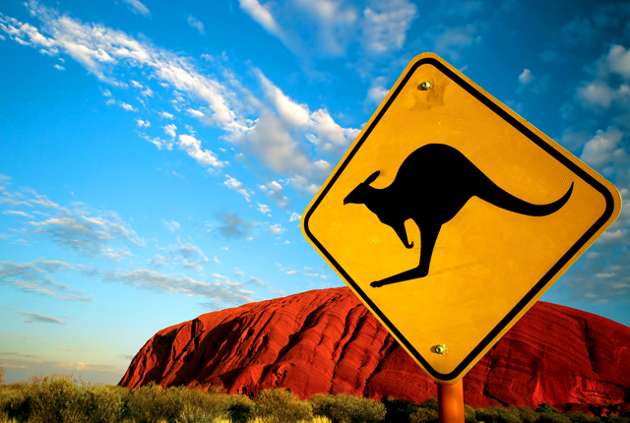
Australia is a continent of staggering natural beauty and unique experiences, making it a must-visit destination. Where else can you explore the vibrant underwater ecosystem of the Great Barrier Reef and witness the majestic monolith of Uluru in the same trip? The country is a sanctuary for unique wildlife, including kangaroos, koalas, and platypuses. From the bustling, cosmopolitan cities of Sydney and Melbourne to the vast, rugged landscapes of the Outback, Australia offers unparalleled diversity. Coupled with pristine beaches, world-class wine regions, a laid-back lifestyle, and some of the friendliest people on Earth, Australia promises an unforgettable adventure for every traveler.

Fun fact: The Great Barrier Reef is the largest coral reef system in the world, stretching over 2,300 kilometers (1,400 miles).

Basic Facts at a Glance
 
  • Capital: Canberra
  • Region: Oceania
  • Population: About 26 million
  • Official language: English
  • Currency: Australian Dollar (AUD)
  • Time zone: UTC+8 to UTC+10 (varies by region)
Climate and Best Time to Visit
 

Australia’s seasons are opposite to Europe and North America, with summer in December–February.

  • Climate: Varies – tropical in the north, temperate in the south, desert in the interior
  • Best time: Southern Australia: October–April; Northern Australia: May–October
Main Attractions

Cities & Towns

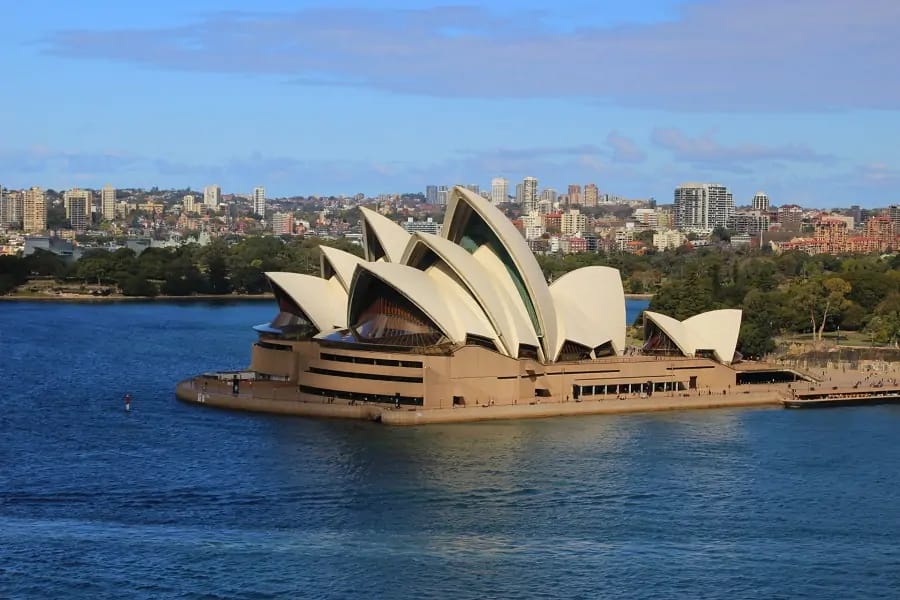
  • Sydney: Iconic Opera House, Harbour Bridge, Bondi Beach, and vibrant city life.
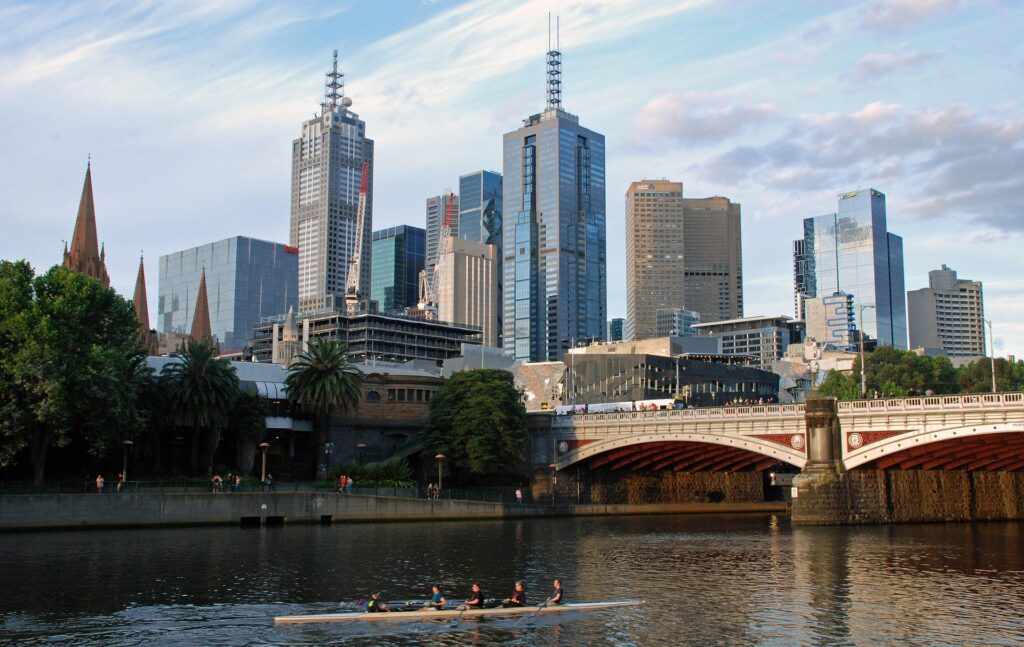
  • Melbourne: Culture, art, coffee, and the gateway to the Great Ocean Road.
  • Brisbane: Sunshine, riverside culture, and access to Gold Coast beaches.
  • Perth: Beautiful beaches, Swan River, and laid-back Western Australian lifestyle.

Fun fact: Sydney Harbour is larger than New York’s and has more than 240 km of coastline.


Natural Wonders


  • Great Barrier Reef: Snorkeling, diving, and vibrant marine life.
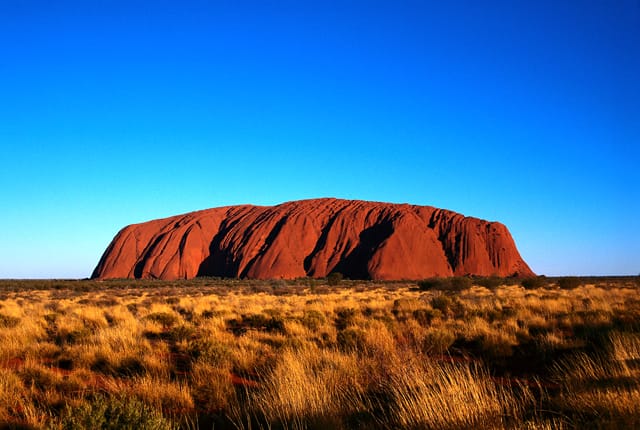
  • Uluru (Ayers Rock): Sacred Aboriginal site in the red desert center.
  • Great Ocean Road: Scenic coastal drive with the Twelve Apostles rock formations.
  • Daintree Rainforest: Ancient rainforest with rare plants and wildlife.

Fun fact: Australia has over 10,000 beaches, more than any other country in the world.

Food and Drink

Australian cuisine is a vibrant fusion of global influences, indigenous ingredients, and modern innovation. In 2026, the dining scene is defined by “casual luxury,” blending comfort food with nostalgic classics like lamingtons, pavlovas, and meat pies, often elevated with native twists. 

A hallmark of the Australian kitchen is its world-class fresh produce, from premium Black Angus beef and sustainable kangaroo to fresh barramundi and Tasmania’s renowned oysters. Multiculturalism remains key, with Asian and Mediterranean flavors—such as “spag bol” or chicken parmigiana—serving as household staples alongside a thriving, world-renowned coffee culture. Recent trends for 2026 also spotlight sustainable, plant-based options and functional superfoods like lemon myrtle and wattleseed


Fun fact: Australia has more than 65,000 cafés, making coffee culture an essential part of life.

Getting Around
 

Australia is vast, so flying is often the fastest way between cities. Renting a car is ideal for exploring rural areas and scenic drives.

Fun fact: The famous “road trip” culture is strong in Australia, with highways like the Great Ocean Road and Stuart Highway offering epic adventures.

Safety and Practical Information

Australia is generally very safe for tourists, although precautions are necessary when interacting with wildlife, on beaches, and in remote areas.

  • Power sockets: Type I
  • Internet: Widely available in cities
  • Tipping: Not mandatory; appreciated in restaurants
  • Language: English

Final Verdict – Is Australia Worth Visiting?

Pros:

  • Diverse landscapes and outdoor adventures
  • Unique wildlife and marine life
  • Modern cities and rich Indigenous culture

Cons:

  • Very large distances between attractions
  • Some wildlife and environmental hazards require caution

Verdict:
Australia is perfect for travellers seeking nature, adventure, and culture. From the Great Barrier Reef and Uluru to vibrant cities and pristine beaches, Australia offers experiences that are both iconic and unforgettable.

Related posts

Australia: The Vast Southern Giant

Australia is a vast continent renowned for its breathtaking natural diversity and vibrant cities. Travelers can explore the iconic Great Barrier Reef, the sacred monolith of Uluru, and Sydney’s world-famous Opera House. From rugged outback adventures to pristine white beaches, it offers an unparalleled blend of wilderness and modern culture.

Read More »

Australia: The Vast Southern Giant Read More »

névtelen terv (1)

Argentina: The Latin Powerhouse

Argentina – Land of Tango, Pampas, and Majestic Andes

Why Visit Argentina?

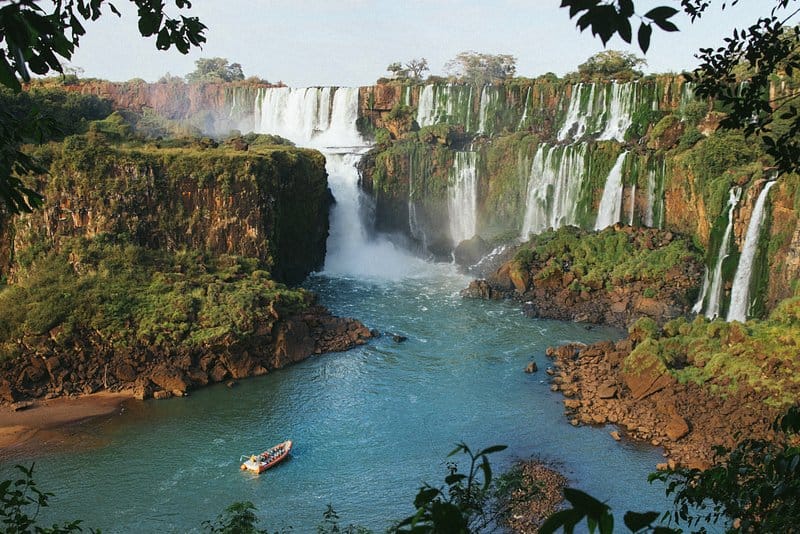
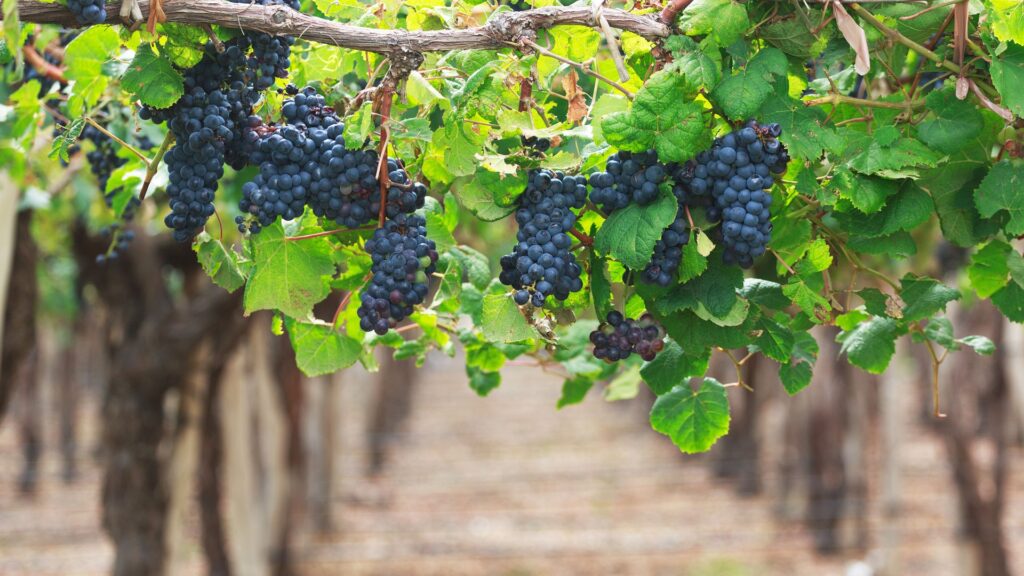
Argentina is a land of breathtaking contrasts, offering an unforgettable escape for every traveler. From the rhythmic pulse of Buenos Aires, where tango fills the streets and European elegance meets Latin passion, to the awe-inspiring heights of the Andes, the country’s diversity is unmatched. Whether you are marveling at the thunderous Iguazú Falls, exploring the pristine glaciers of Patagonia, or savoring a world-class Malbec in the vineyards of Mendoza, Argentina captivates the soul. With its rich cultural heritage, legendary steakhouse scene, and vast, untamed landscapes, Argentina isn’t just a destination—it is an adventure waiting to be lived.

Fun fact: Argentina shares the tallest waterfall in the world, the stunning Angel Falls, with neighboring Venezuela’s influence extending into tourism routes. (Actually Angel Falls is in Venezuela, but Argentina is famous for Iguazú Falls—fun geography twist!)

Basic Facts at a Glance
 
  • Capital: Buenos Aires
  • Region: South America
  • Population: About 46 million
  • Official language: Spanish
  • Currency: Argentine Peso (ARS)
  • Time zone: UTC−3
Climate and Best Time to Visit
 
  • Climate: Varies – subtropical north, temperate central, cold Patagonia south
  • Best time: October–March for Patagonia and north; March–May or September–November for central regions
Main Attractions

Cities & Towns

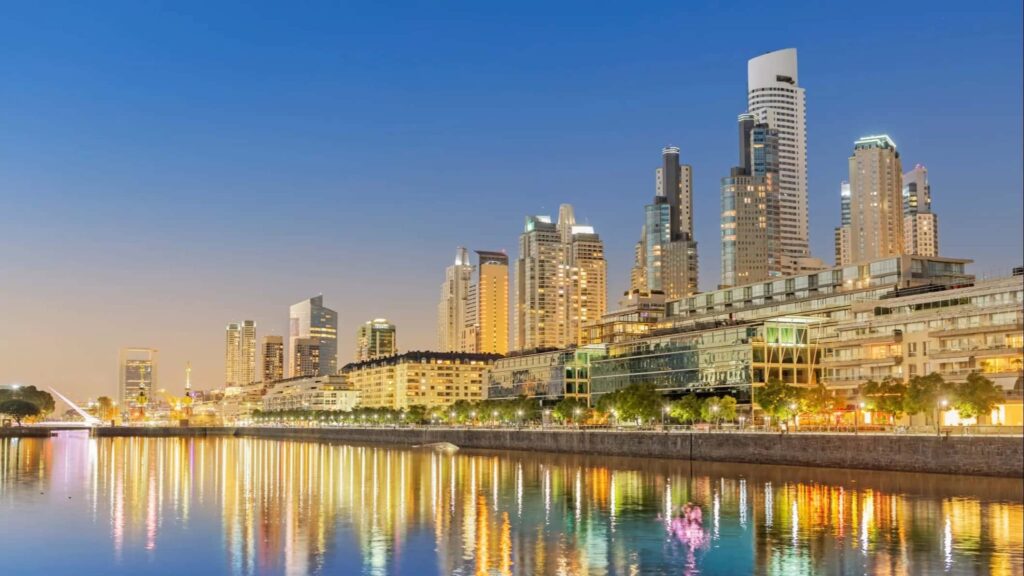
  • Buenos Aires: Tango, European-style architecture, colorful neighborhoods like La Boca, and lively cafes.
  • Mendoza: Wine region with vineyards, Malbec tasting, and stunning Andes backdrop.
  • Bariloche: Swiss-style town, lakes, and ski resorts in the Patagonian Andes.
  • Salta: Colonial architecture, high-altitude deserts, and traditional culture.
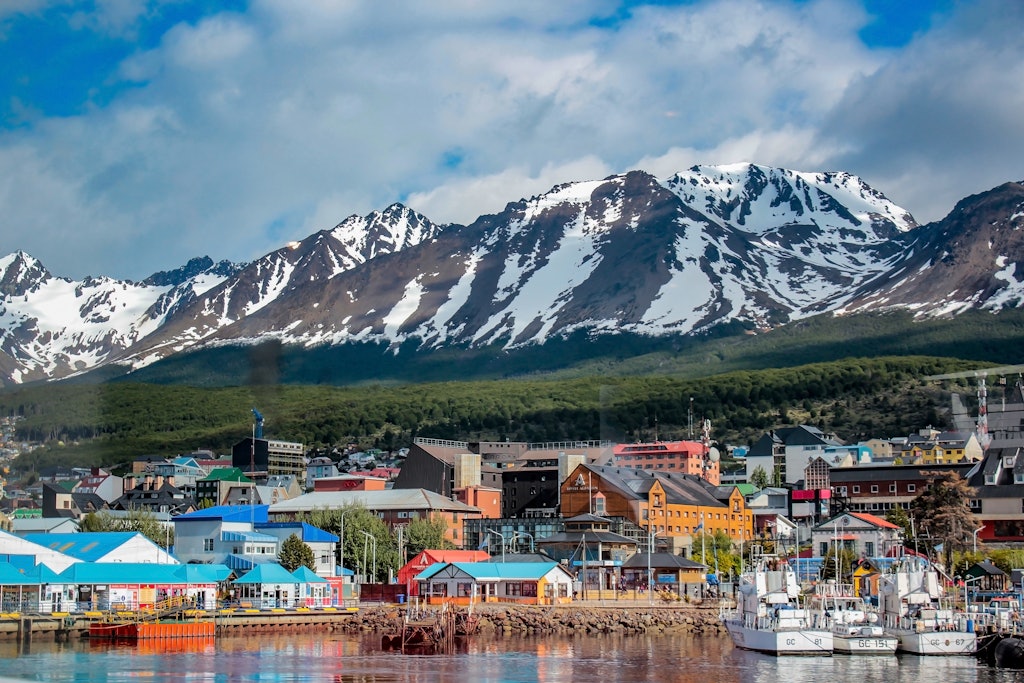
  • Ushuaia: Southernmost city in the world, gateway to Tierra del Fuego and Antarctica.

Fun fact: Buenos Aires is sometimes called the “Paris of South America” due to its architecture and vibrant cultural scene.


Natural Wonders

  • Iguazú
    Falls:
    One of the largest and most spectacular waterfall systems in
    the world.
  • Patagonia:
    Glaciers, mountains, and wildlife in Los Glaciares National Park.
  • Valdes
    Peninsula:
    Penguin colonies, sea lions, and whale watching.
  • Andes
    Mountains:
    Trekking, climbing, and breathtaking views.

Fun fact: Argentina has two seasons of grapes
for wine production in Mendoza due to its unique climate.

Food and drink

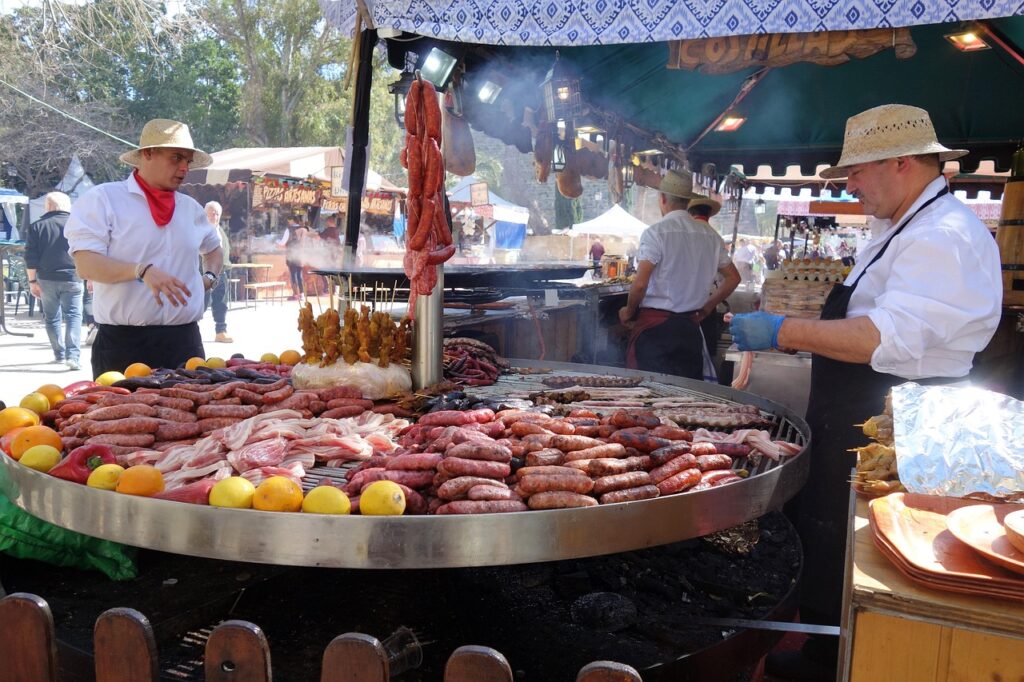
Argentine cuisine is a flavorful fusion of indigenous traditions and European influences, creating a paradise for food lovers. At its heart is the asado, a traditional barbecue that is more than a meal—it is a social ritual centered around premium cuts of beef. Beyond the grill, you must try empanadas, savory pastries filled with meat, cheese, or vegetables. For those with a sweet tooth, dulce de leche is a national obsession, often found inside delicate alfajores cookies. Pair your meal with a bold Malbec wine from Mendoza to experience the true, passionate taste of Argentina.

Getting Around

Argentina’s vast size necessitates varied transport options.
Domestic flights are efficient for long distances, like Buenos Aires to
Patagonia. The bus network is excellent, offering comfortable, affordable
travel between cities. Within cities, particularly Buenos Aires, the
“Subte” (metro), buses, and affordable taxis make navigating easy,
offering a seamless experience for travelers. The Tren a las Nubes (Train to the Clouds) in Salta reaches 4,200 meters (13,780 feet) above sea level, one of the highest train rides in the world.


Safety and Practical Information
 

Argentina is generally safe in tourist areas, though caution is advised in large cities for petty theft.


  • Power sockets: Type C and I
  • Internet: Widely available in cities
  • Tipping: 10% customary in restaurants
  • Language: Spanish; English spoken in tourist areas
névtelen terv (1)
Final Verdict – Is Argentina Worth Visiting?
 

Pros:

  • Diverse landscapes from waterfalls to mountains and glaciers
  • Rich culture, music, and dance
  • Excellent food and wine

Cons:

  • Some regions are remote and require long travel
  • Currency fluctuations can affect budgets
Verdict:

Argentina is perfect for travellers seeking adventure, culture, and natural beauty. From tango in Buenos Aires and wine in Mendoza to glaciers in Patagonia and the thundering Iguazú Falls, Argentina offers an unforgettable South American journey.

Related posts

Blue and yellow Boca Juniors mural featuring Diego Maradona inside the club museum

The La Bombonera Stadium Tour

Discover one of South America’s most distinctive football stadiums in the heart of Buenos Aires. A visit to La Bombonera introduces you to Boca Juniors, the club’s history and the intense football culture of the La Boca neighborhood. The stadium’s steep stands and compact design make it an experience unlike almost any other ground.

Read More »
névtelen terv (1)

Argentina: The Latin Powerhouse

Argentina is a land of dramatic contrasts, stretching from the bustling tango halls of Buenos Aires to the thundering Iguazu Falls. Travelers can explore the rugged peaks of Patagonia, tour the high-altitude vineyards of Mendoza, or visit the “End of the World” in Ushuaia for an unforgettable South American adventure.

Read More »

Argentina: The Latin Powerhouse Read More »

Scroll to Top