From Kigumi to Modern Design

Living Timber: Hands-on Workshops in the Heart of Japanese Craftsmanship

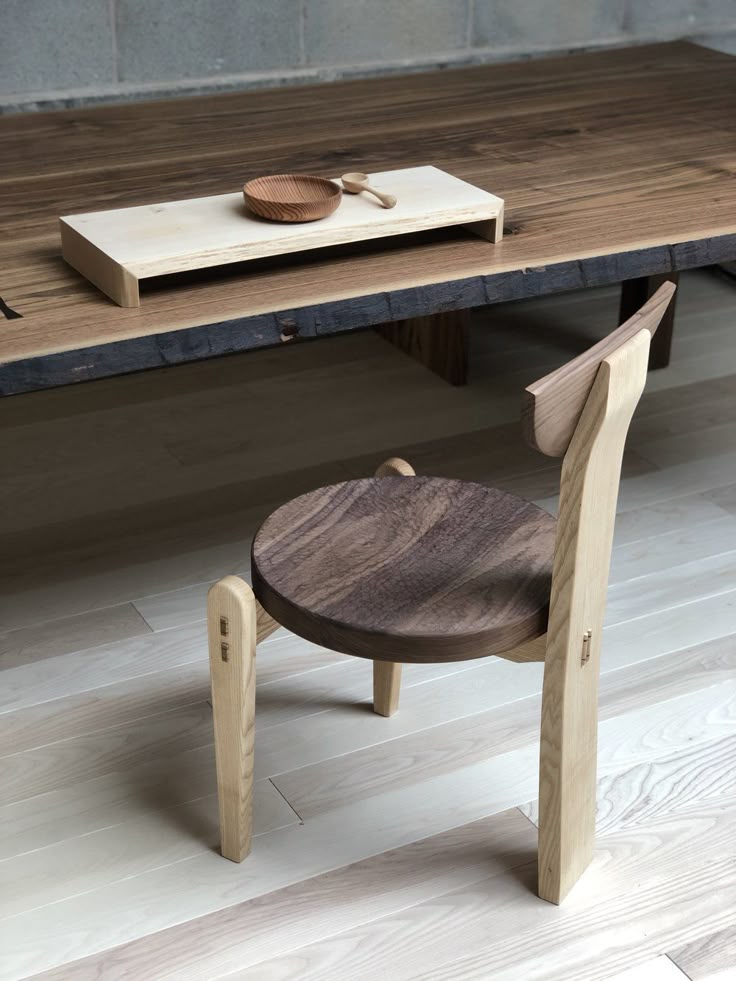
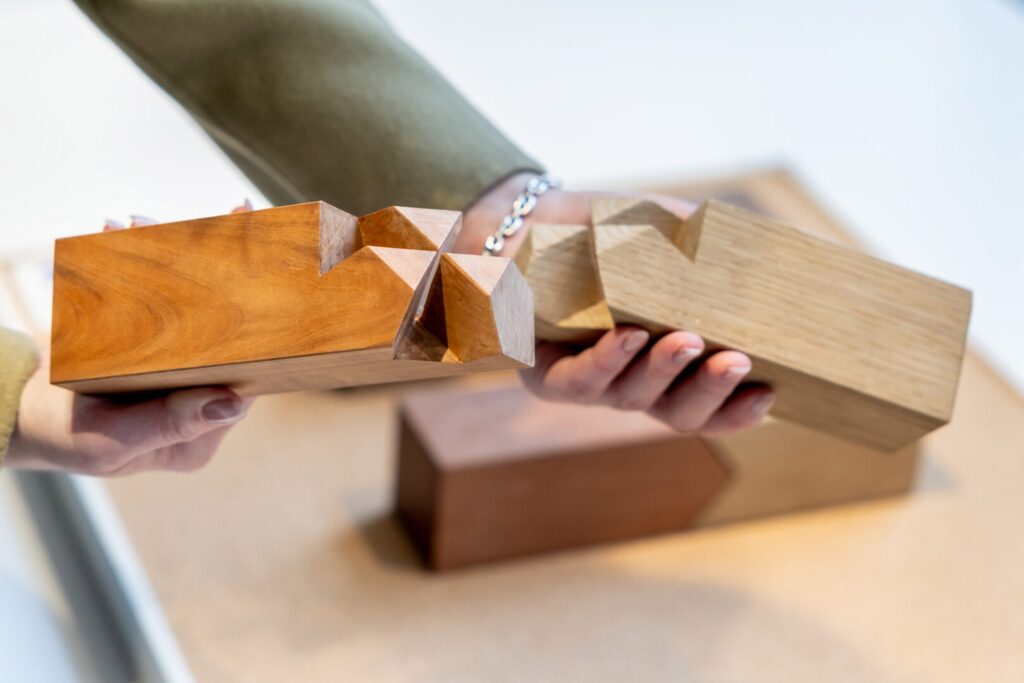
For centuries, the masterpieces of Japanese woodcraft have been prized global treasures, originally gracing the grand estates of European royalty and later becoming iconic features in refined middle-class homes during the early 20th century. At the heart of this enduring appeal lies kigumi, a sophisticated system of interlocking joints that allows for complex structures to be built entirely without nails or screws. This technique relies on absolute precision and a deep understanding of timber, ensuring that structures remain both flexible and enduring for generations.

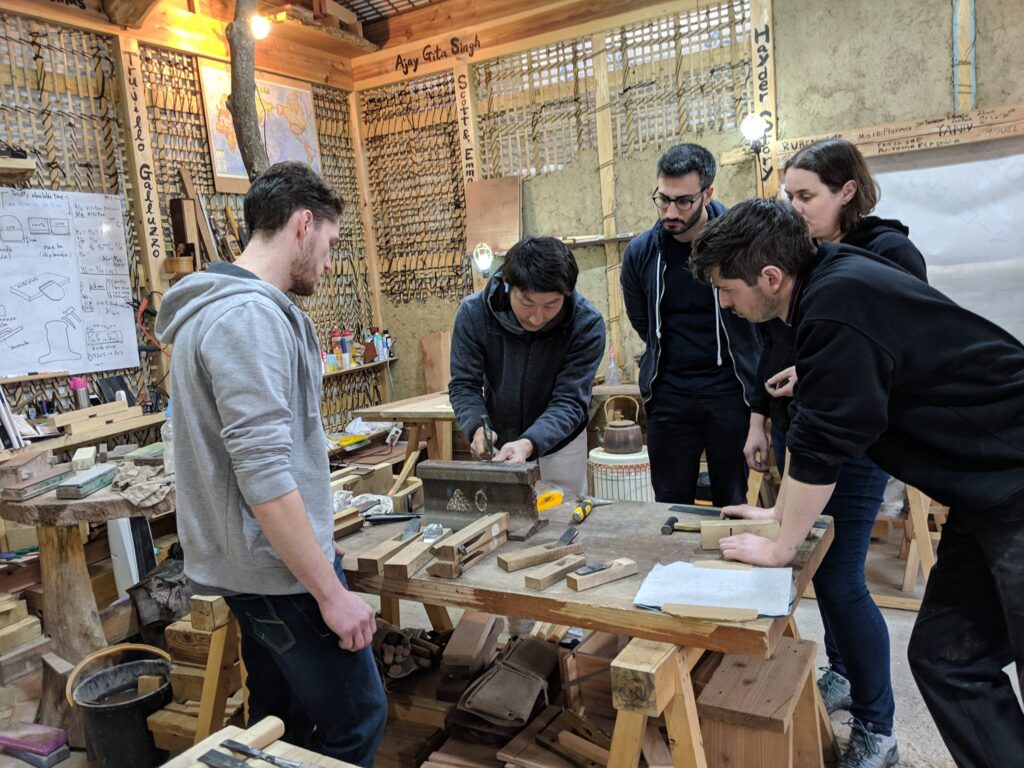
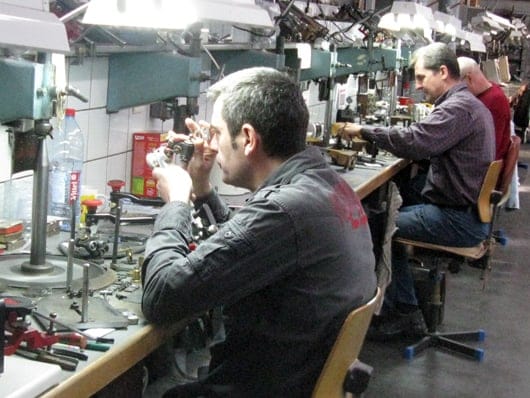
The essence of such mastery is best understood not through mere observation, but through the tactile connection between hand and tool. Today, immersive workshops offer a rare opportunity to learn these authentic joinery and decorative techniques directly from master craftsmen. Featured experiences include Suikoushya in Kyoto for structural carpentry, Hakone for delicate yosegi-zaiku marquetry, and Takumi Woodwork near Tokyo for contemporary furniture design. These programs provide a gateway into the philosophy of Monozukuri, where wood is respected as a living legacy and manual skill is celebrated as a transformative experience.

Suikoushya – Japanese Woodworking Workshop, Kyoto

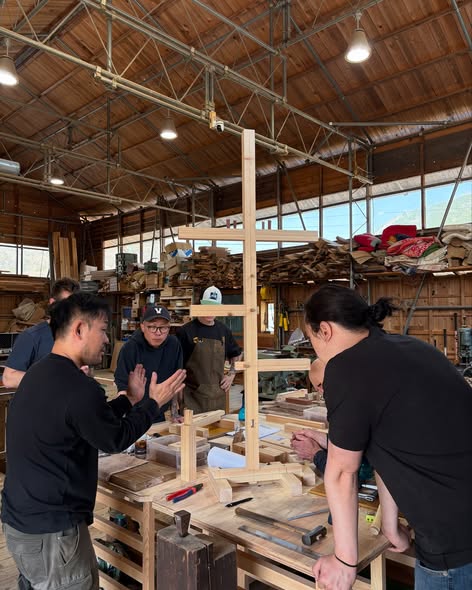
Suikoushya is a traditional woodworking studio in Kyoto where skilled Japanese carpenters teach authentic joinery and hand-tool skills rooted in centuries of craft tradition. While the studio also operates as a working construction firm, it offers hands-on woodworking workshops that immerse visitors in core aspects of Japanese carpentry. These experiences focus on understanding and using traditional Japanese tools — chisels (nomi), planes (kanna), saws, and the precise measurement and sharpening that define the craft.

Practical Cost & Details:

  • Workshop type: Hands-on Japanese woodworking experience
  • Duration: Usually 1–3 hours for short sessions; longer courses are possible with advance inquiry.
  • Cost: Prices vary; short introductory workshops typically range from ¥6,000–¥15,000 (~US $40–$100).
  • Best for: Craft-focused travelers, woodworkers, and designers.

Official Website & Booking: Suikoushya.com – Workshops

Hakone Yosegi-zaiku – Japanese Marquetry, Hakone

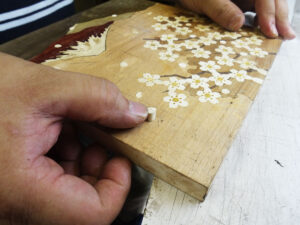
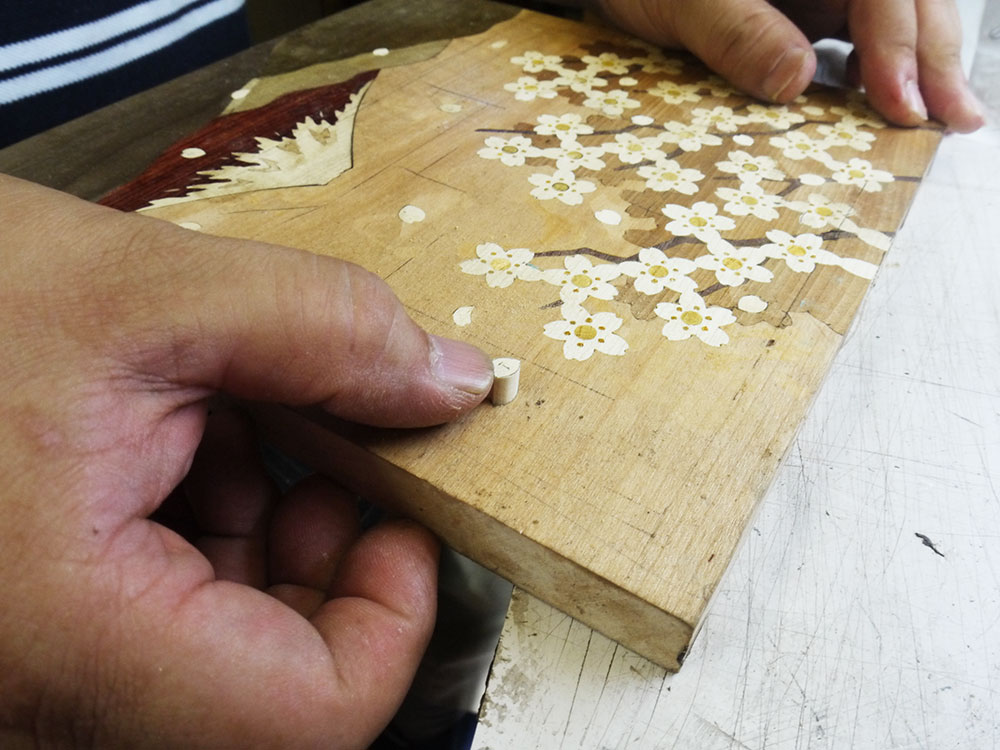
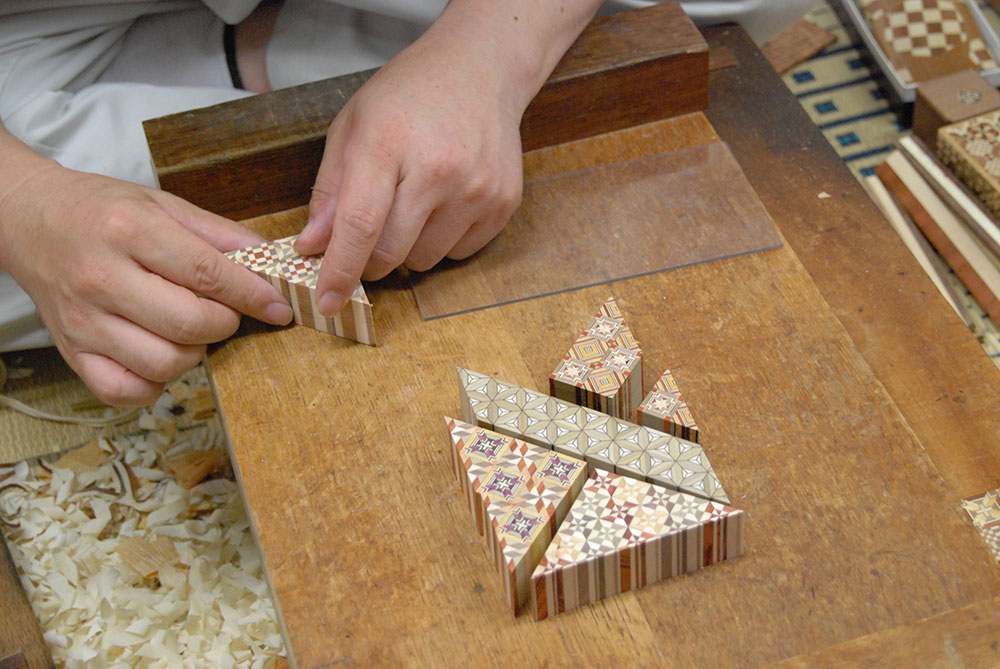
Hakone is internationally recognized for yosegi-zaiku — a traditional form of decorative wood marquetry developed during the Edo period. This craft involves assembling naturally colored woods into intricate geometric pattern blocks, which are then thinly sliced and applied to boxes and surfaces. Several local craft studios and museums offer hands-on marquetry experiences where visitors can assemble patterns and create small pieces like coasters or puzzle boxes.

Practical Cost & Details:

  • Workshop type: Hands-on yosegi-zaiku marquetry experience
  • Duration: ~60 minutes for basic classes; longer tours available.
  • Cost: Around ¥900–¥1,000 for basic experiences; ¥20,000+ for extended guided sessions.
  • Best for: Travelers interested in traditional decorative manufacturing and souvenirs.

Official Website & Booking: Hatajuku Yosegi-zaiku Hall or Homma Yosegi Museum

Takumi Woodwork – Traditional Craft & Design Workshop, Saitama/Tokyo Area

Takumi Woodwork is a distinguished studio that bridges the gap between ancient Japanese timber traditions and contemporary furniture design. Led by master craftsmen dedicated to the “Takumi” (artisan) spirit, this studio emphasizes the soulful connection between the maker and the material, focusing on the refined aesthetics of Japanese minimalism and the structural integrity of hand-cut joints.

Practical Cost & Details:

  • Workshop type: Hands-on furniture making and traditional joinery experience.
  • Duration: Typically 2–4 hours for introductory projects.
  • Cost: Introductory sessions range from ¥8,000–¥18,000 (~US $55–$120), including premium timber materials.
  • Best for: Design enthusiasts, travelers seeking high-end craft, and DIYers.

Official Website & Booking: Takumi-Woodwork.com

Conclusion: Bridging Heritage and Modernity

The enduring legacy of Japanese woodcraft lies in its ability to remain relevant in an era of mass production. Whether through the structural ingenuity of kigumi, the decorative precision of yosegi-zaiku, or the refined minimalism of contemporary furniture, these traditions offer more than just technical skill—they provide a blueprint for sustainable and mindful creation. By participating in these workshops, enthusiasts do not merely learn a hobby; they preserve a philosophy that views every piece of timber as a living entity. In a world increasingly dominated by the digital and the disposable, the tactile journey of woodworking serves as a vital bridge between centuries-old mastery and the future of global design.

Related posts

From Kigumi to Modern Design
Explore the timeless art of Japanese woodworking, from the nail-free precision of kigumi to the intricate patterns of yosegi-zaiku. This guide features three premier workshops—Suikoushya, Hakone, and Takumi Woodwork—where enthusiasts can master traditional hand tools and connect with the spiritual philosophy of Monozukuri through immersive, hands-on craft experiences.

Read More »

Japan: Tradition and Innovation

Japan offers a captivating blend of ancient tradition and futuristic innovation. Visitors in 2026 can speed across the country on Shinkansen bullet trains, exploring neon-lit Tokyo, serene Kyoto temples, and the natural beauty of Mount Fuji. Travel planning should include securing a Japan Rail (JR) Pass for cost-effective transit.

Read More »

From Kigumi to Modern Design Read More »
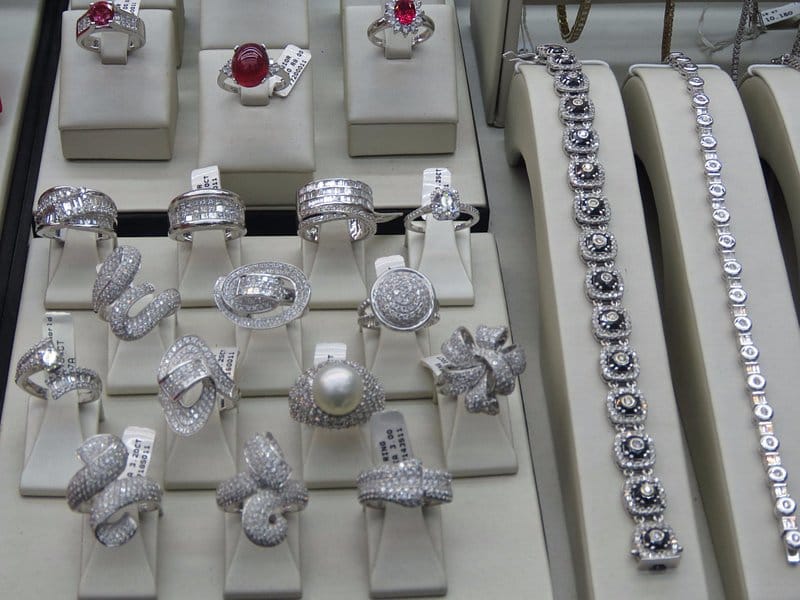
Antwerp Diamond Experience

Antwerp Diamond Experience – Discover the World’s Diamond Capital

For over five centuries, Antwerp has been synonymous with diamonds. Today, the Belgian city remains one of the most important diamond hubs in the world, where a large share of global diamond trading still takes place. The Antwerp Diamond Experience offers visitors a rare opportunity to step into this exclusive world and discover how rough stones become some of the most valuable luxury items on the planet.

Unlike traditional factory tours, Antwerp’s diamond experience is a multi-layered journey combining guided district tours, museum exhibitions, and live craftsmanship demonstrations, making it one of the most fascinating industrial-heritage attractions in Europe.

Antwerp’s Historic Diamond District

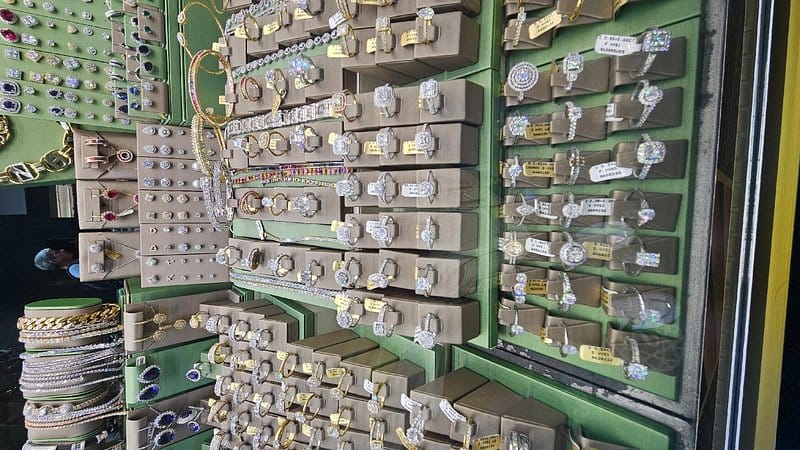
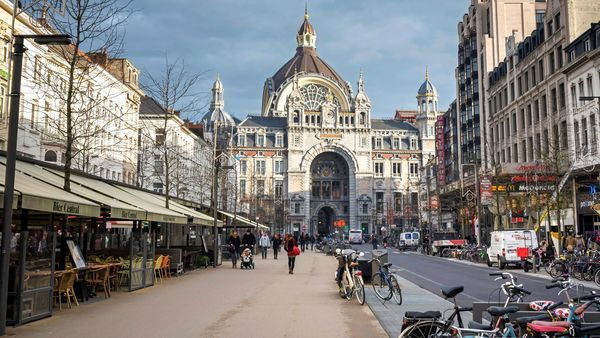
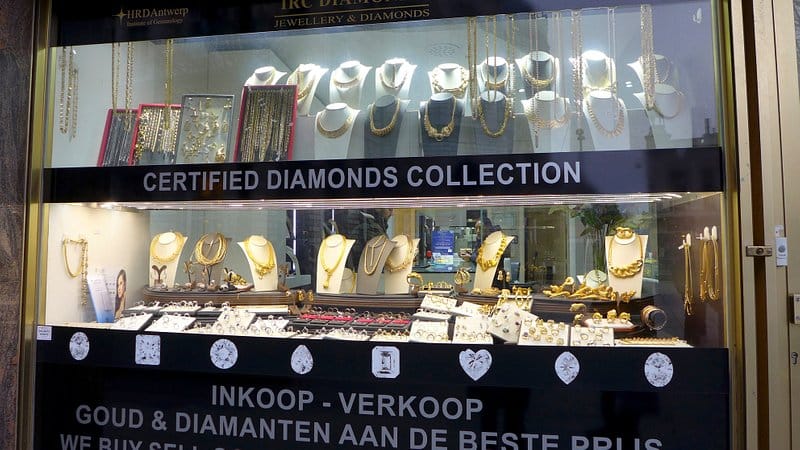
Located just steps from the iconic Antwerp Central Station, the Diamond District—often called the “Square Mile”—is the heart of the city’s diamond trade. This compact area is home to diamond exchanges, trading offices, cutting workshops, and high-security vaults. Walking through these streets offers a glimpse into a highly specialized industry that has shaped Antwerp’s identity for generations.

Guided tours of the Diamond District explain the global journey of diamonds, from mining regions to cutting centers and finally to international markets. Visitors also learn about the strict security measures and ethical standards that govern today’s diamond trade.

What Is the Antwerp Diamond Experience?

The Antwerp Diamond Experience is not a single attraction but a curated collection of experiences designed to tell the full story of diamonds. It typically includes:

  • Guided walking tours of the Diamond District
  • Educational insights into diamond grading and valuation
  • Visits to museums dedicated to diamonds and jewelry
  • Opportunities to observe traditional craftsmanship

Together, these elements create an immersive experience that closely resembles a factory tour, while respecting the security and confidentiality of the industry.

DIVA Museum – Diamonds, Jewellery and Silver

A key highlight of the Antwerp Diamond Experience is the DIVA Museum, Antwerp’s official museum dedicated to diamonds, jewelry, and silver. Through interactive exhibitions and stunning displays, visitors learn how diamonds are formed, cut, and transformed into exquisite jewelry.

The museum showcases historic masterpieces, contemporary designs, and the tools used by skilled artisans. Certain guided programs even include access to workshops, offering visitors a rare chance to see jewelers and silversmiths at work—bringing the diamond process to life.

A Unique Cultural and Luxury Experience

What makes the Antwerp Diamond Experience particularly appealing is its broad appeal. While it naturally attracts jewelry lovers and luxury travelers, it is equally engaging for visitors interested in history, craftsmanship, and industrial heritage. The experience fits perfectly into a city break itinerary and can easily be combined with Antwerp’s old town, fashion district, and culinary scene.

Practical Information for Visitors
  • Location: Antwerp, Belgium
  • Duration: Approximately 2–3 hours (depending on activities)
  • Languages: English, Dutch, and often other languages
  • Best time to visit: Weekdays, when the district is most active
  • Access: About 45 minutes by train from Brussels

Advance booking is recommended for guided tours, especially during peak travel seasons.

Why the Antwerp Diamond Experience Is Worth Visiting

The Antwerp Diamond Experience offers rare insight into one of the world’s most exclusive industries. It combines education, culture, and luxury in a way few other city attractions can. Rather than simply observing diamonds in shop windows, visitors gain a deeper understanding of the craftsmanship, precision, and tradition behind them.


Final Thoughts

For travelers seeking something beyond standard sightseeing, the Antwerp Diamond Experience is a must-see attraction. It reveals the hidden side of a global industry while celebrating Antwerp’s enduring role as the world’s diamond capital. Elegant, informative, and unforgettable, this experience adds a brilliant touch to any visit to Belgium.

Related posts

Antwerp Diamond Experience

For travelers seeking something beyond standard sightseeing, the Antwerp Diamond Experience is a must-see attraction. It reveals the hidden side of a global industry while celebrating Antwerp’s enduring role as the world’s diamond capital. Elegant, informative, and unforgettable, this experience adds a brilliant touch to any visit to Belgium.

Read More »

Belgium: Crossroads of Europe

Belgium is a premier European destination renowned for its medieval architecture and world-class culinary scene. Visitors can explore Brussels’ Grand Place, the canals of Bruges, and enjoy iconic exports like chocolate, waffles, and artisanal beers. Efficient rail links make visiting the diamond district in Antwerp exceptionally easy.

Read More »

Antwerp Diamond Experience Read More »

The Hoover Dam

The Great Concrete Sentinel: A Visitor’s Guide to the Hoover Dam

In 1955, the American Society of Civil Engineers (ASCE) embarked on a mission to identify the pinnacle of human ingenuity on American soil. They sought projects that did more than move earth or pour concrete; they looked for milestones that fundamentally altered the trajectory of the nation. These “Seven Modern Civil Engineering Wonders” represent a golden age of infrastructure—a period when the impossible became routine, and the landscape of a continent was reshaped to serve the needs of a growing superpower.

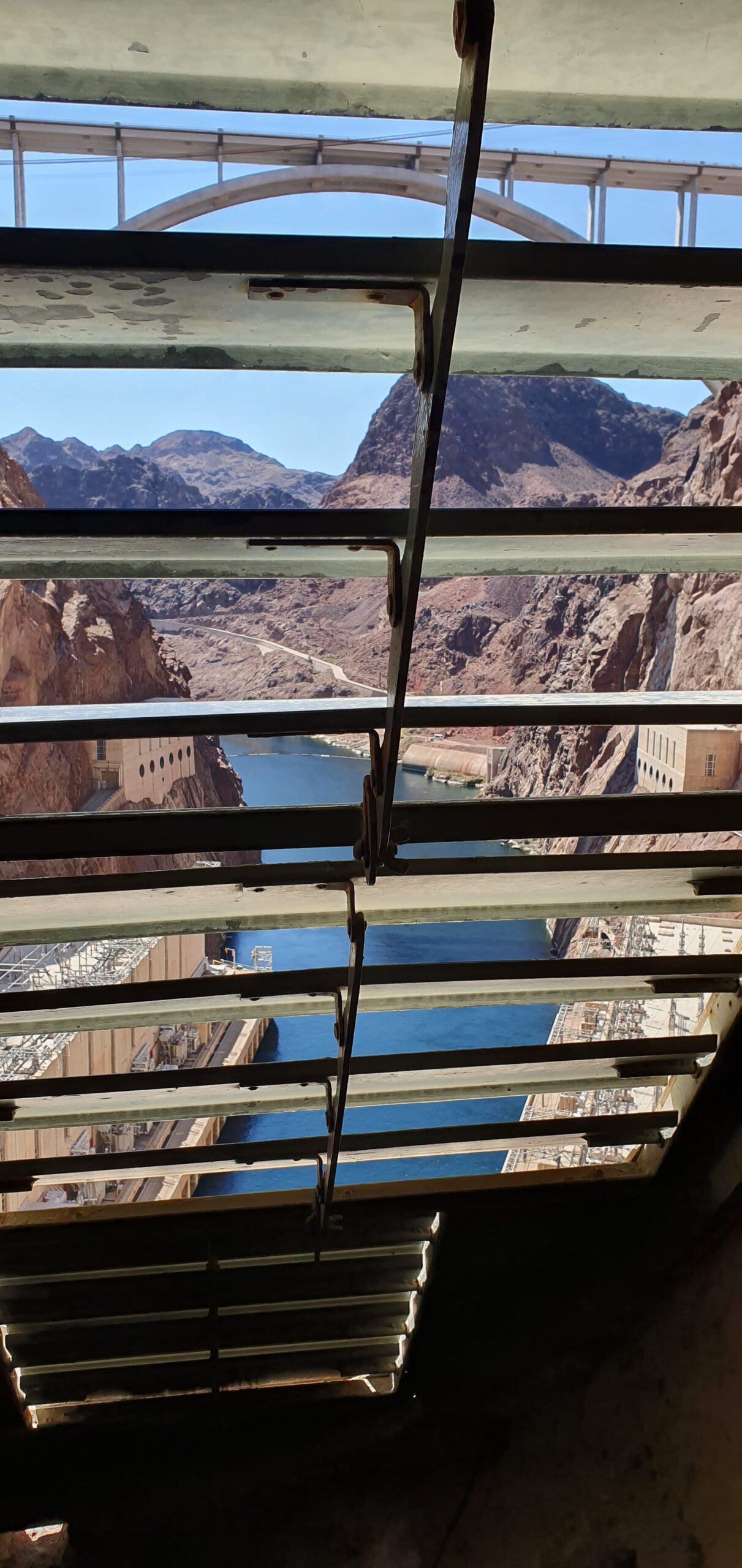
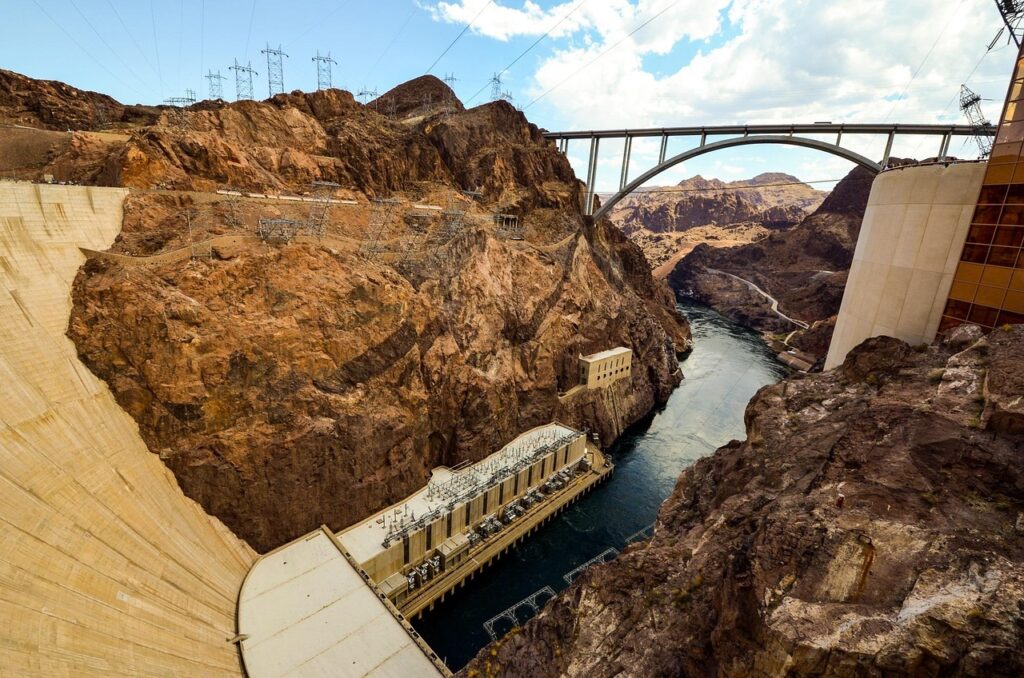
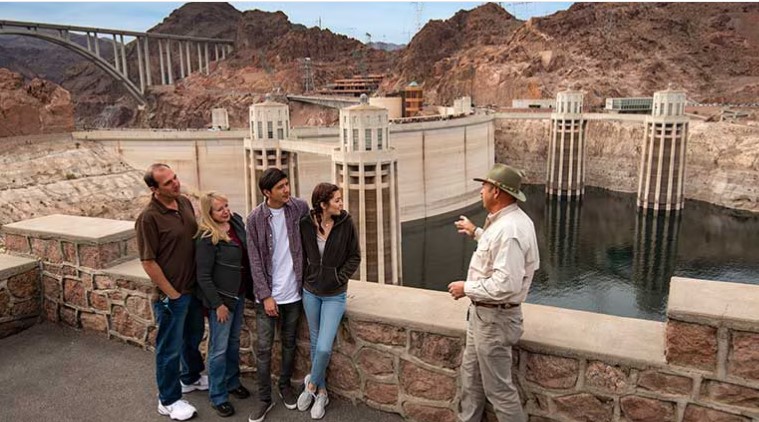
One of these Civil Engineering Wonders is the Hoover Dam, which remains one of the most iconic tourist destinations in the United States. Completed in 1936 during the depths of the Great Depression, the Hoover Dam was built to tame the volatile Colorado River, providing much-needed irrigation water and hydroelectric power to the burgeoning American Southwest. For the modern tourist, the dam is more than just a functional utility; it is a “shrine to the impossible.” The sheer scale of the structure—containing 3.25 million cubic yards of concrete—is difficult to comprehend until you are standing on its crest, looking down 726 feet to the river below. Straddling the rugged Black Canyon on the border between Nevada and Arizona, this Art Deco masterpiece was once the tallest dam in the world. Today, it attracts over seven million visitors annually, offering a unique blend of historical education, architectural beauty, and breathtaking natural vistas.

The “Must-See” Highlights

Beyond the official tours, two locations are essential for every visitor:

  • The Mike O’Callaghan–Pat Tillman Memorial Bridge: This bypass bridge sits 900 feet above the river. It features a pedestrian walkway that offers the famous “postcard view” of the Hoover Dam. It is free to access and located just a short drive from the dam’s main entrance.
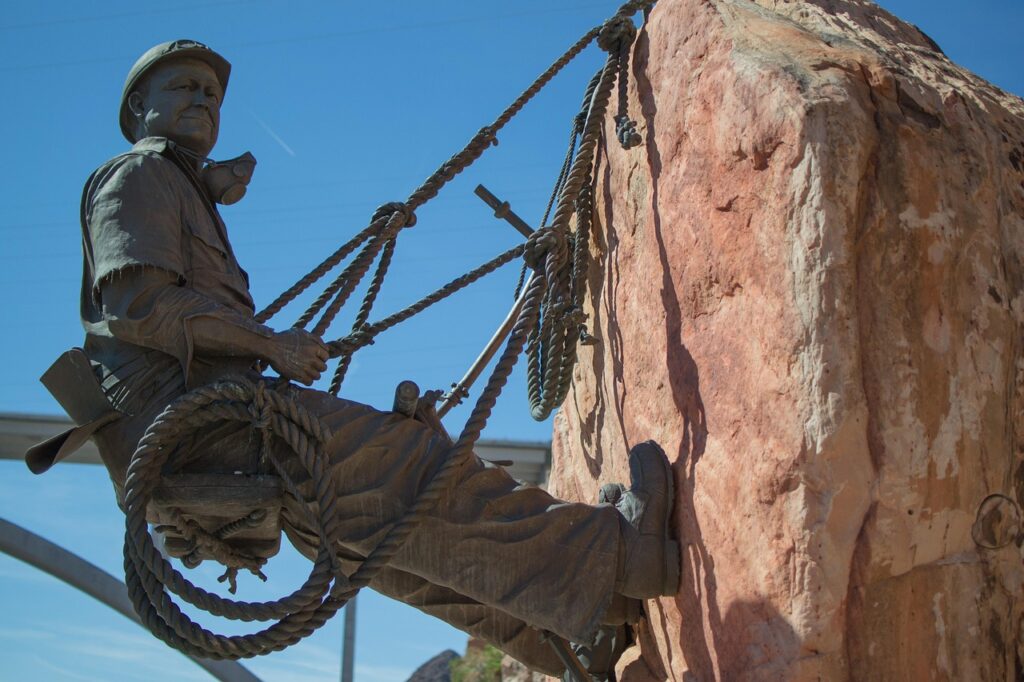
  • The Winged Figures of the Republic: These 30-foot tall bronze statues on the Nevada side are masterpieces of Art Deco design. Legend has it that rubbing the statues’ feet brings good luck—a tradition evidenced by the polished, shining bronze on their toes.
Accessibility and Getting There

The Hoover Dam is located approximately 30 miles (45 kilometers) southeast of Las Vegas, making it the perfect day trip for those staying on the Strip.

  • By Car: The drive from Las Vegas takes about 45 to 60 minutes via I-11 South. The journey is straightforward and scenic as you transition from the neon lights of the city to the red rocks of the Mojave Desert.
  • Parking: There is a large parking garage on the Nevada side (closest to the Visitor Center) which costs $10. For those on a budget, there are some free parking lots further up the hill on the Arizona side, though these require a longer walk to the dam.
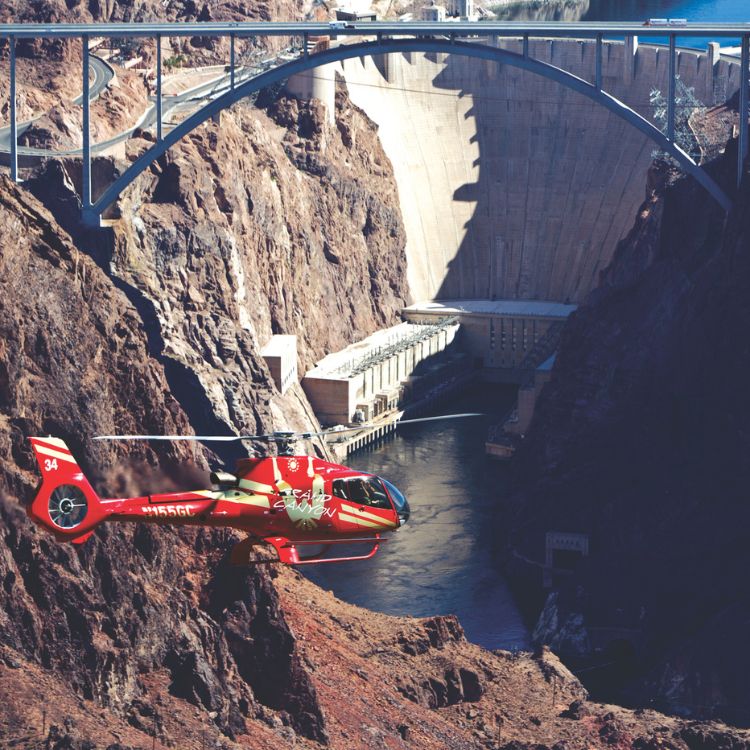
  • Tours from Las Vegas: Numerous tour operators offer bus, van, and even helicopter excursions from Las Vegas. These are excellent options for those who prefer not to drive, as they often include narrated history and stops at the Boulder City historic district.
Choosing Your Experience: Tours and Tickets

The Bureau of Reclamation offers three distinct ways to experience the dam. It is important to note that security is strict; all visitors must pass through a vehicle inspection checkpoint before reaching the dam.

  1. The Visitor Center ($10): This is the basic entry. It includes access to the narrated 3D model of the region’s water system, historical exhibits, and the observation deck. The deck provides the best vantage point for photographs of the dam and Lake Mead.
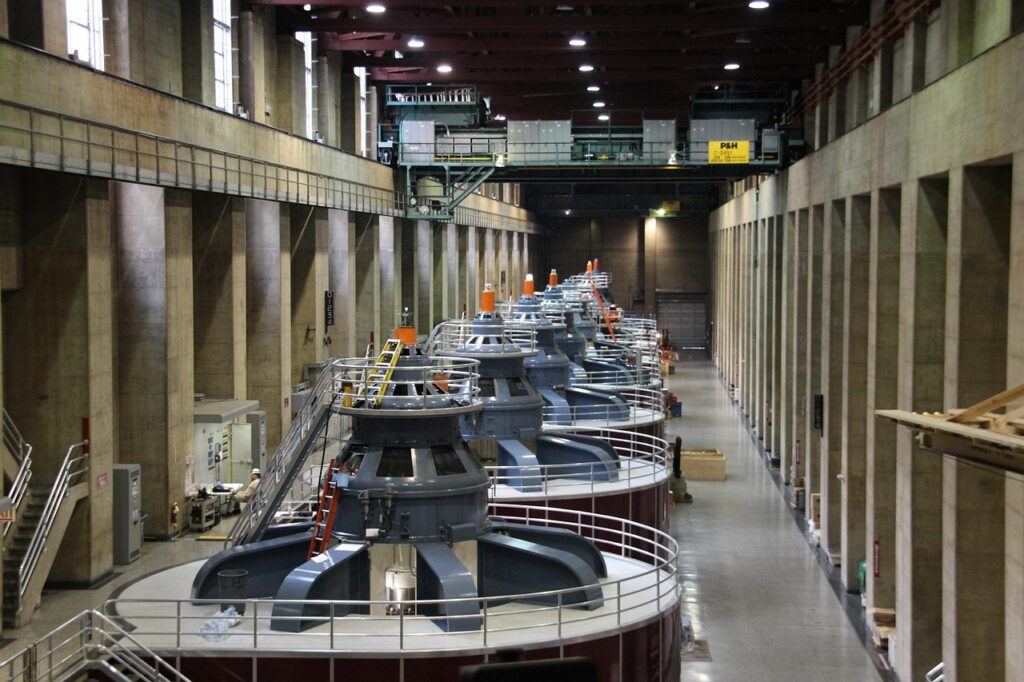
  2. The Guided Powerplant Tour ($15): This is the most popular choice. It includes the Visitor Center plus a trip down a 530-foot elevator into the canyon wall to see the massive generators. Walking through the original construction tunnels is a highlight for any history buff.
  3. The Guided Dam Tour ($30): This is the “Full Experience.” It includes everything in the Powerplant tour plus a guided walk through the internal inspection tunnels and ventilation shafts of the dam itself. Crucial Tip: These tickets are sold on-site only on a first-come, first-served basis and often sell out by 10:30 AM.
Best Time to Visit

Timing is everything when visiting the Mojave Desert.

  • Season: The best months are October through April. During the summer (June–August), temperatures at the dam frequently exceed 105°F (40°C). If you visit in summer, stay hydrated and limit your time outdoors.
  • Time of Day: Arrive early! The Visitor Center opens at 9:00 AM. Arriving by 8:30 AM ensures you get a parking spot in the garage and a chance to buy the coveted “Full Dam Tour” tickets.
  • The “Magic Hour”: The late afternoon light hitting the canyon walls is spectacular for photography, but remember that the last tour usually departs around 3:45 PM.
Practical Tips for Tourists
  • Security Restrictions: No large bags, backpacks, or luggage are allowed on tours. Leave these in your hotel or car.
  • Dress Code: Wear comfortable walking shoes. Even if you take the elevator, you will be doing a significant amount of walking on concrete surfaces.
  • Water and Food: There is a café on-site (The High Scaler Cafe), but prices are high. Bringing your own water bottle is highly recommended.
  • Time Zones: The dam is on the border of Nevada (Pacific Time) and Arizona (Mountain Standard Time). Arizona does not observe Daylight Saving Time, so the time may change as you walk across the dam depending on the month!

Related posts

The Beating Heart of Gotham

Grand Central Terminal is a world-famous landmark in Midtown Manhattan. Beyond its role as a transportation hub, it features a breathtaking celestial ceiling and the iconic Whisper Gallery. This architectural masterpiece serves as a bustling cultural center, welcoming millions of visitors who admire its historic charm and grand Beaux-Arts design.

Read More »

The Hoover Dam

The Hoover Dam is a bucket-list marvel that captivates visitors, offering awe-inspiring scale for children and rich, Depression-era history for enthusiasts. Its dramatic contrast between turquoise water and dark canyon walls provides endless inspiration for photographers . As a powerful symbol of engineering, it offers an impressive experience for all.

Read More »

Circuit of the Americas

For travelers who value engineering, atmosphere, and storytelling, a visit to the Circuit of the Americas is a highlight worth planning around. Whether you explore it through guided tours, VIP access, or immersive fan zones, COTA offers a rare opportunity to step inside the world of top-tier motorsport. It is truly an unforgettable Texan experience.

Read More »

The Last Frontier: Alaskan Cruises

An Alaskan cruise is a seamless way to explore a rugged wilderness that is otherwise difficult to access. By choosing a 7-day itinerary, packing the right waterproof layers, and budgeting for a balcony, you ensure a comfortable and awe-inspiring adventure through the majestic North. Bon voyage!

Read More »

The Ultimate American Road Trip

Route 66 is not about speed, it’s about the journey. It offers a rare opportunity to experience classic Americana, from friendly roadside cafes to vast desert landscapes and timeless small towns. It’s more than a highway—it’s a story that unfolds mile by mile.

Read More »

Journey to One of the World’s Wonders

The Grand Canyon Railway is more than just transportation—it’s a journey through history and nature to one of the world’s greatest natural wonders. From the historic Route 66 town of Williams to the breathtaking South Rim, passengers experience scenic beauty, comfort, and a touch of nostalgia. Is is an unforgettable and must-do experience!

Read More »

The Hoover Dam Read More »

Rimac Automobili

Rimac Automobili – Discover the Future of Electric Supercars in Croatia

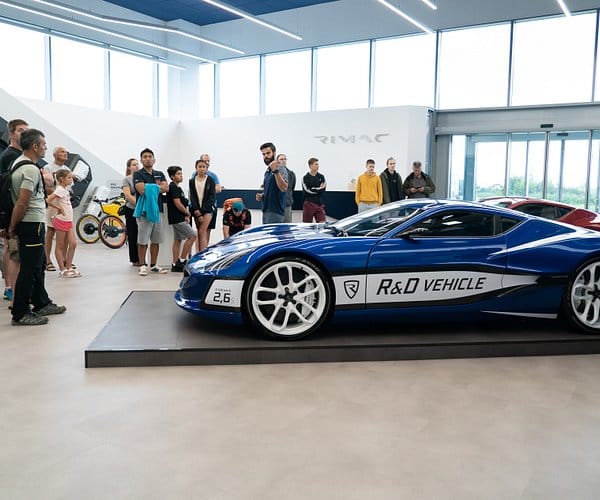
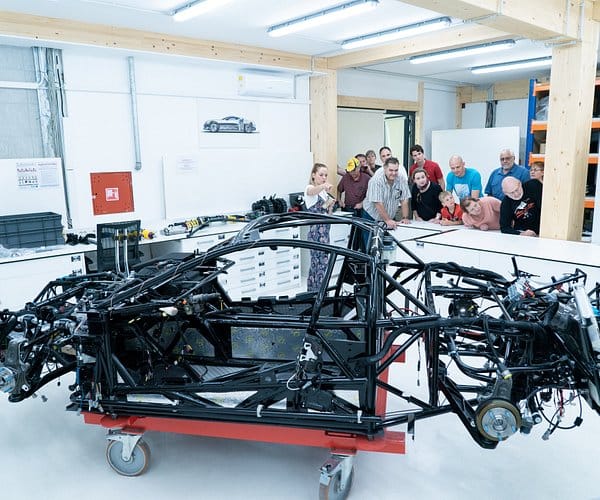
Croatia may be famous for its stunning Adriatic coastline and historic cities, but it is also home to a cutting-edge automotive marvelRimac Automobili. Located near Zagreb, Rimac is a world leader in high-performance electric supercars and automotive innovation

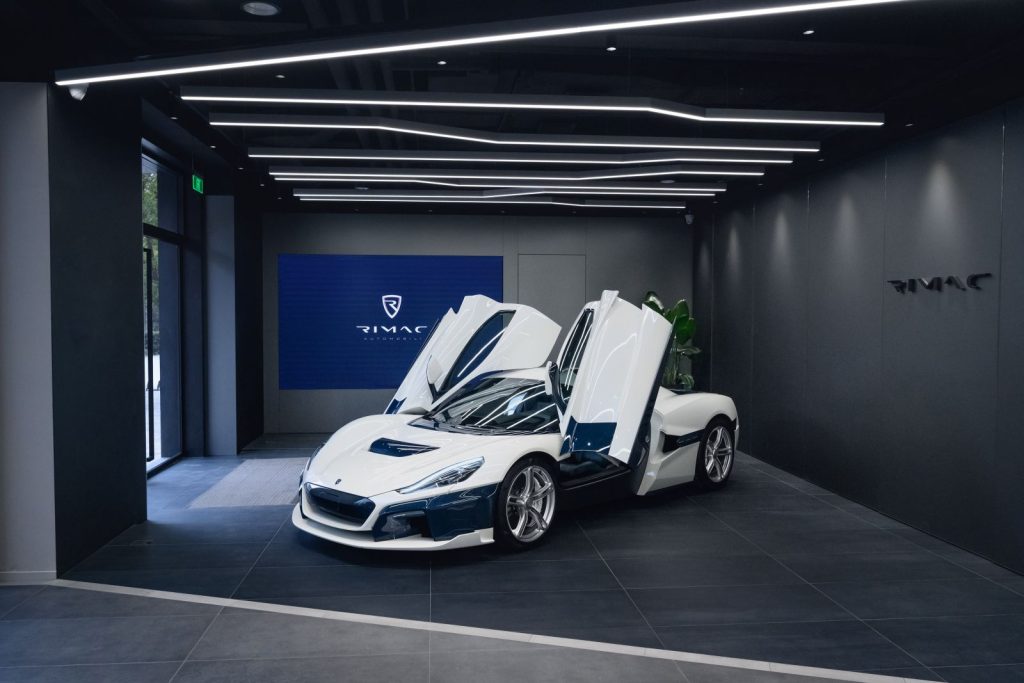
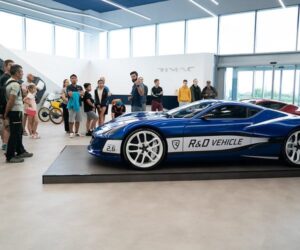
Founded in 2009 by Mate Rimac, Rimac Automobili began as a small startup in a garage and quickly grew into a global force in electric vehicle (EV) technology. Today, Rimac produces hypercars like the Nevera, which deliver 1,914 horsepower and speeds over 400 km/h, showcasing the extraordinary potential of electric performance. Rimac is also a supplier of EV technology to top automotive brands, including Porsche and Bugatti, solidifying its reputation as an innovation hub.

For car enthusiasts and technology lovers, a visit to Rimac offers an exclusive look into the future of mobility. Unlike traditional car factory tours, Rimac combines state-of-the-art engineering, sleek design, and sustainable technology, making it a must-visit destination for anyone fascinated by electric vehicles and automotive innovation.

What to Expect on a Rimac Factory or Experience Tour

A visit to Rimac offers a unique behind-the-scenes look at how cutting-edge electric supercars are designed and built. While public access may require booking in advance or attending special events, t

Engineering and Design Insight

Visitors learn about battery technology, electric drivetrains, and lightweight carbon fiber construction. The factory showcases the meticulous engineering required to create one of the fastest electric cars in the world.

 Production Line Observation

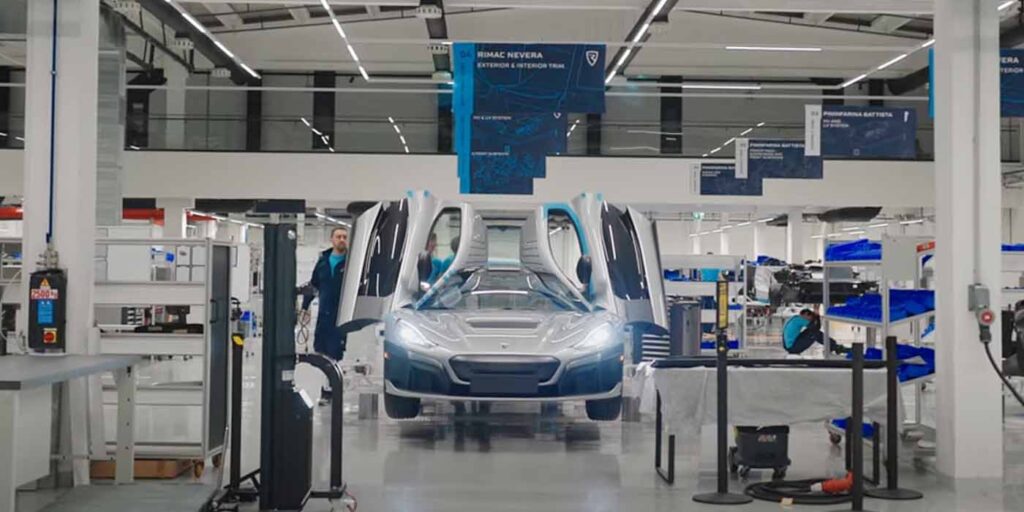
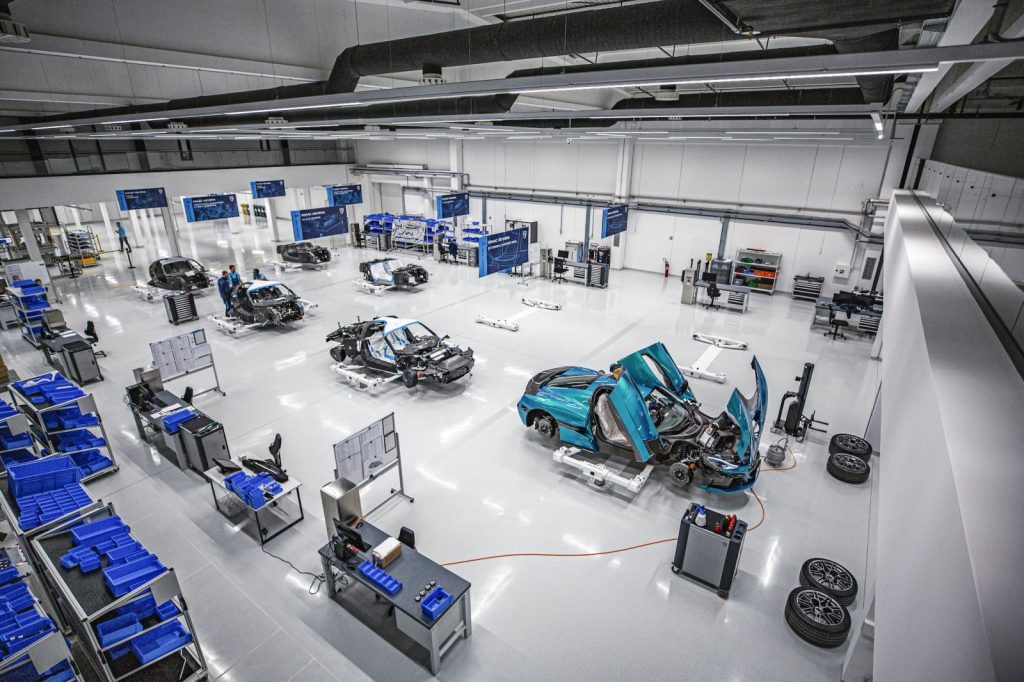
Guided tours allow guests to see the assembly of Rimac vehicles, including handcrafted interiors, precision assembly, and quality control. Every vehicle is a combination of engineering excellence and artistry.

Test Track Experience

Depending on the tour package, visitors may get the chance to experience Rimac’s vehicles on the test track, witnessing firsthand the acceleration, handling, and technology of electric hypercars.

Sustainability and Innovation

Rimac places strong emphasis on sustainable practices. Visitors learn about energy-efficient production processes, lightweight materials, and the environmental benefits of electric mobility.

Practical Visitor Information
  • Location: Sveta Nedelja, near Zagreb, Croatia
  • Price: A standard Factory Tour  is priced at approximately €30 for adults. For younger visitors, the tour is even more affordable, costing only €10 per person for those under the age of 18. Though premium packages featuring more in-depth technical insights are available for a higher fee. 
  • Tour Duration: 1–2 hours for factory and design overview; longer for test drive experiences
  • Languages: Tours available in English and Croatian
  • Best Time to Visit: By appointment, advanced booking recommended
  • Ideal For: Car enthusiasts, tech fans, automotive students, innovation tourists

Visitors are encouraged to book in advance, as access is limited due to the high-tech nature of the facility.

Why Rimac Automobili Is a Must-See

Rimac stands out as one of Europe’s most exciting automotive destinations because it offers:

  • A glimpse into the future of electric mobility
  • Hands-on insight into hypercar design and production
  • Exclusive experiences for car enthusiasts and engineers
  • Inspiration for innovation and sustainable technology

Unlike traditional auto factories, Rimac blends performance, technology, and luxury, making it a one-of-a-kind destination for travelers.

Related posts

Land of Stunning Coastlines

Croatia is a Mediterranean gem offering over 1,000 islands, crystal-clear waters, and ancient Roman history. From the breathtaking Plitvice waterfalls to the iconic walls of Dubrovnik, it blends natural beauty with vibrant culture. Whether sailing the Adriatic or exploring medieval towns, Croatia provides an unforgettable and diverse European escape.

Read More »

Rimac Automobili

A Rimac Automobili visit offers a deep immersion into high-performance electric innovation. From battery technology to the production of the Nevera, visitors witness the future of transportation. It is an extraordinary Croatian experience for tech enthusiasts and travelers alike, perfectly blending cutting-edge engineering with world-class design and sustainable speed.

Read More »

The Cradle of Civilization

A Mediterranean cruise is a celebration of life (La Dolce Vita). It is the perfect symphony of culture, history, and world-class cuisine. Whether you are sipping wine in a Spanish vineyard or watching the sunset over the Acropolis, this journey is guaranteed to nourish both your soul and your palate.

Read More »

Rimac Automobili Read More »

Guinness Dublin

Guinness Dublin: Brewery Visit Guide

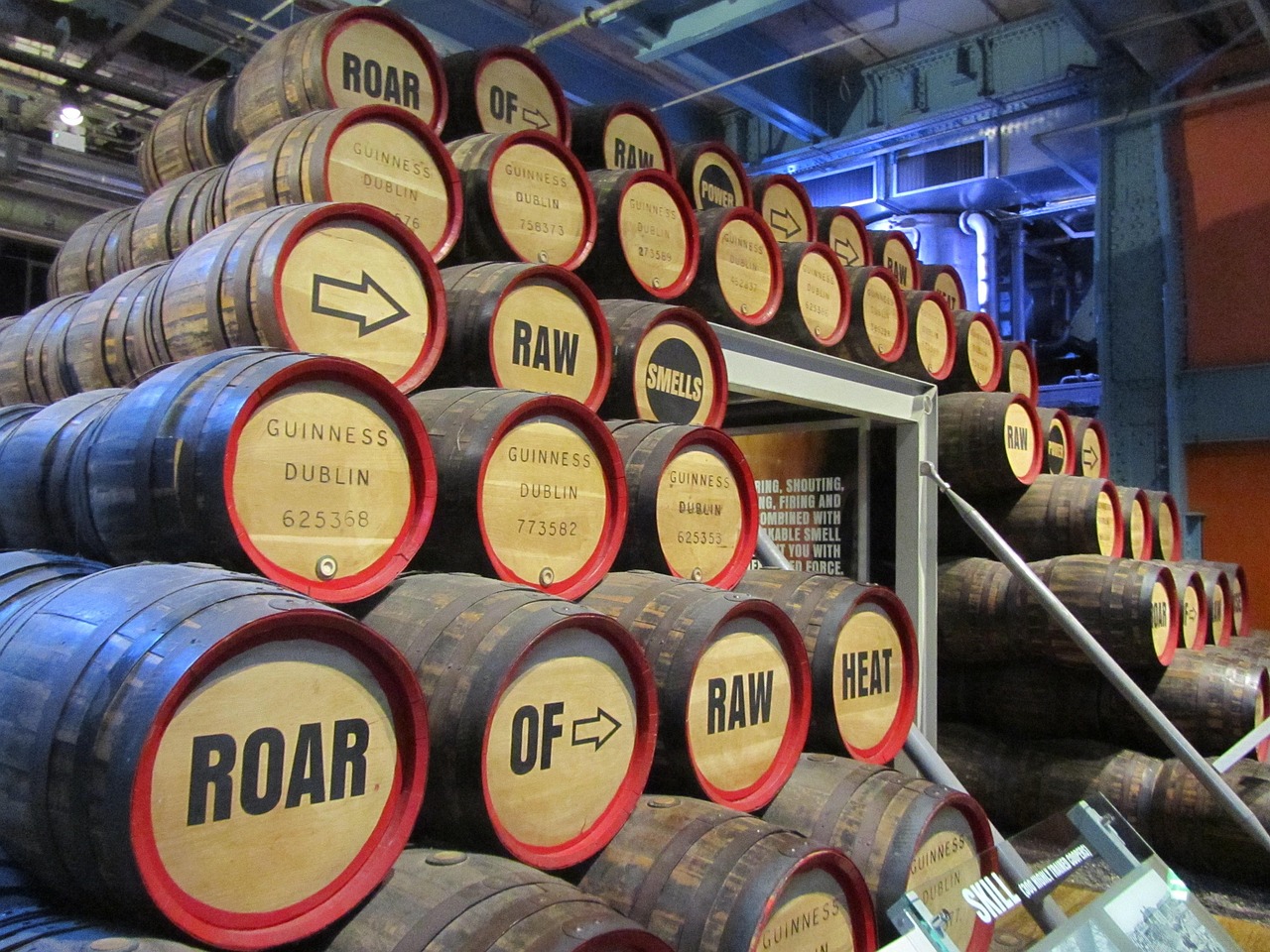
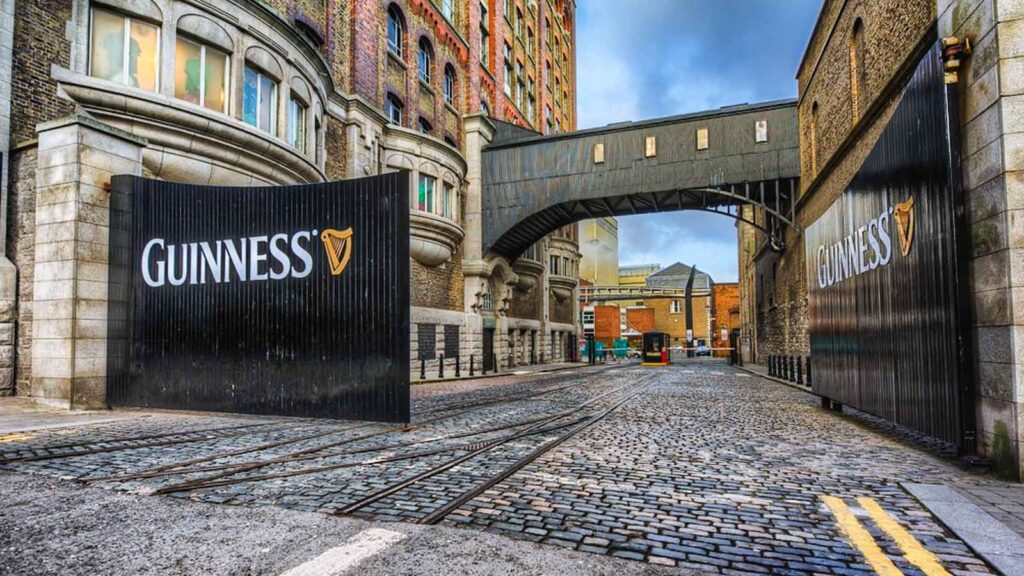
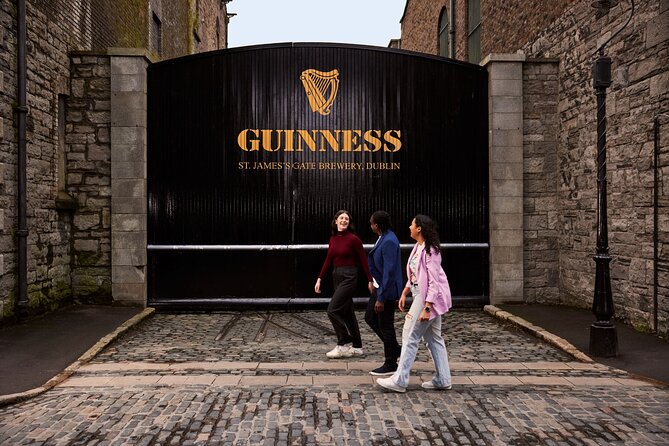
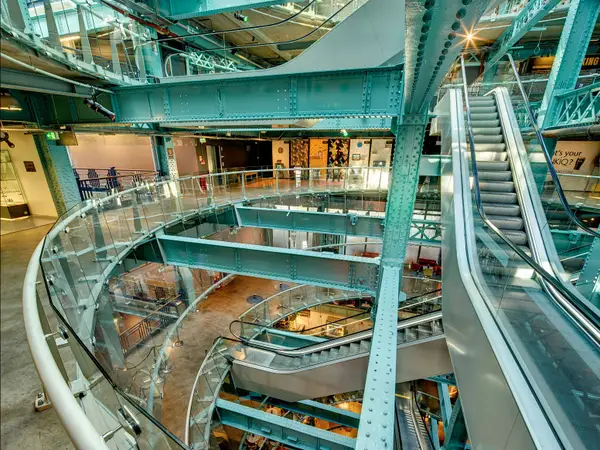
The story of Guinness in Dublin is not only one of industrial heritage and iconic architecture, but also of how a working brewery has been successfully opened to the public. Today, the St. James’s Gate complex combines active production, historical preservation, and one of Ireland’s most popular visitor experiences. Visiting Guinness in Dublin does not mean a classic factory tour where you walk through a fully operating production line. Instead, the main experience takes place at the Guinness Storehouse, a seven-floor visitor center located within the historic brewery complex.

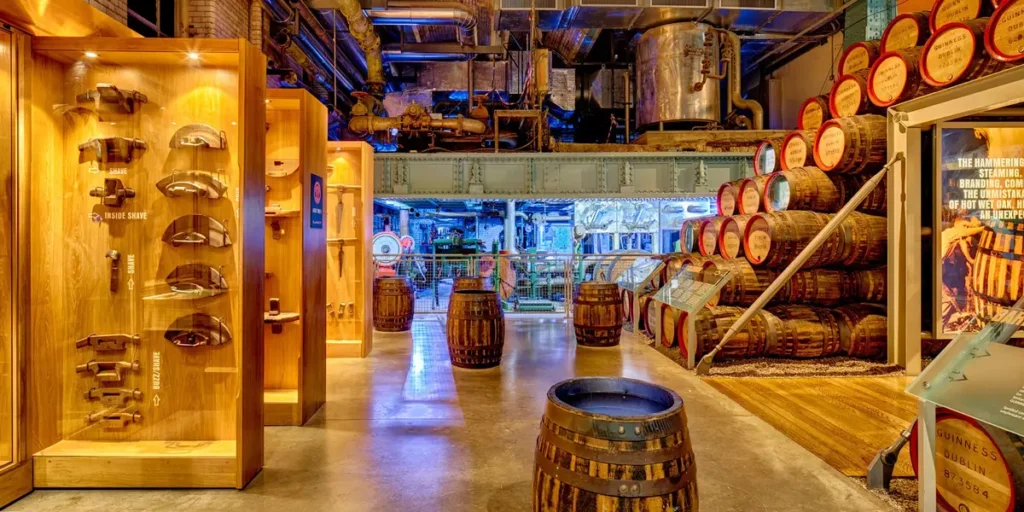
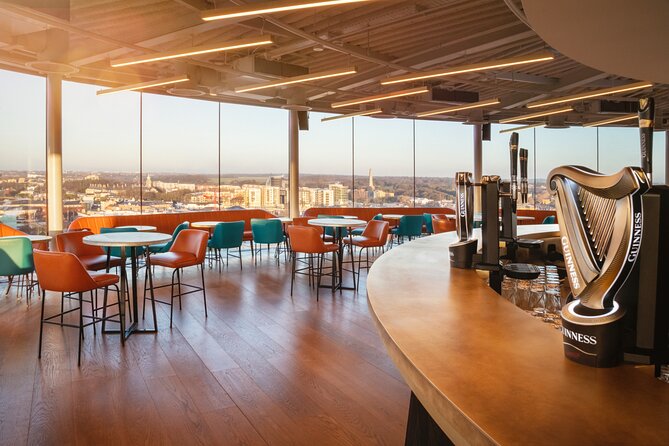
The Storehouse experience explains the brewing process, ingredients, quality control, logistics, and brand history through immersive exhibitions, large-scale installations, and interactive displays. While you are on an active brewery site, most production areas themselves are not open to the public for safety and operational reasons. That said, the presentation is detailed enough to give a solid understanding of how Guinness is made and how industrial-scale brewing works. Don’t skip the Gravity Bar—but expect crowds later in the day. Combine the visit with a walk along the Liffey or a stop at nearby historic districts.

Types of experiences available

There are several ways to visit, depending on how deep you want to go:

Standard Guinness Storehouse Ticket

Self-guided visit through all exhibition floors, ending with a complimentary pint of Guinness (or a soft drink) at the Gravity Bar.

Guinness Academy Experience

Includes Storehouse entry plus a short session where you learn how to pour the perfect pint under the guidance of a Guinness expert.

Premium or Guided Experiences

Small-group guided visits that add storytelling, tastings, or access to quieter areas. These vary by season and should be booked in advance.

Even the standard ticket usually takes 1.5–2 hours, while premium experiences can extend the visit to 2.5–3 hours.

Ticket prices and costs

Prices can vary slightly by season and demand, but as a general guideline:

Standard Storehouse ticket: approximately €26–30 per adult

Guinness Academy / premium experiences: typically €35–55

Children: reduced prices; under a certain age, entry may be free (without alcohol, of course)


Booking online in advance is strongly recommended. Walk-in tickets are sometimes available, but popular time slots—especially afternoons and weekends—often sell out.

Getting there: location and transport

The Guinness Storehouse is located at St. James’s Gate, just west of Dublin’s city center.

By foot

From Temple Bar or Trinity College, the walk takes around 20–25 minutes and passes through interesting older neighborhoods.

By public transport

Bus: Several Dublin Bus routes stop nearby (for example routes serving James’s Street).

LUAS (tram): The Red Line stops at St. James’s or Heuston, both within walking distance.

By car

Parking in the immediate area is limited, and driving in central Dublin can be slow. Public transport or walking is usually the better option.

When is the best time to visit?

Timing can make a big difference to your experience.

Best days: Tuesday to Thursday tend to be quieter than weekends.

Best time of day: Early morning slots are calmer and allow you to explore at your own pace. Late afternoons are busier, especially at the Gravity Bar.

Best season: Spring and autumn offer a good balance of visitor numbers and weather. Summer is lively but crowded, while winter is quieter but has shorter opening hours.

If panoramic views are important to you, try to visit on a clear day—the Gravity Bar offers one of the best skyline views in Dublin.

Is it worth visiting?

If you are looking for a technical, behind-the-scenes factory tour, the Guinness Storehouse may feel more curated than industrial. However, if you are interested in how manufacturing, branding, architecture, and tourism intersect, it is an excellent example of how an active industrial site can be opened to the public without losing its identity.

For travelers interested in industrial heritage, manufacturing culture, or iconic brands, Guinness offers one of Europe’s most polished and informative experiences. It also works well even for visitors who are not heavy beer drinkers—the story is as much about engineering, logistics, and urban development as it is about stout.

Related posts

The Art of Living Well

Italy is a timeless destination that rewards travellers with unforgettable experiences, rich culture, and exceptional cuisine. Whether visiting for the first time or returning again, it remains one of the most satisfying countries to explore in the world. From high-speed rail to coastal drives, every journey reveals breathtaking, historic wonders.

Read More »

The Hidden World of Venetian Masks

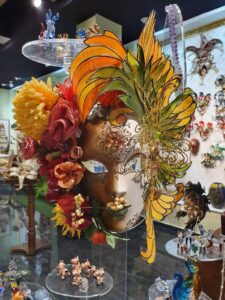
Located in the historic Albanian city of Shkodër, the Venice Art Mask Factory is a handcrafted mask workshop and showroom specializing in traditional Venetian carnival masks. Despite its name, this is not a mass-production factory, but rather an artisan space where skilled craftsmen create masks using traditional techniques passed down through generations.

Read More »

The Heart of Venetian Glass Art

Murano’s 700-year glassmaking tradition is a pinnacle of European craftsmanship. More than a tourist hub, the island hosts active furnaces where masters use ancestral techniques to transform molten glass into intricate sculptures and vessels. This living heritage preserves a legacy of artistic excellence passed down through centuries of Venetian history.

Read More »

Swiss Mountain Tracks

While the Orient Express emphasizes opulence and formal elegance, the Bernina Express prioritizes natural splendor and engineering marvels. Trading fine dining for panoramic views, it offers a premier “slow travel” experience. It is perfect for adventurers valuing immersive Alpine landscapes and historic viadcuts over traditional onboard luxury.

Read More »

The Cradle of Civilization

A Mediterranean cruise is a celebration of life (La Dolce Vita). It is the perfect symphony of culture, history, and world-class cuisine. Whether you are sipping wine in a Spanish vineyard or watching the sunset over the Acropolis, this journey is guaranteed to nourish both your soul and your palate.

Read More »

Temple of Speed Monza

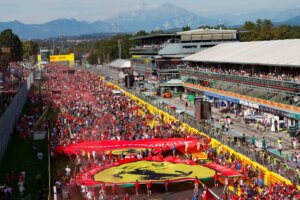
The Autodromo Nazionale Monza is one of the most hallowed venues in motorsport, home to the Italian Grand Prix and often referred to as the “Temple of Speed” (Tempio della Velocità). The circuit tour allows fans to literally follow in the footsteps of legends.

Read More »

Guinness Dublin Read More »

The Hidden World of Venetian Masks

The Hidden World of Venetian Masks in Shkodër

When travelers think of Albania, pristine beaches, rugged mountains, and ancient ruins usually come to mind. However, northern Albania offers a truly unexpected cultural experience: a visit to the Venice Art Mask Factory in Shkodër. This unique workshop combines fine craftsmanship, Italian tradition, and Albanian creativity, making it one of the most unusual and memorable attractions in the country.

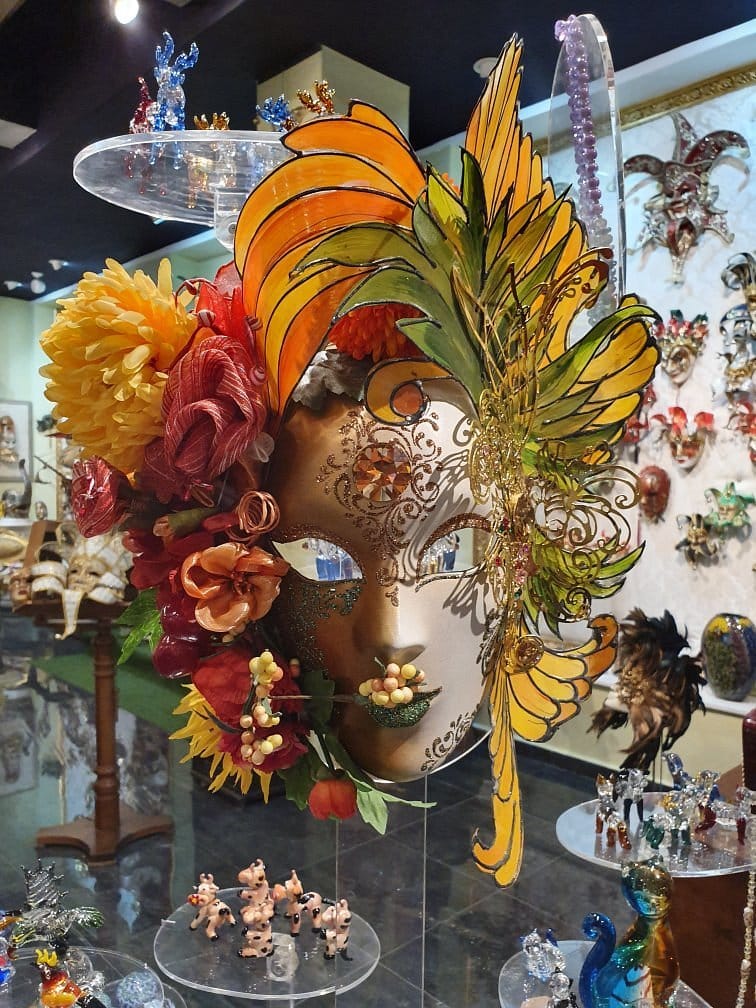
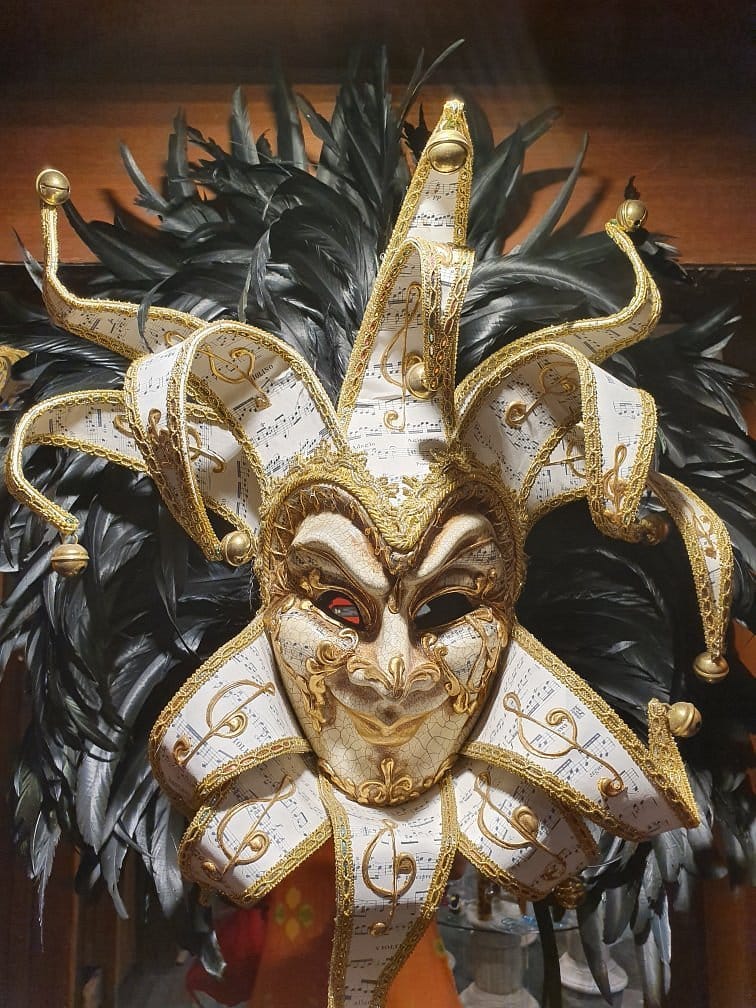
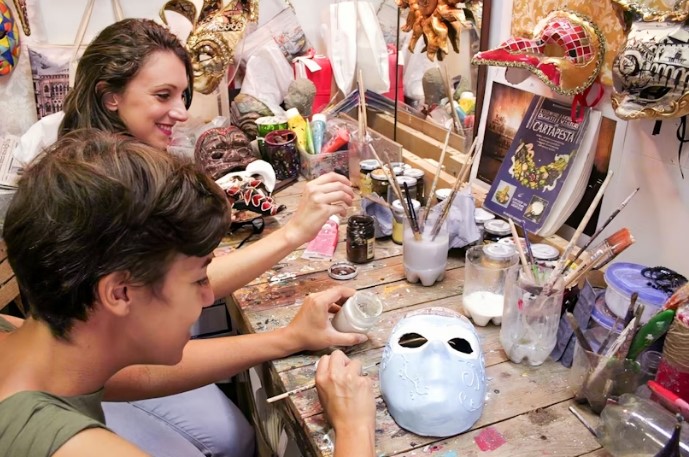
Located in the historic city of Shkodër, the Venice Art Mask Factory is a handcrafted mask workshop and showroom specializing in traditional Venetian carnival masks. Despite its name, this is not a mass-production factory, but rather an artisan space where skilled craftsmen create masks using traditional techniques passed down through generations. The workshop was founded by an Albanian artist who studied and worked in Venice, mastering the centuries-old art of mask making. After returning to Albania, he established this workshop to preserve and share the tradition while training local artisans.

What Makes the Venice Art Mask Factory Special?

Unlike souvenir shops that sell factory-made replicas, the Venice Art Mask Factory produces authentic, hand-decorated masks using classic materials such as papier-mâché, plaster, and natural pigments. Many designs follow traditional Venetian styles, including:

  • Bauta masks
  • Colombina masks
  • Volto masks
  • Commedia dell’arte character masks

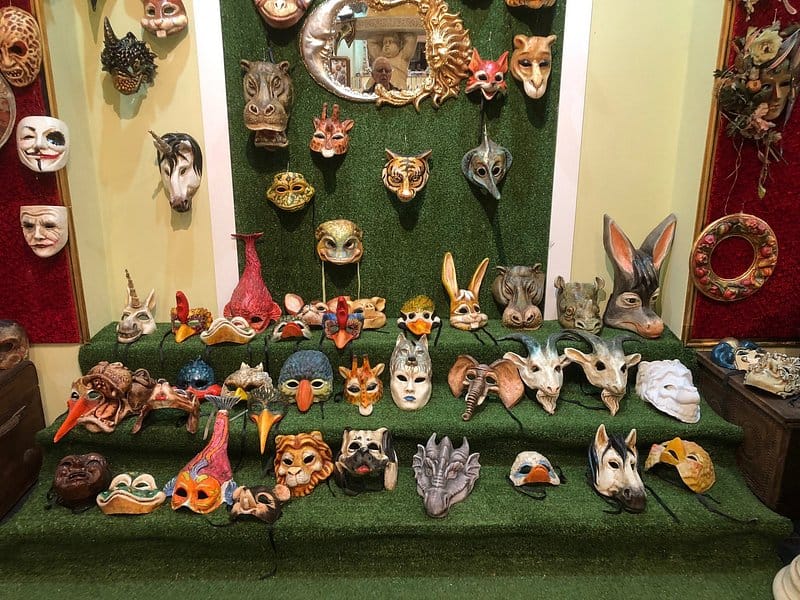
Each piece is individually painted and decorated, often featuring gold or silver leaf, feathers, crystals, and intricate patterns. No two masks are exactly the same, which makes them highly sought-after by collectors and art lovers.

What to Expect During a Visit

A visit to the Venice Art Mask Factory offers travelers a behind-the-scenes look at the artistic process. Visitors can:

  • Observe artisans shaping, painting, and decorating masks by hand
  • Learn about the history of Venetian masks and their symbolic meanings
  • Explore a showroom that resembles a small museum
  • Purchase unique masks directly from the workshop

The experience is informal and welcoming, allowing visitors to ask questions and gain insight into a rare and fascinating craft.

Practical Information for Visitors
  • Location: Shkodër, northern Albania
  • Type: Artisan workshop, showroom, and cultural attraction
  • Visit style: Self-guided or informal guided explanation
  • Languages: English usually available
  • Duration: 30–60 minutes
  • Booking: Not always required, but recommended for groups

Shkodër is one of Albania’s most culturally rich cities,
known for its artistic heritage and historical landmarks. The Venice Art Mask Factory is easily accessible on foot or by a short taxi ride. Entrance is often free, with the option to support the artisans by purchasing a handcrafted mask.

Why Visit the Venice Art Mask Factory?

The Venice Art Mask Factory in Albania offers something truly different from typical tourist attractions. It blends Italian artistic tradition with Albanian craftsmanship, creating a cultural bridge between two countries. For travelers interested in art tourism, craftsmanship, and unique cultural experiences, this workshop is a must-see.

Whether you are an art lover, photographer, or simply curious traveler, a visit to the Venice Art Mask Factory in Shkodër provides an authentic and inspiring glimpse into a disappearing art form—right in the heart of Albania.

Related posts

The Art of Living Well

Italy is a timeless destination that rewards travellers with unforgettable experiences, rich culture, and exceptional cuisine. Whether visiting for the first time or returning again, it remains one of the most satisfying countries to explore in the world. From high-speed rail to coastal drives, every journey reveals breathtaking, historic wonders.

Read More »
The Hidden World of Venetian Masks

Located in the historic Albanian city of Shkodër, the Venice Art Mask Factory is a handcrafted mask workshop and showroom specializing in traditional Venetian carnival masks. Despite its name, this is not a mass-production factory, but rather an artisan space where skilled craftsmen create masks using traditional techniques passed down through generations.

Read More »

The Heart of Venetian Glass Art

Murano’s 700-year glassmaking tradition is a pinnacle of European craftsmanship. More than a tourist hub, the island hosts active furnaces where masters use ancestral techniques to transform molten glass into intricate sculptures and vessels. This living heritage preserves a legacy of artistic excellence passed down through centuries of Venetian history.

Read More »
Swiss Mountain Tracks

While the Orient Express emphasizes opulence and formal elegance, the Bernina Express prioritizes natural splendor and engineering marvels. Trading fine dining for panoramic views, it offers a premier “slow travel” experience. It is perfect for adventurers valuing immersive Alpine landscapes and historic viadcuts over traditional onboard luxury.

Read More »
The Cradle of Civilization

A Mediterranean cruise is a celebration of life (La Dolce Vita). It is the perfect symphony of culture, history, and world-class cuisine. Whether you are sipping wine in a Spanish vineyard or watching the sunset over the Acropolis, this journey is guaranteed to nourish both your soul and your palate.

Read More »
Temple of Speed Monza

The Autodromo Nazionale Monza is one of the most hallowed venues in motorsport, home to the Italian Grand Prix and often referred to as the “Temple of Speed” (Tempio della Velocità). The circuit tour allows fans to literally follow in the footsteps of legends.

Read More »
The Hidden World of Venetian Masks Read More »
The Heart of Venetian Glass Art

Italy’s Legendary Island Murano – The Heart of Venetian Glass Art

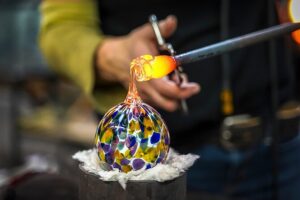
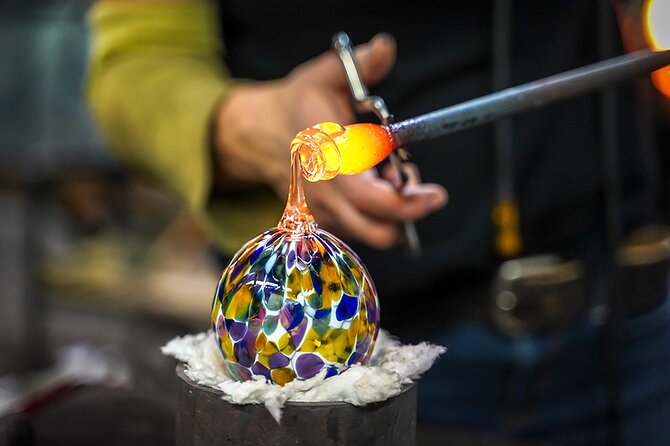
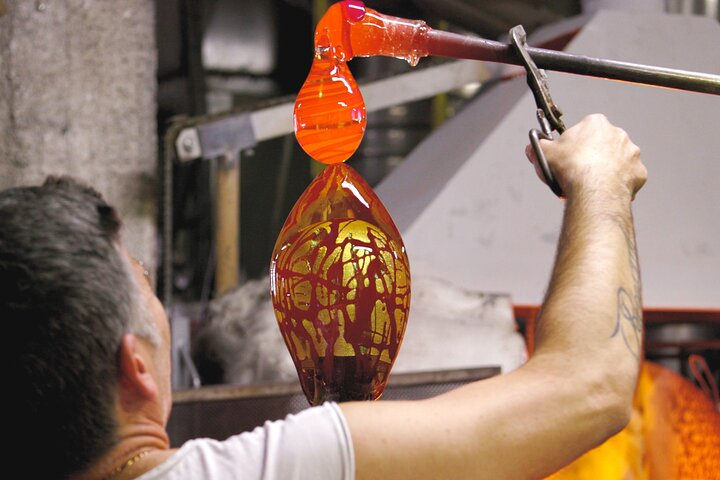
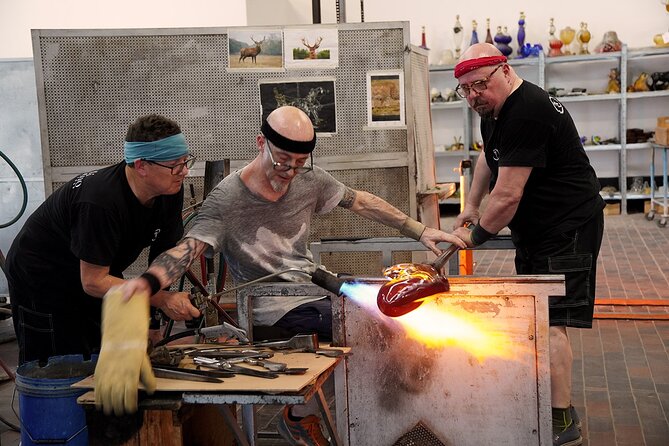
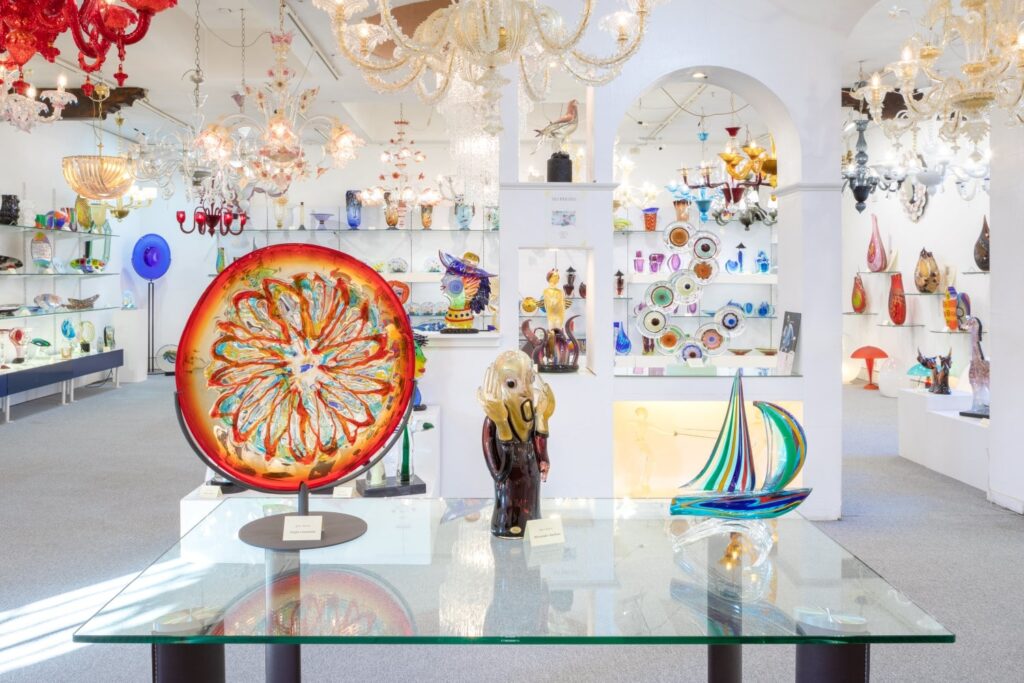
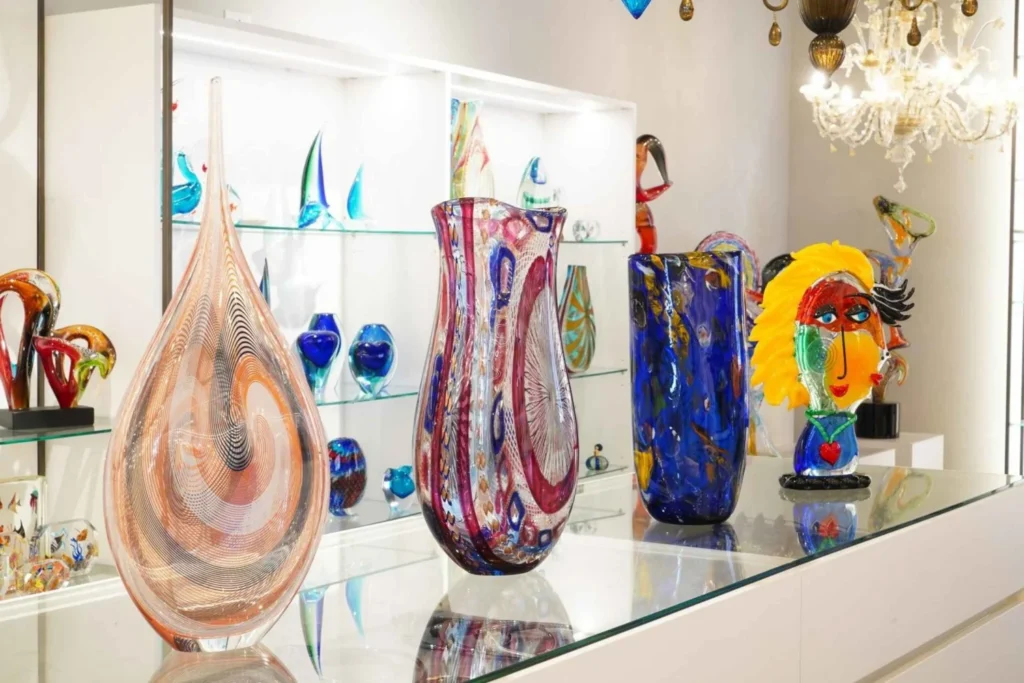
Murano’s glassmaking tradition dates back over 700 years and remains one of the most iconic examples of artisanal manufacturing in Europe. Far from being just a souvenir destination, Murano is still home to working glass furnaces where seasoned artisans shape molten glass into delicate vessels, sculptures, and bespoke designs using age-old techniques passed down through generations.

For anyone interested in craftsmanship and material science, a visit to Murano offers a front-row view of complex, skill-driven production: from furnace operations to shaping, finishing, and surface detailing. Workshop visits illuminate how factors like temperature control, timing, and master-level coordination are essential in producing glass that is both beautiful and structurally sound.

To reach a Murano glass factory tour in 2026, you must travel by boat from Venice or the airport. Murano is an island in the Venetian lagoon and is not connected to the mainland by bridges.

Visitor Experience & Costs

Visiting Murano’s glass workshops can range from a quick demonstration to a fully guided manufacturing tour or even a hands-on class where you create your own piece.


Factory Tour with Glassblowing Demonstration

  • Typical cost: approx. €25–€35 per person for guided factory tours featuring live demonstrations of glassblowing.
  • What you see: Furnace operations, master artisans at work, and explanations of techniques from raw materials to finished objects.
  • Duration: Often 60–90 minutes, with options available on platforms like TripAdvisor and travel sites.
  • Some tours include a discount or credit for purchases in the factory showroom.

This type of tour is ideal for manufacturing enthusiasts who want a deeper understanding of process and technique behind Murano glass rather than a simple street-side demonstration.

Some glass studios on the island also offer short live demos or viewing opportunities with minimal fees, sometimes around €5–€15.
These are a great entry point if you simply want to see masters at work without a formal tour.


Glassblowing Workshops (Hands-On)

Beyond observation, there are more immersive experiences where you engage directly with the craft:

  • Beginner hands-on classes: starting from about €245 per person for sessions where you work alongside a master to create a custom piece.
  • Private or extended workshop sessions: these can vary widely in cost depending on duration, object complexity, and instructor involvement.

These more intensive workshops are usually booked in advance and often fill up quickly, especially in peak tourist months.

Top Glass Factory Recommendations


  • Wave Murano Glass: Offers an “open door” policy where you can see real glassblowing for free. Located at Fondamenta da Mula, 152.
  • Original Murano Glass OMG®: Provides dedicated guided tours with master glassblowers. Located near the Murano Faro stop.
  • Vetreria Artistica Colleoni: Popular for 2-hour escorted tours and hands-on workshops.
  • Vetreria Murano Arte (VMA): Offers simple demonstrations for a small fee (approx. €3) with no sales pressure.
Getting There
Public Transportation (Vaporetto)

Taking the ACTV water bus is the most common and affordable method.

  • From Venice Santa Lucia Train Station or Piazzale Roma: Take Line 3 (the express route), which arrives at Murano in approximately 20 minutes.
  • From Fondamente Nove: Take Line 12 (15 minutes) or lines 4.1/4.2, which are circular routes serving various points in Venice.
  • From St. Mark’s Square: Use Line 4.1 or the seasonal Line 7.
  • Cost: A single 75-minute ticket is €9.50. A 24-hour travel card for unlimited rides is €25.

From Marco Polo Airport (Alilaguna)

  • The Blue Line connects the airport directly to the Murano Colonna stop in about 30 minutes.
  • The Red Line is a seasonal summer service that also stops at Murano. 

Private Options

  • Water Taxi: This is the fastest method (roughly 10 minutes from Venice), costing between €70 and €120 per trip.

Hotel Shuttle: Many high-end hotels offer free private boat transfers to specific glass factories. 

Note: These often include sales pressure to purchase glass from that specific showroom.

Why Murano Matters in Manufacturing

Murano exemplifies the persistence of skill-intensive traditional manufacturing within a modern tourist context. The island’s workshops illustrate how material science (glass composition and kiln conditions), precision handling, and generational craft knowledge still play a central role in producing high-quality artisanal goods — a powerful counterpoint to mass production that’s well worth exploring for anyone interested in manufacturing processes.

Related posts

The Art of Living Well

Italy is a timeless destination that rewards travellers with unforgettable experiences, rich culture, and exceptional cuisine. Whether visiting for the first time or returning again, it remains one of the most satisfying countries to explore in the world. From high-speed rail to coastal drives, every journey reveals breathtaking, historic wonders.

Read More »
The Heart of Venetian Glass Art

Murano’s 700-year glassmaking tradition is a pinnacle of European craftsmanship. More than a tourist hub, the island hosts active furnaces where masters use ancestral techniques to transform molten glass into intricate sculptures and vessels. This living heritage preserves a legacy of artistic excellence passed down through centuries of Venetian history.

Read More »
Swiss Mountain Tracks

While the Orient Express emphasizes opulence and formal elegance, the Bernina Express prioritizes natural splendor and engineering marvels. Trading fine dining for panoramic views, it offers a premier “slow travel” experience. It is perfect for adventurers valuing immersive Alpine landscapes and historic viadcuts over traditional onboard luxury.

Read More »
The Cradle of Civilization

A Mediterranean cruise is a celebration of life (La Dolce Vita). It is the perfect symphony of culture, history, and world-class cuisine. Whether you are sipping wine in a Spanish vineyard or watching the sunset over the Acropolis, this journey is guaranteed to nourish both your soul and your palate.

Read More »
Temple of Speed Monza

The Autodromo Nazionale Monza is one of the most hallowed venues in motorsport, home to the Italian Grand Prix and often referred to as the “Temple of Speed” (Tempio della Velocità). The circuit tour allows fans to literally follow in the footsteps of legends.

Read More »
Timeless Journey

Rome’s historic center (Centro Storico) is a living, breathing museum. It is home to iconic landmarks like the Pantheon and the Trevi Fountain. Narrow, cobblestone streets lead from Renaissance palaces to Baroque piazzas. As of 2026, the center is largely a pedestrianized zone, successfully preserving its timeless, authentic atmosphere.

Read More »

The Heart of Venetian Glass Art Read More »

The Magic of Swarovski

Discover the Magic of Swarovski Crystal Worlds in Austria

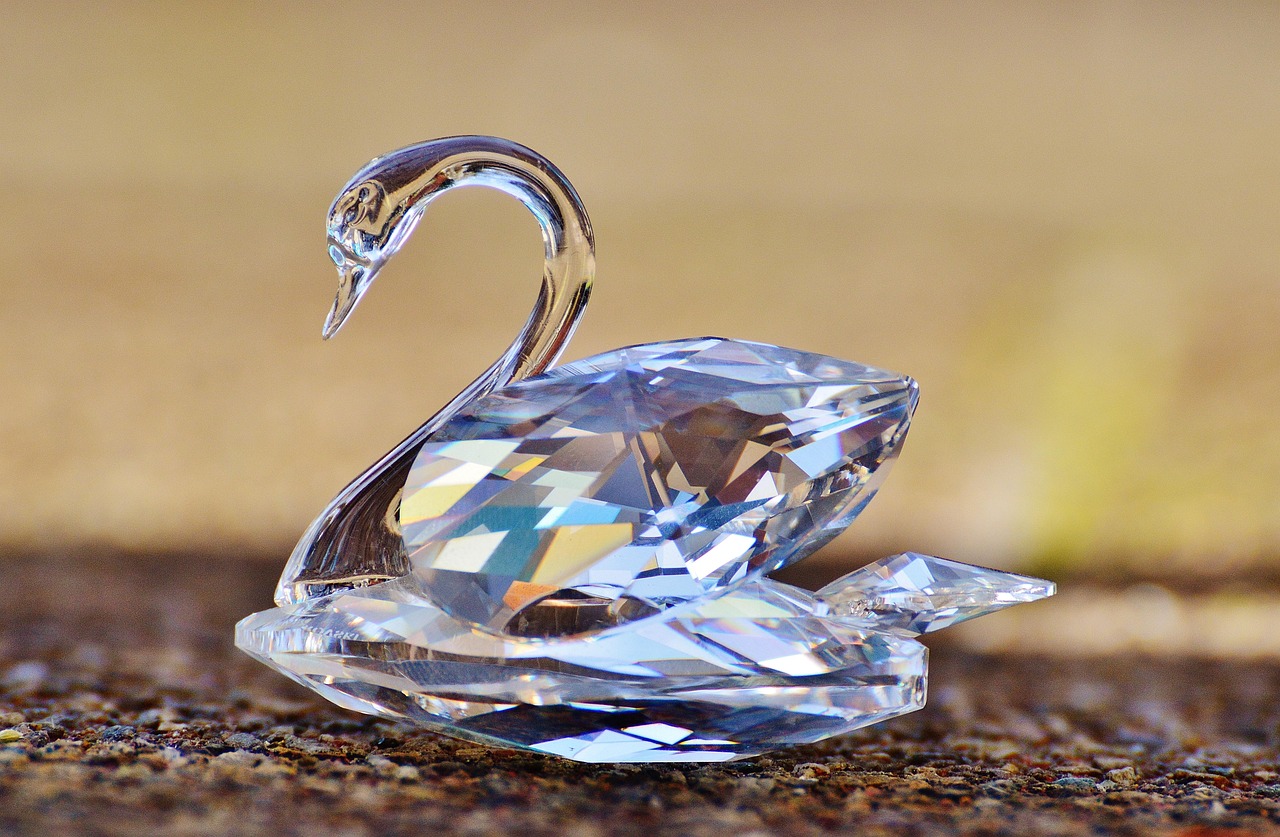
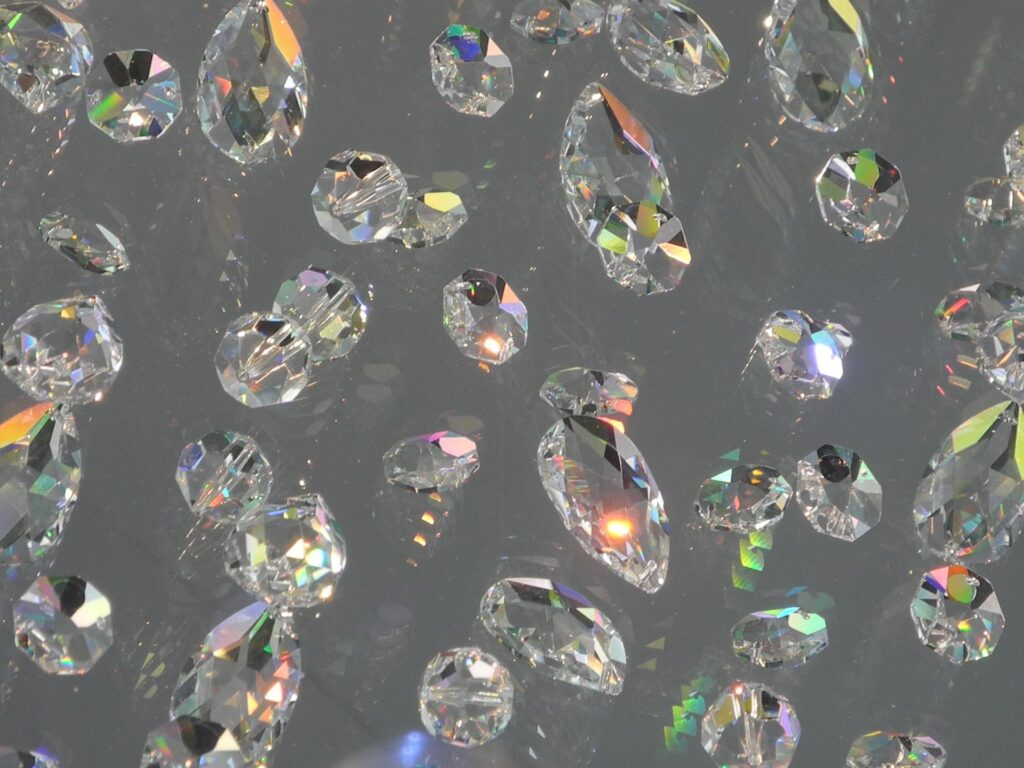
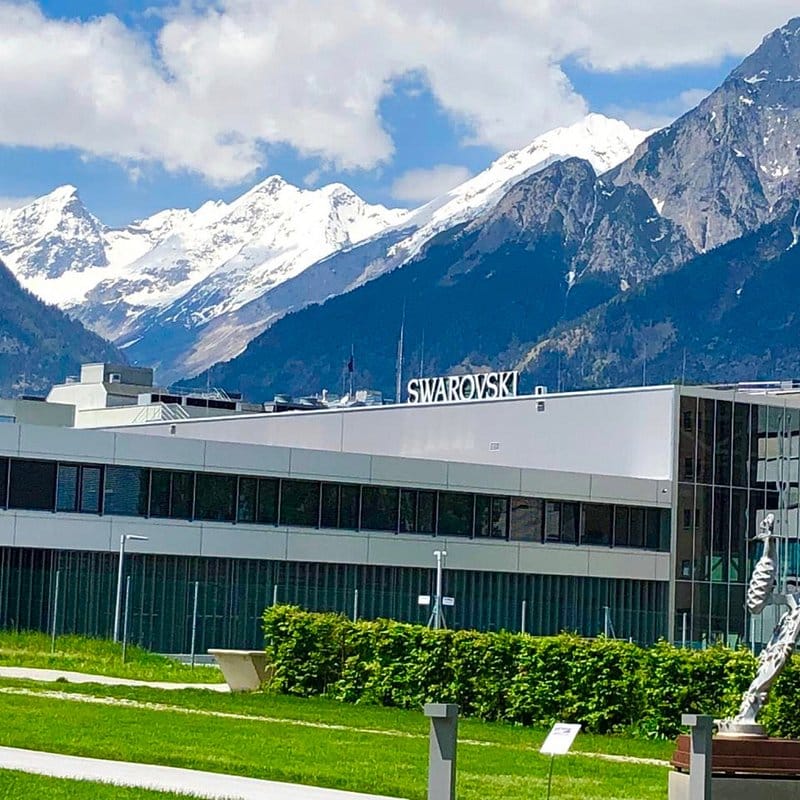
Austria is known for its breathtaking landscapes, rich culture, and luxury craftsmanship — and few attractions capture all of these like the Swarovski Crystal Worlds in Wattens, Tyrol. More than just a factory visit, this immersive experience combines art, design, and the wonder of crystal, making it a must-see destination for families, tourists, and design enthusiasts.

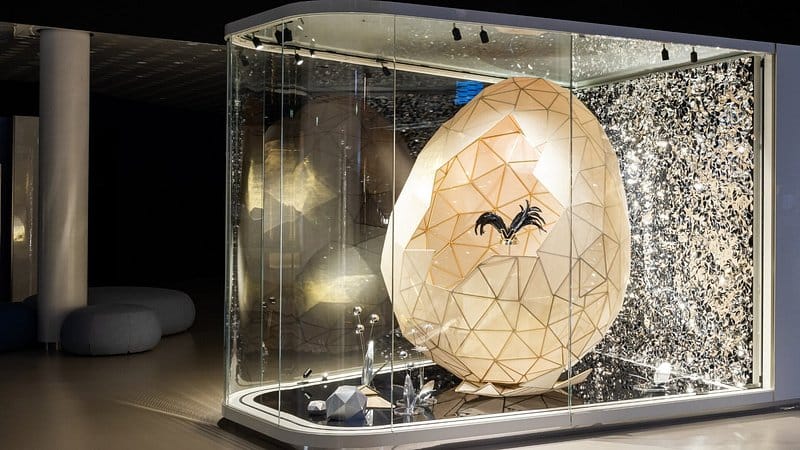
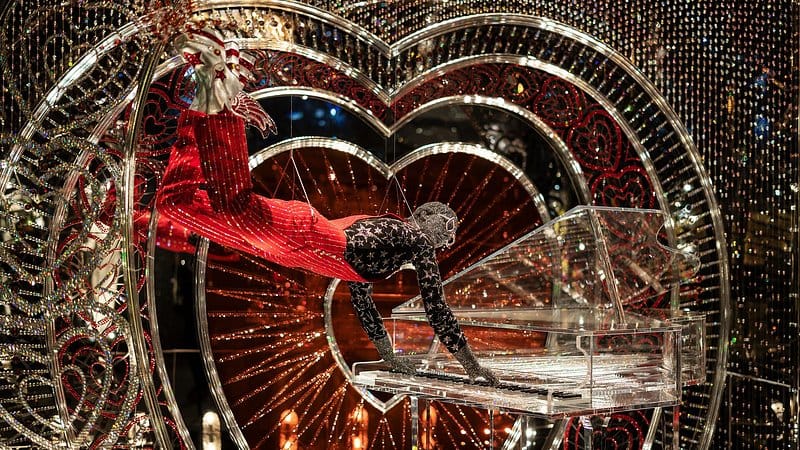
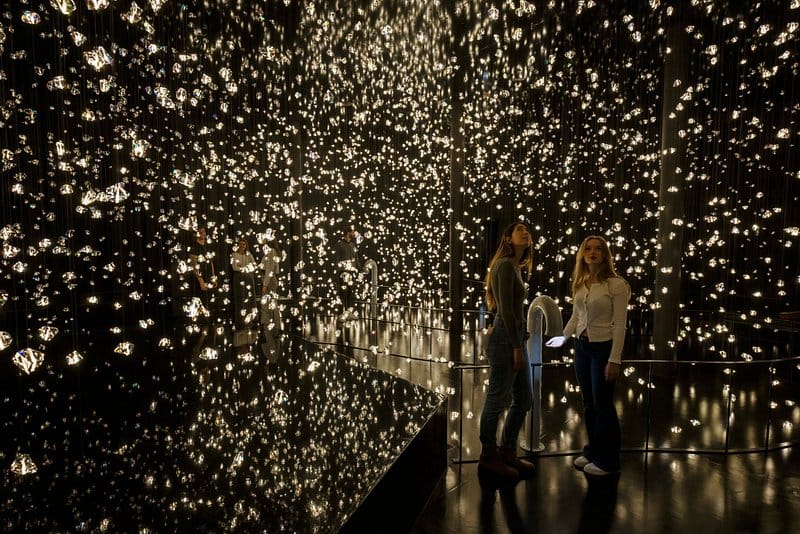
The museum and Visitor Center were opened on the 100th anniversary of the founding of the Swarovski factory  in 1995.  Swarovski Crystal Worlds (Kristallwelten Wattens) was created to celebrate the beauty and innovation of Swarovski crystals. Visitors explore indoor and outdoor installations, interactive galleries, and artistic exhibitions that highlight the versatility and brilliance of crystal in modern design. The experience blends education, creativity, and sensory engagement to create a truly unique visit.

For security and proprietary reasons, the actual industrial manufacturing facilities are not open to the general public. However, Swarovski Crystal Society (SCS) members can book exclusive private tours of the Swarovski Manufaktur between April and October to see the creative production process.
Tour Highlights


  • The Giant: The iconic entrance where a waterfall cascades from a massive head into a lake.
  • Chambers of Wonder: 18 distinct rooms designed by world-renowned artists like Yayoi Kusama and André Heller.
  • Crystal Cloud: A centerpiece in the garden featuring 800,000 hand-set crystals hovering over a mirror pool.
  • Playtower & Carousel: Extensive family facilities, including a four-story playtower and a crystal-adorned carousel.
2026 Ticket Costs and Best Time to Visit 

Online booking is generally recommended to secure better rates and skip lines. 

  • Time of Day: Early morning (9:00 AM) or late evening (after 5:00 PM) is best to avoid the large tour groups that typically arrive mid-day.
  • Weekdays vs. Weekends: Tuesdays and Wednesdays are generally quieter than weekends, which attract more local families.
  • Season: Summer (July–August) offers open-air events and circus shows. Late January to early February is popular for the Light Festival, when the gardens are artfully illuminated. 
  • Adults: €25.00 online or €27.00 on-site.
  • Youth (6–17 years): €9.00.
  • Children (under 6): Free.
Getting There
Wattens is located approximately 20 km east of Innsbruck.
  • Shuttle Bus: A dedicated e-shuttle runs from Innsbruck Main Station (Hbf) to the museum five times daily. A round-trip ticket costs approximately €9.50 if not using an Innsbruck Card.
  • Train: Take a regional train to Fritzens-Wattens (approx. 16-20 mins), followed by a short shuttle or walk.
  • Car: Accessible via the A12 Inntal motorway (Wattens exit). Parking at the site is Free.
 
Why Visit Swarovski Crystal Worlds?

Swarovski Crystal Worlds is a one-of-a-kind attraction that combines craftsmanship, art, and creativity. Visitors leave with a deeper appreciation for crystal, a sense of wonder, and memorable experiences for all ages. Whether you are a design enthusiast, art lover, or simply curious about the sparkle behind one of the world’s most iconic brands, Swarovski Crystal Worlds delivers an unforgettable journey into the magic of crystal. Beyond the sparkle, the lush gardens and world-class culinary experiences at Daniels Kristallwelten offer a perfect blend of relaxation and luxury, making it an essential destination for every traveler in Austria.

Related posts

Vienna’s Urban Oasis

The Haus des Meeres is one of Vienna’s most compelling attractions because it masterfully combines rich history, vibrant biodiversity, and striking architectural design. Walking into this venue means stepping inside a towering WWII concrete flak fortress that has been transformed from a monument of war into a vertical sanctuary for over 10,000 animals.

Read More »

Unlocking the Red Bull Ring Spielberg

A visit to the Red Bull Ring in Spielberg offers a breathtaking mix of high-speed motorsport and Alpine scenery. Beyond the F1 Grand Prix, fans can enjoy behind-the-scenes tours, driving experiences in supercars, and modern facilities. It is a premier destination for adrenaline seekers and families exploring Styria’s racing heritage.

Read More »

A Journey Through the Heart of Europe

A Danube river cruise offers a magical journey through the heart of Europe. It is the perfect blend of scenic beauty, cultural depth, and comfortable travel. From the rich history of Germany and Austria to the raw beauty of the Danube Delta, the river provides an elegant pathway to discovery.

Read More »

The Magic of Swarovski

A Swarovski Crystal Worlds in Wattens offers an immersive journey through the “Chambers of Wonder” rather than a traditional assembly line tour. Visitors explore 18 artistic installations, the iconic waterfall Giant, and a massive crystal shop. For actual manufacturing insights, exclusive Swarovski Manufaktur tours are reserved for SCS members.

Read More »

The World’s Most Legendary Luxury Train

Orient Express offers a once-in-a-lifetime experience where the romance of pre-war Europe truly comes to life. The unparalleled gastronomy, private steward service, and breathtaking landscapes transform the journey into an unforgettable adventure that goes far beyond mere transportation.

Read More »

Austria: Europe’s Cultural Heartland

Austria is a breathtaking Alpine nation renowned for its imperial history and musical heritage. Visitors can marvel at Vienna’s opulent palaces, explore the baroque charm of Salzburg, or ski in the world-class resorts of Tyrol. With its stunning mountain landscapes and rich coffee house culture, it offers timeless European elegance.

Read More »

The Magic of Swarovski Read More »

Touching the Sky

Touching the Sky: The Ultimate Airbus Factory Tour Experience in Toulouse

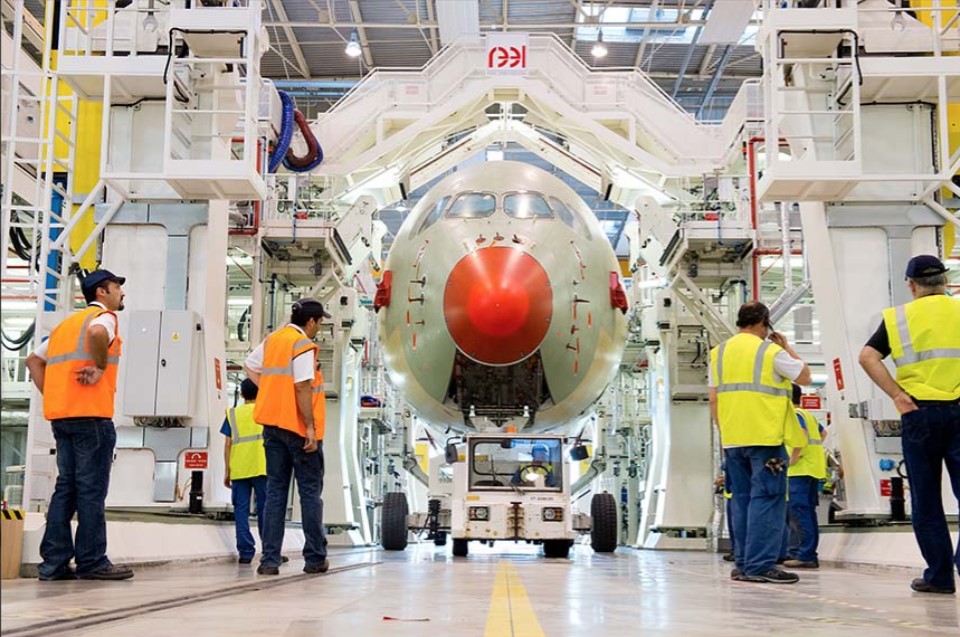
The Airbus Factory Tour in Toulouse offers a mesmerizing glimpse into the pinnacle of modern aerospace engineering. As the global headquarters of Airbus, this massive industrial complex is where the world’s most sophisticated commercial aircraft come to life. The experience provides a unique perspective on the sheer scale of aviation production, far beyond what any passenger sees at an airport terminal.

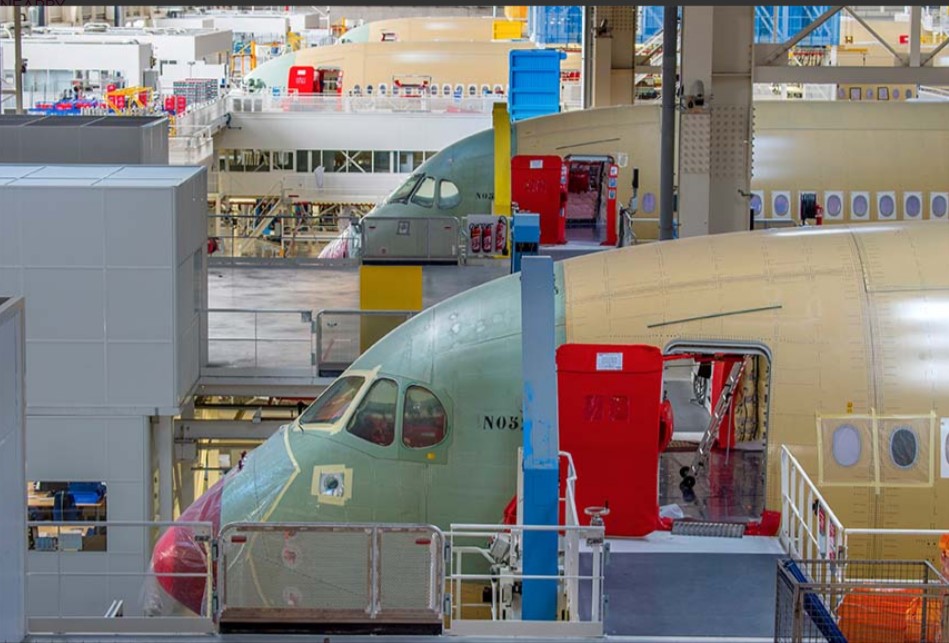
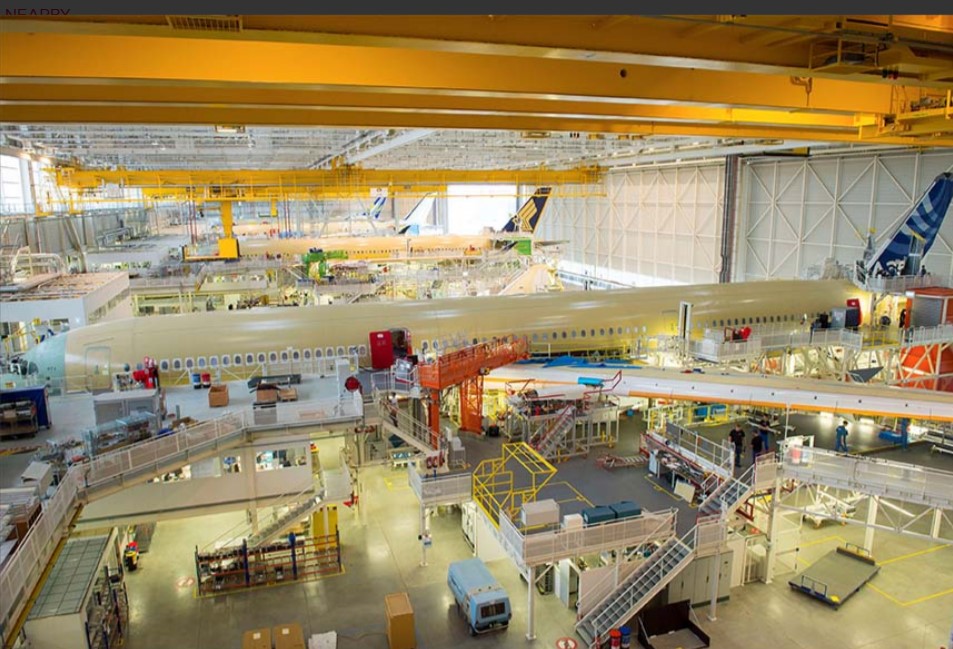
The journey centers on the Jean-Luc Lagardère site, a feat of industrial architecture specifically designed for the assembly of wide-body giants. From elevated observation galleries, visitors can witness the intricate process of the A350 XWB assembly, observing how massive fuselage sections and wings—transported from across Europe—are meticulously joined together. The tour illuminates the transition from raw components to a flight-ready machine, highlighting the precision and international cooperation required to build a modern jet. It is a profound celebration of human ingenuity that leaves visitors with a newfound awe for the “metal birds” that connect our world.

Pro Tip: Combine your factory visit with the Aeroscopia Museum, located right next door. There, you can actually step inside a Concorde and the massive Super Guppy transporter. 

Getting There: Navigating the Aerospace Capital

The Airbus complex is located in Blagnac, just outside Toulouse. The city’s transport infrastructure makes it easily accessible for international tourists.

  • By Tram (The Best Option): The most convenient way to reach the meeting point is by taking the Tram Line T1 towards Aéroconstellation. Get off at the Beauzelle or Aéroconstellation station. From there, it is a short walk to the Aeroscopia Museum, which serves as the departure hub for all factory tours.
  • By Shuttle/Bus: From the Toulouse-Blagnac Airport, you can take local bus lines (such as the 30 or 31) that stop near the museum area.
  • By Car: If you are driving, follow the signs for “Blagnac” and then “Zone Aéroportuaire Nord.” There is ample free parking available at the Aeroscopia Museum parking lot.
  • Meeting Point: It is crucial to arrive at the Let’s Visit Airbus desk (located inside the Aeroscopia Museum) at least 20–30 minutes before your scheduled departure for identity checks.
Costs and Booking: Precision Planning Required

Tour Options & Prices:

    • Airbus Discovery Tour: This is the standard 90-minute tour focusing on the A350XWB. Prices are approximately €16.00 for adults and €13.00 for students/seniors.
    • Combined Tickets: We highly recommend the combined ticket (approx. €24.00–€28.00), which includes the factory tour and entry to the Aeroscopia Museum, where you can walk inside a Concorde and an Airbus A380.
  • Booking Requirements: You must book online in advance. During booking, you are required to provide your passport or ID card details. You must bring the same physical ID with you on the day of the tour, or you will be denied entry.
  • Availability: Tours are available in French, English, and occasionally German, Spanish, or Chinese. English tours fill up quickly, so book at least 2–4 weeks in advance.
Recommended Timing: 
  • Operational Days: Tours run Monday through Saturday. To see the maximum amount of activity, a mid-week visit (Tuesday to Thursday) is ideal, as production is in full swing.
  • The “Beluga” Slot: If you are lucky, you might spot the BelugaXL—Airbus’s whale-shaped transport plane—landing or taking off at the adjacent airport. These planes deliver the massive wings and fuselage parts. Checking the flight tracking apps for “BGA” callsigns can give you a hint of when to look at the sky.
  • Combine with Aviation History: Spend the morning at the Aeroscopia Museum and take the afternoon factory tour. This provides the historical context before you see the futuristic assembly lines.
Behind-the-Scenes Secrets: 

The Airbus tour is designed to leave you in awe of the scale of human ambition. Here are the “insider” highlights:

  • The A350XWB Assembly Line: You will be taken by bus into the heart of the Jean-Luc Lagardère plant. From a gallery overlooking the assembly floor, you’ll see several aircraft in various stages of completion. Watching the “power-on” phase—where the plane’s electrical systems are woken up for the first time—is a highlight for many.
  • Telemetric Precision: You will learn how Airbus uses laser-guided systems to align fuselage sections with sub-millimeter precision. When you realize that these parts were manufactured 1,000 kilometers apart and fit together perfectly, it’s a true “eureka” moment.
  • The Testing Phase: The tour often includes a view of the flight test line, where newly painted aircraft in the liveries of airlines like Emirates, Singapore Airlines, or Lufthansa undergo ground tests before their maiden flights.
  • Logistical Ballet: Your guide will explain the “Beluga” logistics system. It is one of the most complex supply chains in the world, involving specialized ships, trucks, and the iconic fleet of oversized cargo planes.
  • Strict Security: Just like at the BMW plant, photography and filming are strictly prohibited inside the factory. You will be asked to leave your phone and camera in the bus or in a locker. This adds an air of exclusivity to the experience—what you see inside is a memory you can only keep in your head.
Why it is a Must-Visit?

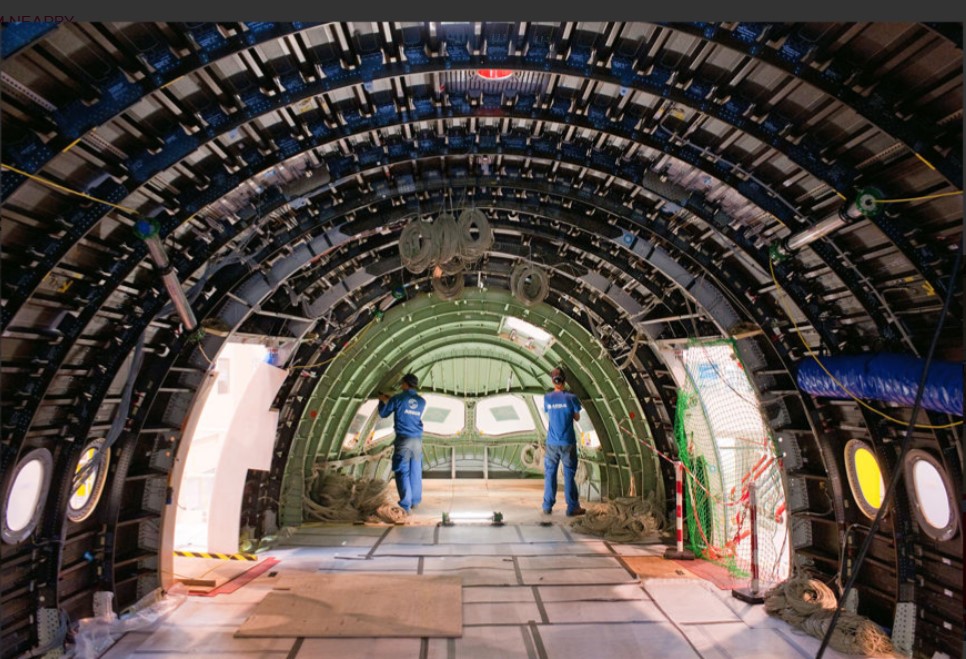
The Airbus tour in Toulouse is more than just a walk through a factory; it is a testament to European cooperation and the future of mobility. Seeing a “naked” aircraft—without its seats and carpets, showing only the miles of wiring and carbon-fiber ribs—gives you a newfound respect for the safety and complexity of every flight you take.

Whether you are an “avgeek” or just someone who appreciates world-class engineering, standing in the shadow of an A350 is an experience that makes the world feel both very large and very connected.

Related posts

The Cradle of Civilization

A Mediterranean cruise is a celebration of life (La Dolce Vita). It is the perfect symphony of culture, history, and world-class cuisine. Whether you are sipping wine in a Spanish vineyard or watching the sunset over the Acropolis, this journey is guaranteed to nourish both your soul and your palate.

Read More »

The World’s Most Legendary Luxury Train

Orient Express offers a once-in-a-lifetime experience where the romance of pre-war Europe truly comes to life. The unparalleled gastronomy, private steward service, and breathtaking landscapes transform the journey into an unforgettable adventure that goes far beyond mere transportation.

Read More »

Exploring France by Wheelchair

In 2026, Israel offers impressive accessibility for travelers. Tel Aviv features flat promenades and accessible beaches, while Jerusalem provides ramps throughout the Old City to the Western Wall. Public transport, including trains and buses, is fully equipped, making the country a top-tier, inclusive destination for mobility-challenged visitors

Read More »

Touching the Sky

The Airbus Factory Tour in Toulouse provides a breathtaking look at aerospace engineering. From panoramic galleries, visitors witness the assembly of the A350 XWB, seeing massive components join into flight-ready jets. It is a unique opportunity to experience the scale and precision of global aviation production firsthand.

Read More »

Touching the Sky Read More »

The Raging Bull’s Den

The Raging Bull’s Den: Guide to the Lamborghini Factory Tour

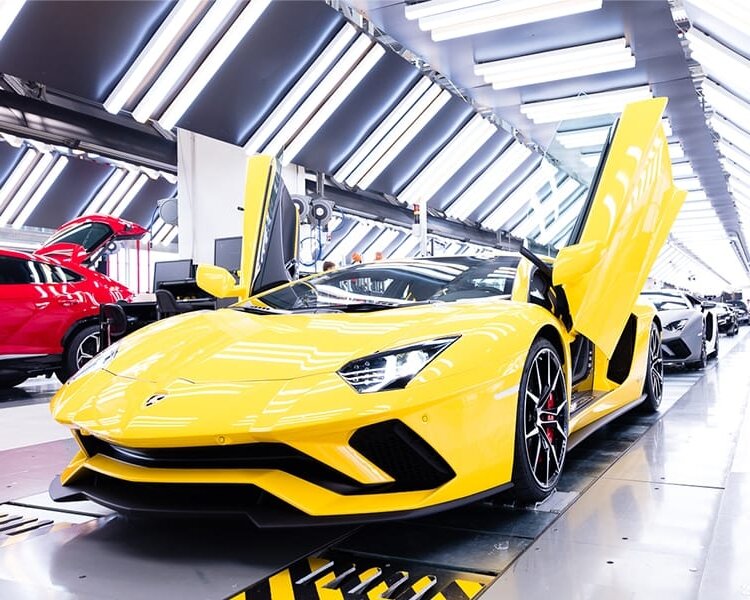
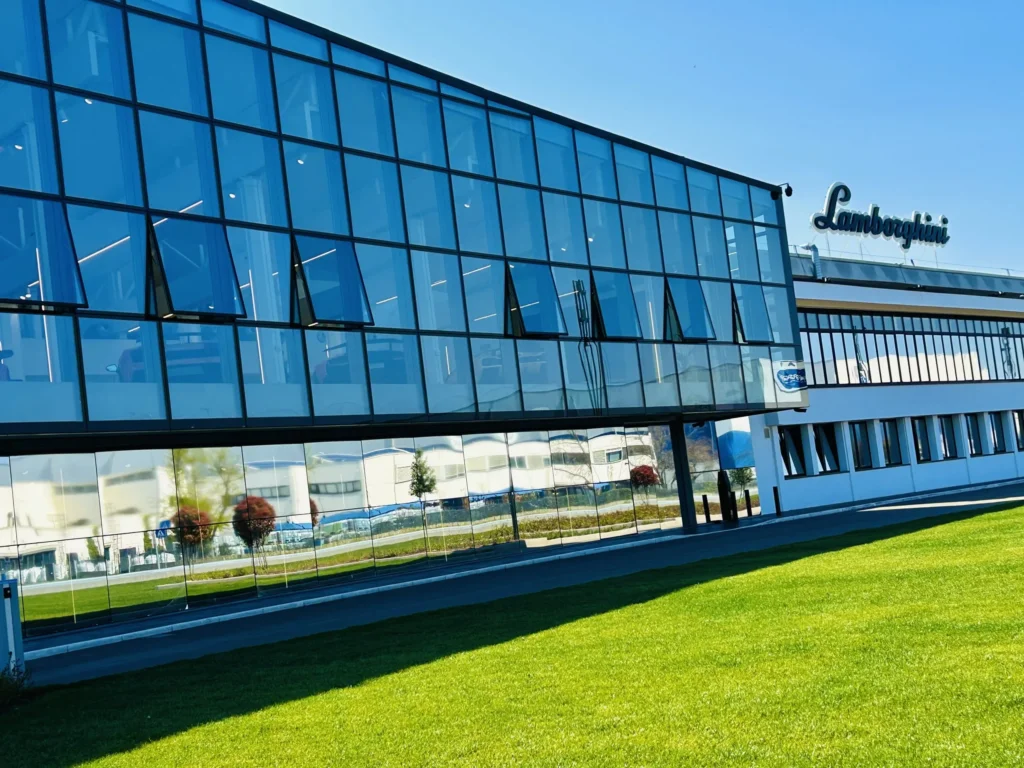
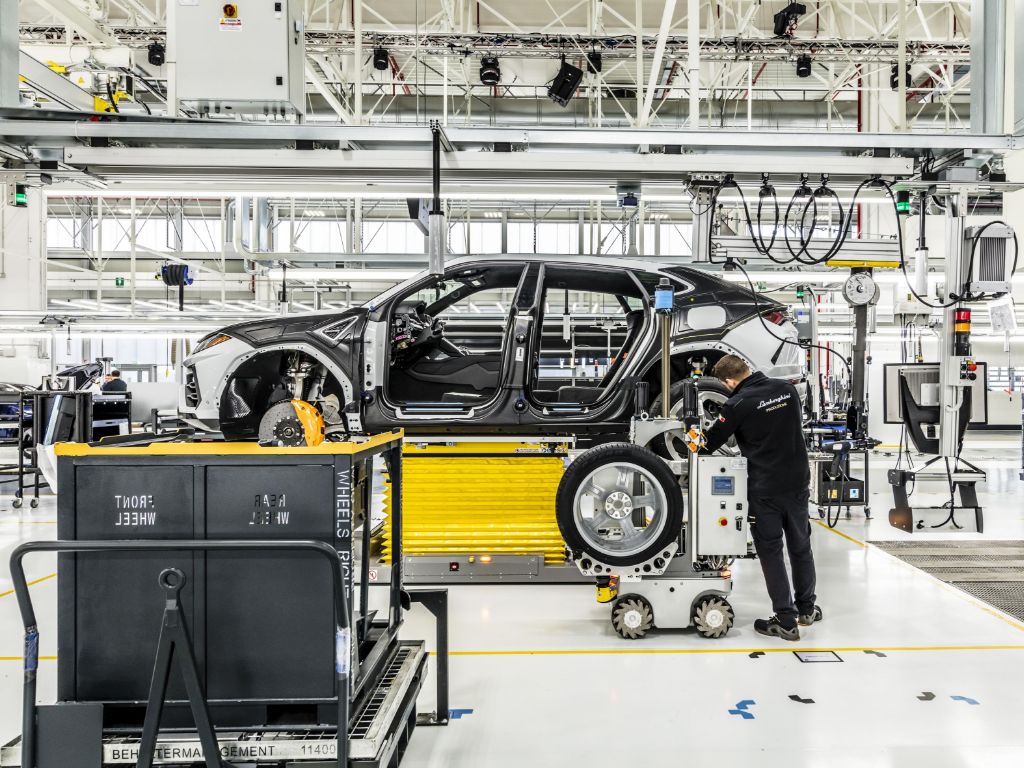
In 2026, the legend of the Raging Bull comes to life through an immersive journey across Italy’s Motor Valley, bridging high-tech manufacturing with deep industrial history. The adventure begins at the Sant’Agata Bolognese headquarters with the Official Factory Tour, where guests enter the heart of “Factory 4.0.” This exclusive experience reveals the meticulous hand-assembly of the V12 Revuelto and the Urus SUV, showcasing the “marriage” of high-performance engines to carbon-fiber chassis.
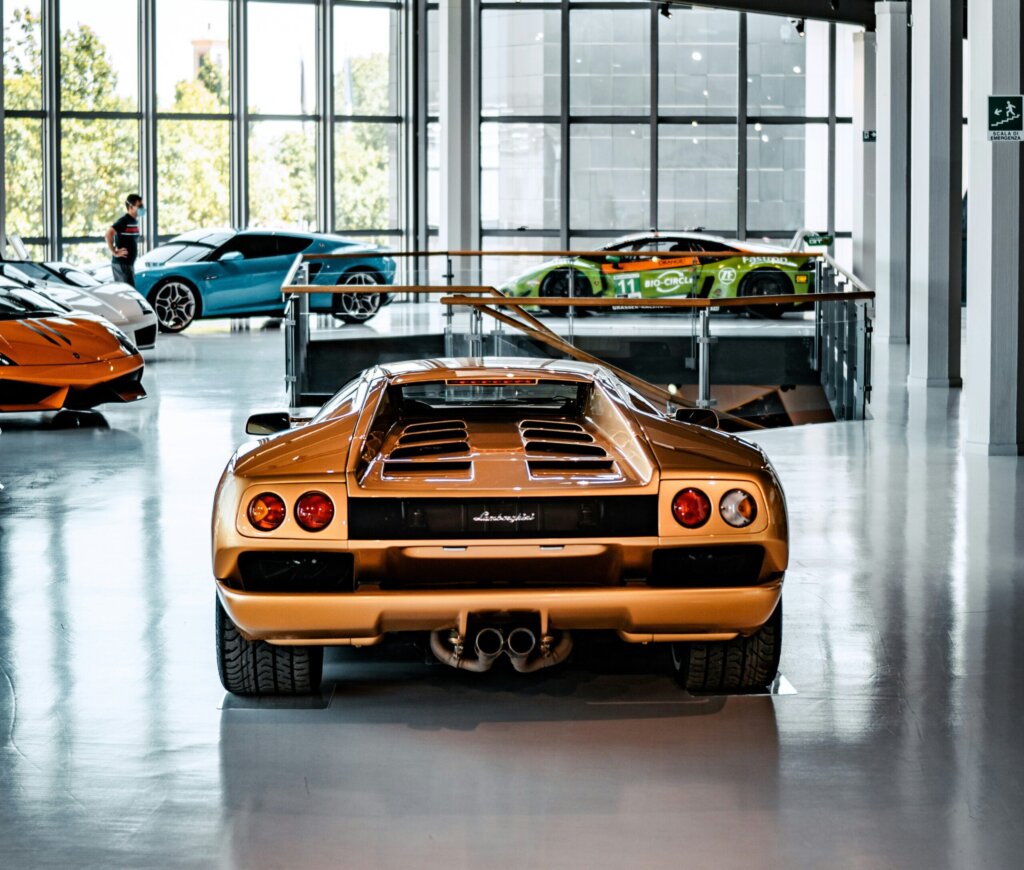
Connected to the plant is MUDETEC, the Museum of Technologies, which tracks sixty years of aerodynamic evolution and futuristic design, featuring rare icons like the Veneno and Sian. For a more personal encounter with the founder’s soul, the Ferruccio Lamborghini Museum in Casette di Funo (Argelato) displays the visionary’s original tractors, his private car collection, and even a Lamborghini helicopter prototype, celebrating the man who dared to challenge the automotive establishment.
Getting There:

Sant’Agata Bolognese is a small town located between the cities of Bologna and Modena. While it feels remote, it is well-connected for those on an automotive pilgrimage.

  • By Train and Bus: From the Bologna Centrale railway station, take the bus Line 576 towards Crevalcore/Sant’Agata. The journey takes about 50–60 minutes. Alight at the “Sant’Agata Bolognese – Lamborghini” stop, which is directly in front of the factory gates.
  • By Car: If you are driving from Bologna or Modena, take the SP568. The drive takes approximately 30–40 minutes from either city. Parking is available near the MUDETEC (Museum of Technologies) entrance.
  • The Motor Valley Loop: Many enthusiasts combine this with visits to Ferrari (Maranello) and Pagani (San Cesario sul Panaro), which are both within a 30-minute radius by car.
Costs and Booking: 

Unlike larger factories, Lamborghini tours are conducted in small, intimate groups. Because of this, tickets are among the most coveted in the automotive world.

  • Ticket Prices: In 2026, a combined ticket for the MUDETEC Museum and Factory Tour typically costs around €90.00 for adults. Reduced rates (around €50.00) are available for students and seniors.
  • Booking: You must book weeks or even months in advance via the official Lamborghini website. Tickets are released in blocks, and they sell out almost instantly.
  • Age Limit: For safety reasons, children under the age of 6 years old are not permitted on the factory floor.
Recommended Timing: 
  • Production Hours: Tours only run on weekdays (Monday to Friday) when the assembly lines are active. To see the artisans at their peak, opt for a mid-morning slot (10:00 AM or 11:00 AM).
  • The Seasonal Choice: Spring (April–June) and Autumn (September–October) offer the best weather for driving through the Italian countryside. Avoid August, as many Italian factories observe a summer shutdown (ferragosto).
  • Special Events: Check the calendar for “Motor Valley Fest” dates, as the region becomes a massive celebration of supercars, though factory slots become even harder to secure.
Behind-the-Scenes Secrets:

The Lamborghini tour is remarkably “up-close.” You aren’t watching from a distant gallery; you are walking on the same floor where the cars are being built.

  • The Human Touch: You will be surprised by how little automation there is compared to BMW. While robots handle the heavy lifting, the engines and interiors are finished by hand. Watching an artisan hand-stitch the “Y” patterns into a leather dashboard is a highlight of the tour.
  • Line Synchronization: The production line moves at a leisurely, focused pace. Unlike the rapid-fire assembly of a sedan, a Lamborghini stays at each station for over 30 minutes, allowing for obsessive quality control.
  • The Carbon Fiber Lab: Lamborghini is a world leader in composite materials. You will likely see the “Forged Composites” area, where they create parts that are stronger and lighter than steel, a secret to the cars’ incredible power-to-weight ratios.
  • The First Start: If your timing is lucky, you will witness the “first ignition” of a V12 engine at the end of the line. The roar of a brand-new engine echoing through the sterile, white-tiled factory is a sound you will never forget.
  • Privacy is King: Like all elite plants, photography is strictly forbidden inside the production area. You will be required to leave your phone in a secure locker. This ensures that the prototype designs and custom “Ad Personam” colors remains a secret until delivery.
Pro-Tips for the Enthusiast:
  • The Museum First: Visit the MUDETEC museum before your tour. It houses the legendary Miura, the Countach, and the Sesto Elemento, providing the historical context you need to appreciate the modern cars on the line.
  • The Test Drive: While Lamborghini itself does not offer test drives on-site, several independent companies across the street from the factory allow you to rent a Huracán or Aventador for a 10–30 minute blast on the local roads.
  • Dress the Part: Wear comfortable, closed-toe shoes. You will be walking on industrial floors, and safety is a priority.

Related posts

The Art of Living Well

Italy is a timeless destination that rewards travellers with unforgettable experiences, rich culture, and exceptional cuisine. Whether visiting for the first time or returning again, it remains one of the most satisfying countries to explore in the world. From high-speed rail to coastal drives, every journey reveals breathtaking, historic wonders.

Read More »

The Heart of Venetian Glass Art

Murano’s 700-year glassmaking tradition is a pinnacle of European craftsmanship. More than a tourist hub, the island hosts active furnaces where masters use ancestral techniques to transform molten glass into intricate sculptures and vessels. This living heritage preserves a legacy of artistic excellence passed down through centuries of Venetian history.

Read More »

Swiss Mountain Tracks

While the Orient Express emphasizes opulence and formal elegance, the Bernina Express prioritizes natural splendor and engineering marvels. Trading fine dining for panoramic views, it offers a premier “slow travel” experience. It is perfect for adventurers valuing immersive Alpine landscapes and historic viadcuts over traditional onboard luxury.

Read More »

The Raging Bull’s Den Read More »
The City of Cars

The City of Cars: Volkswagen Autostadt and Factory Tour

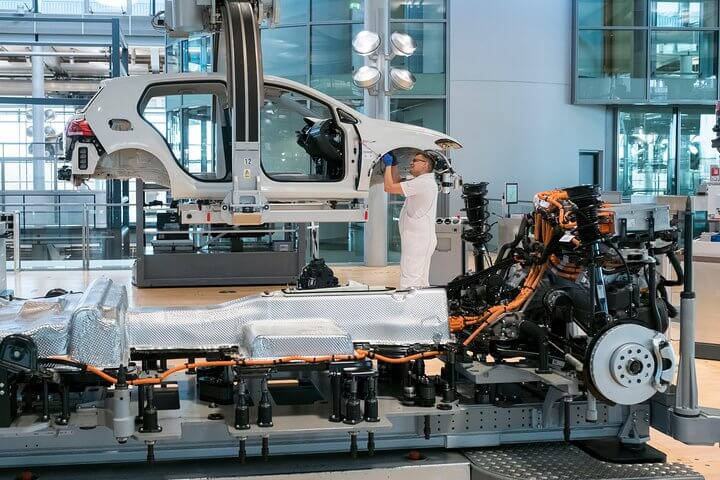
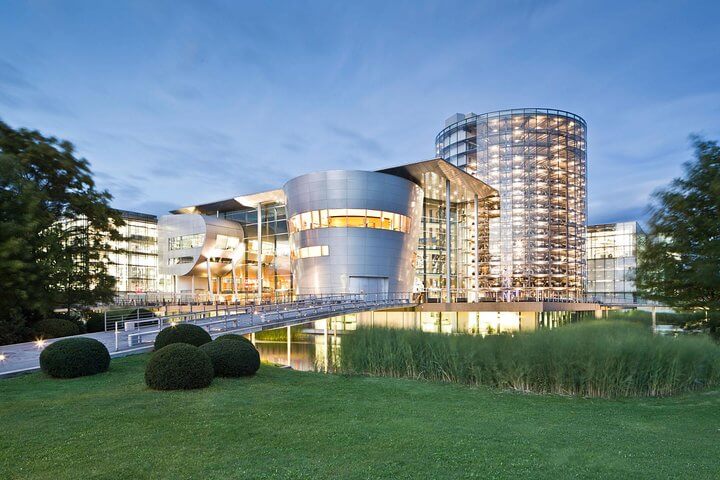
If the BMW tour is a boutique engineering showcase and Lamborghini is an artisanal sanctuary, the Volkswagen complex in Wolfsburg is a sprawling industrial metropolis. This isn’t just a factory; it is the global headquarters of the world’s largest automaker and home to Autostadt, a 69-acre automotive theme park. In 2026, Wolfsburg stands as the epicentre of the “New Auto” strategy, where the legendary Golf is built alongside the cutting-edge ID. series electric vehicles. 

Visiting Wolfsburg is a journey into the sheer scale of German industry. It is a place where robots, canal transport, and thousands of workers move in a synchronized dance to produce a new vehicle every few seconds. The City Wolfsburg was practically built around the Volkswagen plant, making it one of the most accessible industrial sites in the world. 

Getting There: The High-Speed Connection


  • By Train (ICE): The most efficient way is via the German high-speed rail (ICE). The Wolfsburg Hauptbahnhof (Main Station) is located directly opposite the Autostadt entrance. It is just a 1-hour trip from Berlin and about 2 hours from Hamburg.
  • By Car: Wolfsburg is located on the A39 motorway, a spur of the A2 (Berlin-Hannover). Follow the signs for “Autostadt.” There is extensive parking available, including charging stations for electric vehicles.
  • On Foot: Once at the station, you simply cross a bridge over the Mittelland Canal to enter the Autostadt complex. 
Costs and Booking: A Multi-Layered Experience

Because the site is so vast, you need to distinguish between the Autostadt (theme park) and the Plant Tour (factory floor). 

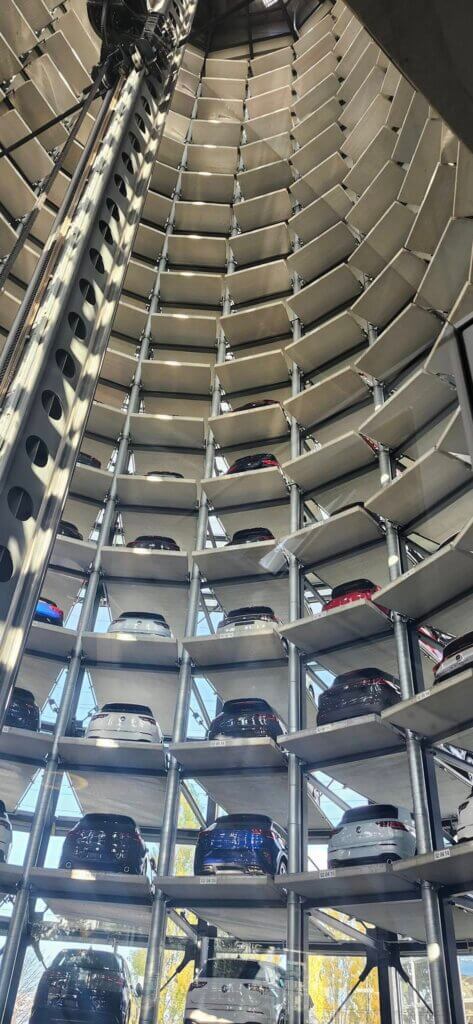
  • Autostadt Entry: A day ticket in 2026 costs approximately €18.00–€22.00. This gives you access to the brand pavilions (Audi, Porsche, VW, etc.), the ZeitHaus museum, and the iconic Car Towers.
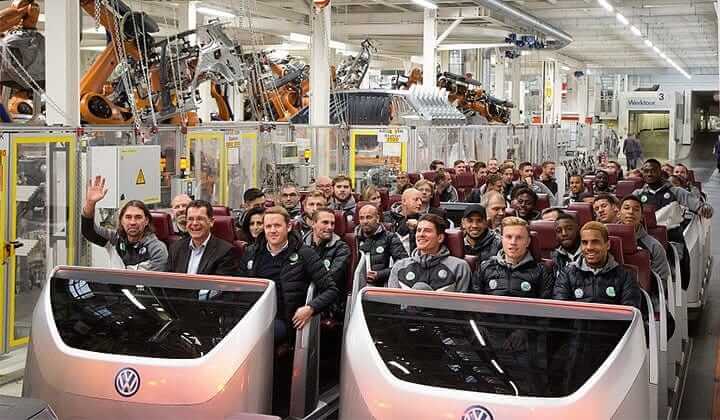
  • Factory Tour (WerkTour):  Currently, the tour is often conducted via an open-top “factory train” that winds through the massive production halls. The price is approximately €10.00–€15.00 in addition to your Autostadt entry.
  • Booking: It is vital to book the factory tour in advance through the official Autostadt website. Tours are only available on days when the plant is operational (Monday to Friday) and sell out quickly. 
Recommended Timing


  • The Mid-Week Sweet Spot: Visit on a Tuesday, Wednesday, or Thursday. This ensures the factory lines are running at full capacity and all pavilions are open.
  • Seasonal Events: Autostadt hosts a massive winter market in December with ice skating and light shows, making it a great family destination, though factory tours may be limited during holiday shutdowns.
  • Duration: You cannot “do” Wolfsburg in two hours. Plan for at least 6 to 8 hours—half the day for the factory and the other half for the Autostadt pavilions and the Museum. 
Pro-Tips for the Best Experience
  • Check the Language: Ensure you book an English-speaking tour if you don’t speak German, as the technical explanations are fascinating but complex.
  • The Delivery Center: Even if you aren’t picking up a new car, spend 15 minutes in the Customer Center. Watching hundreds of German families pick up their custom-ordered Volkswagens in a perfectly choreographed ceremony is a unique cultural insight.
  • Photography: Like other plants, photography is strictly forbidden inside the factory buildings. However, you can take as many photos as you like in the Autostadt park, the pavilions, and the ZeitHaus museum. 

Related posts

From Fairytale Castles to Modern Marvels

Germany offers a perfect mix of historic charm and modern efficiency. You can explore fairytale castles, world-class museums, and vibrant beer gardens while enjoying a highly reliable transport system. Whether you seek the scenic beauty of the Bavarian Alps or the creative energy of Berlin, Germany delivers a truly diverse European experience.

Read More »
The Heart of the Werkself

Discover the BayArena, home of Bayer Leverkusen and one of Germany’s most modern football stadiums. A stadium tour offers a closer look at the club’s distinctive history, its connection to the city of Leverkusen, and the facilities behind the matchday experience. Its compact design makes the BayArena feel very different from Europe’s huge football arenas.

Read More »

Beyond the Spires

Discover the architectural wonders of the Rhineland! From the awe-inspiring Cologne Cathedral, a Gothic masterpiece dominating the skyline, to the nearby Rococo elegance of Augustusburg and Falkenlust Palaces, this region offers a journey through history. Explore these UNESCO World Heritage sites and witness centuries of artistic brilliance firsthand.

Read More »
The City of Cars Read More »

The Sweetest Journey

The Sweetest Journey

A Guide to the Nestlé-Cailler Experience in Switzerland

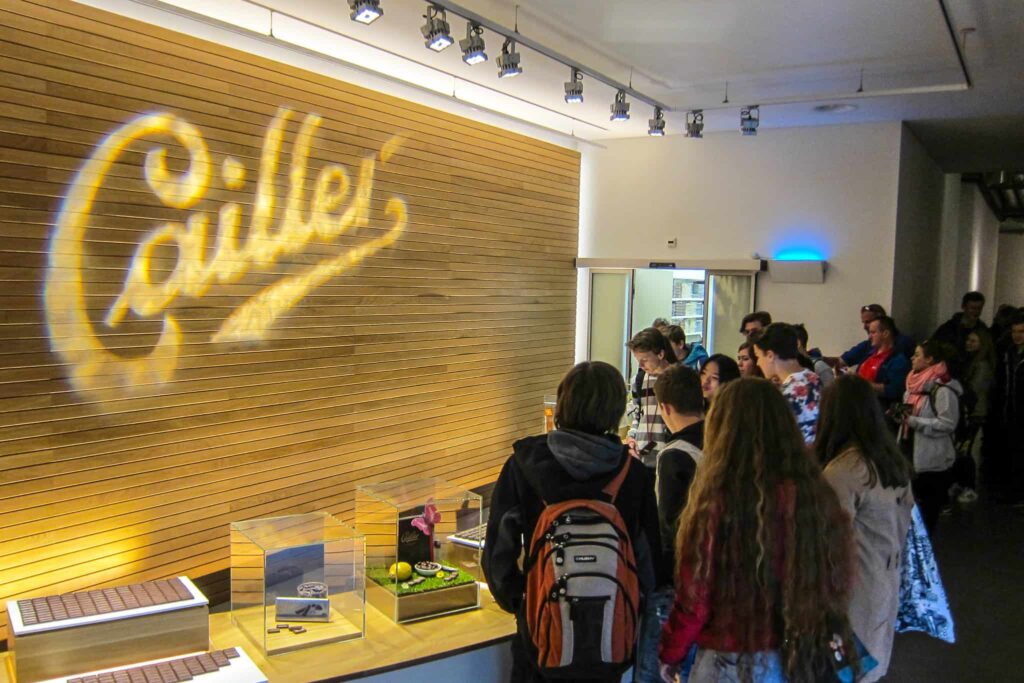
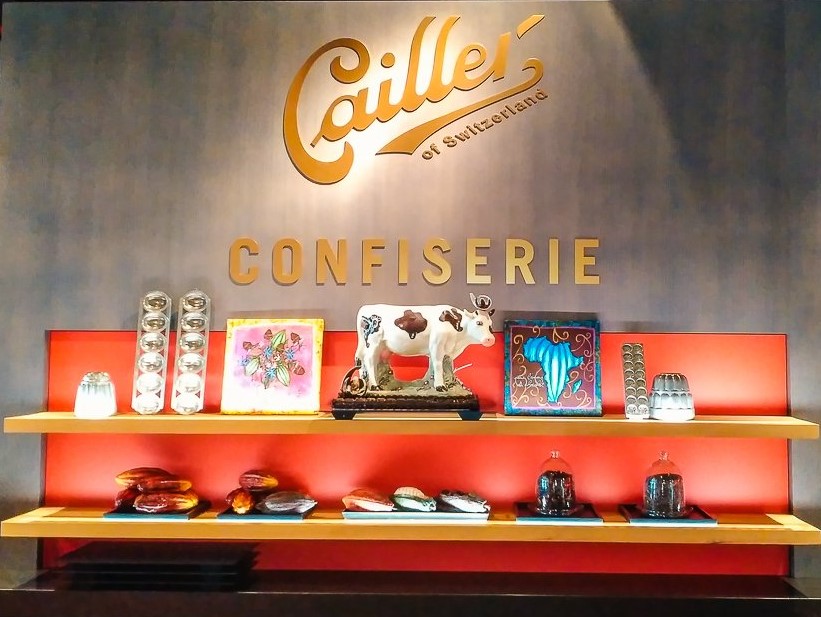
The Nestlé-Cailler Experience, located at Maison Cailler in Broc, offers an immersive journey into the history and production of Switzerland’s oldest chocolate brand. Established in 1819 by François-Louis Cailler and merged with Nestlé in 1929, the factory is unique for being the only manufacturer to use condensed milk instead of milk powder, resulting in an exceptionally smooth texture.
Visitors engage in a multi-sensory tour that details the origins of cocoa and the brand’s evolution through interactive rooms and timed displays. Highlights include watching live production lines, participating in hands-on workshops at the Atelier du Chocolat, and unlimited tastings of premium pralines and bars. For 2026, the experience continues to celebrate the legacy of Swiss milk chocolate, which was pioneered by Daniel Peter using Henri Nestlé’s condensed milk. Conveniently accessible via the Chocolate Train, the site remains one of Switzerland’s most popular cultural attractions.
Getting There: 

Reaching the chocolate factory is an experience in itself, as the journey takes you through some of Switzerland’s most beautiful landscapes.

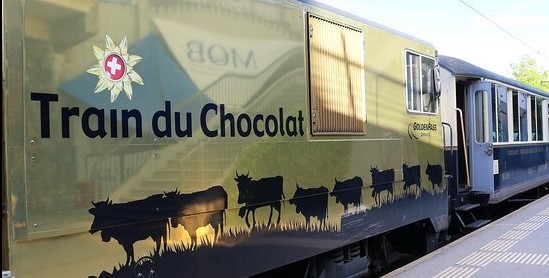
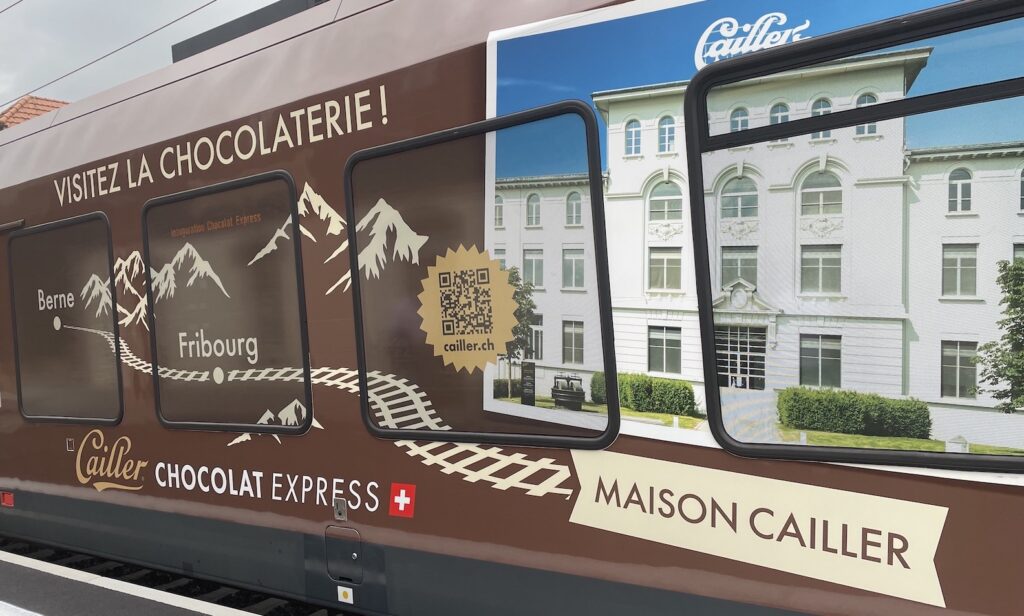
The Chocolate Train (Le Train du Chocolat): For the ultimate experience, take this specialized train departing from Montreux. It runs during the peak season (May to September) and takes you directly to the factory in Broc while serving coffee and chocolate bread on board. It also includes a stop at the Gruyères cheese factory.

By Public Transport (SBB/CFF): From Geneva or Zurich, take the train to Bulle, then transfer to the local train to the Broc-Chocolaterie station. The factory is located right at the station exit.

By Car: If driving, use the A12 motorway and take the Bulle exit. There is free parking available on-site for visitors.

Costs and Booking: 

The Nestlé-Cailler experience is one of Switzerland’s most popular attractions, so planning is essential.

Maison Cailler Ticket Price: In 2026, an adult ticket costs approximately CHF 17.00. Children under 16 accompanied by an adult usually enter for free.

The “Nest” Museum (Vevey): If you wish to visit the historic headquarters and interactive museum in Vevey, a separate ticket of around CHF 18.00 is required.

Booking: It is highly recommended to book your time slot online via the official Cailler website. The tours are self-guided with an audio device (available in English, German, French, and several other languages), but entry is staggered to prevent overcrowding.

Workshops: For an additional fee (approx. CHF 45.00), you can book a Atelier du Chocolat, where you work with a professional Nestlé chocolatier to create your own bars.

The ticket prices for the full-day Chocolate Train excursion from Montreux to Broc


Adults (16+ years): 89 CHF for 2nd class or 99 CHF for 1st class.

Children (6–16 years): 69 CHF for 2nd class or 79 CHF for 1st class.

Toddlers (Under 6 years): 49 CHF

Discounted Prices with Rail Passes:

Holders of valid Swiss rail passes only need to pay a supplement fee, which includes the seat reservation and the full program.


The ticket price includes:

The train journey in a “Belle Époque” style coach between Montreux and Montbovon. Coffee and a chocolate pastry served on the morning train. Bus transfers to the village of Gruyères and the chocolate factory. Entrance to the La Maison du Gruyère cheese factory and the Maison Cailler chocolate factory. 

Recommended Timing:

Avoid the Weekend Rush: As one of the top tourist destinations in Switzerland, weekends can be incredibly crowded. A Tuesday or Wednesday morning arrival (right when they open at 10:00 AM) ensures a more peaceful experience.

Winter Magic: Visiting in December adds a fairy-tale layer to the trip, as the factory is decorated for Christmas and the surrounding mountains are snow-capped.

What to Expect

The tour is designed to engage all five senses, moving from history to modern industrial production.  Allot at least 1.5 to 2 hours for the factory tour and shop.

 Unlike many food tours, here you can actually touch and smell the raw ingredients. You’ll see (and smell) the high-quality cocoa beans, the hazelnuts from Piedmont, and the condensed milk that gives Cailler its unique, creamy texture.

While for hygiene reasons you don’t walk directly on the factory floor, the tour features a glass-walled viewing area. Here, you can see the robotic arms wrapping thousands of “Branches” per minute with mesmerizing speed and precision.

 At the end of the tour, you reach the Degustation Room. This is not just a small sample; it is a buffet of Nestlé and Cailler’s finest products. You are encouraged to try as many different varieties as you like, from dark ganache to creamy pralinés.

Pro-Tips for the Best Experience

Don’t Eat Beforehand: 

This is the only factory tour where “coming hungry” is a legitimate strategy. The tasting room at the end is generous.


Exclusive Products: 

The factory shop sells “seconds” (products with slight packaging defects) at a significant discount, as well as exclusive flavors that aren’t exported.

Why it is a Must-Visit

The Nestlé-Cailler tour is a masterclass in brand storytelling. It manages to bridge the gap between a 19th-century craft and a 21st-century global powerhouse. You leave not just with a sugar high, but with an understanding of why Swiss chocolate became the global gold standard. It is a celebration of the “Swiss Made” philosophy: quality, reliability, and just a little bit of magic.

Related posts

Swiss Mountain Tracks

While the Orient Express emphasizes opulence and formal elegance, the Bernina Express prioritizes natural splendor and engineering marvels. Trading fine dining for panoramic views, it offers a premier “slow travel” experience. It is perfect for adventurers valuing immersive Alpine landscapes and historic viadcuts over traditional onboard luxury.

Read More »

The Nestle Verdict

If you go with managed expectations—seeking entertainment and insight rather than a rugged factory floor—you will likely find these visits to be a highlight of your journey through the Lake Geneva region. If you truly crave a raw, non-commercial experience, your time might be better spent at a traditional mountain dairy.

Read More »

The Sweetest Journey

The Maison Cailler tour in Broc offers an interactive, multi-sensory journey through the history and production of Swiss chocolate. Visitors explore ancient cocoa origins, watch live production lines, and participate in hands-on workshops. The experience concludes with generous, unlimited tastings of premium chocolate varieties in the legendary tasting room.

Read More »

The Sweetest Journey Read More »

Scroll to Top