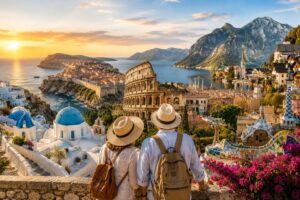
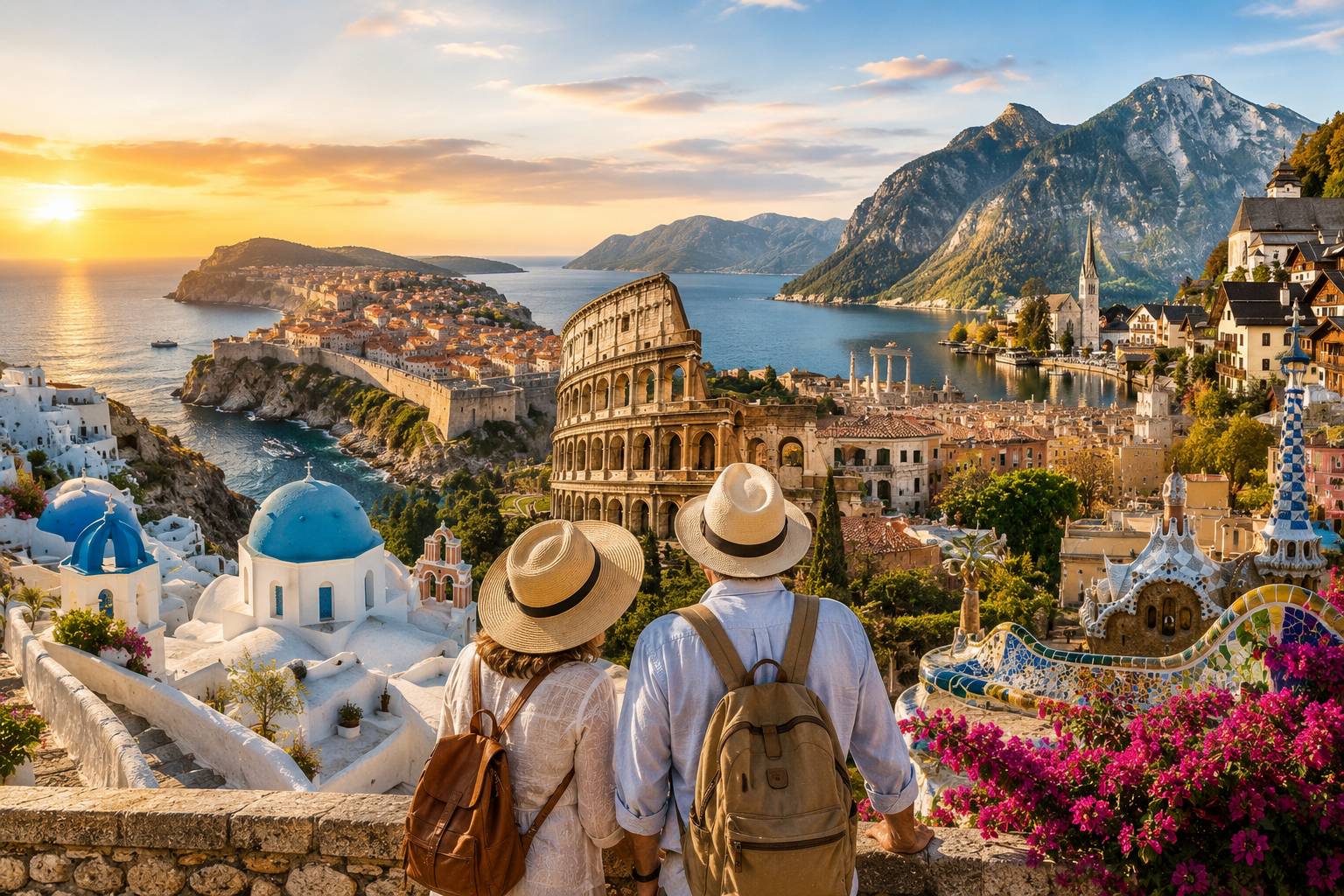
Europe in September After 50

Why September Might Be the Best Month to Travel in Europe After 50

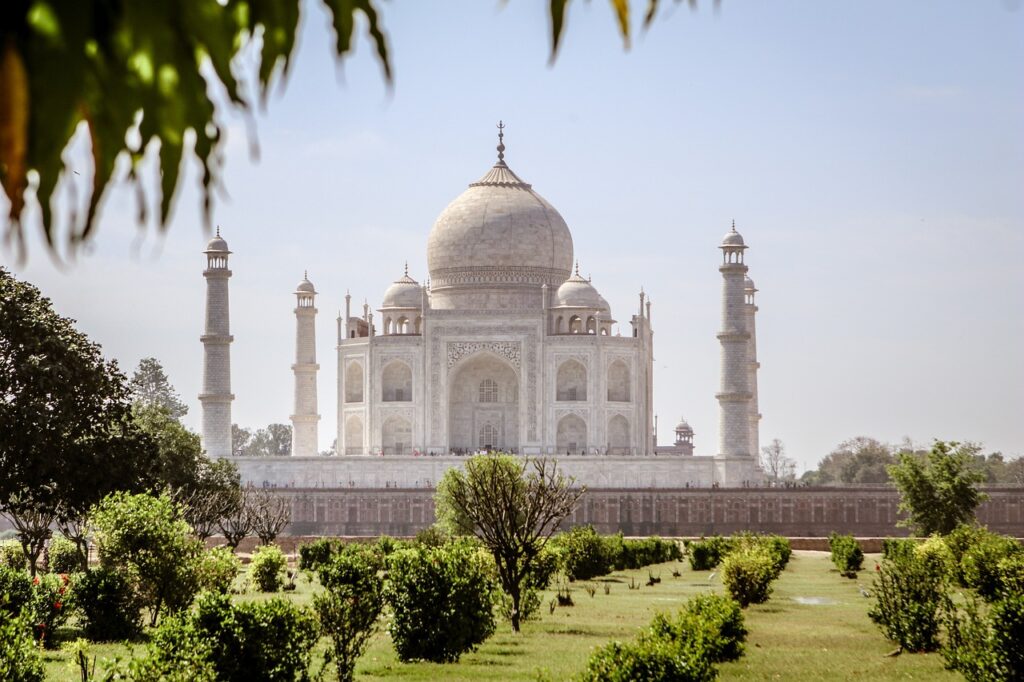
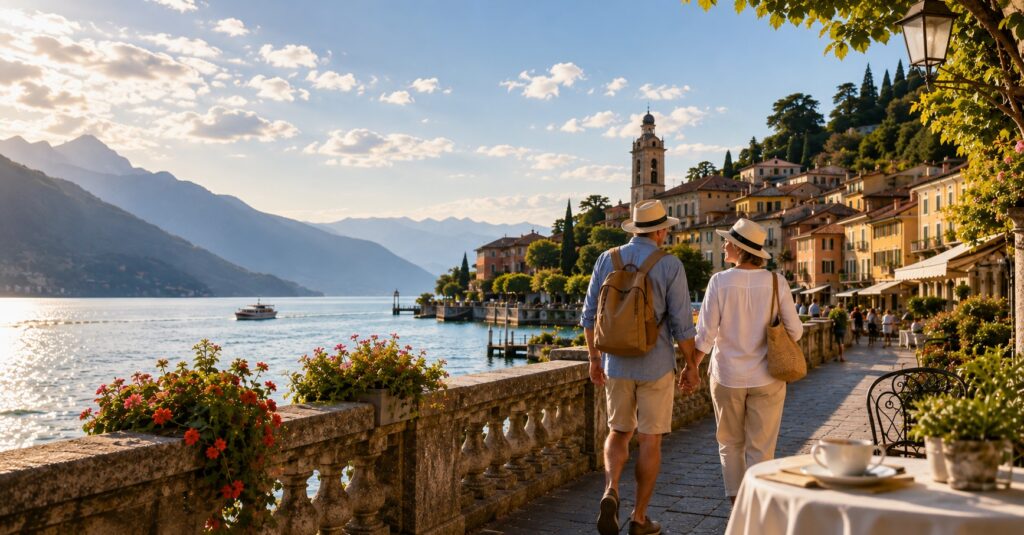
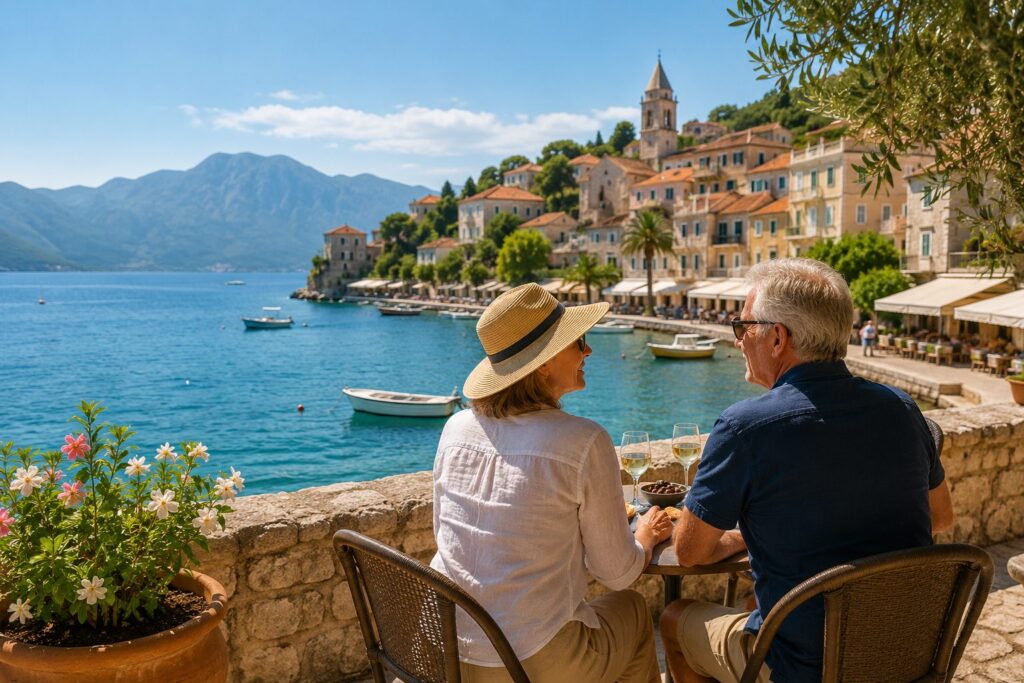
Mature couple enjoying a September trip by a European lake

For years, summer travel in Europe has meant July and August. School holidays, packed beaches, crowded city centres and long queues were simply accepted as part of the experience. But perhaps we have been travelling at the wrong time.

September offers something increasingly difficult to find during the European summer: space. There is more room to walk through an old town without constantly navigating around tour groups, to find a table at a café, or simply to stop and look around instead of rushing from one attraction to another. For travellers who prefer experiencing a destination rather than racing through it, that can make a surprisingly big difference.

And we are apparently not the only travellers discovering this. September travel has been growing quickly enough to earn its own nickname: “Super September.” Travellers are increasingly moving their trips away from the traditional summer peak in search of more comfortable weather, fewer crowds and better value. For travellers over 50, those advantages can be particularly appealing.

Europe Is Simply Easier to Explore

There is a huge difference between walking through Rome at 35°C and exploring it when temperatures are several degrees cooler. The same applies to Athens, Dubrovnik, Seville or Lisbon. These are cities made for walking, but doing that during the hottest part of summer can turn sightseeing into an endurance exercise.

Travel after 50 doesn’t mean slowing down because we have to. Many of us simply become more selective about where we spend our energy. Standing for an hour in the blazing sun to enter an attraction isn’t an experience we particularly need to collect, especially when the same place can be far more enjoyable a few weeks later.

September often provides more comfortable conditions for walking, sightseeing and eating outdoors. Extreme summer heat has also become an increasingly important factor in European travel planning, making the shoulder months more attractive to visitors who have flexibility over when they travel.

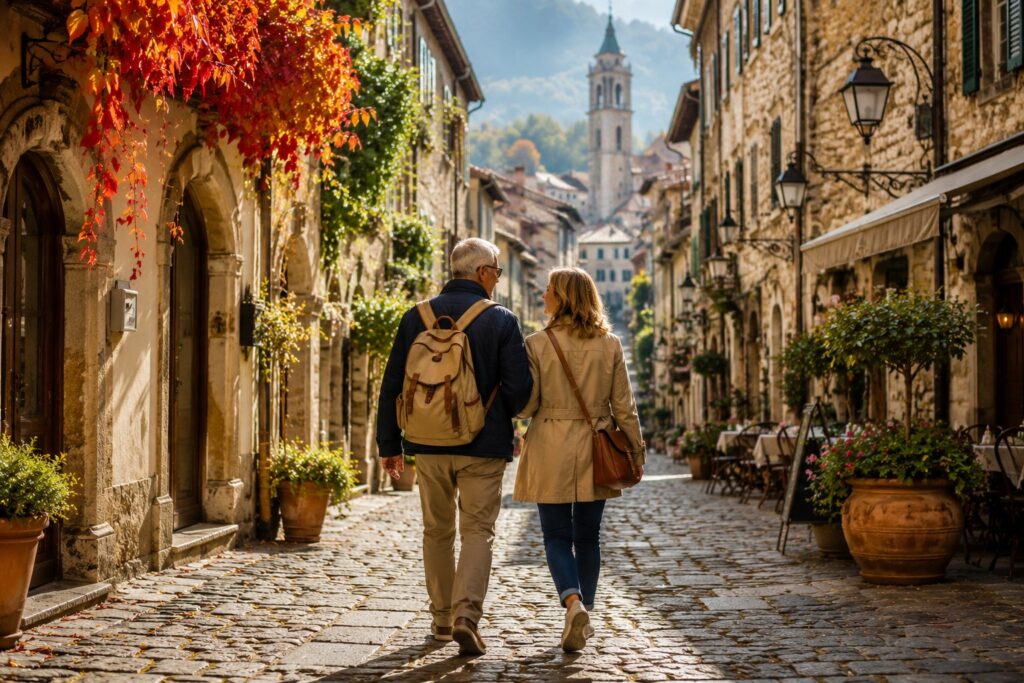
Exploring a European Old Town in Early Autumn

Fewer Crowds Can Change the Experience Completely

Visit a famous European destination in August and sometimes the crowd becomes part of the attraction. At places such as the Trevi Fountain, Dubrovnik’s Old Town, Venice, Barcelona or Santorini, you can find yourself experiencing the destination through hundreds of phones being held in the air around you.

September doesn’t magically empty Europe’s most popular places. Shoulder-season travel has become increasingly popular, so we shouldn’t expect deserted streets or empty museums. Once the main European school holidays finish, however, many destinations become noticeably easier to explore.

That matters especially to the kind of travel we enjoy: slow enough to notice where we are. A quieter museum, an available café table or simply being able to stop in a narrow street without blocking a stream of people can completely change how a city feels. The sights may be exactly the same, but the experience isn’t.

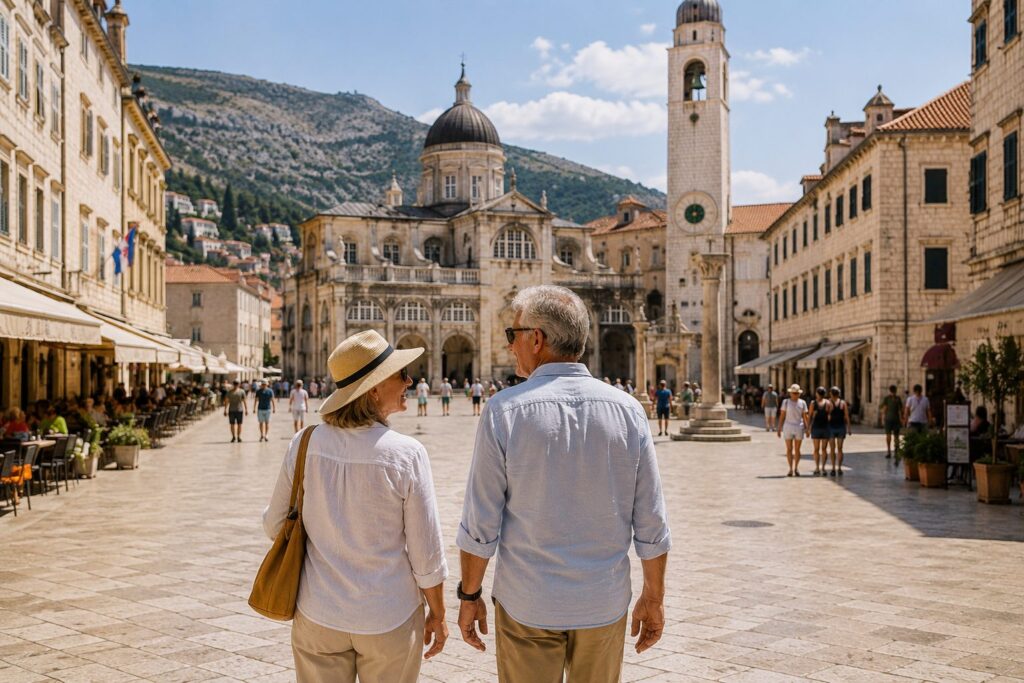
Mature couple exploring a European historic square with fewer crowds in September

Summer Isn’t Necessarily Over

September doesn’t automatically mean autumn coats. Across much of southern Europe, summer conditions can continue well into the month, making it possible to combine sightseeing with beaches, outdoor restaurants and evenings spent outside.

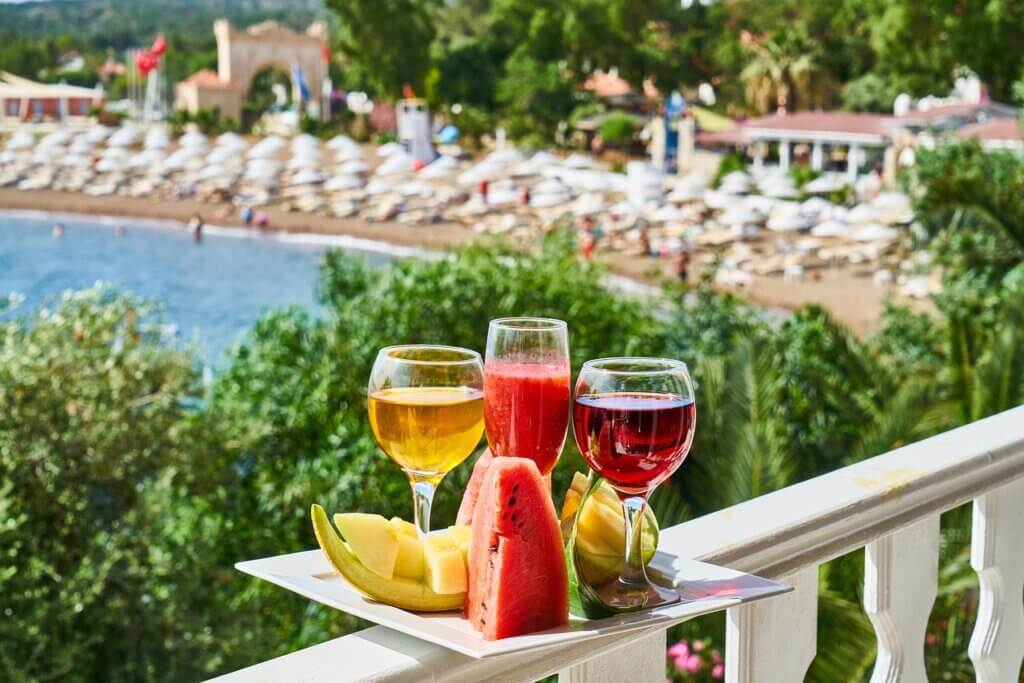
There is another advantage that is easy to overlook. The Mediterranean and Adriatic have spent the entire summer warming up, so sea temperatures can remain inviting even after the peak holiday season has ended. For travellers who enjoy swimming but don’t necessarily enjoy extreme summer heat, this can be an excellent combination.

That makes September particularly interesting if you don’t want to choose between a city break and a beach holiday. Destinations in Greece, Italy, Croatia and Spain can offer both, especially during the first half of the month.

Mature couple enjoying a sunny September day in a Mediterranean coastal town

Better Value — But Don’t Assume Everything Is Cheaper

September can be cheaper than July and August, particularly when it comes to flights. Once the peak summer rush ends, fares on some European routes fall, and travellers with flexible dates can sometimes find much better options.

Hotels are a different matter. Shoulder season has become popular enough that accommodation is no longer automatically a bargain, particularly in major European cities. September is also a busy month for conferences, festivals and cultural events, which can push hotel prices surprisingly high on particular dates.

So we wouldn’t travel in September simply because we assume it will be cheap. We’d choose it because the overall experience can offer better value. A slightly cheaper flight is welcome, but a destination that is considerably more enjoyable is worth even more.

Five Places We’d Consider in September

Italy

September gives travellers an enormous range of choices in Italy. Cities such as Rome and Florence gradually become more comfortable as the most intense summer heat begins to ease, while regions such as Tuscany and Puglia offer a combination of historic towns, countryside and food.

September also begins to introduce one of Italy’s great seasonal experiences: harvest time. Vineyards and agricultural regions start moving into a different rhythm, making this an especially appealing period for slower journeys through the countryside rather than simply ticking off famous cities.

Italy in September is difficult to beat.

Spain

Spain is an appealing choice for September, especially for travellers who want variety. Barcelona, Madrid and Seville are obvious possibilities, but the country rewards those willing to explore beyond its most famous cities.

Valencia combines beaches with culture, while Asturias and Galicia offer greener landscapes and a completely different atmosphere. September can also make walking and sightseeing more comfortable. With excellent rail connections and many distinct regions to choose from,

Spain is ideal for a slower journey combining major sights with less familiar places along the way.

Croatia

Dubrovnik is spectacular, but it is also a perfect example of a destination where when you visit matters almost as much as what you visit. During the busiest summer weeks, crowds can dominate the experience.

September offers a chance to combine Dubrovnik or Split with the Adriatic coast while the weather is still suitable for outdoor activities and swimming. Croatia also works particularly well for travellers who enjoy variety. Historic towns, coastal drives, islands and national parks are relatively close together, making it easy to combine several experiences in one relaxed early-autumn journey.

Greece

If we wanted to extend summer, Greece would be high on our list. September works beautifully for combining historical sites, islands and swimming without committing yourself to the height of the July and August season.

Athens followed by a few days on an island makes an excellent combination. The archaeological sites remain the same, the Aegean is still warm, but the experience can become considerably more comfortable as the most intense summer period begins to pass. September also makes it easier to enjoy outdoor cafés, coastal walks and evenings by the sea without organising the entire day around the heat.

Austria

Austria offers a completely different September experience. Instead of Mediterranean beaches, think Vienna cafés, museums, palaces, vineyards, lakes and excursions into smaller towns and the countryside.

Early autumn is particularly pleasant for exploring cities on foot while still spending plenty of time outdoors. Vienna makes an excellent base thanks to its public transport, while Salzburg, the Wachau Valley and Austria’s lake districts add scenery and variety. It is easy to combine culture, history and nature without rushing, making Austria particularly well suited to a relaxed September journey.

There Is One Catch: Everyone Else Is Discovering September Too

Shoulder season isn’t quite as secret as it used to be. As more travellers gain flexibility over when they travel and become increasingly conscious of summer heat and overcrowding, September is gradually developing into an important travel season of its own. For many travellers, it is no longer simply an alternative to summer, but a preferred time to explore Europe.

That means popular destinations won’t suddenly become empty on September 1. In some places, the traditional distinction between peak season and shoulder season is becoming much less obvious. Destination choice therefore matters just as much as timing, especially if avoiding the busiest tourist areas is part of the plan.

Instead of asking “Where does everyone go in September?”, we think there is a more useful question: “Where will travelling in September actually make the experience better?” That question can lead away from the most obvious places and often towards the more interesting ones.

Why September Fits the Way We Want to Travel

At this stage of our lives, we’re not particularly interested in seeing how many attractions we can squeeze into a single day. We still want to see new places — a lot of them — but we’d rather have enough time for the unexpected café, the local market we didn’t know existed, a train journey through the countryside or simply another hour wandering through an interesting neighbourhood.

That’s why September appeals to us. It isn’t really about travelling less or even necessarily travelling more slowly. It’s about choosing conditions that allow us to enjoy more of the journey instead of spending our energy dealing with heat, queues and crowds.

Perhaps that’s the real appeal of travelling Europe in September: summer isn’t necessarily over, but the worst parts of peak summer travel might be.

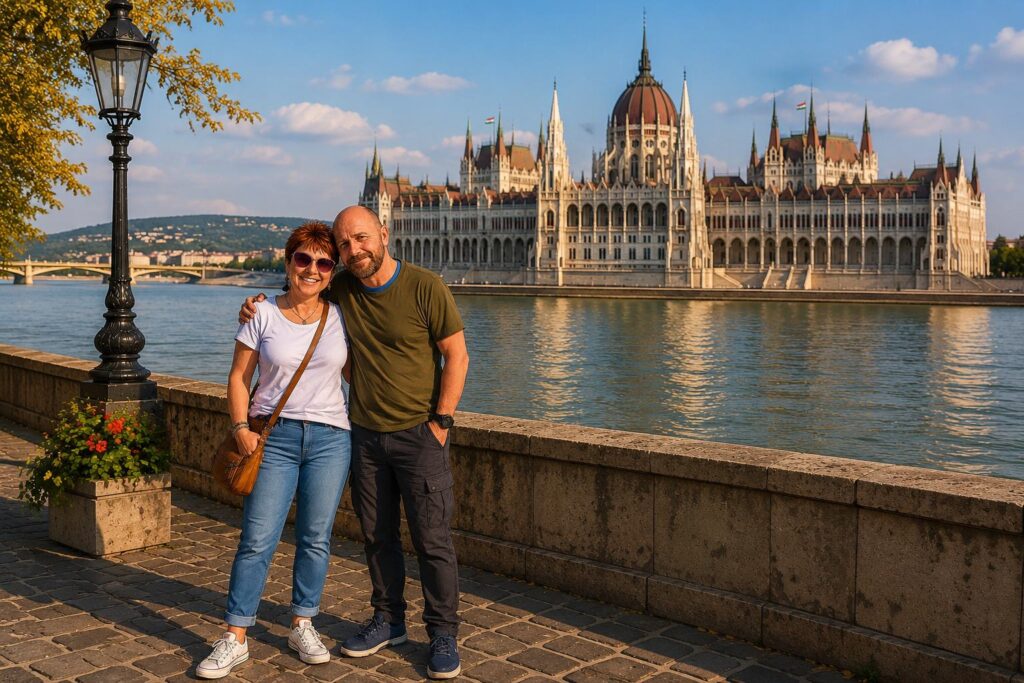
Couple enjoying a September trip in Budapest with the Hungarian Parliament across the Danube

Related posts

Europe in September After 50
September may be one of the best times to explore Europe after 50. Milder weather, fewer peak-season crowds and lingering summer warmth can make travelling more comfortable and rewarding. From Mediterranean coastlines to historic cities, discover why September deserves a place in your travel plans — and where we’d go.

Read More »

Land of Futuristic Skylines, Ancient Deserts

The United Arab Emirates offers a fascinating mix of futuristic cities, rich traditions, desert landscapes, and beautiful beaches. Explore iconic architecture, vibrant souks, world-class museums, and Bedouin heritage. From Dubai’s spectacular skyline to Abu Dhabi’s cultural treasures and peaceful desert oases, the UAE delivers unforgettable experiences for every curious traveler.

Read More »

Vienna’s Urban Oasis

The Haus des Meeres is one of Vienna’s most compelling attractions because it masterfully combines rich history, vibrant biodiversity, and striking architectural design. Walking into this venue means stepping inside a towering WWII concrete flak fortress that has been transformed from a monument of war into a vertical sanctuary for over 10,000 animals.

Read More »

The Accessible UK

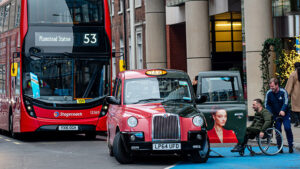
Traveling by wheelchair in the UK is highly manageable with preparation. Equality laws ensure public buildings, modern hotels, and museums offer ramp or elevator access. London’s iconic black cabs feature built-in ramps, and most urban buses are fully accessible. National rail services provide dedicated boarding assistance if booked in advance.

Read More »

Land of Samba, Rainforests, and Carnival

Brazil is a vibrant South American nation famous for its breathtaking natural wonders, including the Amazon Rainforest and Iguazu Falls. Its rich cultural tapestry shines through energetic samba rhythms, world-renowned Carnival celebrations, and diverse cuisine. Boasting stunning beaches and warm hospitality, it offers an unforgettable experience for every traveler.

Read More »
Blue and yellow Boca Juniors mural featuring Diego Maradona inside the club museum

The La Bombonera Stadium Tour

Discover one of South America’s most distinctive football stadiums in the heart of Buenos Aires. A visit to La Bombonera introduces you to Boca Juniors, the club’s history and the intense football culture of the La Boca neighborhood. The stadium’s steep stands and compact design make it an experience unlike almost any other ground.

Read More »

Europe in September After 50 Read More »
Why Smaller is Often Better in Aviation?

The Road Less Traveled: Why Secondary Airports Might Be Your Best Travel Hack

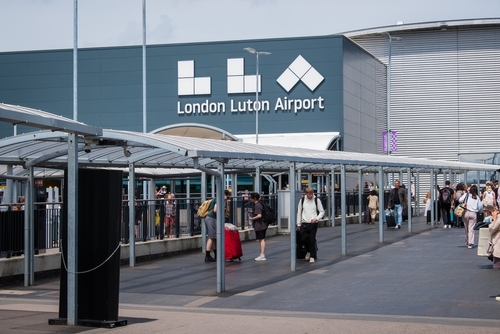
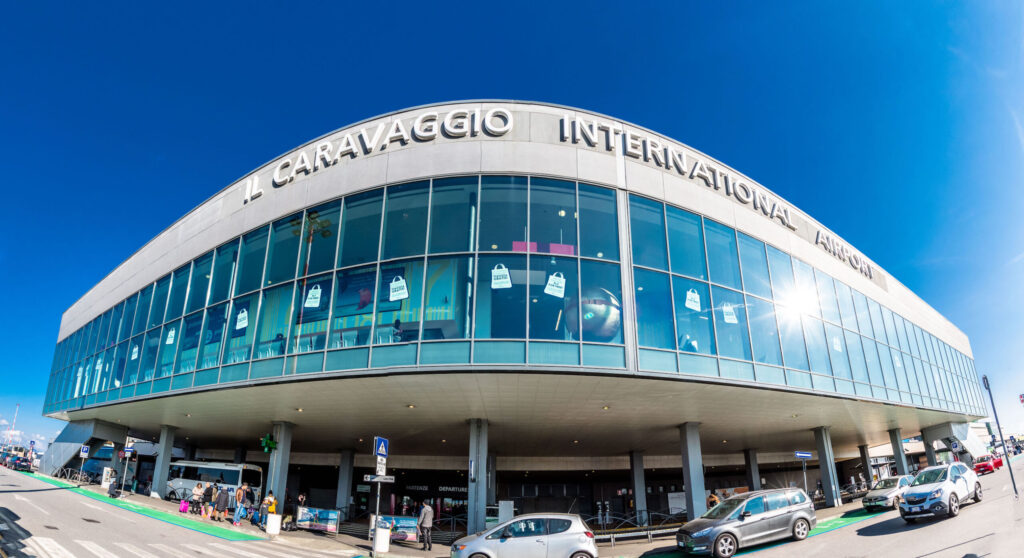
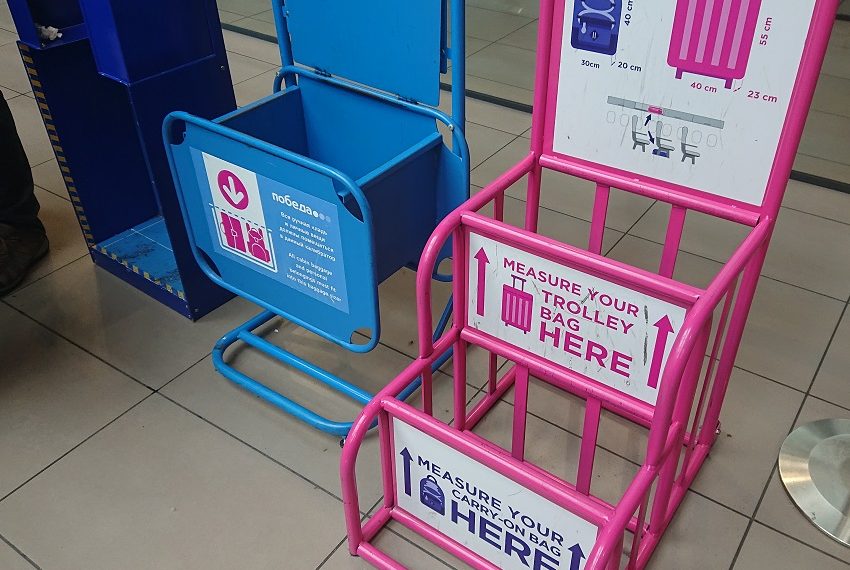
In the golden age of aviation, most travelers instinctively head toward the glittering lights of major international hubs like London Heathrow, Paris Charles de Gaulle, or JFK in New York. However, a growing trend among savvy globetrotters and budget-conscious travelers is the strategic use of secondary or alternative airports. While these smaller hubs might lack the prestige of their “big brothers,” they offer a suite of advantages—and a few specific challenges—that can fundamentally change your travel experience.

Secondary airports are typically located on the outskirts of major metropolitan areas or serve as the primary gateway for smaller, nearby cities. Their rise to prominence is inextricably linked with the explosion of low-cost carriers (LCCs) like Ryanair, Wizz Air, and Southwest Airlines. By choosing to land at airports with lower landing fees, these airlines can pass the savings onto the passenger. But cost is just the tip of the iceberg.

The Advantages: Beyond the Price Tag
  1. Financial Savings

The most immediate benefit is the hit to your wallet—or lack thereof. Because secondary airports charge airlines significantly less for gate access and ground handling, ticket prices are often a fraction of those at primary hubs. Even when you factor in the cost of a shuttle or train to the city center, the total expenditure is frequently lower.


  1. Efficiency and Speed

Major hubs are victims of their own success. Navigating the sprawling terminals of O’Hare or Frankfurt can involve miles of walking and confusing shuttle trains. In contrast, alternative airports are generally more compact. Security lines are shorter, the walk to the gate is quicker, and baggage reclaim is often a breeze. 


  1. Less Congestion and Fewer Delays

Large airports operate at near-maximum capacity. One minor technical glitch or a bout of heavy rain can cause a domino effect of delays. Secondary airports have less air traffic, meaning planes are less likely to sit on the tarmac waiting for a takeoff slot.

The Disadvantages: The Trade-offs
  1. Distance and Transportation Costs

The biggest “catch” is location. Some secondary airports are notoriously far from the cities they claim to serve. For instance, Paris Beauvais is nearly 85 kilometers (53 miles) from the Eiffel Tower. A taxi from such a distance can cost more than the flight itself, and the bus ride can take over 90 minutes.


  1. Limited Amenities

If you enjoy high-end duty-free shopping or luxury lounges, you might find alternative airports disappointing. You are more likely to find a small newsstand and a basic cafeteria than a Gucci boutique or a Michelin-starred bistro.


  1. Fewer Flight Frequencies and Connections

Primary hubs offer “hub-and-spoke” connectivity. If you miss a flight at Heathrow, there’s likely another one in two hours. At a secondary airport, a cancelled flight might mean waiting until the next day—or even several days—if the airline only operates that route three times a week.

The Strategic Value in Times of Crisis

Beyond convenience and cost, knowing alternative airports is a critical survival skill in an increasingly volatile world. When political instability, military conflict, or extreme weather events strike, primary hubs are often the first to be paralyzed.

In regions like the Middle East, we have seen how quickly aviation landscapes can shift. When major hubs like Dubai (DXB), Doha (DOH), or Tel Aviv (TLV) face disruptions due to regional conflicts or airspace closures, the entire global “crossroads” can stall. In such cases, knowing the regional alternatives in neighboring countries is vital.

For instance, during periods of heightened tension or airport closures in the Levant, airports like Amman (AMM) in Jordan, Larnaca (LCA) or Paphos (PFO) in Cyprus, or even Cairo (CAI) in Egypt become essential safety valves. Travelers who are aware of these “Plan B” gateways can often reroute themselves via land borders or short-haul ferries to reach a functioning airfield while thousands of others remain stranded at a shut-down major terminal.

Furthermore, extreme weather—such as the massive sandstorms or flash floods occasionally seen in the Gulf—can ground all flights at a single city’s mega-hub. Having the flexibility to fly into a nearby regional airport in Saudi Arabia (like Dammam) and completing the journey by road can be the difference between reaching home and spending three days on a terminal floor.

Final Thoughts

Using secondary airports is a strategic choice. They are the perfect tool for the flexible traveler, the budget-seeker, and those looking to maintain mobility during geopolitical or environmental “havaria” situations. While they require more research regarding ground transportation and cross-border logistics, the rewards—lower costs, shorter lines, and a vital “escape hatch” in times of crisis—often outweigh the extra miles on the road. Next time you book a trip, don’t just type in the city name; look for the “hidden” airports nearby. Your bank account—and your safety—might just thank you.

Related posts

Europe in September After 50
September may be one of the best times to explore Europe after 50. Milder weather, fewer peak-season crowds and lingering summer warmth can make travelling more comfortable and rewarding. From Mediterranean coastlines to historic cities, discover why September deserves a place in your travel plans — and where we’d go.

Read More »

Land of Futuristic Skylines, Ancient Deserts

The United Arab Emirates offers a fascinating mix of futuristic cities, rich traditions, desert landscapes, and beautiful beaches. Explore iconic architecture, vibrant souks, world-class museums, and Bedouin heritage. From Dubai’s spectacular skyline to Abu Dhabi’s cultural treasures and peaceful desert oases, the UAE delivers unforgettable experiences for every curious traveler.

Read More »

Vienna’s Urban Oasis

The Haus des Meeres is one of Vienna’s most compelling attractions because it masterfully combines rich history, vibrant biodiversity, and striking architectural design. Walking into this venue means stepping inside a towering WWII concrete flak fortress that has been transformed from a monument of war into a vertical sanctuary for over 10,000 animals.

Read More »

The Accessible UK

Traveling by wheelchair in the UK is highly manageable with preparation. Equality laws ensure public buildings, modern hotels, and museums offer ramp or elevator access. London’s iconic black cabs feature built-in ramps, and most urban buses are fully accessible. National rail services provide dedicated boarding assistance if booked in advance.

Read More »

Land of Samba, Rainforests, and Carnival

Brazil is a vibrant South American nation famous for its breathtaking natural wonders, including the Amazon Rainforest and Iguazu Falls. Its rich cultural tapestry shines through energetic samba rhythms, world-renowned Carnival celebrations, and diverse cuisine. Boasting stunning beaches and warm hospitality, it offers an unforgettable experience for every traveler.

Read More »
Blue and yellow Boca Juniors mural featuring Diego Maradona inside the club museum

The La Bombonera Stadium Tour

Discover one of South America’s most distinctive football stadiums in the heart of Buenos Aires. A visit to La Bombonera introduces you to Boca Juniors, the club’s history and the intense football culture of the La Boca neighborhood. The stadium’s steep stands and compact design make it an experience unlike almost any other ground.

Read More »

Why Smaller is Often Better in Aviation? Read More »

The Shift from Budget to Quality

The Evolution of Travel: From Budget to Comfort

For many, the early days of travel are defined by the “budget” badge of honor. We bragged about $15 hostel beds, eighteen-hour bus rides to save fifty bucks, and surviving on street-corner slices. It was an era of endurance. But as time passes, the novelty of “roughing it” fades, replaced by a profound realization: time, energy, and peace of mind are far more valuable than the few dollars saved by sacrificing comfort. Transitioning from a budget traveler to a comfort-oriented traveler isn’t about becoming “snobby”; it’s about efficiency and wellness. After years on the road, here is what we’ve learned about the art of traveling comfortably—and why it’s worth every extra penny.

The Power of “Home Base” Luxury

In our younger years, a hotel was just a place to crash. Now, we understand that your accommodation is your operational headquarters. If you sleep poorly due to a thin mattress or a noisy street, your entire next day is compromised. Traveling comfortably means prioritizing location and climate control. Paying more to stay in a central, walkable neighborhood saves you the stress of long commutes. A room with high-quality linens and a quiet environment isn’t a luxury—it’s an investment in your ability to actually enjoy the destination.

Direct Flights and Lounge Access: The Stress Killers

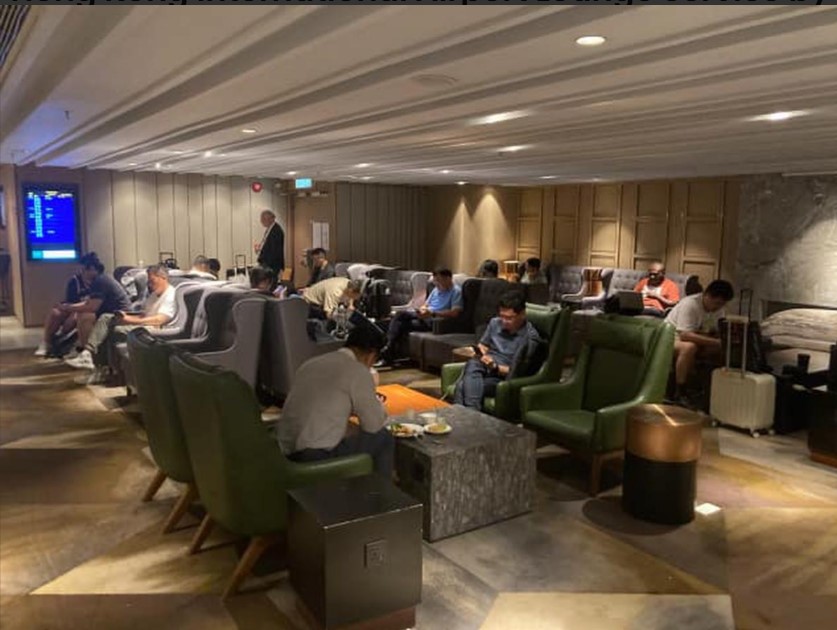
There was a time when a three-layover flight felt like an adventure. Now, we know it’s a recipe for burnout. We’ve learned that direct flights are the ultimate travel hack. Eliminating the anxiety of tight connections is worth the price jump. Furthermore, airport lounges are the great equalizers. Instead of sitting on a cold floor near a crowded gate, spending for lounge access provides a sanctuary with showers, quiet workspaces, and decent food, ensuring you land feeling like a human being.

Safety Net: Investing in Comprehensive Travel Insurance

One of the most expensive mistakes a traveler can make is “saving” money on cheap, basic insurance—or skipping it entirely. We’ve learned that premium travel insurance is the ultimate comfort.

When you travel comfortably, you don’t want to argue with a call center in the middle of a medical emergency. High-end insurance provides “cancel for any reason” clauses, 24/7 concierge support, and high coverage limits for private hospitals. Knowing that a delayed flight or a lost suitcase is merely an inconvenience rather than a financial disaster allows you to remain calm when things go wrong. It’s the price of “sleeping well,” knowing you are fully protected.

Seamless Connectivity: The End of Wi-Fi Hunting

Whether it’s an international roaming plan from your provider or a pre-installed eSIM (like Airalo or Holafly), having high-speed data the moment your plane touches the tarmac is a game-changer. It means you can call a Bolt or Uber immediately, use Google Maps without stress, and translate menus in real-time. Comfort is never having to ask for a Wi-Fi password again; it’s the freedom of being connected whenever and wherever you need it.


Investing in a “Uniform” of High-End Gear

Comfortable travel starts before you leave. We’ve learned to stop buying cheap, disposable gear and start investing in technical fabrics. A pair of high-quality Merino wool shirts can be worn for days without smelling, and professionally fitted walking shoes prevent the blisters that ruin trips. We’ve also learned the value of premium luggage.  your back and your mood.

The “Slow Travel” Philosophy

The biggest enemy of comfort is a bloated itinerary. Trying to see five cities in ten days isn’t traveling; it’s logistics management. We’ve learned that traveling comfortably means doing less, but experiencing more. By staying in one city for a full week, you reduce “packing fatigue.” Comfort is the ability to spend an entire afternoon reading in a park without feeling the “guilt” of a missed tourist attraction.


The Importance of “Buffer Days”

Perhaps the most vital lesson is the necessity of the Buffer Day. We no longer schedule a high-intensity tour for the morning after arrival. Instead, we build in a day to nap and wander aimlessly. Similarly, we leave the day after we return home free. Going straight back to work erases the mental benefits of the vacation. True comfort is knowing you have time to decompress at both ends.

Prioritizing Private Logistics

While public transport is great, sometimes a private transfer is the kindest thing you can do for yourself. Arriving in a foreign city at midnight is not the time to figure out the subway. We’ve learned that pre-booking a car to meet you at the gate removes the “first-hour friction” of a trip. It sets a tone of ease and safety that carries through the rest of the journey.


 Conclusion: Reframing the Cost

Traveling comfortably is about recognizing that you are the most important piece of equipment you take on a trip. If you are tired, stressed, or digitally disconnected, the most beautiful sunset won’t move you.

When we choose comfort over cost, we aren’t being lazy; we are being protective of our experience. We’ve learned that the “best deal” isn’t the one that costs the least—it’s the one that leaves us feeling refreshed, inspired, and ready to explore the world again.

Related posts

Europe in September After 50
September may be one of the best times to explore Europe after 50. Milder weather, fewer peak-season crowds and lingering summer warmth can make travelling more comfortable and rewarding. From Mediterranean coastlines to historic cities, discover why September deserves a place in your travel plans — and where we’d go.

Read More »

Land of Futuristic Skylines, Ancient Deserts

The United Arab Emirates offers a fascinating mix of futuristic cities, rich traditions, desert landscapes, and beautiful beaches. Explore iconic architecture, vibrant souks, world-class museums, and Bedouin heritage. From Dubai’s spectacular skyline to Abu Dhabi’s cultural treasures and peaceful desert oases, the UAE delivers unforgettable experiences for every curious traveler.

Read More »

Vienna’s Urban Oasis

The Haus des Meeres is one of Vienna’s most compelling attractions because it masterfully combines rich history, vibrant biodiversity, and striking architectural design. Walking into this venue means stepping inside a towering WWII concrete flak fortress that has been transformed from a monument of war into a vertical sanctuary for over 10,000 animals.

Read More »

The Accessible UK

Traveling by wheelchair in the UK is highly manageable with preparation. Equality laws ensure public buildings, modern hotels, and museums offer ramp or elevator access. London’s iconic black cabs feature built-in ramps, and most urban buses are fully accessible. National rail services provide dedicated boarding assistance if booked in advance.

Read More »

Land of Samba, Rainforests, and Carnival

Brazil is a vibrant South American nation famous for its breathtaking natural wonders, including the Amazon Rainforest and Iguazu Falls. Its rich cultural tapestry shines through energetic samba rhythms, world-renowned Carnival celebrations, and diverse cuisine. Boasting stunning beaches and warm hospitality, it offers an unforgettable experience for every traveler.

Read More »
Blue and yellow Boca Juniors mural featuring Diego Maradona inside the club museum

The La Bombonera Stadium Tour

Discover one of South America’s most distinctive football stadiums in the heart of Buenos Aires. A visit to La Bombonera introduces you to Boca Juniors, the club’s history and the intense football culture of the La Boca neighborhood. The stadium’s steep stands and compact design make it an experience unlike almost any other ground.

Read More »

The Shift from Budget to Quality Read More »

World Heritage Lessons

What We’ve Learned Visiting World Heritage Sites

World Heritage Sites carry a certain promise. The designation suggests universal value, exceptional history, and cultural or natural significance that transcends borders. When we first began visiting these sites, we expected awe at every turn. What experience has taught us is more layered: World Heritage Sites can be extraordinary, disappointing, overwhelming, or deeply moving—sometimes all at once. Learning how to approach them has changed how much we truly gain from the experience.

The Label Sets Expectations—Sometimes Too High

One of the first lessons we learned is that the World Heritage label creates expectations that reality doesn’t always meet. Some sites genuinely exceed imagination; others feel quieter, subtler, or more fragmented than anticipated. The designation does not guarantee spectacle—it guarantees importance.

Understanding this distinction matters. When we stopped expecting every site to feel monumental, we became more open to appreciating nuance. A partially ruined structure, a cultural landscape, or an industrial heritage site may not overwhelm visually, but its story can be just as powerful when approached with the right mindset.

Context Is Everything

World Heritage Sites rarely explain themselves fully on arrival. Without context, even the most significant places can feel abstract. We’ve learned that preparation transforms visits. Knowing why a site matters—historically, culturally, or environmentally—changes how you see it.

Reading ahead, watching a short documentary, or understanding the historical timeline allows details to come alive. Stones become evidence, layouts reveal intent, and silence gains meaning. Context doesn’t spoil discovery; it deepens it.

Timing Can Define the Experience

Crowds are one of the biggest challenges at popular World Heritage Sites. Visiting at peak hours can flatten the experience into noise, queues, and rushed movement. We’ve learned that timing often matters more than weather or season.

Early mornings, late afternoons, or off-season visits restore a sense of scale and atmosphere. When fewer people are present, it becomes easier to absorb the place rather than manage it. Slower movement, quieter spaces, and moments of stillness allow heritage to feel personal rather than packaged.

Bigger Is Not Always Better

Some World Heritage Sites are vast—entire historic cities, landscapes, or archaeological zones. At first, the size can feel impressive. Over time, we learned that trying to see everything often leads to fatigue and superficial engagement.

Selecting specific areas or themes within a large site creates a more meaningful visit. It’s better to understand one section well than to rush through many without connection. Depth consistently outperforms coverage.


Preservation Comes With Compromises

Another important lesson is that preservation shapes access. Protective barriers, restricted paths, limited signage, and controlled movement can feel frustrating at first. But these measures exist to protect fragile sites for future generations.

Once we reframed these restrictions as stewardship rather than inconvenience, our perspective shifted. Preservation often requires distance—physical and emotional—from the original use of a place. Accepting that trade-off is part of responsible visiting.

Accessibility Varies Widely

World Heritage status does not guarantee accessibility. Many sites were built long before modern mobility considerations, and adaptations are often limited. Uneven surfaces, stairs, and narrow passages are common. We’ve learned to research accessibility carefully and adjust expectations. Sometimes the full site isn’t accessible, but viewpoints, visitor centers, or surrounding areas still offer meaningful engagement. Understanding what is possible avoids disappointment and allows for better planning.


Interpretation Shapes Memory

The quality of interpretation—guides, signage, audio tours, or museums—has a significant impact on how a site is remembered. Well-designed interpretation bridges the gap between past and present, making complex histories understandable without oversimplifying them.

We’ve found that guided tours, when well done, can unlock layers that solo visits miss. A knowledgeable guide can connect architecture, politics, daily life, and symbolism into a coherent narrative that stays with you long after leaving.

Not Every Visit Needs to Be Emotional

There’s often an unspoken expectation that World Heritage Sites should move you deeply. Sometimes they do. Sometimes they don’t—and that’s okay. Learning doesn’t always arrive as emotion. Insight can be intellectual, gradual, or reflective.

We’ve learned to allow reactions to be what they are. Appreciation doesn’t require reverence, and curiosity doesn’t demand awe. Removing emotional pressure creates space for honest engagement.

Heritage Is About People, Not Just Places

Perhaps the most important lesson is that World Heritage Sites are ultimately about people—those who built them, lived there, shaped the landscape, or preserved it. When visits focus only on structures, something essential is lost.

Listening to local voices, understanding contemporary connections, and recognizing living traditions enriches the experience. Heritage is not frozen in time; it continues through memory, identity, and responsibility.

Related posts

Europe in September After 50
September may be one of the best times to explore Europe after 50. Milder weather, fewer peak-season crowds and lingering summer warmth can make travelling more comfortable and rewarding. From Mediterranean coastlines to historic cities, discover why September deserves a place in your travel plans — and where we’d go.
Read More »

Land of Futuristic Skylines, Ancient Deserts

The United Arab Emirates offers a fascinating mix of futuristic cities, rich traditions, desert landscapes, and beautiful beaches. Explore iconic architecture, vibrant souks, world-class museums, and Bedouin heritage. From Dubai’s spectacular skyline to Abu Dhabi’s cultural treasures and peaceful desert oases, the UAE delivers unforgettable experiences for every curious traveler.

Read More »

Vienna’s Urban Oasis

The Haus des Meeres is one of Vienna’s most compelling attractions because it masterfully combines rich history, vibrant biodiversity, and striking architectural design. Walking into this venue means stepping inside a towering WWII concrete flak fortress that has been transformed from a monument of war into a vertical sanctuary for over 10,000 animals.
Read More »

The Accessible UK

Traveling by wheelchair in the UK is highly manageable with preparation. Equality laws ensure public buildings, modern hotels, and museums offer ramp or elevator access. London’s iconic black cabs feature built-in ramps, and most urban buses are fully accessible. National rail services provide dedicated boarding assistance if booked in advance.

Read More »

Land of Samba, Rainforests, and Carnival

Brazil is a vibrant South American nation famous for its breathtaking natural wonders, including the Amazon Rainforest and Iguazu Falls. Its rich cultural tapestry shines through energetic samba rhythms, world-renowned Carnival celebrations, and diverse cuisine. Boasting stunning beaches and warm hospitality, it offers an unforgettable experience for every traveler.

Read More »

Blue and yellow Boca Juniors mural featuring Diego Maradona inside the club museum

The La Bombonera Stadium Tour

Discover one of South America’s most distinctive football stadiums in the heart of Buenos Aires. A visit to La Bombonera introduces you to Boca Juniors, the club’s history and the intense football culture of the La Boca neighborhood. The stadium’s steep stands and compact design make it an experience unlike almost any other ground.

Read More »
World Heritage Lessons Read More »

Travel with Purpose

Travel with Purpose: The Rise of Regenerative and Community-Based Tourism

In 2026, the travel industry has reached a turning point. We no longer ask just “Where can I go?” but “How can my presence help?” This is the essence of Regenerative Tourism. Unlike sustainable tourism, which aims to minimize impact, regenerative travel seeks to leave a destination better than it was found. It’s about building a symbiotic relationship between the traveler and the local environment or community.

The French Castle Revolution 

France is a pioneer in this field through “heritage crowdfunding” and collective ownership. These projects allow travelers not just to visit, but to become part-owners or active restorers of history. Here are 5 key projects:

  1. Château de la Mothe-Chandeniers: Perhaps the most famous example. Over 25,000 people from 115 countries contributed to save this fairy-tale castle from ruins. Travelers can visit and participate in events that fund ongoing restoration. Official Site.
  2. Château de l’Ebaupinay: This 14th-century fortress is being rebuilt using medieval techniques. It’s a “living laboratory” where visitors can learn ancient crafts, making it a perfect “purposeful” destination.
  3. Château de Vibrac: A project focused on eco-restoration. The goal is to create an organic farm and eco-lodges within the castle grounds, blending heritage with permaculture.
  4. Château de Boulogne-sur-Mer: Often involves youth volunteer programs (rempart) where travelers spend their holidays physically rebuilding castle walls while living with locals.
  5. Château de Saint-Vincent-le-Paluel: Saved by a community of thousands, this site focuses on cultural events that revitalize the local Dordogne economy.
Why Community Matters 
When money stays local—spent at family-owned gîtes, village markets, or regional workshops—the “leakage effect” of tourism is minimized. In the Rhineland, visiting sites like Schloss Augustusburg in Brühl instead of just staying in downtown Cologne helps distribute wealth to smaller municipalities, ensuring the long-term survival of regional heritage.
 
Conclusion: How to Be a Purposeful Traveler
To travel with purpose, one must slow down. Choose destinations that offer volunteer opportunities, support local artisans, and respect the “under-tourism” philosophy. By choosing a project like a French castle restoration or a local heritage trail in Germany, your vacation becomes a legacy.

Related posts

From Fairytale Castles to Modern Marvels

Germany offers a perfect mix of historic charm and modern efficiency. You can explore fairytale castles, world-class museums, and vibrant beer gardens while enjoying a highly reliable transport system. Whether you seek the scenic beauty of the Bavarian Alps or the creative energy of Berlin, Germany delivers a truly diverse European experience.

Read More »

The Heart of the Werkself

Discover the BayArena, home of Bayer Leverkusen and one of Germany’s most modern football stadiums. A stadium tour offers a closer look at the club’s distinctive history, its connection to the city of Leverkusen, and the facilities behind the matchday experience. Its compact design makes the BayArena feel very different from Europe’s huge football arenas.

Read More »
Beyond the Spires

Discover the architectural wonders of the Rhineland! From the awe-inspiring Cologne Cathedral, a Gothic masterpiece dominating the skyline, to the nearby Rococo elegance of Augustusburg and Falkenlust Palaces, this region offers a journey through history. Explore these UNESCO World Heritage sites and witness centuries of artistic brilliance firsthand.

Read More »

The Cradle of Civilization

A Mediterranean cruise is a celebration of life (La Dolce Vita). It is the perfect symphony of culture, history, and world-class cuisine. Whether you are sipping wine in a Spanish vineyard or watching the sunset over the Acropolis, this journey is guaranteed to nourish both your soul and your palate.

Read More »
Natural Wonder Between Land and Tides

The Wadden Sea is the world’s largest unbroken system of intertidal sand and mud flats, stretching along the coasts of the Netherlands, Germany, and Denmark. This UNESCO World Heritage site supports over 10,000 species and serves as a vital stopover for millions of migratory birds each year.

Read More »

The World’s Most Legendary Luxury Train

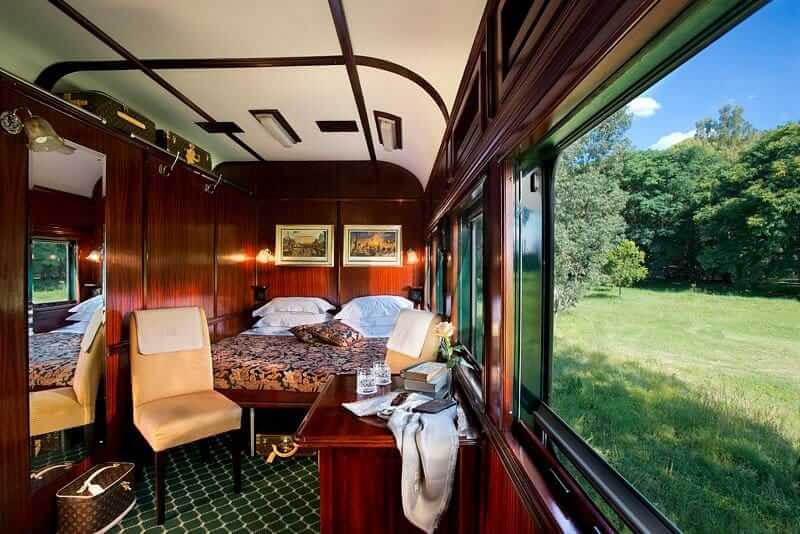
Orient Express offers a once-in-a-lifetime experience where the romance of pre-war Europe truly comes to life. The unparalleled gastronomy, private steward service, and breathtaking landscapes transform the journey into an unforgettable adventure that goes far beyond mere transportation.

Read More »

Travel with Purpose Read More »

Train Journeys vs. Flying

What We’ve Learned From Train Journeys vs. Flying

For years, flying was the default for efficiency, yet experience reveals a more nuanced truth. While planes prioritize raw speed, they often sacrifice the soul of travel, isolating passengers at 35,000 feet. In contrast, rail journeys redefine efficiency through comfort, space, and environmental connectivity.
Moving by train fosters a deeper relationship with the shifting landscape, transforming transit into an immersive experience where cities and nature blend seamlessly. You avoid the sterile stress of airport security, gaining the freedom to move and reflect. Choosing the train is a deliberate decision to value the quality of time over mere arrival. Ultimately, rail travel proves that the journey isn’t just a gap between destinations—it is a vital, scenic part of the adventure itself.

Time Is More Than Flight Duration

One of the biggest misconceptions about flying is how much time it actually saves. While flight times may be short, the total travel window often tells a different story. Getting to the airport, security checks, waiting at gates, boarding delays, and baggage claim add layers of friction that are easy to underestimate.

Train travel compresses those layers. Stations are usually central, boarding is simpler, and arrival places you directly inside the city rather than miles away. When measured door to door, trains often compete surprisingly well—especially on short and medium-distance routes.

The Physical Experience Matters

After 50, how your body feels during and after a journey becomes more noticeable. Flying is physically demanding in subtle ways: cramped seating, limited movement, pressure changes, dry air, and long periods of enforced stillness. Even short flights can leave you tired or stiff.

Trains offer a different physical rhythm. Seats are generally more spacious, aisles allow free movement, and standing up doesn’t require permission. Walking to a café car, stretching by the door, or simply shifting positions reduces fatigue. Arriving by train often feels calmer, with energy still intact for the day ahead.


Luggage Becomes Less of a Battle

Air travel has turned luggage into a negotiation. Weight limits, liquid rules, overhead bin competition, and unpredictable baggage handling create stress before the journey even begins. Packing becomes an exercise in restriction.

Trains are more forgiving. Bags stay with you, liquids are not an issue, and access is immediate. This simplicity reduces anxiety and allows more realistic packing—especially helpful for longer trips or travelers with specific needs. The ability to reach your belongings at any time adds a sense of control that flying rarely offers.

The Journey vs. the Transfer

Flying treats travel as a transfer between points. The goal is arrival, and everything in between is something to endure. Trains, by contrast, integrate the journey into the experience. Landscapes unfold gradually. Cities fade into countryside, and geography becomes visible rather than abstract. This change in perspective is subtle but powerful. Train travel reconnects distance with meaning. Watching the world pass by restores a sense of scale and continuity that flying removes. The journey itself becomes part of the story, not a blank space between destinations.

Reliability and Disruption Feel Different

Both trains and planes experience delays. The difference lies in how those disruptions feel. Airport delays often trap passengers in controlled environments with limited options. Uncertainty builds quickly when gates change or information is scarce.

Train delays, while frustrating, tend to feel more transparent and manageable. Stations are easier to navigate, alternatives may be visible, and the atmosphere is generally less tense. When disruptions happen, trains often preserve a sense of agency that air travel strips away.

Accessibility and Ease of Movement

Accessibility considerations highlight the contrast even further. Airports are large, complex spaces that require long walks, multiple levels, and strict processes. Assistance exists, but it often comes with waiting and dependency.

Train stations, especially in Europe and parts of Asia, are typically more intuitive. Step-free boarding, level platforms, and shorter distances between services make navigation easier. Movement feels natural rather than procedural. This ease benefits not only travelers with mobility needs but anyone who values clarity and autonomy.

Environmental Awareness Changes Perspective

While sustainability may not be the primary reason people choose trains, awareness grows with experience. Trains generally have a lower environmental impact than flying, especially on regional routes. Choosing rail over air can align travel habits with broader values without sacrificing comfort or enjoyment.

This awareness adds another layer to decision-making. Travel becomes not just about personal convenience but about responsible choices that still deliver rich experiences.

When Flying Still Makes Sense

None of this means flying has no place. Long-distance travel, limited rail networks, or time-critical trips often make flights unavoidable. Flying can be practical, even necessary. The lesson is not to reject flying, but to question automatic choices.

We’ve learned to evaluate routes individually rather than defaulting to air travel. Sometimes flying is the right tool. Other times, it’s simply the familiar one.

Choosing the Right Journey

The most important insight from comparing train journeys and flying is this: travel quality is shaped by how you move, not just where you go. Trains invite presence, movement, and continuity. Flights prioritize speed at the cost of experience.

After 50, travel becomes less about racing time and more about respecting it. Choosing trains when possible aligns with that shift. The journey feels grounded, human, and connected to the world outside the window.

We’ve learned that when the journey itself becomes enjoyable, arrival feels different too. And that difference stays with you long after the trip is over.

Related posts

Land of Futuristic Skylines, Ancient Deserts

The United Arab Emirates offers a fascinating mix of futuristic cities, rich traditions, desert landscapes, and beautiful beaches. Explore iconic architecture, vibrant souks, world-class museums, and Bedouin heritage. From Dubai’s spectacular skyline to Abu Dhabi’s cultural treasures and peaceful desert oases, the UAE delivers unforgettable experiences for every curious traveler.

Read More »

Land of Samba, Rainforests, and Carnival

Brazil is a vibrant South American nation famous for its breathtaking natural wonders, including the Amazon Rainforest and Iguazu Falls. Its rich cultural tapestry shines through energetic samba rhythms, world-renowned Carnival celebrations, and diverse cuisine. Boasting stunning beaches and warm hospitality, it offers an unforgettable experience for every traveler.

Read More »
Land of Fjords

Norway offers a breathtaking escape into nature, from majestic fjords and dramatic mountains to the enchanting Northern Lights. It’s a paradise for hikers and photographers seeking serenity. Beyond the scenery, you’ll experience high-quality living, safe cities, and a unique culture that perfectly balances modern innovation with ancient Viking history.

Read More »

High Mountains, Black Sea Beaches

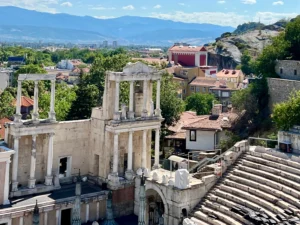
Bulgaria is a captivating blend of ancient history and diverse landscapes. From Sofia’s vibrant streets to the sun-soaked Black Sea coast and rugged Balkan peaks, it offers an authentic European experience. With affordable public transport and rich traditions, it’s a hidden gem perfect for travelers seeking both adventure and value.

Read More »

The Art of Living Well

Italy is a timeless destination that rewards travellers with unforgettable experiences, rich culture, and exceptional cuisine. Whether visiting for the first time or returning again, it remains one of the most satisfying countries to explore in the world. From high-speed rail to coastal drives, every journey reveals breathtaking, historic wonders.

Read More »

Land of Stunning Coastlines

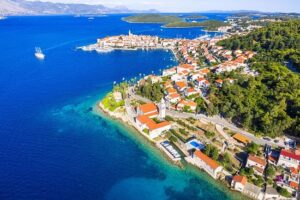
Croatia is a Mediterranean gem offering over 1,000 islands, crystal-clear waters, and ancient Roman history. From the breathtaking Plitvice waterfalls to the iconic walls of Dubrovnik, it blends natural beauty with vibrant culture. Whether sailing the Adriatic or exploring medieval towns, Croatia provides an unforgettable and diverse European escape.

Read More »

Train Journeys vs. Flying Read More »

Language Barriers and Communication Abroad

What We’ve Learned About Language Barriers and Communication Abroad

Language is often seen as one of the biggest obstacles in travel. Before our first trips abroad, we worried about saying the wrong thing, not being understood, or feeling awkward in unfamiliar conversations. Over time, experience reshaped that fear. Language barriers are real, but they are rarely the barrier we imagine. In fact, learning how to communicate without full linguistic control has become one of the most valuable skills we’ve gained through travel. One of the most powerful ways to navigate language barriers isn’t just words — it’s slowing down, getting present, and genuinely connecting with people and places, much like what we explore in our guide to intentionally experiencing destinations.

Fluency Is Helpful, but Not Required

One of the first lessons we learned is that fluency is not the standard for successful communication. Knowing a few essential words: hello, thank you, please, numbers, and directions, often opens more doors than perfect grammar ever could. Effort matters more than accuracy.

People respond positively when they see that you are trying. Even imperfect pronunciation signals respect and interest. We’ve learned that communication begins with attitude, not vocabulary size.

Body Language Speaks Constantly

When words fall short, the body takes over. Gestures, facial expressions, posture, and tone often communicate more clearly than sentences. A smile, a nod, or an open stance can dissolve tension faster than translation apps. We became more aware of how we present ourselves physically. Calm movements, patience, and eye contact build trust across cultures. While gestures vary by region, sincerity is universally recognizable.

Simplicity Improves Understanding

Travel taught us to simplify how we speak. Short sentences, clear pauses, and neutral words reduce confusion. When communication breaks down, repeating the same sentence louder rarely helps. Rephrasing does. We’ve learned to avoid slang, idioms, and culturally specific references. Speaking more slowly and choosing basic structures increases comprehension on both sides. This habit improves communication even in shared languages.

Technology Is a Tool, Not a Solution

Translation apps and digital tools are powerful allies. They help with menus, directions, and essential questions. But they are not substitutes for human interaction. Overreliance on screens can interrupt connection rather than support it.

We’ve learned to use technology as backup, not a shield. Showing translated text, pointing at a phrase, or confirming understanding can be effective, but maintaining eye contact and engagement matters as much. The human element still leads the conversation.

Listening Is More Important Than Speaking

Language barriers sharpen listening skills. When words are limited, attention increases. We learned to listen for tone, intention, and context instead of focusing only on literal meaning. This kind of listening creates space for patience and mutual problem-solving. It transforms communication from a transaction into collaboration. Often, understanding emerges not from one clear sentence, but from shared effort over several attempts.

Misunderstandings Are Part of the Experience

Miscommunication is inevitable. Wrong trains, unexpected meals, or confused directions are part of the reality of travel. Early on, we saw these moments as failures. Over time, we learned to treat them as stories rather than setbacks. Approaching misunderstandings with humor and flexibility reduces stress. Most people are willing to help correct mistakes when approached calmly. Accepting imperfection keeps communication moving forward instead of freezing it.

Cultural Context Matters as Much as Words

Language does not exist in isolation. Cultural norms shape how and when people speak, interrupt, refuse, or agree. We learned that silence, indirect answers, or hesitation often carry meaning that words alone cannot explain. Observing local behavior, how people queue, greet, or interact, provides valuable clues. Matching communication style to cultural context reduces friction and shows respect even without shared language.

Confidence Grows With Exposure

Each successful interaction builds confidence. Ordering a meal, asking for directions, or resolving a small issue reinforces the belief that communication is possible. Over time, fear fades, and curiosity takes its place. We’ve learned that confidence doesn’t come from knowing every word. It comes from trusting your ability to navigate uncertainty. That confidence becomes transferable, helping in new countries and unfamiliar situations alike.

When Silence Is Enough

Not every moment requires explanation. Shared experiences—watching a sunset, sitting on a train, or observing daily life—often need no words at all. Travel reminds us that presence can be its own form of communication. Recognizing when silence is appropriate prevents unnecessary strain. Sometimes, understanding is felt rather than spoken.

Communication as Connection, Not Control

The most important lesson we’ve learned is that communication abroad is not about control, it’s about connection. Language barriers force us to slow down, pay attention, and engage more thoughtfully. When we stop trying to sound perfect and start trying to understand, communication becomes richer. Traveling through languages we don’t fully speak has taught us humility, patience, and empathy—qualities that matter far beyond travel itself. In the end, language barriers don’t limit travel. They deepen it, reminding us that meaning is built together, one interaction at a time.

Related posts

Land of Futuristic Skylines, Ancient Deserts

The United Arab Emirates offers a fascinating mix of futuristic cities, rich traditions, desert landscapes, and beautiful beaches. Explore iconic architecture, vibrant souks, world-class museums, and Bedouin heritage. From Dubai’s spectacular skyline to Abu Dhabi’s cultural treasures and peaceful desert oases, the UAE delivers unforgettable experiences for every curious traveler.

Read More »

Land of Samba, Rainforests, and Carnival

Brazil is a vibrant South American nation famous for its breathtaking natural wonders, including the Amazon Rainforest and Iguazu Falls. Its rich cultural tapestry shines through energetic samba rhythms, world-renowned Carnival celebrations, and diverse cuisine. Boasting stunning beaches and warm hospitality, it offers an unforgettable experience for every traveler.

Read More »

Land of Fjords

Norway offers a breathtaking escape into nature, from majestic fjords and dramatic mountains to the enchanting Northern Lights. It’s a paradise for hikers and photographers seeking serenity. Beyond the scenery, you’ll experience high-quality living, safe cities, and a unique culture that perfectly balances modern innovation with ancient Viking history.

Read More »

High Mountains, Black Sea Beaches

Bulgaria is a captivating blend of ancient history and diverse landscapes. From Sofia’s vibrant streets to the sun-soaked Black Sea coast and rugged Balkan peaks, it offers an authentic European experience. With affordable public transport and rich traditions, it’s a hidden gem perfect for travelers seeking both adventure and value.

Read More »

The Art of Living Well

Italy is a timeless destination that rewards travellers with unforgettable experiences, rich culture, and exceptional cuisine. Whether visiting for the first time or returning again, it remains one of the most satisfying countries to explore in the world. From high-speed rail to coastal drives, every journey reveals breathtaking, historic wonders.

Read More »

Land of Stunning Coastlines

Croatia is a Mediterranean gem offering over 1,000 islands, crystal-clear waters, and ancient Roman history. From the breathtaking Plitvice waterfalls to the iconic walls of Dubrovnik, it blends natural beauty with vibrant culture. Whether sailing the Adriatic or exploring medieval towns, Croatia provides an unforgettable and diverse European escape.

Read More »

Language Barriers and Communication Abroad Read More »

7 Unexpected Surprises

7 Unexpected Surprises on the Wembley Stadium Tour

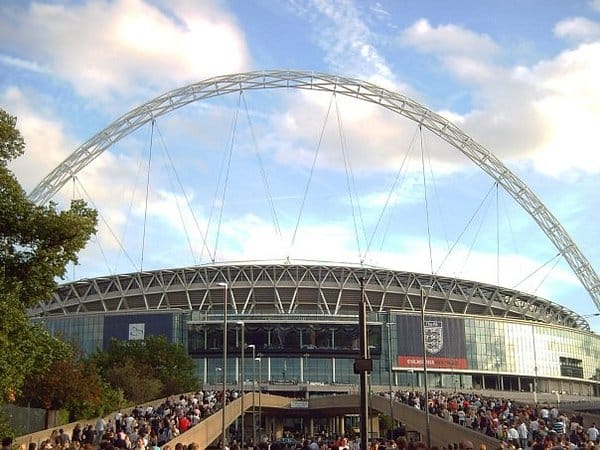
For many, the Wembley Stadium Tour is a pilgrimage. They come to see the famous arch, the lush green turf, and the place where England won the World Cup in 1966. However, once inside the “Home of Football,” participants often find that the most memorable parts of the journey are the things they never expected to see. 

  1. The Immensity of the “Backstage” The first thing that catches people off guard is the sheer scale of the internal infrastructure. While we see the 90,000 seats on TV, we rarely consider what lies beneath. Wembley feels less like a stadium and more like a subterranean city. The service tunnels are wide enough to drive heavy trucks through, and the logistics required to switch the venue from a massive Harry Styles concert to an England international match in just 48 hours is a feat of engineering that leaves many visitors speechless. 
  2. The “Weight” of the Crossbar One of the most emotional surprises is located in the museum section: the original crossbar from the 1966 World Cup final. While fans expect to see jerseys and medals, standing inches away from the very piece of wood that determined the most controversial goal in football history (was it over the line?) brings a tangible sense of history. It isn’t just a relic; it’s a silent witness to England’s greatest sporting moment, and its weathered, simple appearance is a stark contrast to the high-tech stadium surrounding it. 
  3. The Royal Box and the “Stairway to Heaven” Almost every participant is surprised by the physical effort required to reach the Royal Box. On television, players seem to glide up the stairs to collect their trophies. In reality, there are 107 steps from the pitch to the presentation area. Walking these stairs yourself—feeling the slight burn in your legs—gives you a sudden, newfound respect for players who have just finished 120 minutes of grueling football and still have to make that climb to lift the FA Cup. 
  4. The Acoustic Engineering Wembley was designed with a specific “bowl” shape to trap sound. During the tour, guides often demonstrate the stadium’s acoustics. Even when empty, the way a simple clap or a shout echoes through the stands is haunting. Visitors are often surprised to learn that the stadium was acoustically tested to ensure that the “Wembley Roar” remains one of the most intimidating sounds in the sporting world. The roof isn’t just for rain; it’s a giant sounding board designed to amplify 90,000 voices. 
  5. The Luxury of the Dressing Rooms While some stadiums keep their dressing rooms humble to maintain a “focused” atmosphere, Wembley’s facilities are pure luxury. Participants are often taken aback by the size of the warm-up areas—indoor spaces where players can sprint and practice ball work before even stepping into the tunnel. Seeing the personalized lockers of icons like Harry Kane or Jude Bellingham makes the experience feel intensely personal, bridging the gap between the fans in the stands and the stars on the field.
  6. The “Secret” Chapel Perhaps the most profound surprise is the existence of a multi-faith prayer room and chapel within the stadium. In a place dedicated to the noise and adrenaline of sport, this quiet, reflective space offers a sharp contrast. It serves as a reminder that for the players and staff, Wembley is a place of immense pressure where spiritual or mental calm is often sought before the storm of a major final. 
  7. The View from the Manager’s Bench Finally, sitting in the manager’s seat in the dugout offers a surprising perspective. From that low angle, you realize how little of the overall tactical play a manager can actually see. You aren’t watching a tactical board; you are watching a blur of speed and hearing the physical thud of the ball. It’s a claustrophobic, high-pressure viewpoint that changes how you’ll watch the next game on television. 

Conclusion

The Wembley Stadium Tour proves that the “Home of Football” is much more than just a famous arch. It is a place of hidden history, grueling physical demands, and meticulous engineering. Whether it’s the weight of the 1966 crossbar or the 107 steps to glory, the surprises found within these walls are what transform a simple tour into a lifelong memory. 

If you are planning to visit, remember that the most impactful moments aren’t always the ones you see on the highlights reel—they are the ones you discover in the quiet tunnels and the echoing stands of this legendary arena.

Related posts

Exterior of Wembley Stadium with its iconic arch

The Arch of Dreams

Step inside Wembley Stadium, one of Britain’s most recognizable sporting landmarks. The tour takes you behind the scenes, with stops that may include the dressing rooms, players’ tunnel, pitchside areas and the Royal Box. Along the way, you’ll discover the sporting history and memorable events that have made Wembley much more than just a football stadium.

Read More »

7 Unexpected Surprises Read More »

The Nestle Verdict

The Nestlé Verdict: Is the Experience Worth Your Time?

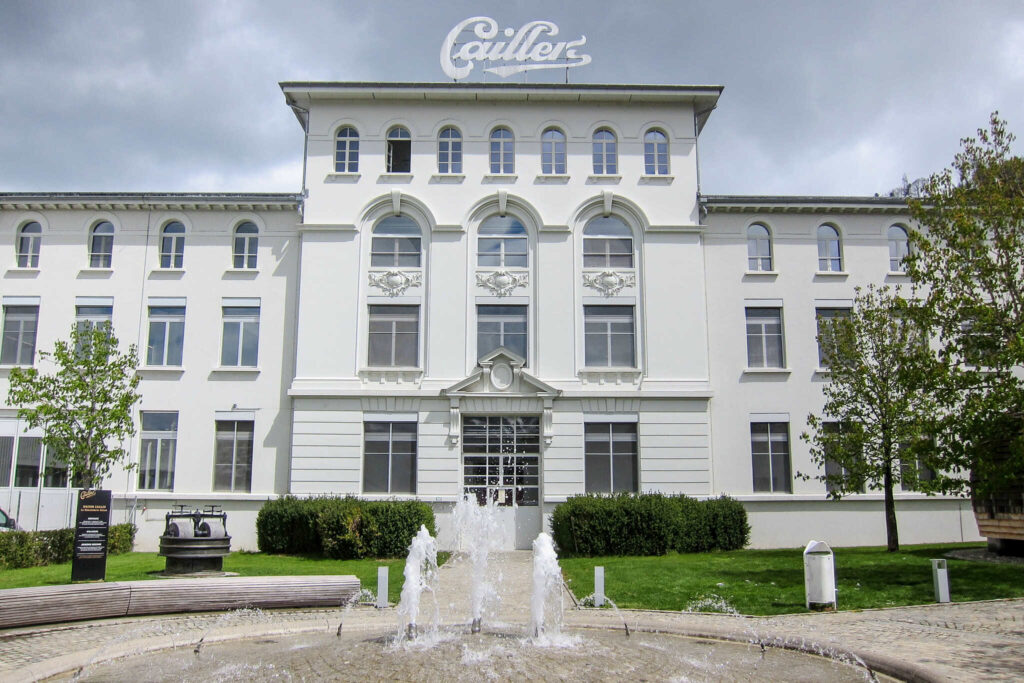
When travelers plan a trip through the Swiss Riviera, the “Nestlé factory tour” often sits at the top of their itinerary. However, it is important to clarify a common misconception before setting out: Nestlé does not open its actual industrial production lines to the public. Instead, the brand offers two distinct, world-class experiences—Maison Cailler in Broc and nest in Vevey. Since you won’t be standing amidst clanking gears or heavy machinery, the real question is whether these polished visitor centers are worth your time.

If your heart is set on a “Willy Wonka” atmosphere, Maison Cailler is the undisputed gold standard. Often regarded as one of the best corporate museums in Europe, the journey here is a high-tech, multi-sensory adventure. It begins in a series of automated rooms where sound, light, and movement narrate the story of cocoa, tracing its path from ancient Aztec rituals to the modern Swiss kitchen. As you move through the exhibits, you are encouraged to touch and smell raw cocoa beans and the rich condensed milk that gives this chocolate its signature velvet texture.
The true highlight for many, however, is the small-scale automated production line where you can watch “Branche” bars being wrapped and dropped into trays for immediate tasting. The grand finale is an all-you-can-eat degustation room that alone often justifies the ticket price. For chocolate lovers, the sensory experience here is hard to beat.
 

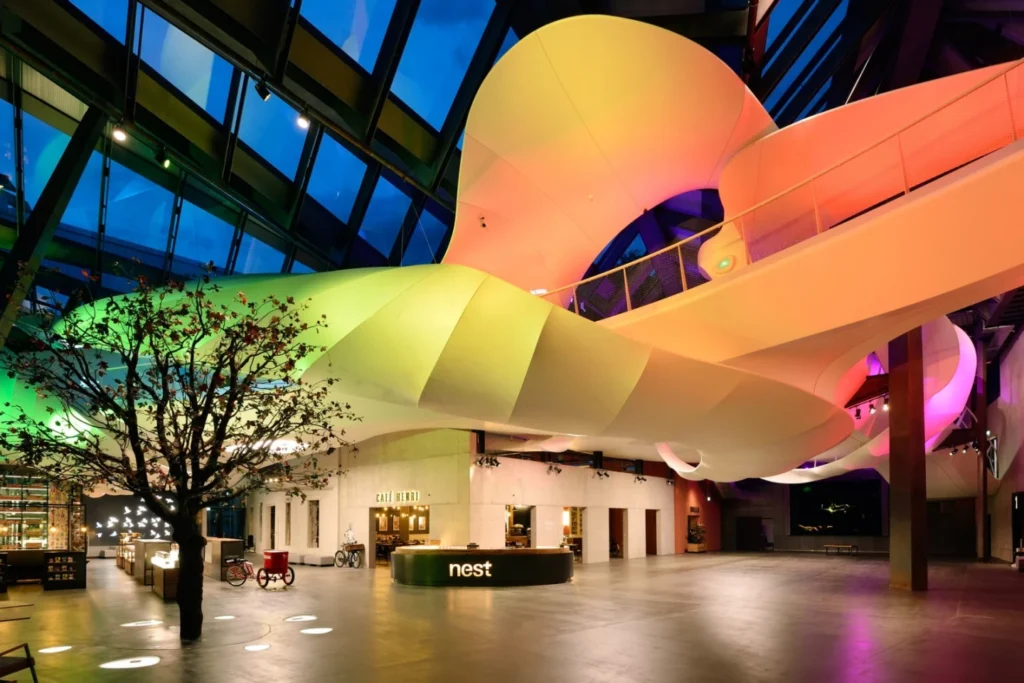
A few miles away in Vevey, located on the exact site where Henri Nestlé invented his first infant cereal, you will find nest. This experience is entirely different—it is a masterpiece of modern architecture dedicated to the “Nestlé DNA.” Rather than focusing on sweets, this discovery space uses augmented reality and futuristic designs to explore the company’s 150-year history and the science of global nutrition. If you are fascinated by branding, innovation, or how the world will eat in 2050, this sophisticated hub is a must-see.

 
However, these experiences are not for everyone. If you are an industrial purist hoping to see raw manufacturing or massive vats of liquid chocolate, you might leave feeling underwhelmed by the polished, museum-like environment. Similarly, those who prefer quiet, off-the-beaten-path gems may find the high-volume crowds during peak season a bit overwhelming. These sites are, at their core, brilliant brand-building tools. For the budget traveler, the commercial pressure of the massive gift shops at the exit can also be a deterrent.
Ultimately, both sites demonstrate legendary Swiss precision and hospitality. While they are “tours” in the modern, educational sense rather than a peek behind the industrial curtain, the quality of the storytelling makes them a worthwhile stop. If you go with managed expectations—seeking entertainment and insight rather than a rugged factory floor—you will likely find these visits to be a highlight of your journey through the Lake Geneva region. If you truly crave a raw, non-commercial experience, your time might be better spent at a small, local artisan workshop or a traditional mountain dairy.

Related posts

The Sweetest Journey

The Maison Cailler tour in Broc offers an interactive, multi-sensory journey through the history and production of Swiss chocolate. Visitors explore ancient cocoa origins, watch live production lines, and participate in hands-on workshops. The experience concludes with generous, unlimited tastings of premium chocolate varieties in the legendary tasting room.

Read More »

The Nestle Verdict Read More »

Packing Less and Smarter

What We’ve Learned About Packing Less and Smarter

Packing used to feel like preparation for every possible scenario. Extra shoes “just in case,” clothing for hypothetical occasions, items duplicated out of fear rather than need. Over time—and many trips later—we learned a simple truth: most overpacking comes from anxiety, not experience. Learning to pack less and smarter didn’t happen overnight, but it has transformed the way we travel. Now, we focus on a “capsule” wardrobe—versatile pieces that layer easily and work for multiple settings. We realized that if we truly forget something, we can find it at our destination, often discovering a unique local shop in the process.

Embracing the carry-on-only lifestyle has been the ultimate game-changer. Skipping the baggage carousel saves time and physical energy, allowing us to navigate cobblestone streets or train stations with ease. We no longer travel as pack animals burdened by “what-ifs”; instead, we travel as explorers, carrying only what serves our joy and our comfort. 

More Items Don’t Equal More Readiness

One of the first lessons we learned is that carrying more does not make travel easier. It makes it heavier—physically and mentally. Managing bulky luggage adds friction at every step: airports, train stations, hotel rooms, taxis, and sidewalks. Each extra item quietly taxes energy and attention. When we began traveling with fewer belongings, movement became smoother. Decision-making simplified. Instead of managing possessions, we focused on the journey itself. Readiness, we learned, comes from adaptability—not volume.

Overpacking is often driven by hypothetical situations. What if it rains? What if there’s a formal dinner? What if something breaks? Experience taught us that most of these scenarios never materialize—and when they do, solutions are usually available locally.

Nearly every destination has shops, pharmacies, and services. Trusting this reality reduces the urge to prepare for every contingency. Packing smarter means accepting that travel involves improvisation—and that improvisation is rarely a problem.

Packing less means choosing better foundational items. Clothing that layers well, dries quickly, and works in multiple settings replaces single-purpose pieces. Neutral colors mix more easily. Comfortable footwear does more than extra outfits ever could. We learned to prioritize items that serve multiple roles. A lightweight jacket that works for city walks and cooler evenings. Shoes that handle both sightseeing and casual dining. Fewer items, chosen intentionally, outperform crowded suitcases every time.

Early on, we worried about wearing the same items repeatedly. Over time, we realized that no one notices—and no one cares. For us, travel isn’t a fashion show; it’s a lived experience. Repeating outfits reduces decisions and simplifies mornings. It also highlights which items truly work and which don’t. Packing smarter means letting go of the idea that variety equals value.

Laundry Is a Strategy, Not an Inconvenience

Once we embraced lighter packing, laundry stopped feeling like a burden and started feeling like a tool. Whether through hotel services, laundromats, or quick sink washes, refreshing clothing allows longer trips with fewer items.

Planning for occasional laundry frees you from carrying excess. It also creates natural pauses in travel—moments to rest, reset, and slow down. Packing smarter often aligns naturally with traveling slower.

Carrying less impacts posture, balance, and endurance—especially as we get older. Heavy bags strain joints, complicate stairs, and reduce mobility. We learned that lighter luggage preserves energy for what actually matters: exploring, observing, and enjoying.

The physical freedom of lighter packing changes how you move through spaces. Stairs feel manageable. Transfers feel calmer. Arrival feels less like recovery and more like continuation.

There’s also a psychological benefit to packing less, which is easy to underestimate. Fewer items mean fewer things to track, lose, or worry about. Packing and unpacking become quick. Hotel rooms feel more livable. Departures are calmer. This simplicity carries over into the travel mindset. When you’re not managing clutter, your attention opens outward. Travel becomes more about presence and less about logistics.

Packing smarter also improves accessibility. Lighter bags are easier to lift, maneuver, and manage in tight spaces. This matters not only for travelers with mobility considerations but for anyone navigating uneven terrain, public transport, or historic buildings. Choosing bags with good wheels, balanced weight distribution, and manageable size supports independence and confidence. Accessibility is not only about destinations—it’s about how you arrive there.

Letting Go of Perfection

Perhaps the hardest lesson was accepting that packing perfectly is impossible. There will always be something you don’t use and something you wish you’d brought. Smarter packing isn’t about eliminating regret—it’s about minimizing it.

Each trip teaches you more about your habits, preferences, and real needs. Packing becomes iterative. Experience replaces guesswork.

Ultimately, packing less and smarter reflects a broader shift in how we travel. It aligns with intentional movement, thoughtful choices, and respect for our own limits. It’s not about deprivation—it’s about clarity.

We’ve learned that the lighter our bags become, the richer our travel feels. When possessions stop demanding attention, experiences step forward. And that, more than any packing list, is what makes a journey memorable.

Related posts

The World’s Most Legendary Luxury Train

Orient Express offers a once-in-a-lifetime experience where the romance of pre-war Europe truly comes to life. The unparalleled gastronomy, private steward service, and breathtaking landscapes transform the journey into an unforgettable adventure that goes far beyond mere transportation.

Read More »

Journey Through the Nile

A Nile cruise is the ultimate journey of “slow travel,” offering a serene rhythm where the ancient landscape unfolds slowly, punctuated by spectacular archaeological stops. In 2026, enhanced visitor facilities and digital guides at major sites make these ancient wonders more accessible than ever before.

Read More »

A Wheelchair User’s Guide to Italy

Traveling in a wheelchair in Italy is an achievable and rewarding experience. While ancient cobblestones present hurdles, modernized transport like the Trenitalia Sala Blu service offers seamless inter-city travel. Major attractions in Rome and Milan are increasingly accessible, proving that with prior planning, Italy’s beauty can be enjoyed by everyone.

Read More »

Packing Less and Smarter Read More »

The Art of the Slow Down

The Art of the Slow Down: What Travel Looks Like After 50

Back in the day, we didn’t just travel—we conquered. Success was a passport full of stamps and a schedule so tight there was barely time to breathe. But somewhere along the line, that frantic pace lost its charm. We realized that rushing through the world wasn’t the same as actually seeing it. Now that we’re on the other side of 50, we’ve embraced a new philosophy: traveling slower isn’t about doing less; it’s about finally having the time to let a place get under your skin.

Depth over distance

We stopped treating cities like a grocery list. Instead of trying to see three countries in a week, we stay put. There is a quiet magic in waking up in the same neighborhood for five days straight. You start to recognize the barista at the corner, you find the “good” bench in the park, and the streets start to feel like they belong to you. It’s in these slow, unplanned moments—a long chat with a local artisan or a second glass of wine while people-watching—where the real memories are made.

Energy as a currency

Let’s be honest: we don’t have the same bottomless energy we had at twenty, and that’s actually a blessing. It forced us to stop fighting our clocks and start listening to them. We’ve traded “marathon days” for “breathing room.” A morning exploring a gallery, a long, lazy lunch, and an afternoon where the only plan is to see where a side street leads. When you stop treating travel as an endurance test, everything feels lighter.

Comfort Is Not a Luxury—It’s a Strategy

Another important realization: comfort directly affects the quality of travel. Choosing accommodation closer to where you plan to spend time, prioritizing walkability, reliable transportation, and quiet at night can transform an entire trip.

Slower travel encourages better decisions. Instead of changing hotels every night, staying put for several days reduces packing, unpacking, and mental overload. Familiar surroundings bring a sense of ease that makes exploration more enjoyable. Comfort isn’t about indulgence—it’s about sustainability.

Planning Less, Observing More

Traveling slower has also changed how we plan. Detailed, minute-by-minute itineraries often collapse under real-world conditions anyway. Delays, weather, crowds, and unexpected closures are part of travel at any age. After 50, we’ve learned to plan frameworks instead of scripts.

We identify a few priorities, understand the logistics, and leave space for spontaneity. This flexibility allows us to adjust without frustration. When plans shift, slower travel turns disruption into opportunity rather than disappointment.

Returning to Places, Seeing Them Differently

One of the unexpected joys of traveling after 50 is revisiting destinations we saw decades earlier. The places may be familiar, but the experience is entirely different. We notice details we once rushed past. Museums feel quieter, meals last longer, and perspectives deepen.

Slower travel allows reflection. You don’t just see where you are—you compare who you were and who you’ve become. That contrast adds emotional depth to travel that simply wasn’t accessible in earlier years.

Health, Accessibility, and Awareness

Slowing down also means being more attentive to health and accessibility. Whether it’s joint comfort, balance, stamina, or mobility considerations, travel becomes more thoughtful. We look ahead for elevators, seating, shade, and transport options not as limitations, but as tools that support better experiences.

This awareness often improves travel for everyone. Routes that are easier to navigate are usually more pleasant. Clear information, good infrastructure, and realistic pacing make trips smoother and more enjoyable regardless of age.

Travel as Enrichment, Not Proof

Perhaps the most important lesson we’ve learned is this: travel no longer needs to prove anything. We don’t need to demonstrate how adventurous or capable we are. Slower travel shifts the focus from performance to presence.

Instead of asking “How much can we see?” we now ask “What will stay with us?” The answer is rarely the number of attractions visited. It’s the feeling of a place, the rhythm of days, and the sense of connection that lingers long after returning home.

The Freedom of Slowing Down

Traveling slower after 50 is not about age—it’s about intention. It’s about choosing depth over speed, comfort over exhaustion, and meaning over momentum. The irony is that slowing down often makes travel feel richer, fuller, and more memorable than ever before.

We’ve learned that when you stop racing through destinations, travel stops racing past you. And that may be one of the greatest privileges of traveling later in life.

Related posts

The World’s Most Legendary Luxury Train

Orient Express offers a once-in-a-lifetime experience where the romance of pre-war Europe truly comes to life. The unparalleled gastronomy, private steward service, and breathtaking landscapes transform the journey into an unforgettable adventure that goes far beyond mere transportation.

Read More »

Journey Through the Nile

A Nile cruise is the ultimate journey of “slow travel,” offering a serene rhythm where the ancient landscape unfolds slowly, punctuated by spectacular archaeological stops. In 2026, enhanced visitor facilities and digital guides at major sites make these ancient wonders more accessible than ever before.

Read More »

A Wheelchair User’s Guide to Italy

Traveling in a wheelchair in Italy is an achievable and rewarding experience. While ancient cobblestones present hurdles, modernized transport like the Trenitalia Sala Blu service offers seamless inter-city travel. Major attractions in Rome and Milan are increasingly accessible, proving that with prior planning, Italy’s beauty can be enjoyed by everyone.

Read More »

The Art of the Slow Down Read More »

Scroll to Top