Mexico Travel Guide: Ancient Cities, Living Culture and Unexpected Discoveries

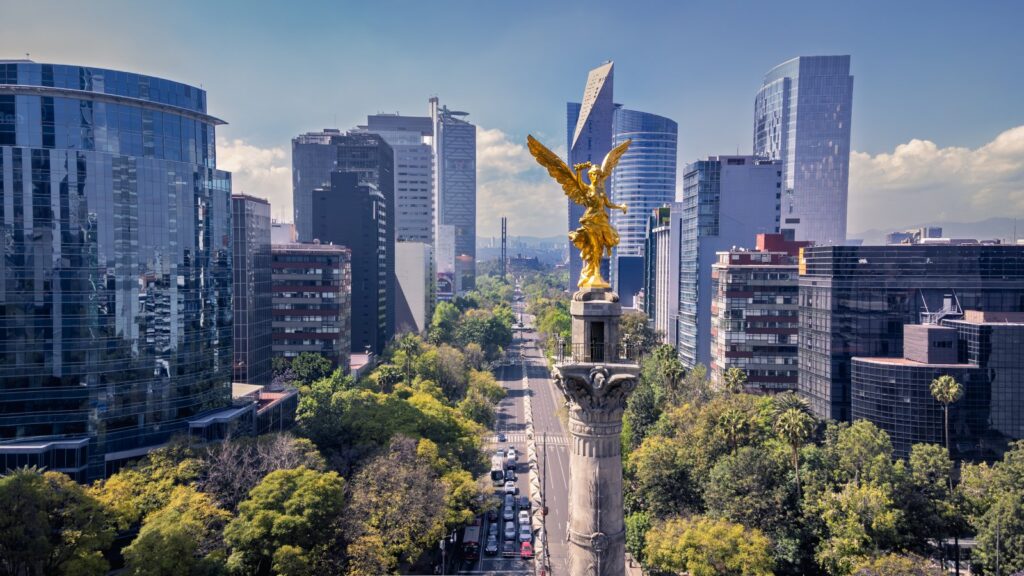
Angel of Independence monument on Paseo de la Reforma in Mexico City, Mexico, surrounded by modern skyscrapers and trees.

Mexico rewards travellers who look beyond a single image of the country. Its appeal stretches from ancient ceremonial cities and historic mining towns to contemporary art, regional cooking and landscapes shaped by mountains, desert and tropical forest. A beach holiday can be part of the experience, but it tells only one chapter.

For us, the most interesting starting point is the relationship between places and the people who shaped them. A watercourse, a market or a hillside street can reveal as much as a celebrated monument. This Mexico travel guide introduces several ways to explore the country, with room for slower visits and discoveries beyond the familiar resort destinations.

Basic Facts About Mexico

Mexico is in North America, south of the United States, with coastlines facing the Pacific Ocean, the Gulf of Mexico and the Caribbean Sea. Its capital is Mexico City, and its currency is the Mexican peso, abbreviated MXN. The country’s scale matters when planning: combining distant regions can mean substantial travel time rather than a simple change of scenery.

Spanish is the main language used by travellers, but Mexico’s linguistic identity is much broader. Indigenous languages remain part of everyday life and cultural expression across the country. Learning a few Spanish greetings is a useful beginning; recognising that different regions have distinct histories and communities is equally valuable.

Entry requirements depend on nationality and individual circumstances. Check the relevant Mexican consulate before booking, and use current information for your own passport rather than assuming another traveller’s experience applies to you.

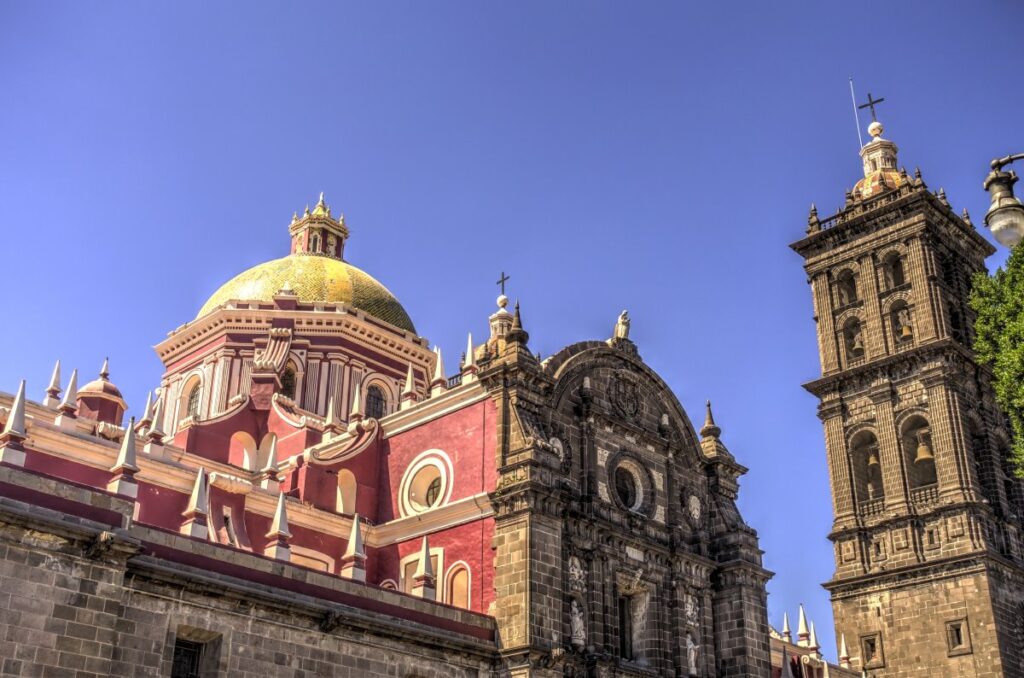
Historic church façade and ornate stone bell tower in Puebla, Mexico, beneath a clear blue sky.

Cities and Architecture: Where to Begin in Mexico

Mexico City is a rewarding starting point for travellers who enjoy discovering several historical layers within one neighbourhood. Begin around the Zócalo, where the Metropolitan Cathedral and the remains of the Templo Mayor bring colonial architecture and the earlier city of Tenochtitlán into close proximity. Follow pedestrianised Calle Madero towards the Palacio de Bellas Artes, pausing at the tiled façade of the Casa de los Azulejos. This creates a coherent introduction to the historic centre rather than a collection of disconnected stops.

Puebla offers a different architectural character, with decorated façades, Talavera tiles and an important historic centre. Its cathedral and surrounding streets make a natural starting point, while the relationship between ceramics and architecture gives the city a distinctive visual identity. Look beyond the largest monuments: tiles around a doorway or across a building’s façade can be as memorable as an elaborate church interior. Allow time to pause in the squares and notice how these decorative details change from one street to the next.

Querétaro suits visitors interested in squares, courtyards and baroque architecture. Include the churches of Santa Rosa de Viterbo and San Agustín, then explore the streets around the historic centre at a slower pace, leaving time for a café stop between visits. The city’s monumental aqueduct adds a visible engineering story and a different perspective on its urban heritage. It is a separate structure from the Padre Tembleque aqueduct system, which lies in the states of Hidalgo and Mexico.

Guanajuato’s appeal comes from its valley setting and the way the city fits around it. The Teatro Juárez, the Alhóndiga de Granaditas and the university buildings provide concrete stops among the winding streets and small squares. Underground roads add an unusual dimension, while steep lanes mean that a route which looks short on a map may still require considerable effort. Travellers with limited mobility should plan transfers and walking sections individually.

Guadalajara adds an artistic focus through the Museo Cabañas, housed in the historic Hospicio Cabañas and known for José Clemente Orozco’s murals. Nearby Tlaquepaque offers another experience through craft shops, galleries and places to hear mariachi music. Together, they make a useful combination for travellers who want architecture, art and a lively regional atmosphere.

Mexico’s World Heritage: Ancient Cities and Working Landscapes

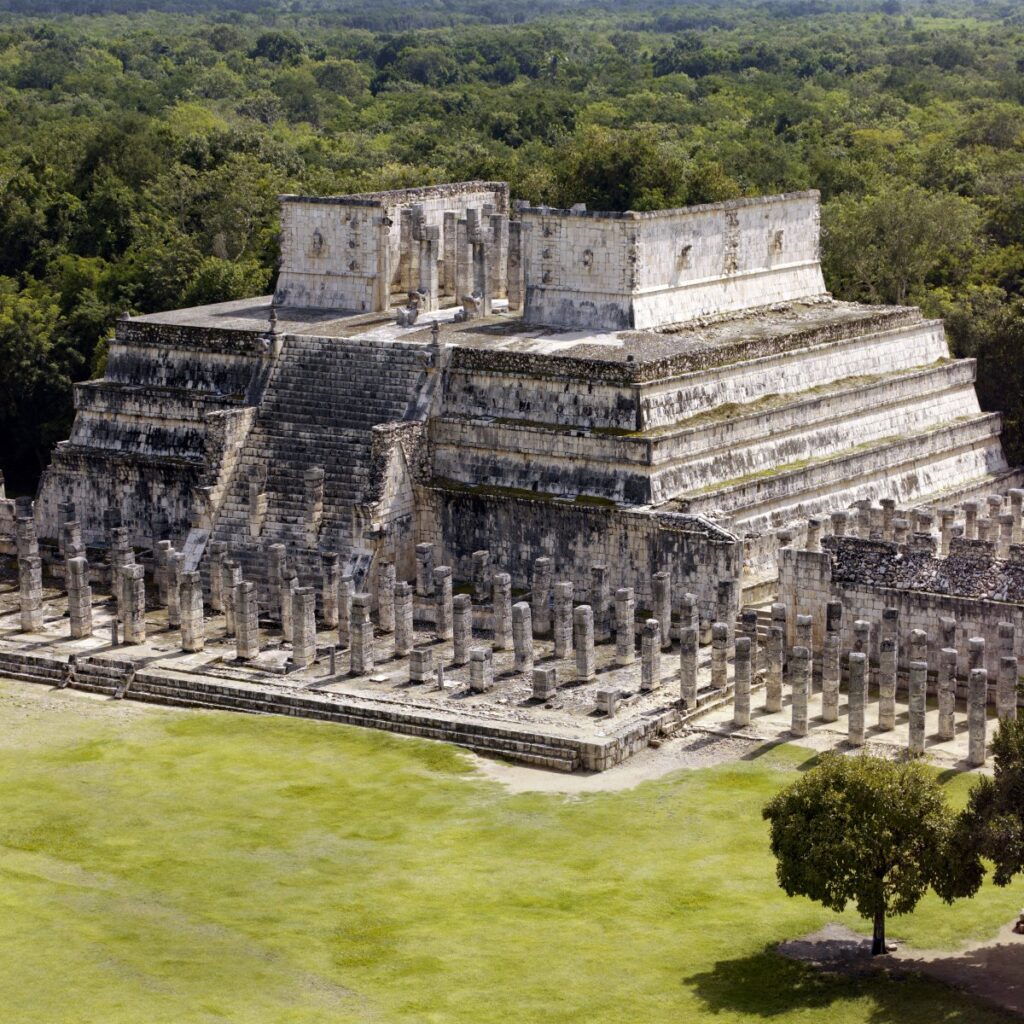
Temple of the Warriors at Chichén Itzá, Mexico, with stepped stone terraces and rows of columns surrounded by forest.

Mexico has 36 UNESCO World Heritage properties, but the most useful question is which ones complement your chosen region. The UNESCO overview of Mexico includes archaeological cities, historic urban centres, industrial landscapes and natural reserves. Choose a few with contrasting stories rather than trying to turn the list into an itinerary. Pairing a historic town with a nearby archaeological site can reveal different sides of the same region.

Near Mexico City, Teotihuacán offers an encounter with a monumental pre-Hispanic city. Its pyramids, broad ceremonial axis and surviving architectural complexes make the scale of ancient urban planning tangible. Take time to notice how the buildings relate to one another, rather than moving straight between the largest monuments. Allow time to understand the layout and the people who inhabited it; the site is more than a backdrop for a pyramid photograph. For a more comfortable visit, explore in manageable sections and take regular breaks along the way.

In Yucatán, Chichén Itzá and Uxmal provide two distinct introductions to Maya architecture. Chichén Itzá is associated with major monuments including El Castillo and its Great Ball Court. Uxmal is particularly rewarding for its Puuc architecture and intricate stone decoration, notably around the Governor’s Palace and the Nunnery Quadrangle. Mérida can serve as a base for exploring the region, but the two sites require separate journeys.

Palenque, in Chiapas, offers a different setting: Maya architecture surrounded by tropical vegetation. Its palace complex and temples are known for their architectural and sculptural detail. Oaxaca and Monte Albán create another strong pairing, connecting a living historic city with a hilltop ceremonial centre overlooking the surrounding valleys.

For travellers drawn to engineering, the Padre Tembleque aqueduct system offers a story of water supply and construction. Built between 1555 and 1572, it combines European hydraulic traditions with local Mesoamerican knowledge. Its arcades make an impressive subject, but the wider water system explains why the monument matters. Tequila’s agave landscape and historic distilleries show how cultivation and manufacturing shaped a region. Guanajuato and its adjacent mines reveal another connection between production, wealth and urban development. These places broaden the World Heritage experience beyond ruins: they help explain how people worked, moved resources and built the towns that visitors explore today.

Natural Landscapes: Forests, Lagoons and Canyon Country

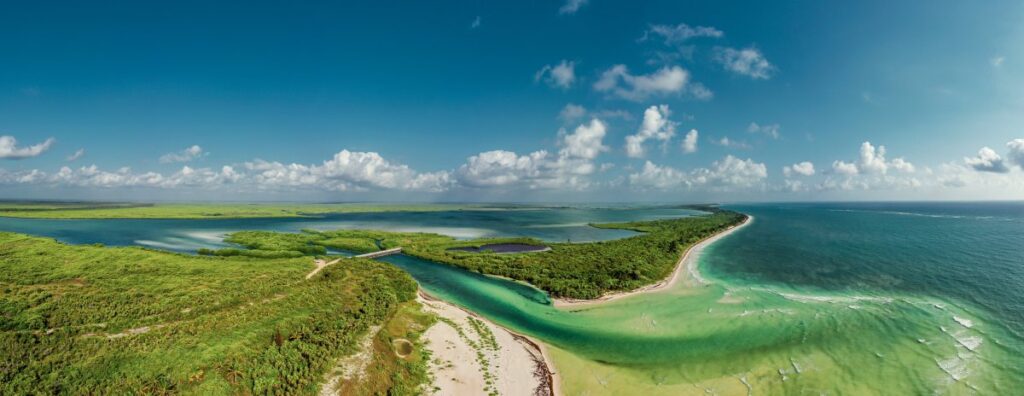
Aerial view of turquoise waterways, mangroves and sandy shores in Sian Ka’an Biosphere Reserve, Mexico.

Sian Ka’an, on the Caribbean side of the Yucatán Peninsula, offers a different experience from the nearby resort coastline. Its protected landscape includes tropical forest, mangroves, wetlands, lagoons and marine habitats. Choose an organised visit that clearly identifies the area you will explore and the activities involved. A lagoon or wildlife excursion can be a worthwhile alternative to spending every coastal day on the beach, but boat boarding and land transfers need checking if mobility is limited.

For a seasonal wildlife encounter, consider the Monarch Butterfly Biosphere Reserve in the mountains of Michoacán and the State of Mexico. From approximately November to March, monarch butterflies gather in their overwintering forests. Public visitor areas include El Rosario and Sierra Chincua; confirm the season’s opening arrangements before travelling. Forest paths can involve climbing and uneven ground, so ask about the actual route rather than assuming a sanctuary visit is an easy stroll.

Baja California offers another wildlife setting at the Whale Sanctuary of El Vizcaíno. The lagoons of Ojo de Liebre and San Ignacio are important wintering and breeding areas for grey whales. A visit here belongs in a Baja itinerary rather than being added casually to a trip around Mexico City or Yucatán. Look for authorised boat operators, confirm seasonal departures and ask about boarding conditions before booking.

In northern Mexico, the Copper Canyon region introduces mountain scenery on a much larger scale. Creel, in Chihuahua, is a gateway to forests, rock formations, lakes and the surrounding canyon country, as well as an encounter with the region’s Rarámuri heritage. Choose excursions according to your comfort with walking, heights and long transfers; panoramic scenery does not have to mean an adventurous activity at every stop.

For travellers interested in combining archaeology and forest, Calakmul is another possibility. Its World Heritage property brings together an ancient Maya city and protected tropical forest in Campeche. The journey and site visit deserve dedicated planning, rather than being treated as a quick detour.

These destinations are widely separated. We would choose one that fits the main region and season of a trip: Sian Ka’an for a Caribbean itinerary, monarch forests for a central Mexico journey, or whale lagoons for Baja California. That gives nature a meaningful place in the holiday without spending too much of it in transit.

Food and Craft: Follow the Region

Mexican food becomes more interesting when approached regionally. Oaxaca offers an introduction through markets and dishes such as moles, tlayudas and tamales. A market visit can also reveal ingredients and everyday eating habits that are less visible on a restaurant menu aimed primarily at visitors. Give food experiences enough time. Ask what distinguishes a local preparation, and choose places where you can understand the dish rather than simply recognise its name. Mexico’s official tourism portal offers destination information that can help connect regional food with the places you intend to visit.

Tequila adds a production story. The agave landscape is connected to the cultivation of the plant and its processing in distilleries. When choosing a visit, look for an experience that explains the work behind the drink: growing, harvesting and production, alongside the history of the surrounding town and landscape.

Getting Around Mexico: Buses, Flights and Passenger Trains

For travel between cities, long-distance coaches are an important option. Operators serve different regions: ADO is useful for journeys such as Mexico City–Oaxaca and connections around Mérida, Cancún and Tulum, while ETN Turistar offers connections between Mexico City and destinations including Querétaro and Guanajuato. Check the exact departure and arrival terminals before booking, as reaching your accommodation may require another transfer. If climbing coach steps is difficult, ask the operator about boarding arrangements for the specific service. Domestic flights are worth comparing when combining distant regions. A central Mexico itinerary followed by the Yucatán Peninsula, for example, can involve a substantial overland journey. Compare the whole transfer, including airport access, baggage and arrival time, rather than flight duration alone. For a shorter trip, staying within one region often leaves more time for the places you came to see.

In Mexico City, the Metro and Metrobús provide alternatives to travelling entirely by car. The rechargeable Movilidad Integrada card is used across these systems; consult the Metrobús network information to plan your route. At Mexico City International Airport, authorised taxi services are another option for travellers arriving with luggage. Check your arrival airport carefully: AICM and Felipe Ángeles Airport are separate airports, so their transfer arrangements are not interchangeable.

Passenger rail is already an option in southeastern Mexico. Tren Maya serves destinations including Palenque, Campeche, Mérida-Teya, Valladolid and Cancún. Compare train and coach journeys for your particular itinerary, including the onward transfer from the station. In Mérida, for example, Mérida-Teya station is linked with the city by IE-TRAM; arriving at a station does not necessarily mean arriving in the historic centre.

A rental car can be useful for combining smaller towns and rural stops, but decide on the route before deciding to drive. Plan daylight journeys, check current regional travel advice and road conditions, and confirm parking with your accommodation. In historic centres, a car may be more useful between destinations than during the visit itself. For travellers with limited mobility, arrange specific transfers and check access at individual attractions rather than relying on a general “accessible” description.

A separate railway project is also bringing Mexico’s past into the news. The Mexico City–Querétaro passenger line is still under construction and is not yet a service travellers can book. Archaeologists working alongside it have recovered ceramics revealing earlier settlement and cultural exchange; INAH is studying and reconstructing finds at a laboratory in Tepeji del Río de Ocampo, Hidalgo. The INAH announcement adds a fascinating historical dimension to the project, while Querétaro’s existing heritage remains a reason to visit today.

Mexican Culture: Art, Living Traditions and Regional Identity

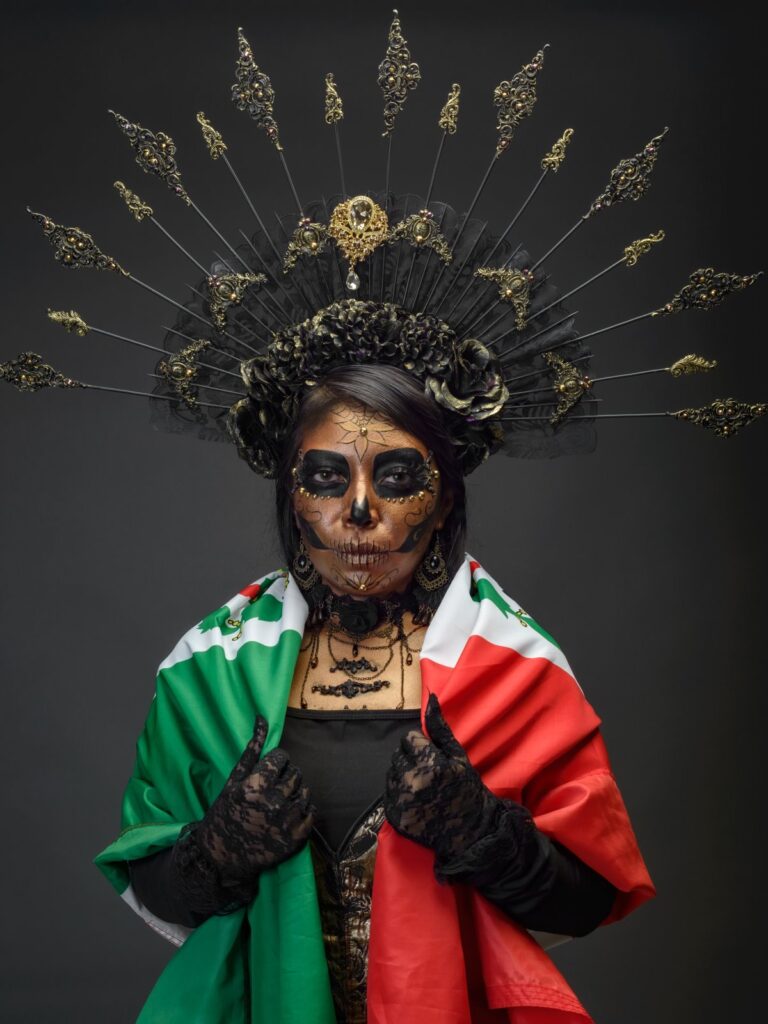
Woman with La Catrina skull makeup and an elaborate black and gold headdress, draped in the flag of Mexico.

Mexico’s cultural identity is shaped by Indigenous traditions, colonial history and modern artistic movements, but these influences take different forms across the country. A museum in Mexico City, a craft workshop in Oaxaca and a musical evening in Guadalajara offer distinct perspectives. Give these experiences space alongside the archaeological sites: they help connect the past with the country people live in today.

Mexico City is a strong starting point for art. Frida Kahlo’s Casa Azul in Coyoacán brings visitors into the domestic setting associated with her life, while Diego Rivera’s Anahuacalli connects his interest in pre-Hispanic objects with an unusual architectural vision. Check the Frida Kahlo Museum’s official information for booking arrangements and the available options for visiting the two museums. Together, they offer different ways to approach two artists whose work is closely associated with Mexico.

Public murals provide another route into the country’s artistic history. Rather than treating them simply as colourful decoration, look at how they portray workers, Indigenous communities, political struggle and national identity. A guided art visit can help explain the figures and events depicted, especially if Mexican history is unfamiliar. Balance this with a contemporary exhibition: Mexican creativity did not stop with its best-known twentieth-century painters.

Oaxaca offers a more regional encounter through markets, textiles and craft traditions. When choosing a workshop visit, ask whether you will meet the maker and learn about materials and techniques. A woven textile or ceramic object becomes more meaningful when you understand the work behind it. Avoid treating all crafts as one national style: communities and individual makers have their own practices, designs and stories.

Language is part of that diversity. Mexico recognises Spanish and Indigenous languages as national languages, with 68 Indigenous language groupings encompassing many variants. Indigenous identity belongs to contemporary Mexico as much as to archaeological interpretation. Listen for local languages, respect community rules and ask permission before photographing people, ceremonies or work in progress.

Music and celebrations can add another dimension to a visit, but choose the experience thoughtfully. Look for a public performance, museum programme or locally organised event where visitors are welcome. Religious and community celebrations have meaning beyond their visual appeal; attending respectfully matters more than securing a photograph. Confirm the programme for your actual travel dates, as a festival name alone does not tell you what will be open to visitors.

For a manageable cultural itinerary, choose one major art visit, one regional craft or market experience and one live event. That combination gives you different ways to encounter Mexico without turning every day into a museum marathon.

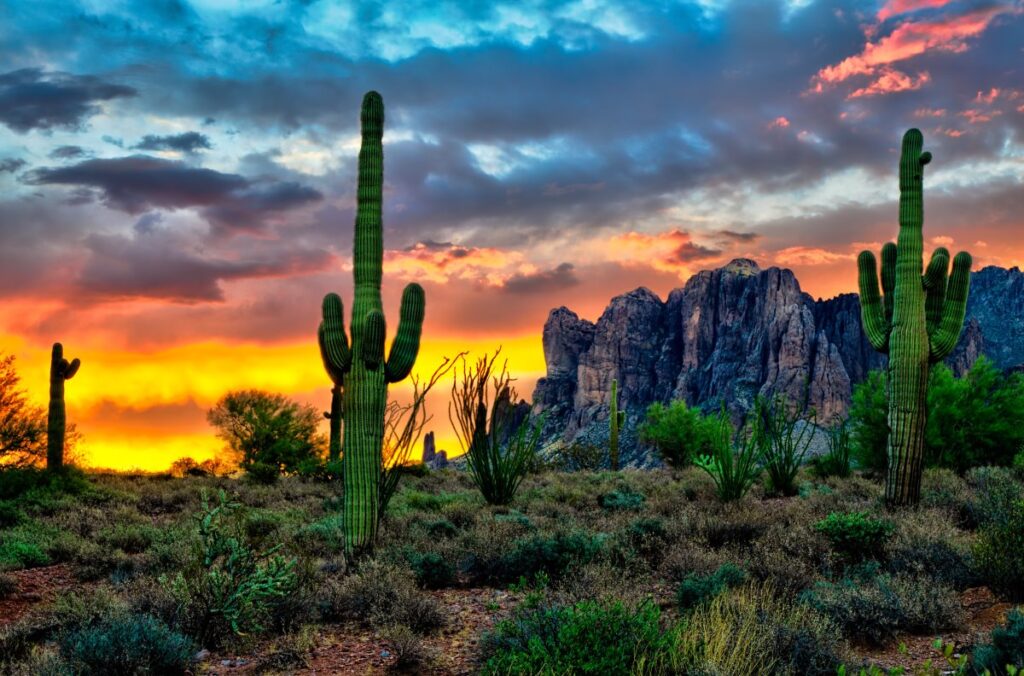
Tall cactus and desert vegetation beside rugged rock formations beneath an orange sunset and dramatic clouds.

When to Visit Mexico and How to Set Your Pace

There is no single best season for every part of Mexico. Altitude, coastlines and regional rainfall patterns create different conditions. The official climate guide describes the broad contrasts between tropical areas, highlands and desert regions; use it as a starting point, then check conditions for your chosen destinations.

Build the itinerary around a manageable number of bases. A city, a heritage visit and a regional food or nature experience can provide a rich introduction without requiring you to cover the whole country. Leave space for slower mornings, a return to a favourite square or a discovery that was not on the original list.

Mexico also fits naturally into several themes we explore at Sonsy Travel Guide: World Heritage, engineering, manufacturing and unexpected places. Browse our Explore collection to find more journeys shaped by those interests.

Related posts

Spain: Culture and Growth

Spain offers distinctive regional cultures, historic cities and landscapes ranging from mountains to Mediterranean shores. Our guide introduces architecture, food and cultural experiences, with practical considerations for choosing destinations and building a journey around your interests.

Read More »
Florence Cathedral dome and Giotto’s Bell Tower viewed through a historic window

Italy: Art and Regional Flavours

Italy combines historic cities, remarkable art and regional cooking with varied coastlines and mountain landscapes. Our guide connects Rome, Florence and Venice with wider travel possibilities, including practical advice on seasons, transport, accessibility and choosing destinations.

Read More »

Singapore: Gardens and Culture

Singapore combines gardens, distinctive neighbourhoods and communal dining with an easy-to-explore urban setting. Our guide shares discoveries from our visit, including orchids and Gardens by the Bay, alongside practical advice for arrival, transport and planning your stay.

Read More »

Croatia: Coast and Historic Towns

Croatia combines Adriatic islands and coastal towns with Zagreb’s city life and inland scenery. Our guide connects Dubrovnik, Split and Plitvice Lakes with regional food, seasonal choices, transport and accessibility, helping you shape a manageable itinerary.

Read More »

Germany: Cities and Heritage

Germany connects historic cities, castles and river valleys with contemporary culture and engineering heritage. Our guide introduces Berlin, Bavaria and regional discoveries, alongside practical advice on food, transport, seasons and accessibility for a varied journey.

Read More »
Széchenyi Chain Bridge illuminated at night over the Danube in Budapest

Hungary: Baths and the Danube

Hungary combines Budapest’s architecture and thermal baths with Danube landscapes, historic towns and wine regions. Our guide introduces cultural highlights and local food, with practical considerations for transport, seasons and choosing destinations that suit your interests.

Read More »

Portugal: Cities and Atlantic Shores

Portugal offers historic cities, Atlantic coastlines, vineyard landscapes and distinctive islands. From Lisbon and Porto to Madeira and the Azores, our guide covers regional food, contemporary culture, seasons, transport and accessibility for a thoughtfully paced journey.

Read More »

Denmark: Cities, Coasts and Hygge

Denmark combines Copenhagen’s waterfront, Odense’s literary connections and Aarhus’s art with island towns and coastal landscapes. Our guide introduces food and hygge, alongside advice on transport, accessibility, seasons and choosing a comfortable travel pace.

Read More »

Israel: Resilience and Innovation

Israel connects Jerusalem’s historic quarters, Tel Aviv’s urban culture and the landscapes around the Dead Sea. Our guide covers food, regional highlights, transport and accessibility, alongside practical planning considerations and the importance of checking current conditions.

Read More »
Chongqing skyline at night in China, with an illuminated bridge, waterfront buildings and reflections on the river

China: Beyond the Famous Sights

China’s imperial landmarks, contemporary cities and regional traditions offer contrasting journeys. Our guide introduces Beijing, Shanghai, Chengdu and Yangshuo, with practical considerations for train travel, digital payments, accessibility and choosing a route that feels manageable.

Read More »

Japan: Cities, Crafts and Seasons

Japan rewards curiosity through city neighbourhoods, temples, craft traditions and regional food. Our guide connects Tokyo, Kyoto and experiences beyond the familiar sights, with practical advice on seasons, rail travel, cultural customs, accessibility and accommodation.

Read More »
Colourful flower carpet in Brussels’ Grand Place, surrounded by ornate historic buildings

Belgium: Beyond the Postcard

Belgium brings together canal cities, chocolate traditions, wooded valleys and unexpected engineering heritage. From Brussels and Bruges to Antwerp and the Ardennes, our guide covers local flavours, train travel, accessibility and choosing a comfortable base.

Read More »

Bahamas: Beyond the Beach

The Bahamas offers historic Nassau, Exuma’s island landscapes and beaches with very different settings. Our guide introduces Bahamian food, Junkanoo and contemporary art, alongside practical considerations for island transfers, seasons and choosing where to stay.

Read More »

Austria: Europe’s Cultural Heartland

Austria pairs Vienna’s imperial architecture with Alpine scenery, lakeside towns and contemporary art. Our guide introduces highlights, regional food and practical considerations for transport, seasons and accessibility, helping you combine city discoveries with mountain landscapes.

Read More »

Australia: The Vast Southern Giant

Australia combines coastal cities, tropical reefs and ancient inland landscapes. From Melbourne to Uluru and the Great Ocean Road, our guide covers cultural experiences, regional food, seasons, transport, beach safety and accessibility for a manageable journey.

Read More »
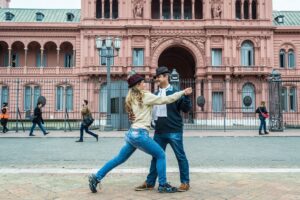
Couple dancing tango in front of the Casa Rosada on Plaza de Mayo in Buenos Aires, Argentina

Argentina: Tango and Patagonia

Buenos Aires’ cafés and tango, Mendoza’s vineyards and Patagonia’s glaciers reveal different sides of Argentina. Our guide connects regional highlights with food, culture, seasons, transport and accessibility, helping you plan realistic distances and rewarding stays.

Read More »

United Arab Emirates Travel Guide

The United Arab Emirates combines Dubai’s skyline with Abu Dhabi’s cultural attractions, Sharjah’s heritage and landscapes beyond the cities. Our guide introduces neighbourhoods, food, desert scenery and mountain roads to help shape a more varied journey.

Read More »
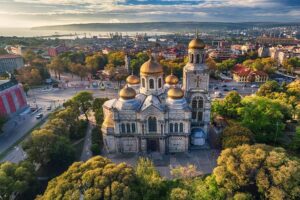
Aerial view of the Dormition of the Mother of God Cathedral with golden domes in Varna, Bulgaria

Bulgaria: Mountains and Black Sea

Bulgaria links historic cities and mountain monasteries with towns along the Black Sea. Our guide introduces Plovdiv, Rila and Nessebar, alongside regional food, seasons, transport and accessibility considerations for travellers with different interests and mobility needs.

Read More »
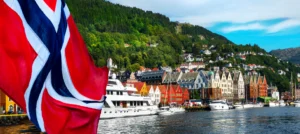
Norwegian flag overlooking Bergen harbour and Bryggen

Norway – Land of Fjords

Norway brings together western fjords, Arctic landscapes and distinctive cities. Our guide helps you compare regions and seasonal experiences, with advice on transport, food, accessibility and choosing activities that suit your interests and preferred travel pace.

Read More »
Brazil travel guide: Christ the Redeemer overlooking Rio de Janeiro and Sugarloaf Mountain

Brazil: Beyond Carnival

Brazil offers contrasting experiences across Rio de Janeiro, Salvador, São Paulo and its natural regions. Our guide introduces the Pantanal, Amazon and Iguaçu Falls, with practical considerations for seasons, transport, accessibility and choosing your first itinerary.

Read More »
Scroll to Top